
Reviewed · CATHEDRALS & ABBEYS
Bath: Walking Tour of Bath and Guided Tour of Bath Abbey
Bath’s story comes together best on foot, and this tour links its Roman springs, Georgian streets, royal connections, Jane Austen associations, and Bridgerton filming spots in one well-paced outing. I like the 90-minute city walk for giving you a useful first look at Bath, and I like the separate 30-minute Abbey tour for adding detail that is easy to miss on your own.
The main consideration is pace. You’ll cover about 4 kilometers, and the guide has plenty to explain in a limited time. Bath Abbey can also close at short notice because it is a working church, although a partial refund is provided if the indoor visit cannot go ahead.
Key points at a glance
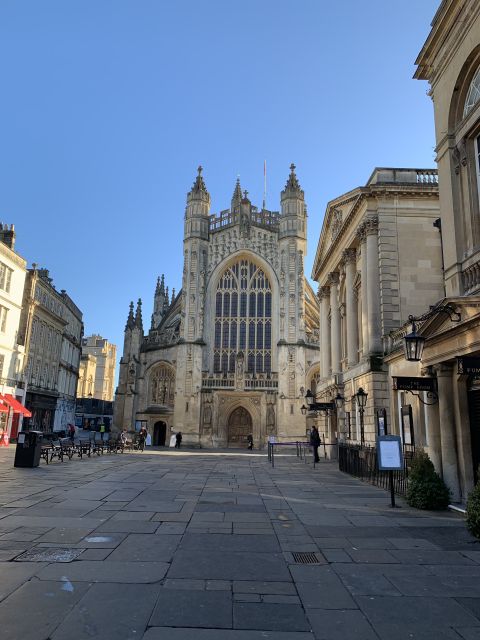
- Bath Abbey comes at the end: Your guide introduces the church’s main features and its links with England’s monarchy.
- The route covers major sights: Expect Pulteney Bridge, The Circus, the Royal Crescent, Queen Square, the Pump Room, hot springs, and Abbey Churchyard.
- Guides bring personality: Andy, Fred, and Jim have been singled out for humor, patience, clear explanations, and strong local knowledge.
- The tour is about context: You’ll hear how Roman Bath, Georgian society, Jane Austen, and modern filming helped shape the city.
- You walk roughly 4 kilometers: Comfortable shoes matter, and the pace may feel brisk if you prefer long stops.
- The Roman Baths are viewed from outside: Entry to that museum is not included, so plan a separate visit if you want to go in.
Why this Bath tour works as a first introduction
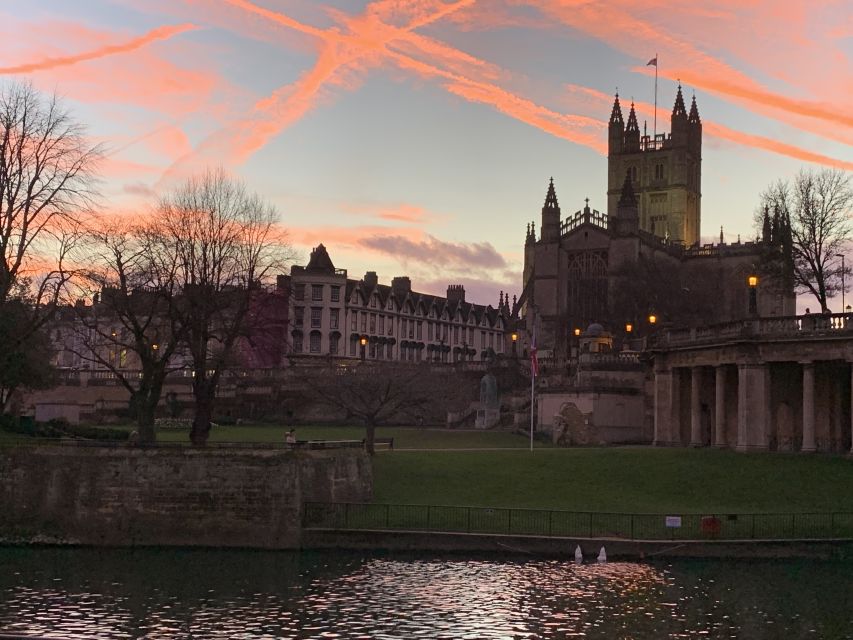
Bath can look almost too polished at first glance. Cream-colored stone, grand crescents, elegant squares, and the River Avon make the city easy to admire, but a guide helps explain why these pieces belong together.
This outing gives you that framework without taking a full day. The first 90 minutes are spent outdoors, moving between major sights while your Blue Badge guide explains the people and events behind them. The final 30 minutes shift indoors at Bath Abbey, where the guide points out the building’s main features and its place in Bath’s civic and religious life.
I particularly like that the route is not limited to one subject. You are not getting only Roman history, Georgian architecture, Jane Austen, or television locations. Instead, you get a sequence of connected stories. The hot springs explain Bath’s beginnings, the Georgian streets show how the city grew into a fashionable resort, and the Abbey reflects the city’s long religious and royal connections.
The tour is in English, and the guide changes from departure to departure. Andy, Fred, and Jim are among the guides who have led it. Andy is praised for combining humor with detailed answers, Fred for his storytelling and calm handling of a question-filled group, and Jim for his passion for Bath and the Abbey. You may have a different guide, but the format clearly allows room for questions.
More Walking Tours in Bath
- Walking Tour of Bath with Blue Badge Tourist Guide
★ 5.0 · 1,877 reviews - Bath: City Walking Tour with Optional Roman Baths Entry
★ 4.7 · 1,401 reviews - Bath: Guided Walking Tour
★ 4.9 · 1,198 reviews
Starting in Abbey Churchyard
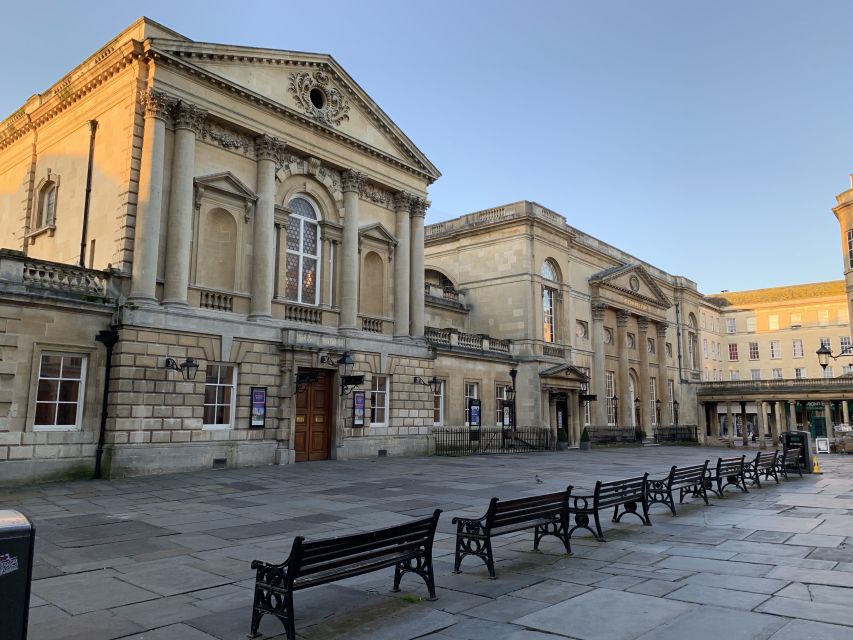
You meet in Abbey Churchyard, in front of Bath Abbey and the entrance to the Roman Baths. It is a practical meeting point because several of Bath’s most important sights are gathered here, and the opening explanation can immediately put the city in context.
This is also where you get your first look at the contrast that makes Bath so interesting. The Abbey is a medieval church, the Roman Baths occupy the site of the ancient hot springs, and the surrounding buildings belong to later periods. Within a short walk, you can see how Bath changed over many centuries.
The walk does not include entry to the Roman Baths. That distinction matters. You will hear about the springs and see the exterior, but you need a separate ticket and visit if you want to walk through the museum and ancient bathing complex.
After meeting the guide, expect the group to set off at a steady pace. The total outdoor route covers approximately 4 kilometers. You will stop for explanations, but this is a walking tour rather than a series of long visits inside buildings.
The hot springs, Pump Room, and Roman beginnings
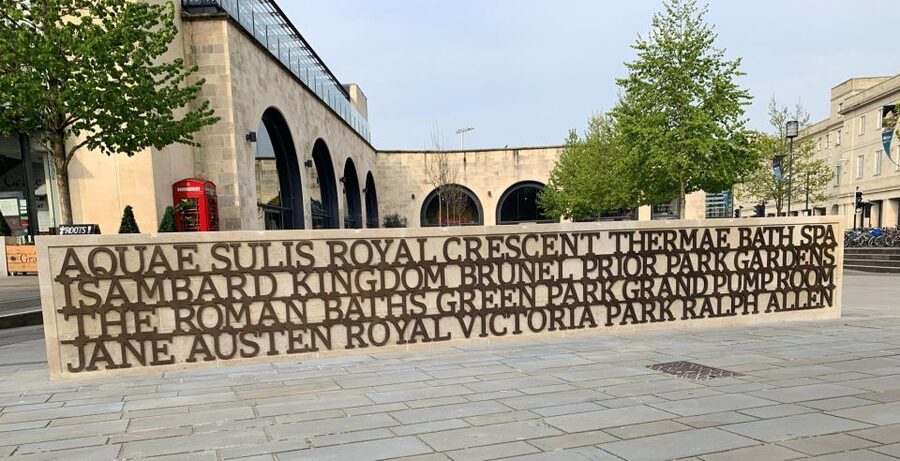
Bath’s hot springs are the natural reason the city exists in its present form. Your guide will explain their importance and connect them with the Roman Baths nearby. Even without entering the museum, seeing the site with some background makes the exterior more meaningful.
The Pump Room adds another layer. It was tied to Bath’s later reputation as a fashionable spa city, when visitors came to take the waters, meet other well-connected people, and take part in the social life of the resort.
I like having both sites on the route because they show Bath’s two most famous identities: an ancient spa town and a Georgian social center. If you are planning to visit the Roman Baths separately, take notes here. The guide can give you a useful preview, while the museum visit provides the close-up archaeological detail that this walk does not include.
The Pump Room is also part of the wider setting around the Abbey. You are not simply ticking off separate attractions. The guide helps you see how the buildings worked together as part of Bath’s public life.
Queen Square and Bath’s Georgian character
Queen Square gives the walking tour room to explain Bath’s Georgian design. This is where the city begins to feel planned rather than accidental, with grand buildings arranged around formal open space.
The value of a guide becomes clear in places like this. A row of attractive buildings can blur into the next if you do not know what to look for. Your guide can point out the way Bath’s architecture was used to create a sense of order, status, and fashionable taste.
This part of the walk is also useful for understanding the social side of Bath. The city was not shaped only by stone and road plans. It grew around visitors, social gatherings, and the people who made Bath a place to see and be seen.
The tour’s light-hearted style should help here. Several guides are praised for keeping explanations lively and handling questions well. Fred, in particular, is noted for staying patient with children who asked a steady stream of questions. That makes this a reasonable choice for families, provided everyone is comfortable walking at the group’s pace.
More Cathedral Tours in Bath:
- Bath: Bath Abbey and Discovery Centre Entry
★ 4.7 · 132 reviews - London: Westminster Abbey Entrance Ticket
★ 4.6 · 11,254 reviews - London: St Paul’s Cathedral Entry Ticket
★ 4.7 · 9,813 reviews - Leeds Castle, Cliffs of Dover and Canterbury Day Trip from London with Guided Cathedral Tour
★ 4.5 · 2,820 reviews
The Circus and Royal Crescent
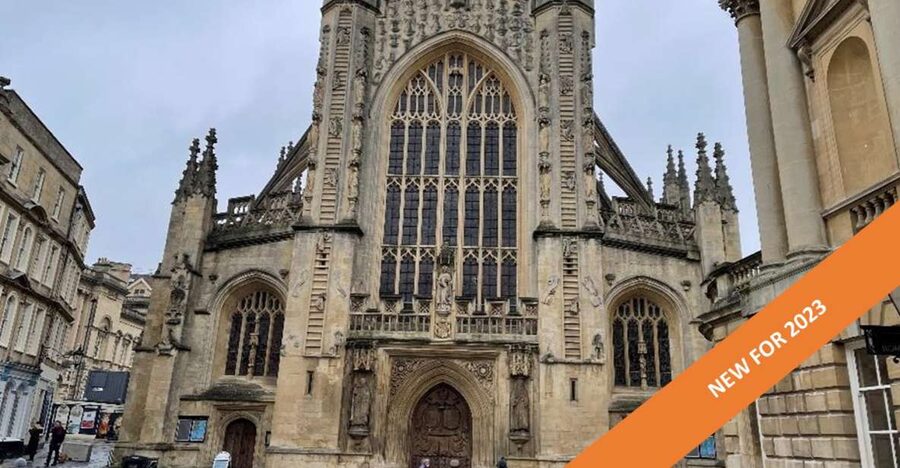
The Circus and the Royal Crescent are the architectural stars of the route. Both show the ambition of Georgian Bath, but they make different impressions.
The Circus is a carefully designed circular space, while the Royal Crescent presents a long sweep of grand façades. You will hear about the planning, the style, and the people connected with the buildings. These stops are more useful with an explanation because the details can be easy to overlook when you are focused on taking photographs.
The Royal Crescent also helps explain Bath’s image as a place of luxury and social display. It is not just a pretty row of houses. It represents the city at the height of its Georgian development, when architecture and social position were closely linked.
Expect the guide to keep the group moving rather than provide a long pause at every viewpoint. That is the tradeoff for covering so much ground in 90 minutes. If you want detailed time for photographs or a slow look at each building, return later on your own.
The route also touches on Jane Austen’s connection with Bath. You will hear about her role in the city and the places associated with her time here. The tour does not replace a specialist Austen walk, but it gives you enough context to recognize why Bath matters in discussions of her life and writing.
Pulteney Bridge and the River Avon
Pulteney Bridge is one of Bath’s most distinctive sights. Its enclosed shops make it look different from a standard bridge, and its position over the River Avon gives the tour a change of scenery after the formal Georgian streets.
Your guide will explain the bridge’s place in Bath’s development and point out what makes it significant. This is a good example of the tour’s wider approach: you see a famous view, then learn why it belongs in the story of the city.
The bridge can be a busy place, so keep close to the guide and listen for meeting instructions. The supplied details do not specify the group size, and the pace may vary with the number of people attending. Staying near the guide is sensible whenever the route passes through crowded public areas.
Pulteney Bridge also gives you a chance to see Bath beyond its crescents and squares. The river, bridge, and surrounding buildings show how the city’s practical infrastructure became part of its visual identity.
Jane Austen and Bridgerton connections
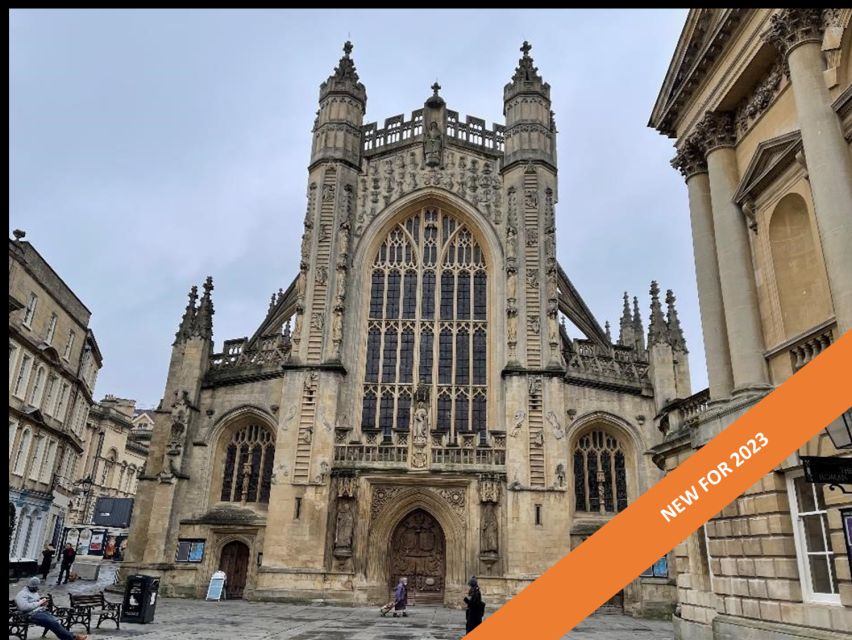
The Austen material adds literary interest without taking over the entire tour. Your guide will explain her connection with Bath and point out relevant locations. If you already know her novels, you may appreciate the added sense of place. If you do not, the information still helps explain Bath’s role in popular ideas of Georgian society.
The tour also highlights places used for filming Bridgerton. This is a useful modern link because it shows how Bath continues to function as a setting for stories about status, manners, and social life.
Do not book this experience expecting a dedicated film-location tour or a full Jane Austen itinerary. Both subjects are part of a broader city walk. Their value is in showing how Bath’s architecture continues to shape the way people imagine the Georgian period.
Inside Bath Abbey for the final 30 minutes
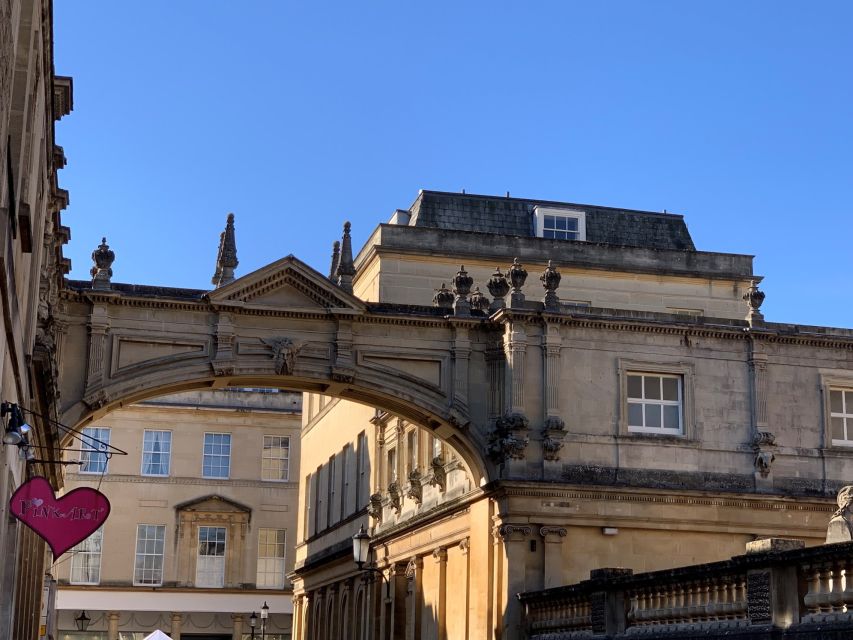
The Abbey visit is the part that gives this experience its extra value. After the outdoor walk, you enter with the guide for a 30-minute introduction to the building and its history.
The guide will discuss the Abbey inside and out, highlight its main features, and explain its importance in the history of the English monarchy. That final point makes the Abbey more than a beautiful church stop. It connects the building with national history as well as local worship.
The Abbey is a working parish church, not simply a museum. Services and civic duties continue, so it can close with little warning. If the visit cannot take place, the operator refunds the difference between the walking tour price and the full ticket fee. You should treat the Abbey portion as planned but not absolutely guaranteed.
The 30-minute format is a good compromise. It gives you an organized introduction without turning the tour into a long architectural lecture. One practical detail is that the activity includes a separate entrance arrangement, described as a way to skip the line. The exact entry conditions can depend on the Abbey’s operations that day.
Pace, accessibility, and what to wear
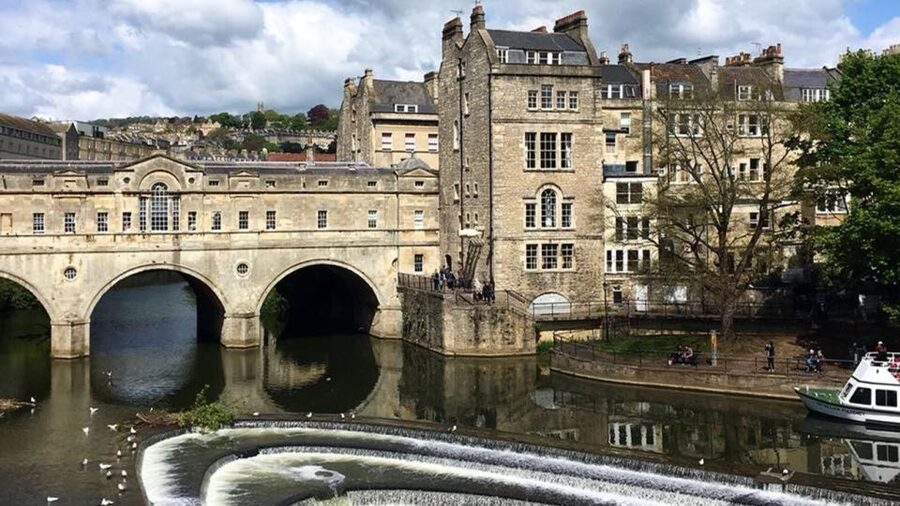
You will walk about 4 kilometers, with stops for explanations. Wear comfortable shoes and expect to be on your feet for most of the 2.5 hours.
The activity is described as wheelchair accessible and accessible to all, with assistance dogs allowed. Ordinary pets are not included in that permission. Since Bath has historic streets and the Abbey is a working building, it is wise to confirm any personal access needs before booking if you require more than standard wheelchair access.
The walking distance is the main physical consideration. This is not a short orientation around Abbey Churchyard. It reaches the Royal Crescent, The Circus, Queen Square, and Pulteney Bridge, so anyone who tires easily should take the distance seriously.
Is $53.88 a fair price?
At $53.88 per person, this is not the cheapest way to look around Bath. The value depends on how much structure and explanation you want.
You are paying for a professional Blue Badge guide, 90 minutes of outdoor touring, and a further 30-minute introduction to Bath Abbey. You are not paying for entry to the Roman Baths, so add that cost if the museum is on your list.
I think the price is reasonable for a first visit if you want the city’s major sights tied together by one story. It can also save you time during a short stay because you will get a clear route through the center rather than working out the connections yourself.
The value is weaker if you prefer to stop for long photographs, read every museum panel independently, or explore at your own speed. In that case, you may prefer a shorter orientation walk followed by self-guided visits.
The guide is the key part of the purchase. Andy, Fred, and Jim are praised for answering questions and making the history easy to follow. That matters more than a list of stops because Bath’s architecture is impressive even without help, but its political, social, and religious connections take explanation.
Who should book this experience?
This tour suits a first-time visitor who wants a broad introduction to Bath in one morning or afternoon. It is also a good choice if you want a guide who can connect the Roman Baths, Georgian architecture, Austen, television filming, and Bath Abbey.
Families may appreciate the flexible question time, especially if children want to ask about the buildings and stories along the way. The pace is still brisk, so it works best for families ready for a substantial walk.
History fans should like the Abbey and monarchy material, while architecture fans will value The Circus and Royal Crescent. Austen and Bridgerton followers will get useful location context, though neither theme dominates the itinerary.
You may want another plan if your main goal is the Roman Baths interior. That attraction is not included, and this tour only covers it from the outside. You should also reconsider if a slow, photograph-heavy walk is more important to you than covering several sights.
Cancellation is flexible up to 24 hours before the start for a full refund, and you can reserve while paying later. The activity ends back at Abbey Churchyard, where it begins, making it easy to continue with the Roman Baths, Abbey, or nearby city sights.
Should you book the Bath walking tour and Abbey visit?
Book it if you want one well-organized introduction to Bath with a real guide, a useful route, and a short but focused Abbey visit. The combination of Georgian architecture, Roman spa history, Austen connections, filming locations, and church history gives you a strong sense of the city without taking all day.
Skip it if you want entry to the Roman Baths included, a slow pace, or a specialist tour focused only on Austen or Bridgerton. For most first-time visitors who can manage 4 kilometers on foot, the price is fair, and the Abbey segment makes it more worthwhile than a basic city orientation walk.
FAQ
How long does the Bath walking tour and Abbey visit last?
The complete activity lasts 2.5 hours. This includes a 90-minute guided walking tour and a 30-minute guided tour of Bath Abbey.
Where does the tour start?
Meet in Abbey Churchyard, in front of Bath Abbey and the entrance to the Roman Baths.
Where does the activity finish?
The tour ends back at the same meeting point in Abbey Churchyard.
Which sights are included on the walking route?
The route includes Bath Abbey, The Pump Room, Queen Square, the hot springs, the Royal Crescent, The Circus, and Pulteney Bridge. You will also hear about Jane Austen and places used for Bridgerton filming.
Is entry to the Roman Baths included?
No. The tour covers the Roman Baths from the outside and explains their importance, but Roman Baths entry tickets are not included.
Is the Bath Abbey visit guaranteed?
No. Bath Abbey is a working church and can close at short notice. If it is closed and the visit cannot take place, a proportion of the ticket fee is refunded.
How far will I walk?
You will walk approximately 4 kilometers during the activity.
Is the tour wheelchair accessible?
The activity is described as wheelchair accessible and accessible to all. Assistance dogs are allowed.
What language is the tour in?
The live guided tour is in English.
Can I cancel the booking?
Yes. You can cancel up to 24 hours in advance for a full refund. A reserve-now, pay-later option is also available.
Just added in Bath
- Bath: The Bad of Bath Walking Tour★ 5.0 · 202 reviews
- Bath: Guided Relaxation and Sound Bath★ 4.8 · 108 reviews
- Bath: Guided Tour of Iconic Bridgerton Filming Locations★ 4.6 · 137 reviews
- Discover Bath and Bridgerton with Music★ 4.6 · 64 reviews
- Bath: Mary Shelley’s House of Frankenstein Entrance Ticket★ 4.5 · 126 reviews
- Bath: Bath Abbey and Discovery Centre Entry★ 4.7 · 132 reviews
- Afternoon Tea at The Regency Tea Room★ 4.4 · 136 reviews
- Bridgerton Walking Tour of Filming Locations & Storylines – Bath★ 4.5 · 178 reviews
Cathedrals & Abbeys, compared.
Leeds Castle, Cliffs of Dover and Canterbury Day Trip from London with Guided Cathedral Tour
Read our review →
Westminster Abbey, Big Ben & Buckingham Guided Tour
Read our review →
Westminster Guided Walking Tour with Abbey Entry
Read our review →
Walking Tour of London Westminster Abbey, Big Ben, Buckingham
Read our review →
Canterbury Cathedral, Dover Castle, and White Cliffs
Read our review →Browse the lists this tour appears in