
Reviewed · WALKING TOURS
Bath: Guided Walking Tour
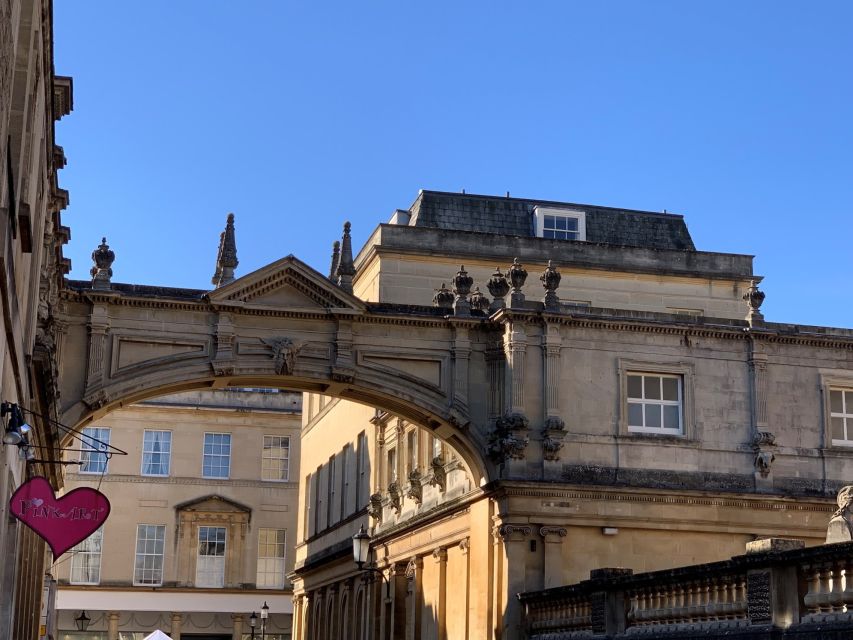
Bath’s great pleasure is how much of its story sits in plain sight. On this two-hour walking tour, a guide connects the honey-colored buildings, elegant squares, and riverfront landmarks into one clear story, from Roman Bath to Georgian society.
I like the route’s mix of famous sights and useful orientation. You’ll see the Royal Crescent, The Circus, Queen Square, Pulteney Bridge, and Bath Abbey, while guides such as Jess, Andrew, Victoria, and Owen bring the buildings to life with humor and sharp local detail. The main drawback is the distance: about 4 kilometers, including some steep hills, so comfortable shoes matter.
Key points at a glance
- A strong first look at Bath: See the city’s major landmarks in two hours and get your bearings before exploring on your own.
- Story-led guiding: Guides including Jess and Andrew are praised for energetic storytelling, humor, and a clear sense of how Bath developed.
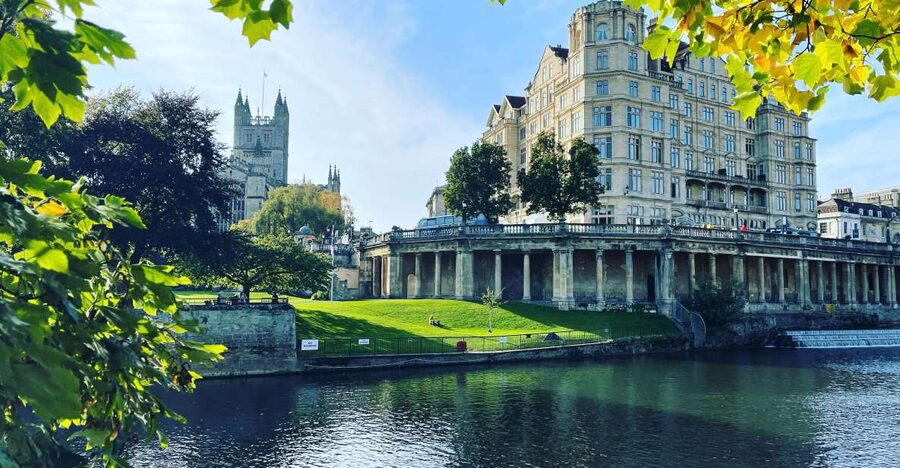
- Grand Georgian architecture: The Royal Crescent, The Circus, and Queen Square show Bath at its most polished and theatrical.
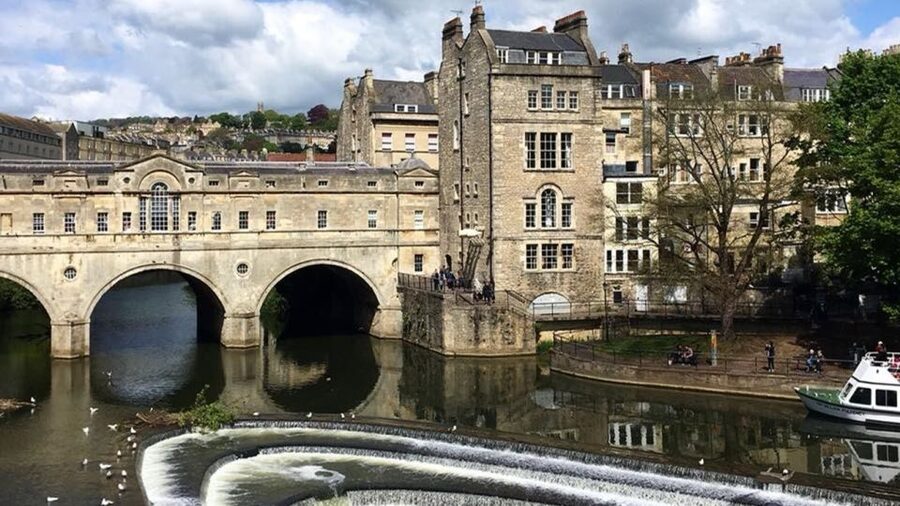
- A riverfront finale: Pulteney Bridge gives you a different view of the city, with water, shops, and Bath’s famous urban setting.
- Roman Baths not included: You see the exterior area around Bath Abbey, but entry to the Roman Baths costs extra.
- Accessible, but not flat: The route is wheelchair accessible, though steep hills may be tiring in a manual chair.
Why a Bath walking tour is worth your first two hours
Bath can look almost too neat to understand at first. Its pale stone buildings, formal squares, and sweeping crescents seem to belong to one carefully planned period, yet the city’s story reaches from Roman Britain through the Georgian age and into modern tourism.
That is where a good guide earns the fee. Instead of simply pointing at handsome buildings, the tour explains how Bath changed, who shaped it, and why its architecture looks so different from that of most British cities.
At $26.94 per person, this is a reasonable orientation tour, especially if Bath is new to you. You are paying for a live guide who can answer questions and adjust the explanation to the group, not for admission to an attraction. The price does not include the Roman Baths, so plan to pay separately if you want to go inside.
The timing also works well. Two hours is long enough to cover the main center without taking up your entire day. It is short enough to fit before a museum visit, lunch, or a return train. Several people have found it especially useful on their arrival day because it helps them decide which sights deserve more of their own time later.
More Walking Tours in Bath
- Walking Tour of Bath with Blue Badge Tourist Guide
★ 5.0 · 1,877 reviews - Bath: City Walking Tour with Optional Roman Baths Entry
★ 4.7 · 1,401 reviews - Roman Baths and Bath City Walking Tour
★ 4.5 · 762 reviews
Meeting at Abbey Churchyard
The tour begins at Abbey Churchyard, Bath, BA1 1LY. Look for the Blue Badge Walking Tour flag near the meeting point. The activity finishes back where it starts, which makes the tour easy to combine with the rest of a day in central Bath.
Starting beside Bath Abbey is a smart choice. You are immediately in one of the city’s most important public spaces, surrounded by major buildings and old streets. It also keeps the opening practical: you do not spend the first part of the tour walking through ordinary streets just to reach the interesting section.
Arrive ready to walk rather than expecting a stop-and-start bus-style outing. The guide moves through the city, then pauses at places of interest for explanation and questions. One guide was praised for setting off on time, speaking clearly, and stopping often enough to connect each building with the wider story.
English is the tour language. The guides named in the feedback include Jess, Andrew, Victoria, Owen, Tony, June, and Jane. Your guide will depend on the departure, but the repeated strengths are clear: lively delivery, a good sense of humor, and an ability to make architecture easier to understand.
Bath Abbey and the city’s early story
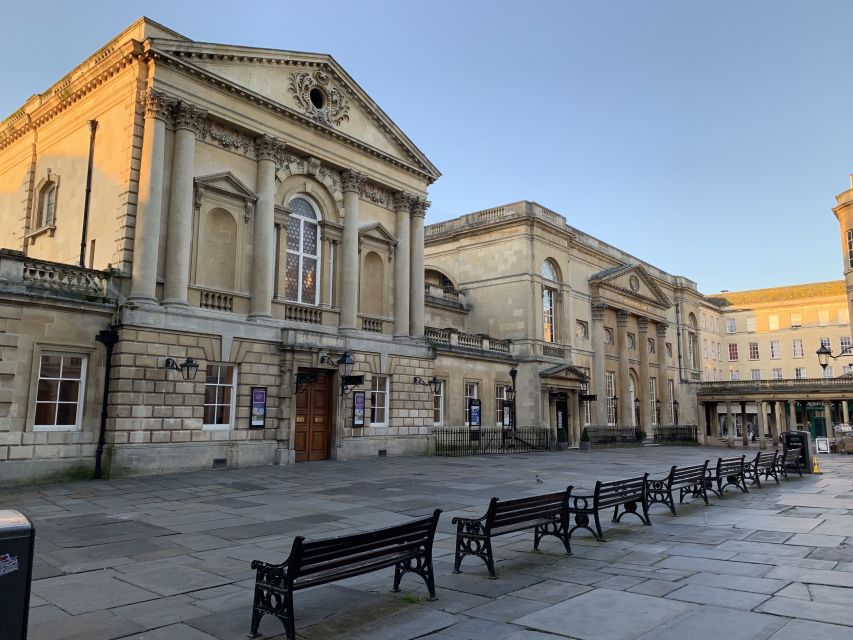
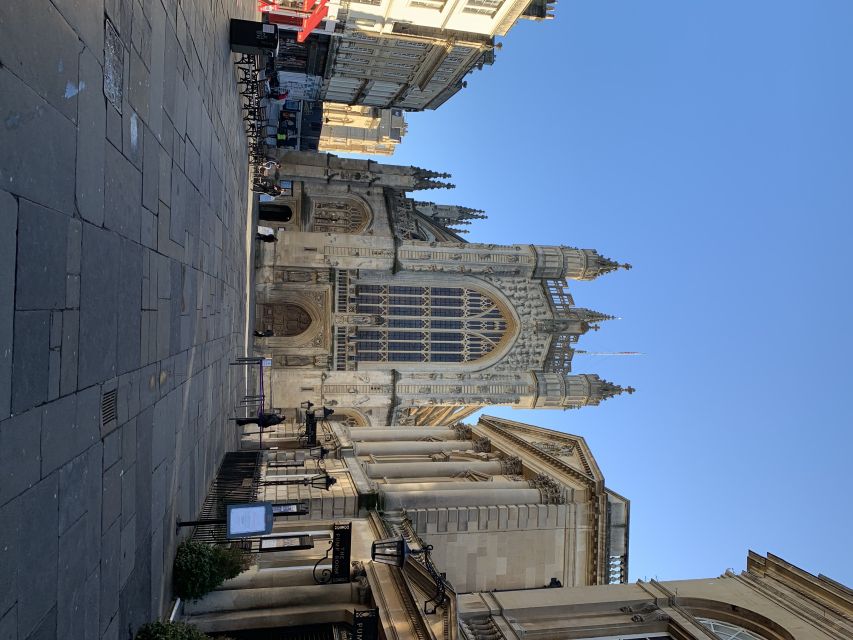
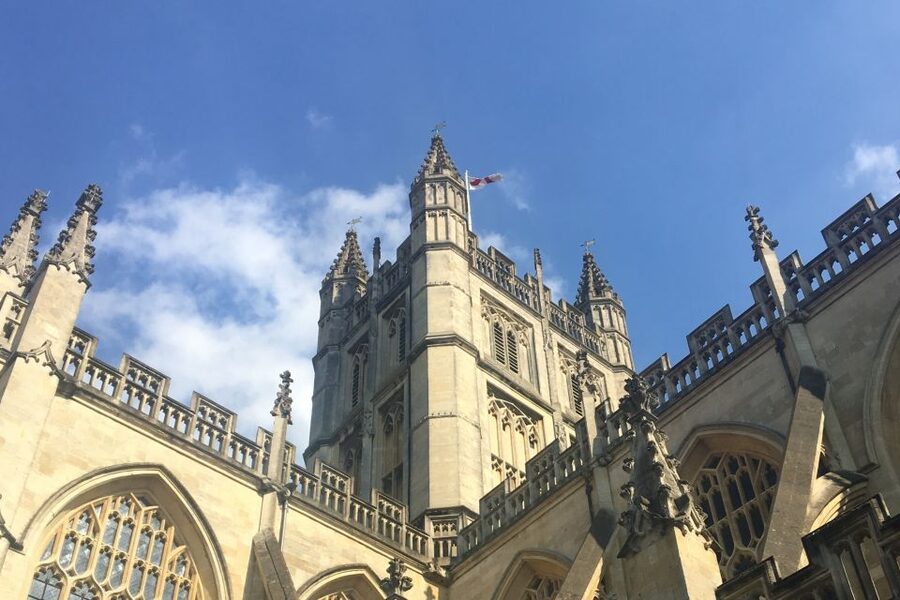
Bath Abbey is one of the central sights on the route. Even if you do not go inside, the church helps explain the importance of this part of town. Your guide uses the surrounding streets and buildings to show how Bath grew around its religious, civic, and spa functions.
This is not a Roman Baths entry tour. You will hear about the city’s long development, but the Roman Baths themselves are not included, and there is no entry ticket in the tour price. That distinction matters because many first-time visitors assume a city walking tour automatically includes the main paid attraction.
I like the way this separation can work in your favor. The walking tour gives you the broad picture first. You can then visit the Roman Baths afterward with a better sense of how that site fits into Bath’s wider story, rather than treating it as an isolated museum.
The route’s commentary also covers the people and events that helped Bath become a UNESCO World Heritage City. Expect a blend of historical facts, architectural clues, and personal stories rather than a narrow lecture on one period.
Queen Square and the shape of Georgian Bath
Queen Square is one of the important pauses on the route. Here, the focus shifts toward Bath’s planned Georgian appearance and the way public spaces were designed to make a strong impression.
A guide can point out how the buildings work together rather than treating each one as a separate attraction. That is valuable in Bath, where the overall effect often matters as much as any single doorway or window.
The tour also helps you read the city at street level. You might otherwise walk through the square, admire the stone, take a photograph, and move on. With a guide, the shape of the space, its architectural style, and its role in Bath’s social life become part of one connected explanation.
This is one reason the tour suits people who enjoy architecture but do not want a technical class. Guides use stories and comparisons to keep the information moving. Jess, in particular, is repeatedly praised for combining historical detail with drama, humor, and high energy. Andrew is described as a charming storyteller who used stories from the 17th and 18th centuries to make the period feel immediate.
Same trip, a completely different kind of day:
- Bath: Guided Ghost Tour
★ 4.8 · 1,036 reviews - Bath: The Jane Austen Centre Ticket
★ 4.4 · 678 reviews - Fully Guided Bath Ghost Tours
★ 5.0 · 539 reviews - Best of Bath Walking Tours – Georgian Tour
★ 5.0 · 449 reviews
The Circus and the Royal Crescent
The Circus and Royal Crescent are the visual heart of the walk. These are the places where Bath’s Georgian ambition becomes easiest to grasp.
The Circus presents a carefully arranged ring of buildings. The Royal Crescent then expands that idea into a long, curving facade with broad views in front. Your guide explains the architecture while also discussing the society that produced it. The result is more useful than a list of dates because you begin to see how design, status, and urban planning worked together.
The Royal Crescent is also a good test of the tour’s pace. You need time to look upward, notice the repeated details, and understand how the buildings were meant to be seen as one grand composition. A strong guide keeps the group moving without rushing the explanation.
One detailed account described the pace as quick but manageable, with the guide checking that everyone could keep up both physically and with the amount of information. That is helpful to know. This is not a slow photographic stroll with long free periods at every stop. It is an active introduction with regular pauses.
The climb toward some of Bath’s grander streets may feel tiring, especially in a manual wheelchair. The tour is described as wheelchair accessible, but accessible does not mean flat. If you have limited mobility, consider the 4-kilometer distance and hills when deciding if the route suits you.
Pulteney Bridge and Bath’s riverfront view
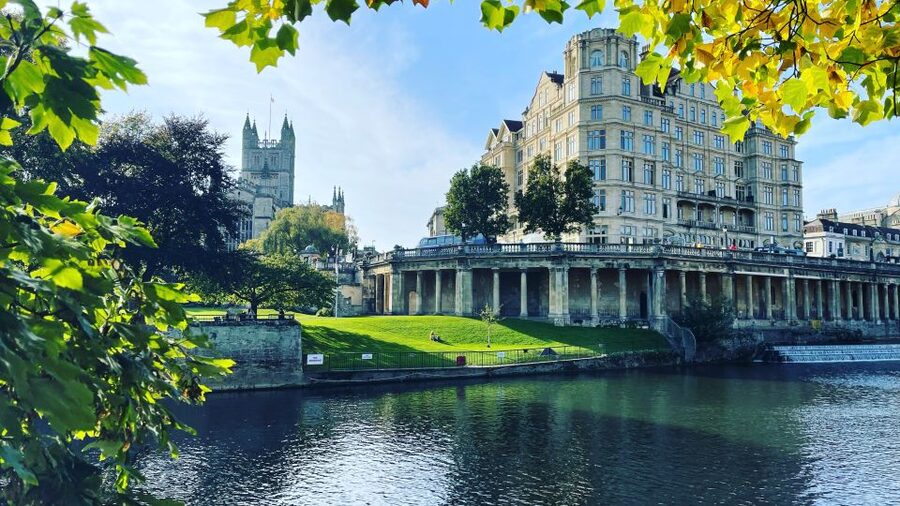
Pulteney Bridge gives the tour a change of mood. After the formal squares and crescents, the riverfront brings water, movement, and a more practical side of the city into view.
The bridge is one of Bath’s best-known landmarks, and it is useful to see it as part of the city rather than as a quick photo stop. Your guide connects it to Bath’s growth and explains why the bridge is so closely tied to the city’s identity.
This is also a good place to ask questions. The tour encourages you to test the guide’s knowledge, and the guides are described as approachable and happy to engage with the group. If you want to know the best time to revisit a certain sight, ask. The tour is not just a set speech delivered without pause.
A riverfront stop also gives you a chance to notice how compact central Bath is. The main sights are close enough to connect on foot, but the route still covers enough ground to show different sides of the city.
What the guides add
The guide makes or breaks any walking tour, and this one has a strong record on that point. Jess is repeatedly praised for enthusiasm, energy, humor, and storytelling. Her style seems especially suited to people who like history delivered with personality rather than a string of dry facts.
Andrew receives similar praise for charm, broad knowledge, and funny anecdotes. He also made an effort to engage everyone in the group, including visitors from Canada by adding relevant connections. That kind of adjustment can make a standard city tour feel more personal.
Victoria is described as clear, warm, and well organized. She built the tour around Bath’s development, relating each part of the city to the buildings around it. Other guides, including Owen, Tony, June, and Jane, are praised for local detail, good pacing, humor, and a welcoming manner.
You should still remember that the exact style depends on who leads your departure. Some guides may be more theatrical, while others may offer a calmer presentation. The common thread is a guide who can explain Bath’s history while keeping the walk enjoyable.
Pace, distance, and practical comfort
The tour covers approximately 4 kilometers in two hours. That means you will be walking at a steady pace, with stops for commentary rather than long breaks.
Wear comfortable shoes. Bath’s historic center is easy to explore on foot, but the route includes hills, and polished stone streets can be unforgiving after an hour or two. Bring weather-appropriate clothing as well. The tour runs outdoors, and one guide kept a group engaged even in heavy rain and thunder, but you will still want a coat or umbrella when the forecast is poor.
The tour is listed as wheelchair accessible. At the same time, one detailed account notes that the hills can be tiring in a manual chair. If you use a wheelchair, consider your own stamina and ask the operator about the route if you need more detail before booking.
The activity ends at the original meeting point, a useful feature if you have onward plans. Allow a little extra time after the advertised two hours if you need to catch a coach or train, since the walk itself is fixed but city traffic and the group’s pace can vary.
Who gets the most from this tour
I would choose this tour if you are visiting Bath for the first time, especially if you want a clear overview before choosing which interiors and museums to visit.
It suits:
- First-time visitors who want to see the main sights quickly
- Couples and families who prefer stories to silent sightseeing
- Architecture fans who want help reading Bath’s Georgian buildings
- History lovers who enjoy humor and lively delivery
- Visitors arriving in Bath who want to get oriented on day one
- People with only a few hours in the city
It may be less suitable if you dislike group walking tours, need frequent rest stops, or want extensive time inside each attraction. The Roman Baths are not included, and the route does not replace a full visit to Bath Abbey or other paid sites.
At $26.94, the tour offers good value if you use it as a foundation for the rest of your day. You see the major exterior sights, learn how they fit together, and can return later to the places that interest you most. The value is lower if you already know Bath well or prefer exploring entirely at your own pace.
Should you book the Bath Guided Walking Tour?
Book it if you want a lively introduction to Bath’s architecture, people, and major landmarks without spending half a day indoors. The guides bring useful energy to the route, and the combination of Royal Crescent, The Circus, Queen Square, Pulteney Bridge, and Bath Abbey gives you a solid first look at the city.
Skip it if the 4-kilometer route and hills sound uncomfortable, or if you mainly want entry to the Roman Baths. That attraction is separate.
For most first-time visitors, I would book this near the beginning of a Bath stay, then use the guide’s suggestions to plan the rest of the day. Cancel up to 24 hours before departure for a full refund, and you can reserve now and pay later, which makes the booking flexible.
FAQ
How long does the Bath walking tour last?
The tour lasts two hours. Check availability for the starting times offered on your chosen date.
How far do you walk?
You walk approximately 4 kilometers during the tour.
Where does the tour begin?
Meet at Abbey Churchyard, Bath, BA1 1LY. Look for the Blue Badge Walking Tour flag.
Where does the tour end?
The tour ends back at the original meeting point.
Is the Roman Baths entry included?
No. The walking tour does not include a visit inside the Roman Baths or an entry ticket.
What sights are included on the route?
The route includes the Royal Crescent, The Circus, Queen Square, Pulteney Bridge, and Bath Abbey, along with other streets and landmarks in central Bath.
What language is the tour conducted in?
The live tour is conducted in English.
Is the tour wheelchair accessible?
Yes, the tour is listed as wheelchair accessible. Some hills may be tiring in a manual wheelchair.
What should I bring?
Bring comfortable shoes and clothing suitable for the weather.
Just added in Bath
- Bath: Walking Tour of Bath and Guided Tour of Bath Abbey★ 5.0 · 27 reviews
- Bath: The Bad of Bath Walking Tour★ 5.0 · 202 reviews
- Bath: Guided Relaxation and Sound Bath★ 4.8 · 108 reviews
- Bath: Guided Tour of Iconic Bridgerton Filming Locations★ 4.6 · 137 reviews
- Discover Bath and Bridgerton with Music★ 4.6 · 64 reviews
- Bath: Mary Shelley’s House of Frankenstein Entrance Ticket★ 4.5 · 126 reviews
- Bath: Bath Abbey and Discovery Centre Entry★ 4.7 · 132 reviews
- Afternoon Tea at The Regency Tea Room★ 4.4 · 136 reviews
Walking Tours, compared.
Underground Vaults Walking Tour in Edinburgh Old Town
Read our review →
Oxford University Walking Tour With University Alumni Guide
Read our review →
Edinburgh Castle: Guided Walking Tour with Entry Ticket
Read our review →
Edinburgh Castle Guided Walking Tour in English
Read our review →
Tour for Muggles The Ultimate Harry Potter Walking Tour in London
Read our review →
University and City Walking Tour with Alumni Guide
Read our review →
Edinburgh Darkside Walking Tour: Mysteries, Murder and Legends
Read our review →
Browse the lists this tour appears in