
Reviewed · CATHEDRALS & ABBEYS
Bath Public Walking Tour including Bath Abbey
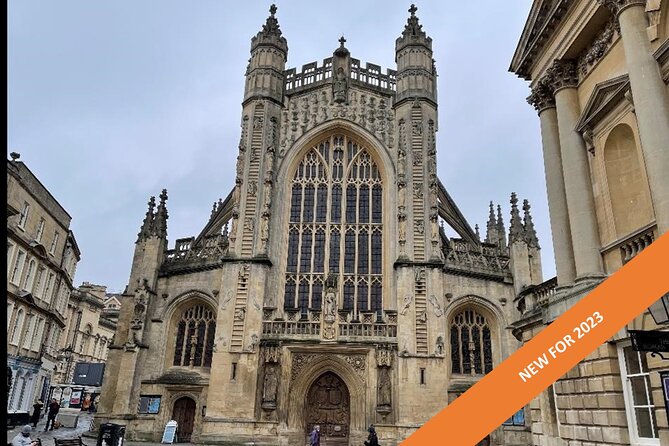
Bath’s best stories are tucked into its streets, churches, bridges, and hot springs. This two-hour walking tour brings those pieces together, with the most useful bonus being a 30-minute guided visit to Bath Abbey rather than simply passing its grand entrance.
I like the lively teaching style and the chance to ask questions as you walk. I also like the compact route: you see Bath’s major central sights without giving up half a day. The main consideration is pace. One account specifically warns that you may need to walk quickly and manage hills, so this is not a slow, flat stroll.
Key points to know before booking
- Bath Abbey is included: You receive entry and a guided 30-minute tour of the church.
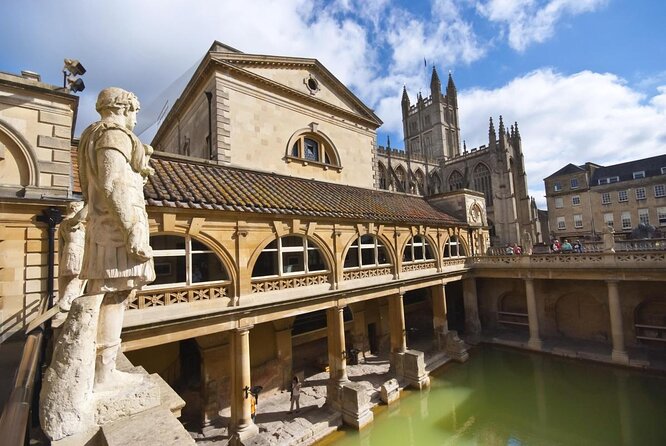
- The route covers major landmarks: Expect Pulteney Bridge, No. 1 Royal Crescent, the Circus, the Cross Bath, and the Roman Baths area.
- Guides bring different personalities: Victoria, Owen, and Fred have all led tours, with humor, energy, and strong local knowledge.
- The group is capped at 20: That is small enough for questions without feeling like a private tour.
- The Roman Baths are not included: You hear about them and see the area, but admission costs extra.
- Plan for hills and a steady pace: The tour is wheelchair-friendly, and service animals are welcome, but the walk still requires some stamina.
Why this Bath walk works so well
Bath can feel confusing at first. The Roman baths, Georgian streets, grand crescents, river, and Abbey are all close together, yet each belongs to a different chapter of the city’s story. A guide helps you connect those chapters instead of treating the town as a collection of pretty façades.
I like that this tour does not focus on one attraction alone. You move from Roman influence to medieval worship, Georgian design, and the spa culture that still defines Bath. That broad sweep gives you a useful framework for exploring on your own afterward.
The guides also seem to shape the experience. Victoria is described as warm and well informed, Owen as funny and full of facts, and Fred as friendly and attentive. One guide even arranged for a late-arriving couple to catch up with the group, which suggests a practical, human approach rather than a rigid script.
The two-hour length is another strength. You get enough time to learn the city’s basic story, but not so much that the sightseeing becomes tiring simply because it lasts all day. At $57.87 per person, the price is not a bargain walk, but the Abbey admission and guided visit add real value.
More Walking Tours in Bath
- Walking Tour of Bath with Blue Badge Tourist Guide
★ 5.0 · 1,877 reviews - Bath: City Walking Tour with Optional Roman Baths Entry
★ 4.7 · 1,401 reviews - Bath: Guided Walking Tour
★ 4.9 · 1,198 reviews
Starting at Bath Abbey
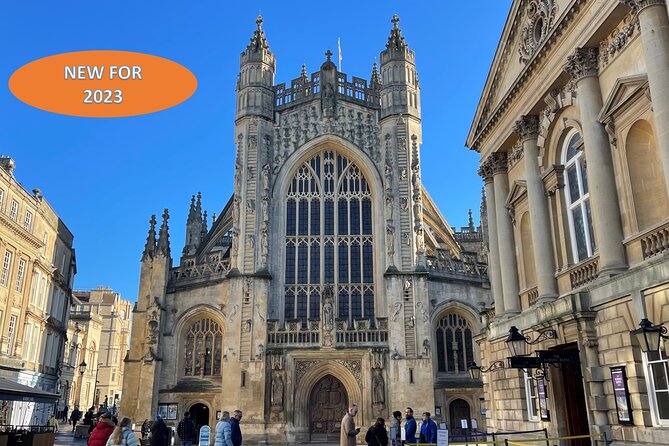
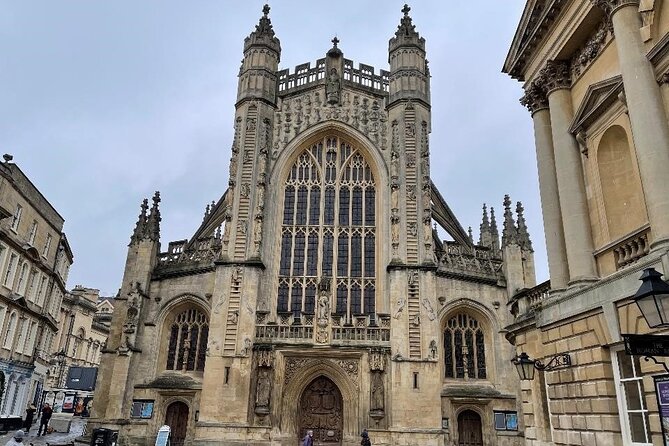
The tour begins in Abbey Churchyard, beside Bath Abbey. This is a useful meeting point because the Abbey sits at the heart of central Bath and is close to the main sights covered later.
The Abbey portion lasts about 30 minutes. That is enough time to focus on the church’s principal features without turning the entire walk into an architectural lecture. Your guide explains what you are seeing and places the building in Bath’s wider story.
This included entry matters. Many city walks stop outside major buildings and leave you to return later, if you have the time. Here, the Abbey is part of the planned route, and the guide helps you notice details you might otherwise miss.
The Abbey is also a good early stop because it gives you a sense of Bath’s religious and civic importance before you move into its Georgian streets. Pay attention to the contrast between the church interior and the formal urban planning outside. The tour’s strength is this movement between individual buildings and the city around them.
Keep in mind that the Abbey can occasionally be closed. On one occasion, part of the cost was refunded when the church could not open. That is a fair response, but it also means you should understand that the Abbey visit depends on access on the day.
Pulteney Bridge and the River Avon
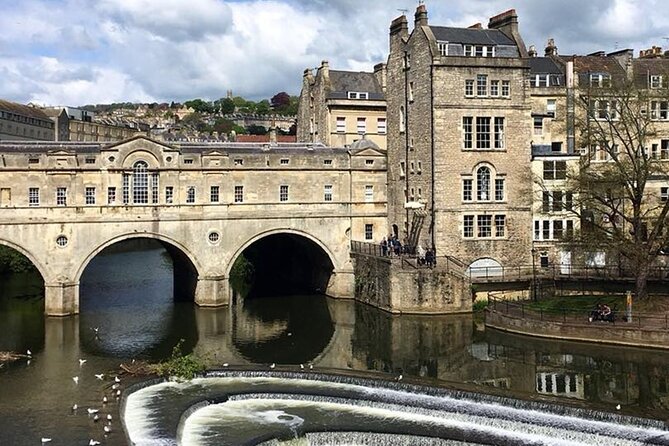
From the Abbey area, the walk reaches Pulteney Bridge. The stop itself is short, about five minutes, but the guide uses it to explain why the bridge matters to Bath.
Pulteney Bridge is not simply a crossing. Its built-in shops give it a distinctive appearance and show how a bridge could serve both transport and commerce. The guide explains its origins and role in Bath, giving you a reason to look beyond the postcard view.
Because the stop is brief, you will not spend long lingering here. That is helpful if you want a broad introduction to Bath, though anyone interested in the bridge’s design may wish to return later for a closer look and photographs.
This is also a good example of the tour’s structure. Several stops last only five or ten minutes. You are getting a guided orientation, not an extended visit to each site. I would use the walk to mark places for a later return.
No. 1 Royal Crescent and the Circus
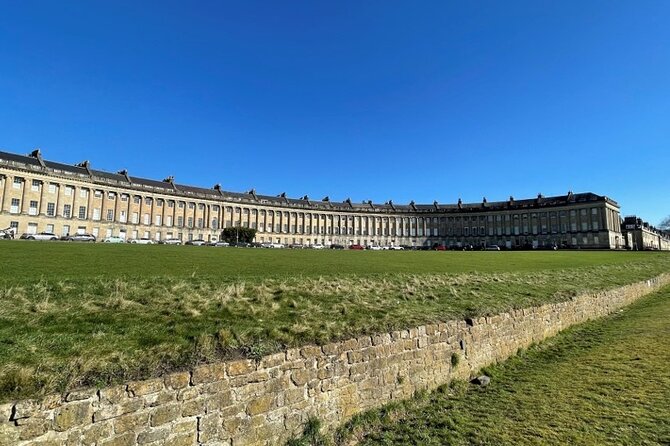
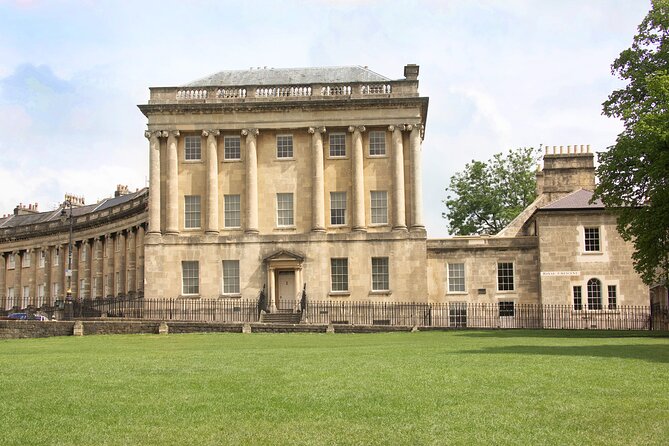
The route then moves toward two of Bath’s most important Georgian spaces: No. 1 Royal Crescent and the Circus. The guide spends about ten minutes at No. 1 Royal Crescent, pointing out the building and the stories that make it more than a handsome curved façade.
Royal Crescent is one of those places that can seem almost too perfect. A guide gives you a way to read it as a piece of planned urban design, not just a row of elegant houses. No. 1 provides a focal point for understanding the people and social world connected with the crescent.
The tour does not include entry to No. 1 Royal Crescent. You see and hear about the building from outside. If you want to enter, that would require a separate decision and admission, but the walking tour still gives you useful context before you do so.
The Circus receives about five minutes. That may sound short, yet the guide can explain the structure’s design and why it is important to Bath. The compact stop keeps the tour moving while giving you the essential idea.
I appreciate the pairing of these two sites. Royal Crescent shows the grand sweep of Georgian planning, while the Circus demonstrates a more contained and formal design. Together, they help you understand why Bath’s architecture is so recognizable.
More Cathedral Tours in Bath:
- Bath: Bath Abbey and Discovery Centre Entry
★ 4.7 · 132 reviews - Bath: Walking Tour of Bath and Guided Tour of Bath Abbey
★ 5.0 · 27 reviews - London: Westminster Abbey Entrance Ticket
★ 4.6 · 11,254 reviews - London: St Paul’s Cathedral Entry Ticket
★ 4.7 · 9,813 reviews
The Cross Bath and the power of hot water
At the Cross Bath, the tour turns back to the natural springs that shaped Bath long before the Georgian period. This stop lasts about five minutes, with attention on the effect of the hot springs on the city’s culture and development.
The important point is that Bath did not become famous only because architects created beautiful streets. The springs gave the city its original purpose and continued to influence its identity through Roman times and into the modern era.
The Cross Bath is especially useful as a reminder that the spa tradition is not just a modern marketing idea. It is tied to the physical source of Bath’s importance. Your guide connects the water to the city’s changing fortunes, from Roman settlement to later spa culture.
Again, this is an outside explanation rather than a long visit inside a bathing facility. You receive the story and can decide later if you want more time at the baths themselves.
What you get from the Roman Baths stop
The Roman Baths are covered for about five minutes, but admission is not included. That distinction matters when you compare the total cost of the tour with the cost of visiting Bath’s major attractions.
You hear about the Roman impact on Bath and on England, but this tour does not replace a full visit to the Roman Baths museum. If the Roman site is a main reason for your visit, set aside additional time and budget for its separate admission.
Still, the short stop has value. A guide can explain why the Roman presence matters before you walk through the museum independently. You will have a basic framework for understanding the spring, temple complex, and later development of the town, rather than entering with no context.
I would treat this walking tour and the Roman Baths as two connected but separate activities. The walk helps you understand Bath as a whole. The museum gives you a closer look at one major period.
The pace, hills, and accessibility
The route is described as wheelchair-friendly, and service animals are welcome. Most people can take part, and the group size is limited to 20. Those are useful practical points, especially if you prefer a guided walk that is not built around a large crowd.
At the same time, wheelchair-friendly does not mean effortless. One person specifically noted the need to walk quickly and manage hills. Bath has sloping streets, and the guide needs to keep the group together as it moves between landmarks.
If you walk slowly, use a mobility aid, or need frequent pauses, contact the operator before booking so you can confirm that the planned pace works for you. The information supplied says most people can participate, but individual needs can vary.
The mobile ticket makes arrival simple. The meeting point is Abbey Churchyard, and the activity ends back there. Since the tour stays in central Bath and is near public transport, it is easy to fit into a day of sightseeing.
Guides who add energy to the walk
The guide can make or break a city walk. Here, the named guides include Victoria, Owen, and Fred, and each is associated with a slightly different strength.
Victoria is described as strong on Bath’s history and good at covering the city’s highlights. Owen brings a mix of facts, humor, and energy. Fred is noted for his friendly manner and broad command of Bath’s story.
That range is useful because you are not simply listening to a recording or following a printed route. You can ask questions as you go, and the guides are expected to explain the city in an entertaining way.
One practical detail is worth noting: if you arrive late because of traffic, the group may already have moved on. Fred’s handling of a late arrival was considerate, with another guide arranged to help the latecomers catch up. Do not rely on this, though. Aim to arrive at Abbey Churchyard before the start time.
Is $57.87 a fair price?
At $57.87 per person, this is more expensive than a basic free walk or a self-guided route. The price makes more sense if you value a professional English-speaking guide, a small group of no more than 20, and included entry to Bath Abbey.
The 30-minute Abbey visit is the clearest added value. You are not paying only for an outside explanation of Bath’s buildings. You also receive guided access to one of the city’s central landmarks.
The cost is less attractive if you mainly want the Roman Baths. That admission is not included, and the Roman stop on this tour is short. You would still need to pay separately for the Roman Baths if you want the full indoor experience.
For a first visit, I think the price is reasonable if you want orientation, context, and a lively guide. If you already know Bath well or prefer to explore at your own speed, the short stops and brisk pace may not justify the cost.
Who should book this two-hour walk?
I would recommend this tour to a first-time visitor who wants to understand Bath quickly. It is especially useful if you have only a day in town and need help choosing which areas deserve a closer look.
It also suits you if architecture, urban planning, religion, Roman Britain, and spa culture all sound appealing. The route touches each subject without asking you to commit to a full-day program.
Families and active adults may like the steady movement and short explanations. You can ask questions instead of simply watching a guide recite facts. The group limit also keeps the experience more personal than a large coach excursion.
I would think twice if you want a slow photography walk, a fully flat route, or an in-depth visit to every attraction. The tour gives you an overview, and its value comes from the connections between places rather than long periods inside each one.
Booking details and cancellation
The tour is offered in English and uses a mobile ticket. Confirmation arrives when you book, and the activity returns to the starting point at Abbey Churchyard.
You can cancel for a full refund up to 24 hours before the scheduled start. Cancellations or changes made within 24 hours are not refunded or accepted. If poor weather causes the operator to cancel, you are offered another date or a full refund.
Because the experience depends on good weather and includes outdoor walking, check the forecast and wear practical shoes. Allow enough time to reach the meeting point, especially if you are arriving by car or public transport.
Should you book the Bath Public Walking Tour?
Book it if you want a lively introduction to Bath with the Abbey included and a guide who can tie Roman, religious, and Georgian stories together. The broad route, small group limit, and named guides such as Victoria, Owen, and Fred give it more substance than a simple landmark checklist.
Skip it if your main goal is a long visit to the Roman Baths, a gentle pace, or independent wandering. For most first-time visitors who can manage hills and keep up with the group, the tour is a practical way to get your bearings and decide where to spend the rest of your time.
FAQ
How long does the Bath walking tour last?
The tour lasts approximately two hours, including the guided visit to Bath Abbey and the outdoor stops around central Bath.
Is entry to Bath Abbey included?
Yes. Entry and a guided 30-minute tour of Bath Abbey are included in the price.
Is admission to the Roman Baths included?
No. The tour includes a short stop and explanation at the Roman Baths, but admission to the attraction is not included.
Where does the tour start and finish?
The tour starts at Abbey Churchyard, Bath BA1, UK, and finishes back at the same meeting point.
Is the tour available in English?
Yes. The experience is offered in English.
How many people can join the tour?
The group can include a maximum of 20 people.
Can I cancel for a full refund?
Yes, if you cancel at least 24 hours before the scheduled start time. Cancellations made less than 24 hours in advance are not refunded. If poor weather causes the operator to cancel, you are offered another date or a full refund.
Just added in Bath
- Bath, Avebury and Lacock Village Small-Group Day Tour from London★ 4.5 · 121 reviews
- Bath Tootbus Hop-on Hop-off Sightseeing Bus Tour★ 4.5 · 247 reviews
- Fun, Flexible Treasure Hunt Around Bath with Cryptic Clues & Hidden Gems★ 5.0 · 208 reviews
- BATH: 2-Hour Bath Walking Tour of Bridgerton Filming Locations★ 5.0 · 99 reviews
- Jane Austen’s Bath And History Trail★ 5.0 · 77 reviews
- Lacock and Castle Combe – Afternoon Private Tour★ 5.0 · 55 reviews
- Exceptional Bath tour guide making your visit splendidly memorable.★ 4.5 · 69 reviews
- Guided relaxation and sound bath★ 5.0 · 172 reviews
Cathedrals & Abbeys, compared.
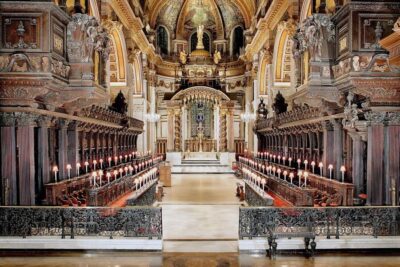
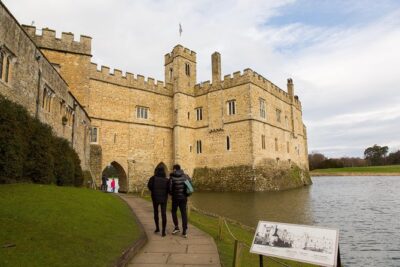
Leeds Castle, Cliffs of Dover and Canterbury Day Trip from London with Guided Cathedral Tour
Read our review →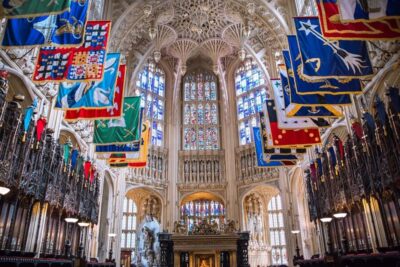
Westminster Abbey, Big Ben & Buckingham Guided Tour
Read our review →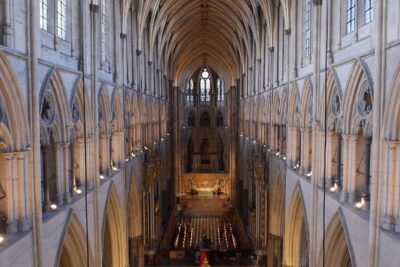
Westminster Guided Walking Tour with Abbey Entry
Read our review →
Walking Tour of London Westminster Abbey, Big Ben, Buckingham
Read our review →
Canterbury Cathedral, Dover Castle, and White Cliffs
Read our review →Browse the lists this tour appears in