
Reviewed · ROMAN BRITAIN TOURS
Bath: City Walking Tour with Optional Roman Baths Entry
Bath’s best sights fit into a compact city center, and this tour makes good use of that fact. In about two hours, you move from Roman hot springs and medieval worship to Georgian ambition, with Bath Abbey, Pulteney Bridge, the Circus, and Royal Crescent all tied into one clear story.
I like the guides’ strong local touch, especially names such as George, Jamie, John, Ewan, and Anna, who are praised for humor, patience, and personal stories. I also like the option to add Roman Baths entry, since it lets you see the museum without paying for it separately. The main consideration is that the guide does not lead the entire Roman Baths visit, so you should allow extra time for its self-guided displays.
Key points at a glance

- Roman engineering beneath modern Bath: See the hot geothermal springs and the objects left by the Romans.
- A useful first look at Bath: Cover the city’s major sights before deciding where to spend more time.
- Georgian architecture in one walk: Visit Royal Crescent and the Circus, two of England’s finest planned spaces.
- A guide-led city story: Local guides such as George, Jamie, John, and Ewan bring history to life with humor and personal detail.
- Optional museum entry: Add admission to the Roman Baths, then explore its exhibits at your own pace.
- Good value at $26: The price is reasonable for a guided city walk, especially if you choose the Roman Baths option.
Why this Bath walking tour works well

Bath is easy to walk around, but easy to misunderstand. The Roman Baths, Bath Abbey, grand Georgian streets, and Pulteney Bridge can feel like separate attractions unless someone explains how the city changed over time.
That is the real value here. You are not simply ticking off buildings. You are following Bath from its Roman settlement and sacred springs to its later role as a fashionable Georgian resort. The tour links the physical sights to the people, politics, and design choices that shaped the city.
The walk lasts 1.5 to 2 hours. That is long enough to get your bearings and see the main sights, but short enough to fit into a day trip from nearby cities or a larger Bath itinerary. You can book a morning or afternoon departure, and an early start is especially useful if you want quieter streets and easier listening.
The tour is in English, and private groups are available. Standard group size can vary, but several recent visits had small groups. That can make a real difference when the guide is explaining architectural details or answering questions in the street.
More Walking Tours in Bath
- Walking Tour of Bath with Blue Badge Tourist Guide
★ 5.0 · 1,877 reviews - Bath: Guided Walking Tour
★ 4.9 · 1,198 reviews - Roman Baths and Bath City Walking Tour
★ 4.5 · 762 reviews
Starting beside Bath Abbey
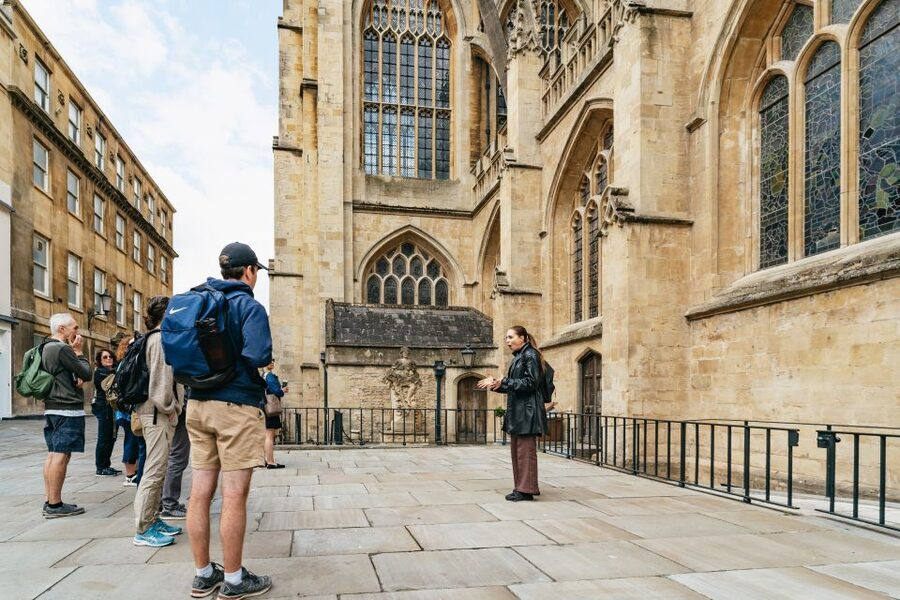
The usual starting point is Bath Abbey in the city center. The meeting point can vary by the option you book, so check your confirmation carefully. One useful detail from the tour experience is that a guide may be understanding if you receive unclear meeting-point information, but it is still better to arrive early.
Bath Abbey is a strong place to begin. Its tall windows, fan vaulting, and vertical Gothic design give you an immediate sense of the city’s importance. The building is often described as one of the finest examples of perpendicular Gothic architecture in England, and the tour includes a donation to the abbey.
The outside is the main focus of the walking portion. If you want a longer look inside, or hope to climb the tower, you should treat that as separate time rather than expecting it within the 1.5 to 2-hour route.
From here, your guide sets up the basic story of Bath. The Roman period explains the springs. The abbey reflects centuries of religious life. The Georgian buildings show how Bath became a place for fashionable society, social rules, and conspicuous spending.
Pulteney Bridge and the River Avon
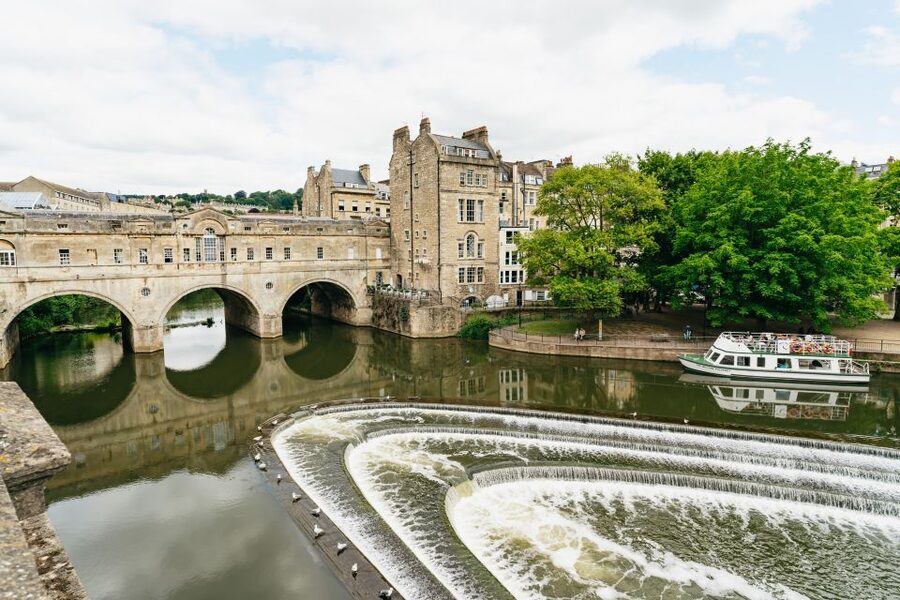
Pulteney Bridge is one of Bath’s most recognizable views. Its Palladian design crosses the River Avon, and its shops built into the bridge give it a distinctive look. The bridge also appeared in Les Misérables, which adds a bit of film interest to an already striking stop.
This is a good place to listen for the difference between a bridge that merely carries people across water and one designed as part of a grand urban scene. The architecture was meant to be admired from several angles, including from the river.
Your guide may also use this area to explain Bath’s growth and its relationship with the river. The view is photogenic, but it can become crowded, particularly later in the day. An early morning walk gives you a better chance of hearing the commentary without competing with as much street noise.
Pulteney Bridge is also a practical stop because it helps you understand Bath’s compact layout. After seeing it, the rest of the route feels less like a collection of isolated monuments and more like a connected city.
The Roman Baths and the hot springs
The Roman Baths are the tour’s major optional extra. If you choose that package, entry is included. The city walk and the museum visit should not be treated as the same experience, though.
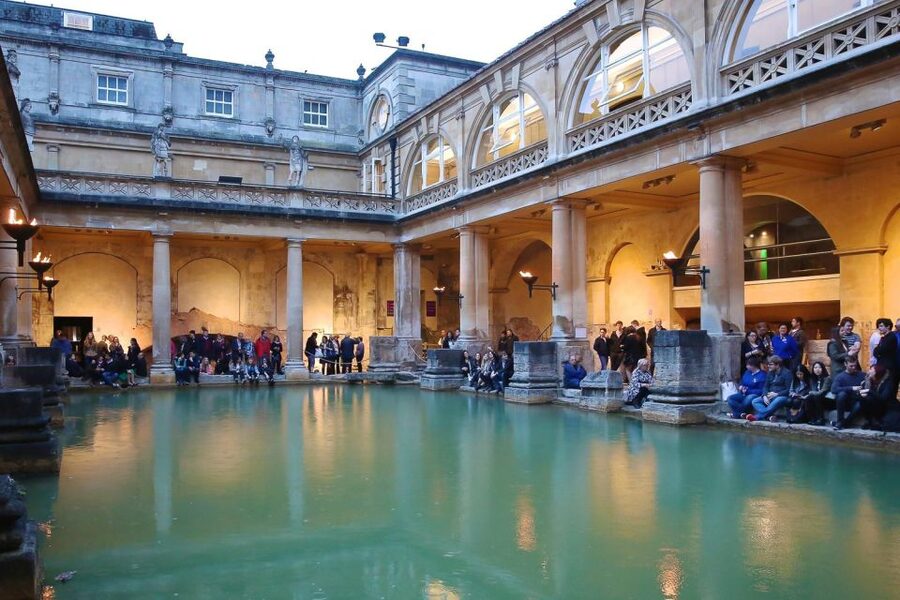
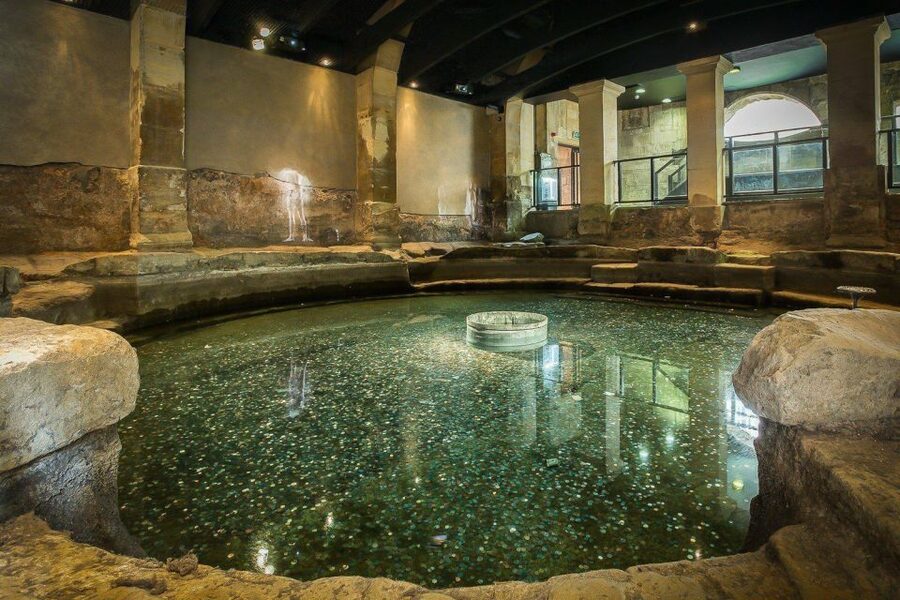
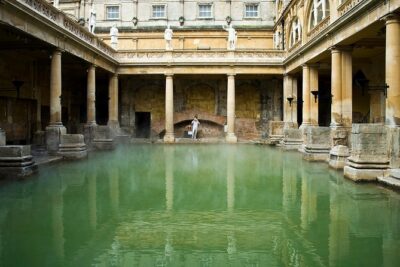
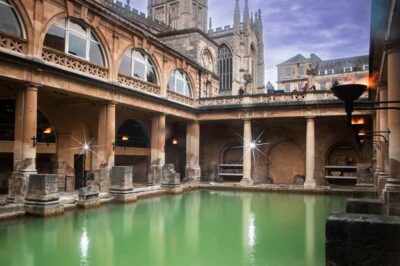
The guide introduces the Roman legacy and explains the importance of Bath’s geothermal springs. Inside, you see the main bathing complex, archaeological remains, and objects connected with Roman life in the area. The hot spring water still gives the site its unusual atmosphere and explains why this location mattered long before the Georgian period.
The museum is self-guided rather than a continuation of the live walking commentary. An audio guide is available inside, and that format lets you stop at displays for as long as you wish. It also means you need to manage your own time.
Allow roughly 1.5 to 2 additional hours if you want to see the Roman Baths properly. One visitor specifically noted that the whole combination can take 3.5 to 4 hours, not just the advertised walking time. That is useful advice if you have a train to catch or a tightly packed day.
Crowding is the main drawback. At busy times, the walkways around the main bath can feel packed, making it harder to pause at the best viewing points. If the Roman Baths are your chief reason for booking, choose a quieter tour time if possible and avoid assuming that the group guide will accompany you through every room.
I would book the Roman Baths option if you have not visited before. The admission adds a lot to the day, and the walking tour gives you useful context before you enter. If you have already seen the baths, the city walk alone still covers plenty.
More Roman and medieval sites within reach of Bath:
- Bath: Roman Baths Entry Ticket with Audio Guide
★ 4.7 · 425 reviews - Bath: Guided City Walking Tour with Entry To The Roman Baths
★ 4.8 · 343 reviews - London: Windsor, Stonehenge, Bath, and Roman Baths Day Trip
★ 4.5 · 5,131 reviews - Guided Celtic Park Stadium Tour
★ 5.0 · 3,136 reviews
Georgian Bath from the Pump Rooms to Royal Crescent
After the Roman story, the tour turns to Bath’s Georgian face. This is where the city’s grand scale becomes especially clear.
The route takes in the Pump Rooms, the Upper Assembly Rooms, the Circus, and Royal Crescent. These buildings were not created as random grand houses. They formed part of a carefully planned social world, where people came to meet, see, and be seen.
The Pump Rooms sit beside the Roman Baths and represent Bath’s later spa culture. The Upper Assembly Rooms point to the formal social life of the 18th century, when balls, music, card games, and strict social customs shaped a visit to Bath.
Much of the appeal here is visual. The route gives you repeated views of Bath stone, tall sash windows, columns, curved façades, and carefully balanced streets. A good guide helps you notice the details that disappear when you simply walk past with a map.
One limitation is that the walking tour does not promise interior access to the major Georgian buildings. You see the exteriors and hear about their purpose, but you may need separate admission or another visit if you want to explore inside. That is worth remembering if interiors matter more to you than street views.
The Circus and Royal Crescent
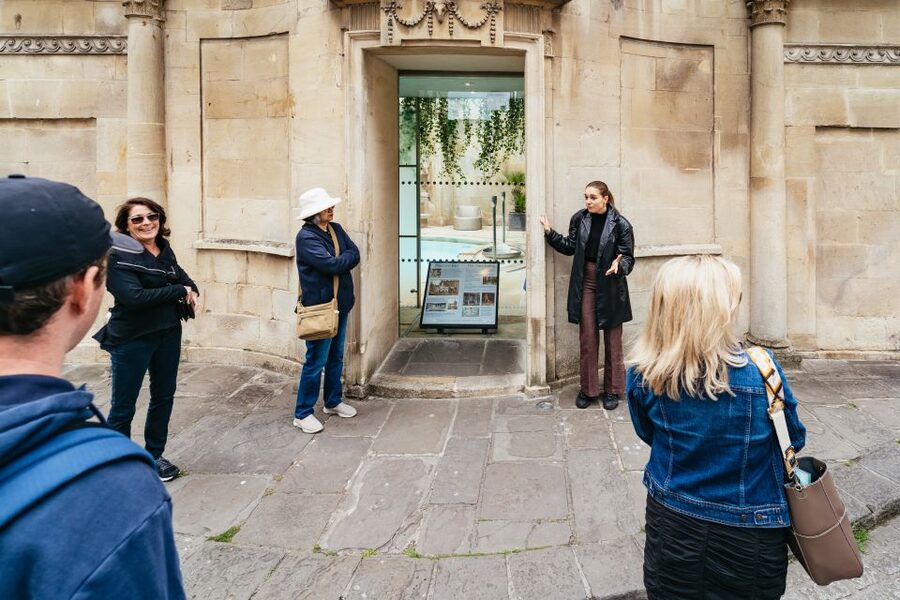
The Circus is one of Bath’s most memorable pieces of urban design. Its curved ring of houses creates a sense of theater, with the repeated façades giving the whole space a measured, almost stage-set quality.
The guide explains why this space matters rather than simply pointing out its shape. The design reflects Georgian taste for order, proportion, and classical references. It also shows how architecture could turn a residential development into a statement of wealth.
Royal Crescent takes that idea and stretches it into one of Bath’s defining views. The 30 Grade-1 listed houses form a broad sweep, often described as England’s greatest example of Georgian architecture. From the front, the crescent looks unified. From the side and rear, you get a better sense of how different the private lives behind the façade could be.
The walk usually includes a small uphill section near the end. It is not described as a difficult hike, but you should wear sensible shoes and be ready for city walking on uneven surfaces. The route covers a lot without feeling rushed, according to the experience of several groups, but it still involves steady movement.
Royal Crescent is the kind of stop where a guide’s delivery matters. George, Jamie, John, Anna, and Ewan are among the guides praised for keeping people involved, answering questions, and adding humor. Some guides speak quickly when excited about the subject, so sit or walk near the front of the group if you want every detail.
What the guides add
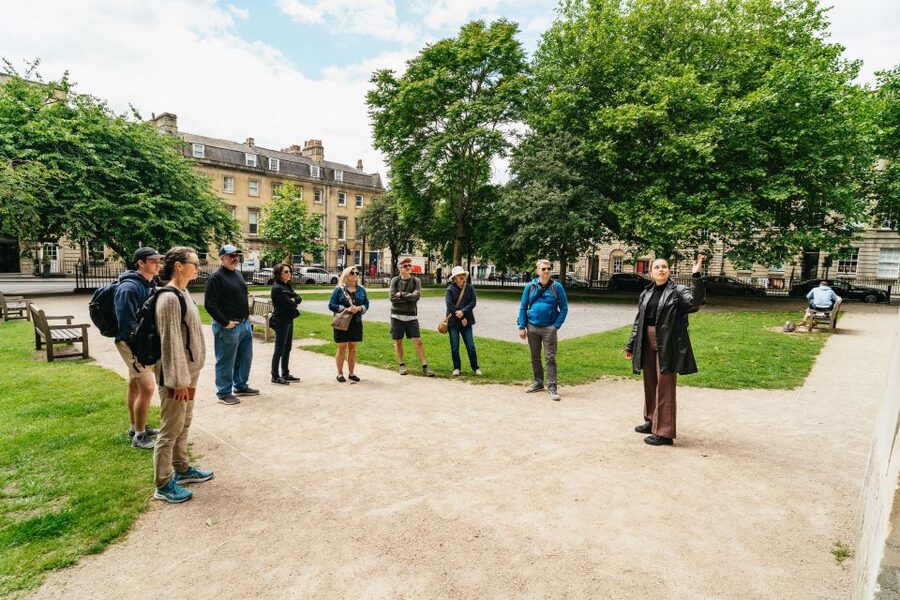
The strongest part of this experience is the human explanation. The city’s history can become a blur of dates, architects, and wealthy residents without a clear storyteller.
The guides are local English-speaking professionals, and the individual style varies. George is often described as warm, funny, and good at connecting Bath’s growth with its Roman and Georgian past. Jamie is praised for energy, friendliness, and involving everyone in questions. John is noted for personal anecdotes and a calm, pleasant delivery. Ewan brings strong local knowledge and keeps the pace comfortable.
That variety matters because you are not booking a guaranteed named guide. You are booking a guide-led experience, with the particular person assigned on the day. The consistent strength is the format: live explanation, questions in the street, and a route designed for first-time visitors.
Small groups can make the experience feel more like a conversation than a formal lecture. That worked especially well for families and mixed groups, including people who already knew Bath and people seeing it for the first time. If you enjoy asking questions, a morning departure may give you more space to do so.
There is no promise of headphones. In a quiet early group, that may not matter. In a larger or noisier group, staying close to the guide becomes important.
Price, timing, and practical value

At $26 per person, the walking tour is fairly priced for Bath. You get a live guide, a planned route, and a donation to Bath Abbey. The Roman Baths entry option improves the value if you would visit the museum anyway.
Think of the price as paying for orientation and interpretation, not just admission. Bath’s central sights are free to view from the street, but the guide saves you from piecing together the city’s story on your own. That is especially useful when your time is limited to one day.
The duration also suits different types of visits:
- For a day trip: Take the walk early, then spend extra time at the Roman Baths and return to the sights you liked best.
- For a longer stay: Use the tour at the start to decide which museums, interiors, and neighborhoods deserve a closer look.
- For families: The short route, stories, and humor help keep the day moving.
- For architecture fans: The Circus and Royal Crescent are the main rewards, with useful design context along the way.
- For history fans: Add the Roman Baths so the city’s Roman and Georgian chapters connect.
The activity is non-refundable, so check your schedule before booking. Morning and afternoon times are offered, subject to availability. If you select the Roman Baths entry, leave enough room afterward for a self-guided visit rather than trying to squeeze it into the advertised walking time.
Who should book this Bath tour?

I would choose this tour if you are visiting Bath for the first time, have only one day, or prefer a human guide to an audio app. It is also a good match for families and mixed-age groups because the route covers major sights without requiring a full-day commitment.
It suits you less if you want a specialist architectural lecture, a long interior visit, or a fully guided Roman Baths experience. The Roman museum is self-guided, and the city walk focuses mainly on exteriors and public spaces.
The best plan is to book the morning option if available. You can see Bath before the busiest part of the day, hear the guide more easily, and still have time for the Roman Baths, lunch, and any additional sights.
Should you book it?
Yes, if you want a clear and entertaining introduction to Bath. The combination of Abbey, Pulteney Bridge, Roman remains, the Circus, and Royal Crescent gives you the city’s essential shape in a short time.
Choose the Roman Baths option unless you have already visited them. Just treat the entry as a separate self-guided museum visit and budget extra time. For $26, the tour offers strong value, especially when your guide is one of the engaging local storytellers who make Bath’s stones, springs, and grand façades easier to understand.
FAQ
How long does the Bath walking tour last?
The walking tour lasts about 1.5 to 2 hours. If you add Roman Baths entry, allow extra time for the self-guided museum visit.
Is entry to the Roman Baths included?
Roman Baths entry is included only when you select that option. The walking tour itself does not automatically include museum admission.
Does the guide lead the tour inside the Roman Baths?
No. The Roman Baths visit is self-guided, with an audio guide available inside. The live guide leads the city walking portion.
What language is the tour in?
The live tour guide speaks English, and the activity is listed as English-language only.
Where does the tour begin?
The tour generally begins at Bath Abbey in the city center, but the exact meeting point can vary depending on the option booked. Check your booking details before setting out.
Is a private group available?
Yes. A private group option is available, alongside the standard guided experience.
Just added in Bath
- Bath: Walking Tour of Bath and Guided Tour of Bath Abbey★ 5.0 · 27 reviews
- Bath: The Bad of Bath Walking Tour★ 5.0 · 202 reviews
- Bath: Guided Relaxation and Sound Bath★ 4.8 · 108 reviews
- Bath: Guided Tour of Iconic Bridgerton Filming Locations★ 4.6 · 137 reviews
- Discover Bath and Bridgerton with Music★ 4.6 · 64 reviews
- Bath: Mary Shelley’s House of Frankenstein Entrance Ticket★ 4.5 · 126 reviews
- Bath: Bath Abbey and Discovery Centre Entry★ 4.7 · 132 reviews
- Afternoon Tea at The Regency Tea Room★ 4.4 · 136 reviews
Roman Britain Tours, compared.
Windsor, Stonehenge, Bath, and Roman Baths Day Trip
Read our review →
Stonehenge and Bath Day Trip from London with Optional Roman Baths Visit
Read our review →
Fascinating Walking Tours Of Roman Chester With An Authentic Roman Soldier
Read our review →
Browse the lists this tour appears in