
Reviewed · WALKING TOURS
Liverpool: A Walk Through Time: Full History Walking Tour
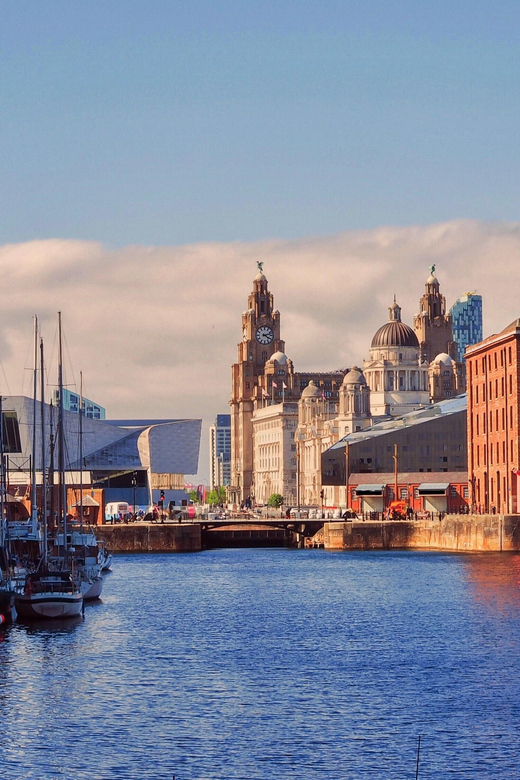
Liverpool’s story is much bigger than The Beatles. This two-hour walking tour links medieval Liverpool, maritime trade, empire, railways, architecture, and modern redevelopment into one readable route. Starting at the Royal Liver Building, you move through the waterfront and old commercial center before finishing on Castle Street.
I like the way the tour puts Liverpool’s landmarks into a clear timeline, and I like the guides’ academic grounding, especially John, who has a PhD in imperial and maritime history. The main drawback is pace: there is a lot to absorb in two hours, and most stops are viewed from outside rather than explored inside.
Key points at a glance
- A full city story in two hours: Follow Liverpool from its 1207 beginnings to its role as a major port and the city it is today.
- Strong academic background: John’s expertise in imperial and maritime history adds depth, while Dave has also received praise for clear storytelling.
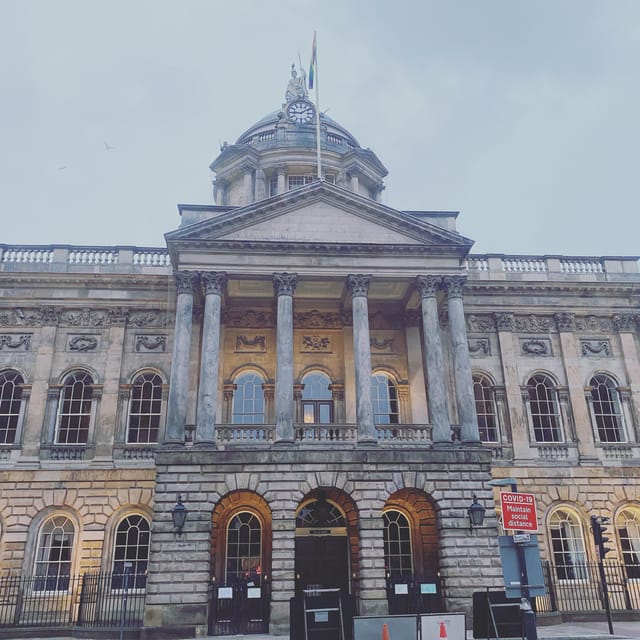
- Architecture gets proper attention: Look up at details on the Three Graces, the Town Hall, Castle Street, and older commercial buildings.
- A useful first-day orientation: The route covers the waterfront, Royal Albert Dock, Liverpool ONE, the old dock, and the old town.
- Questions are welcome: The tour is built around explanation and interaction rather than a one-way speech.
- Good value at $22: You receive two hours with a live English-speaking guide and a broad introduction to Liverpool’s past.
Liverpool’s story starts at the Royal Liver Building
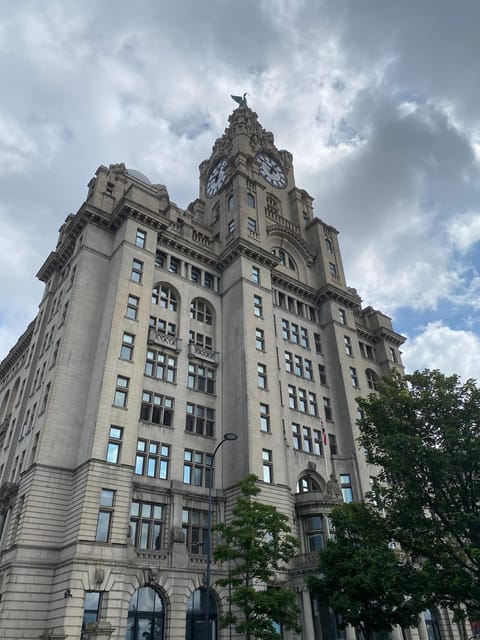
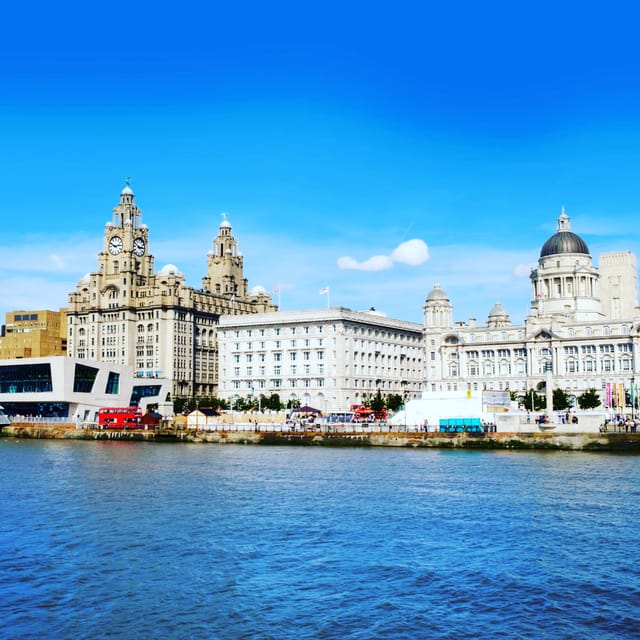
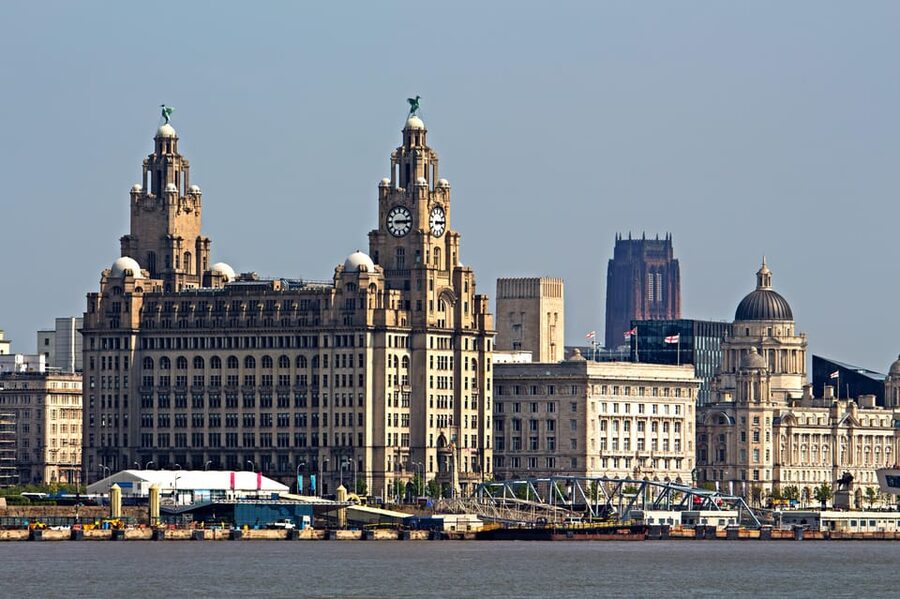
Meet outside the Royal Liver Building, at the entrance facing the river by the black gate. This is an easy place to find, but allow enough time to identify the correct entrance. The building sits on the waterfront among Liverpool’s famous Three Graces, so you begin in one of the city’s most recognisable settings.
The opening section sets up the central idea of the tour: Liverpool did not become an important city by accident. Its position beside the Mersey helped it grow from a small medieval settlement into a port with links across Britain and the wider world.
The Royal Liver Building is a fitting first stop because it represents the confidence of Liverpool’s commercial age. Your guide explains its place in the city’s development, then uses the waterfront as a visual map of changing trade, industry, transport, and civic ambition.
This is not a tour that treats buildings as isolated photo stops. You are encouraged to connect architecture with the forces that made Liverpool wealthy and important. Pay attention to how the guide relates the city’s buildings to its port, its merchants, and its role in international commerce.
More Walking Tours in Liverpool
- A Walk Through Time: History of Liverpool Walking Tour
★ 5.0 · 911 reviews - Liverpool Ghost Walking Tour
★ 5.0 · 862 reviews - Beatles Famous Walking Tour Of Liverpool- Fully Guided
★ 5.0 · 751 reviews
The waterfront explains Liverpool’s rise
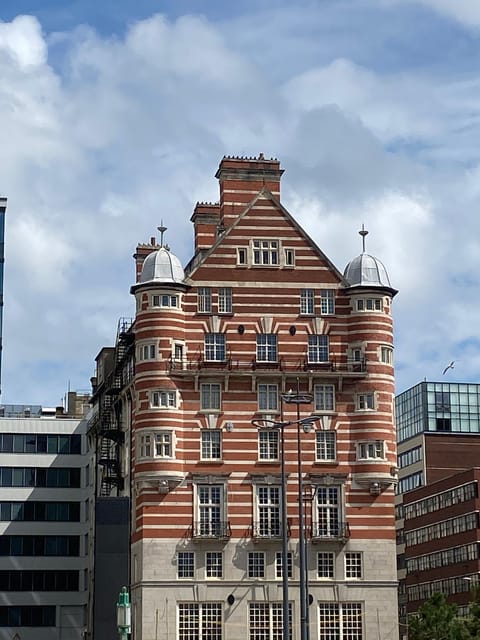
From the Royal Liver Building, the route follows the waterfront. The river is more than scenery here. It helps explain why Liverpool grew so quickly and why the city became one of the most important ports in the British Empire.
You will hear about the development of Liverpool from a medieval trading town into what was once described as the second city of the British Empire. The scale of that change is the tour’s main theme, and the waterfront gives the story a physical setting.
This section is especially useful if you know Liverpool mainly through music or football. The tour places those modern associations in a much longer story of commerce, migration, shipping, technology, and civic growth.
The guide’s delivery matters here. John is frequently praised for projecting his voice clearly, keeping the group involved, and answering questions in detail. His style is not simply a list of dates. He connects events and explains why one change led to another, which makes the chronology easier to follow.
Liverpool Parish Church and the older city
The route continues to Liverpool Parish Church, also known as Our Lady and Saint Nicholas, and its gardens. This stop helps shift your attention away from the grand waterfront and toward the older city that came before the docks and office buildings.
The church and gardens offer a chance to consider Liverpool’s early civic and religious life. Your guide places the area within the wider story of the town’s beginnings, helping you see the city as a place that developed in stages rather than appearing fully formed beside the river.
You also pass Old Hall Chambers. Here, the emphasis turns to the surviving signs of Liverpool’s commercial past. Look closely at the façades and upper levels of buildings. One of the tour’s useful habits is encouraging you to notice architectural details that are easy to miss when you are focused on street level.
This part of the walk may appeal most to anyone who enjoys urban history. It does not rely on a single grand attraction. Instead, it teaches you how to read the city’s built fabric and spot clues to earlier periods.
Town Hall, Chapel Street, and the changing commercial center
The itinerary takes you through Chapel Street and toward Liverpool Town Hall. This stretch shows how the civic center expanded as trade brought wealth and influence to the city.
The Town Hall gives the guide another chance to explain the relationship between business and public life. Liverpool’s commercial success shaped its institutions, buildings, and ambitions. You can expect the story to move between local events and wider British history, rather than treating the city as a separate world.
Chapel Street is also useful for understanding how the old town connected with the river and the growing port. The route is not only about famous landmarks. It uses ordinary streets to show how Liverpool’s center developed around trade and administration.
The guide also points out links with rail history and technological change. These connections help explain how Liverpool’s influence reached beyond the waterfront and shaped the wider north of England. If you like history presented through cause and effect, this is one of the strongest parts of the walk.
More history walks in Liverpool:
- Best Of Liverpool Heritage, History & Culture Guided Walking Tour
★ 5.0 · 539 reviews - History Guided Tour of Liverpool and the Beatles
★ 5.0 · 408 reviews - Liverpool: Haunted History Guided City Tour
★ 4.9 · 404 reviews - Liverpool Hidden History and Dead House Evening Walking Tour
★ 5.0 · 200 reviews
Castle Street and the Queen Victoria Monument
Castle Street is one of the route’s longer sections, with time to discuss its buildings, civic role, and place in Liverpool’s commercial life. The street connects the old town with the waterfront and gives you a good sense of the city’s formal nineteenth-century character.
You also see the Queen Victoria Monument. It is a useful landmark for discussing the period when Liverpool was deeply tied to the power and wealth of the British Empire. The guide does not just give you a date and move on. Expect wider context about the people, trade, and political forces behind the city’s growth.
Castle Street is also the finishing point. That makes the route practical if you want to continue into the central shopping and restaurant areas after the tour. It is not a circular walk back to the starting gate, so plan your next stop from Castle Street rather than assuming you will finish beside the river.
The route is wheelchair accessible, but a walking tour still means spending two hours moving between outdoor sites. If you have limited stamina, check the pace and conditions before booking. The guide has been praised for adjusting the pace to suit the group, but weather and street conditions can still affect comfort.
Liverpool ONE and the old dock
The walk includes Liverpool ONE, the modern retail and leisure district, and the Old Dock. This pairing makes a useful contrast.
Liverpool ONE represents a newer phase of city planning and regeneration. The Old Dock points back to the infrastructure that helped Liverpool handle growing maritime trade. Together, they show how the center has changed from working port to modern urban district.
The Old Dock is particularly important because it connects the modern street plan with Liverpool’s early dock system. You get a clearer sense of how the city’s growth depended on managing ships, goods, warehouses, and access to the river.
This is one reason the tour works well as an introduction. You are not left with a collection of disconnected dates. The route moves between medieval origins, commercial expansion, civic architecture, industrial change, and modern redevelopment.
Liverpool ONE may be less visually historic than the waterfront buildings, but its inclusion keeps the story current. Liverpool’s history did not stop when its commercial role changed. The city continues to adapt its center for new uses.
Royal Albert Dock and the final waterfront view
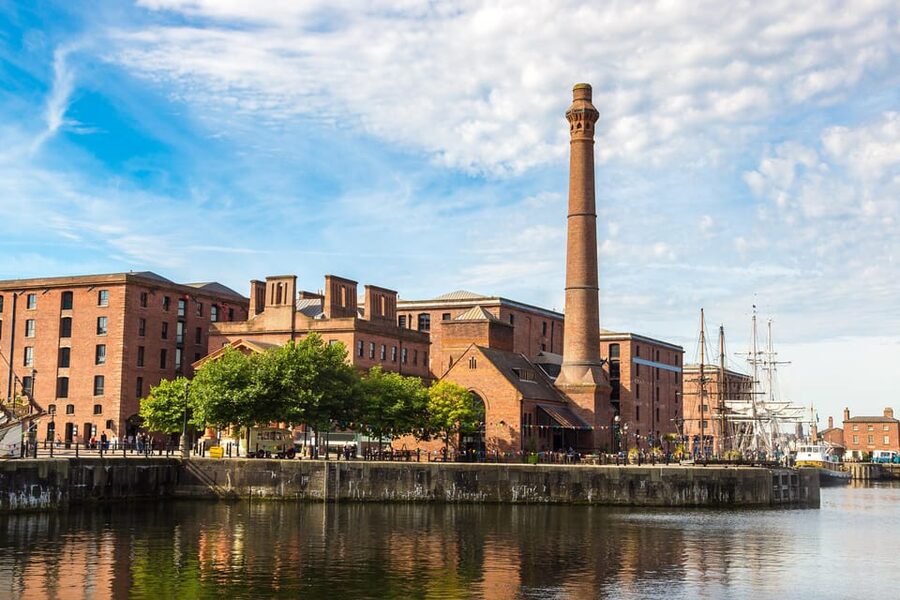
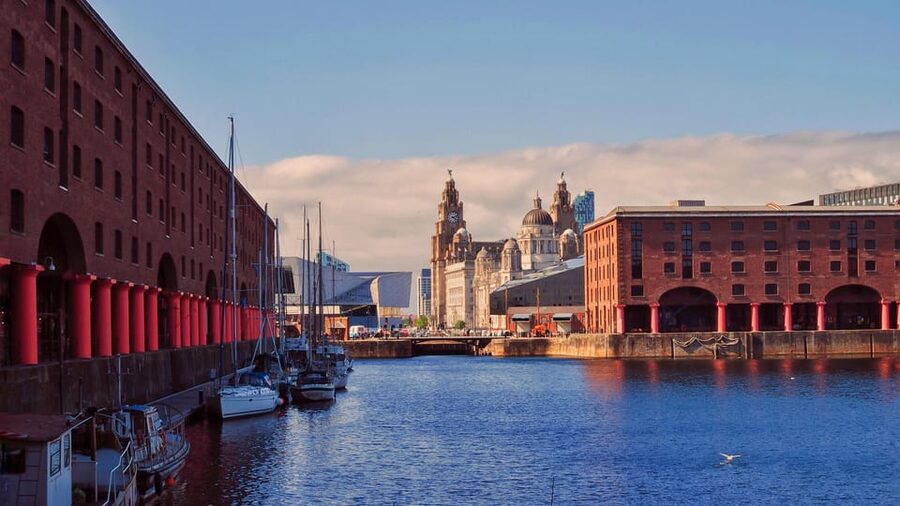
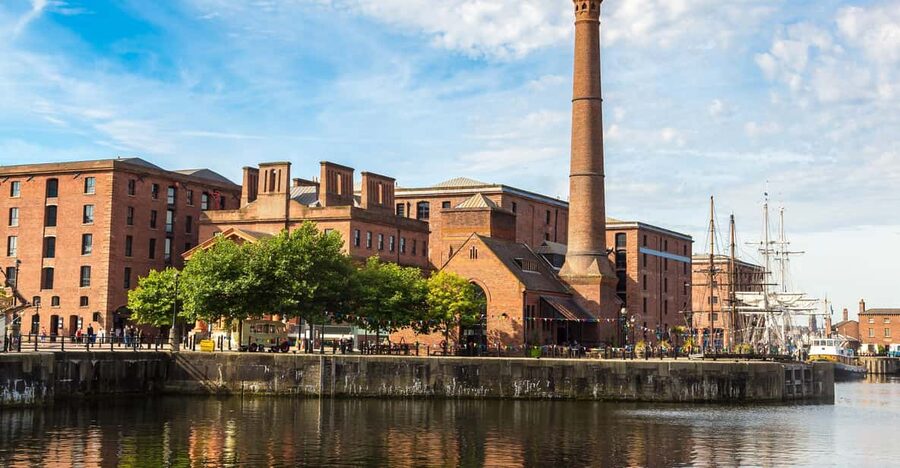
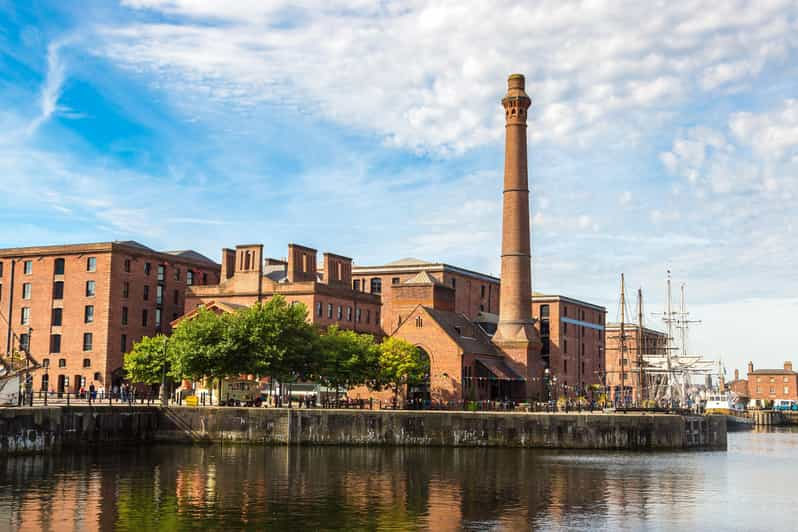
The route reaches Royal Albert Dock Liverpool before returning toward the waterfront area. The dock is one of the city’s most important historic spaces and one of its most photogenic.
Here, the guide can explain how the docks fit into Liverpool’s maritime system and how their role changed over time. The warehouses and open water make the scale of the old port easier to understand than a map alone could do.
This is also a good place to pause and compare different periods of Liverpool’s history. The waterfront includes grand commercial buildings, dock structures, public spaces, and modern attractions. Your guide uses those layers to show how the city’s identity has shifted without losing its connection to the Mersey.
The dock section is likely to appeal to first-time visitors who want a strong sense of place. It also works for people who already know the waterfront but want the historical links explained. Just remember that the tour is mainly an outdoor walking experience, not a museum visit. You should not expect extended interior access to the buildings along the way.
What the guides add to the experience
The guide is the key variable on any history walk, and this experience has a particularly strong academic focus. John is associated with a PhD in imperial and maritime history, and his approach links Liverpool’s local story with national and global events.
That background is valuable because Liverpool’s history can quickly become crowded with names, dates, and claims. A good guide has to explain the connections. John’s style, based on the information available, is clear, patient, and open to questions. He also gives practical suggestions for places to visit and eat after the walk.
Dave has also led the tour and has been praised for academic credentials and storytelling. The exact guide may vary, but you can expect an English-language tour led by a local historian rather than an audio recording or a basic sightseeing escort.
The strongest feature is the willingness to explain. If you are curious about why Liverpool mattered to the north of England, how the port shaped the city, or how local events fit into world history, ask. The experience is best when you take part rather than simply follow behind the guide.
How much does $22 buy you?
At $22 per person, this is a fair price for a two-hour guided introduction to Liverpool. You are paying for a live guide, a carefully connected route, and access to a broad story that would take considerable time to piece together from plaques and guidebooks.
The value is strongest if this is your first day in Liverpool. The walk gives you a working map of the center, identifies places worth revisiting, and helps you decide which museums, docks, streets, or buildings deserve more of your time.
It is less useful if you want a specialist tour of one narrow subject. The route covers a large time span, from 1207 to the present, so individual periods cannot receive the attention they would get on a full-day academic walk.
The booking terms also reduce the risk. You can cancel up to 24 hours before the start for a full refund, and the reserve-now, pay-later option keeps your plans flexible. Check the available starting times when booking because the tour lasts two hours and begins at the Royal Liver Building.
Who should book this Liverpool walking tour?
I would choose this tour for a first visit, a short city break, or a day when you want to understand Liverpool before exploring on your own. It suits adults, families with older children, and teenagers who respond better to stories and connections than to a long museum display.
It is also a good fit for history fans interested in maritime trade, empire, urban development, architecture, or the industrial north of England. The tour gives special attention to the forces that made Liverpool important, not just to its most famous cultural exports.
You may want something else if you dislike walking, need extensive indoor stops, or prefer a slow look at a small number of buildings. Two hours is enough for a strong overview, but not enough to enter and study every landmark.
Wear comfortable shoes and arrive at the river-facing black gate of the Royal Liver Building with a little time to spare. Since the tour finishes on Castle Street, you can easily continue into the central shopping and dining area afterward. One useful tip from the guide’s recommendations is to try scouse after the walk, especially if you want to connect the history lesson with a local dish.
Should you book it?
Yes, if you want Liverpool to make sense quickly. The route covers the waterfront, old town, docks, civic center, and modern core, while the guide explains how they fit together.
The best reason to book is the quality of the historical framing. You get far more than a list of landmarks, with particular value from the maritime and imperial context. The main limit is the amount of ground covered in only two hours, so treat it as a strong orientation rather than the final word on Liverpool.
For $22, it is a sensible first-day choice, especially if you want to look beyond The Beatles and understand the city that built its fortunes around the Mersey.
FAQ
Where does the Liverpool history walking tour begin?
The tour begins outside the entrance of the Royal Liver Building, at the black gate facing the river.
Where does the tour finish?
The tour finishes on Castle Street.
How long does the walking tour last?
The tour lasts two hours.
What language is the tour conducted in?
The live tour is conducted in English.
Who leads the tour?
Guides include John and Dave. John has a PhD in imperial and maritime history, and both guides are described as academically trained and experienced in Liverpool’s history.
What places are included on the route?
The route includes the Royal Liver Building, Liverpool’s waterfront, Royal Albert Dock, Liverpool ONE, the Old Dock, Liverpool Parish Church and gardens, Chapel Street, Castle Street, the Town Hall area, and the Queen Victoria Monument.
Is the tour wheelchair accessible?
Yes, the activity is listed as wheelchair accessible.
Can I cancel the booking?
Yes. You can cancel up to 24 hours in advance for a full refund. You can also reserve now and pay later.
Just added in Liverpool
- Private Beatles Taxi Tour of London★ 5.0 · 53 reviews
- London Beatles Walks and Tours★ 4.5 · 65 reviews
- London Beatles Tour★ 5.0 · 50 reviews
- Beatles Magical Mystery Tour★ 5.0 · 69 reviews
- Liverpool and The Beatles Day Tour from London★ 4.5 · 303 reviews
- Beatles Evening Tour of Central London★ 4.5 · 119 reviews
- Beatles Ticket To Ride Half Day Tour Small Groups★ 5.0 · 60 reviews
- Fun, Flexible Treasure Hunt Around Liverpool with Cryptic Clues & Hidden Gems★ 5.0 · 141 reviews
Walking Tours, compared.
Underground Vaults Walking Tour in Edinburgh Old Town
Read our review →
Oxford University Walking Tour With University Alumni Guide
Read our review →
Edinburgh Castle: Guided Walking Tour with Entry Ticket
Read our review →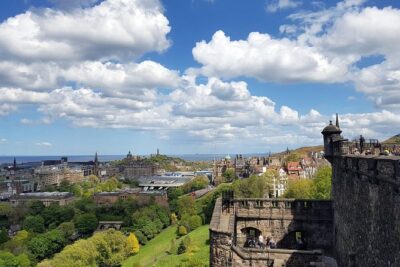
Edinburgh Castle Guided Walking Tour in English
Read our review →
Tour for Muggles The Ultimate Harry Potter Walking Tour in London
Read our review →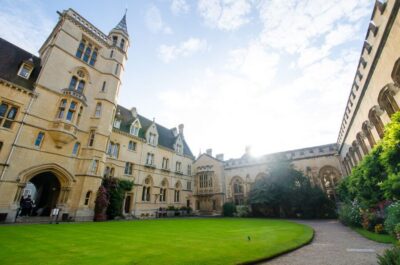
University and City Walking Tour with Alumni Guide
Read our review →
Edinburgh Darkside Walking Tour: Mysteries, Murder and Legends
Read our review →
Browse the lists this tour appears in