
Reviewed · WALKING TOURS
Discovering Birmingham 2 hour Walking Tour to the Jewellery Quarter
Birmingham’s best surprise may be the route into the Jewellery Quarter: a little-used canal passage that takes you away from the main roads and into the city’s working past. I like that this is not just a roll call of grand buildings. You get backstreets, alleys, squares, changing streetscapes, and a look at how old businesses fit into modern Birmingham. I also like the audio receiver, which matters when a group spreads out.
The guides give this walk a personal edge. Jonathan Berg is known for witty stories, historical objects, and an occasional prop-filled bag he calls a museum on the streets. Bernard, Ann, and Maria have also led the tour. The main drawback is pace: two hours covers a lot, so the cathedral visits are brief, and you need moderate fitness for steady walking in possibly wet weather.
Key points at a glance
- A secret canal approach: Enter the Jewellery Quarter by a route many locals have never used.
- A city tour with real objects: Jonathan Berg may bring maps, artifacts, and props to make the past easier to picture.
- More than old buildings: See Birmingham’s Georgian, Victorian, post-war, and modern sides in one compact walk.
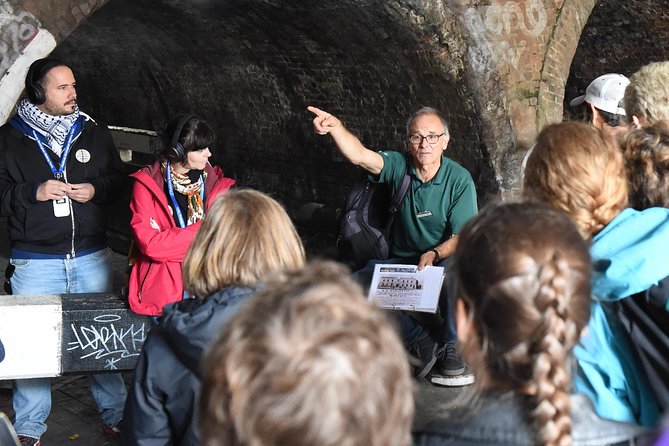
- A clear audio setup: The loaned receiver helps you follow the guide even when the group stretches out.
- A useful first-day orientation: The circular route begins and ends beside the Library of Birmingham.
- Strong value at $20.80: For two hours with a local guide, this is an affordable way to get context before exploring alone.
Starting in Centenary Square at 1:30 pm
Meet at the Library of Birmingham in Centenary Square. This is a sensible starting point because you can reach it by public transport, and the square gives the guide room to gather the group and set the scene.
The first 20 minutes use the square and its surroundings to explain Birmingham. That may sound like a simple opening, but it is useful. Instead of beginning with a single church or monument, you start with the city as a whole and learn how to read the things around you.
I like this kind of introduction because it helps you notice change. Birmingham is not a city preserved in one period. Its central streets show old institutions beside post-war planning and new construction. The opening talk gives you a framework for the rest of the walk.
The group can reach 40 people, so do not expect a private stroll. The receiver helps solve the main problem with a larger group: losing the guide’s voice while looking at a building or crossing a square. You still need to stay near the group, but you should not have to strain to hear every explanation.
More Walking Tours in Birmingham
- Birmingham Walking Tour: Canals, Victorians & Today (1:30pm)
★ 5.0 · 346 reviews - Birmingham Slogging Gangs Walking Tour with Edward Shelby
★ 4.5 · 306 reviews - Birmingham City Centre Daily Walking Tour (10:30am & 2pm)
★ 5.0 · 265 reviews
Taking the canal route into the Jewellery Quarter
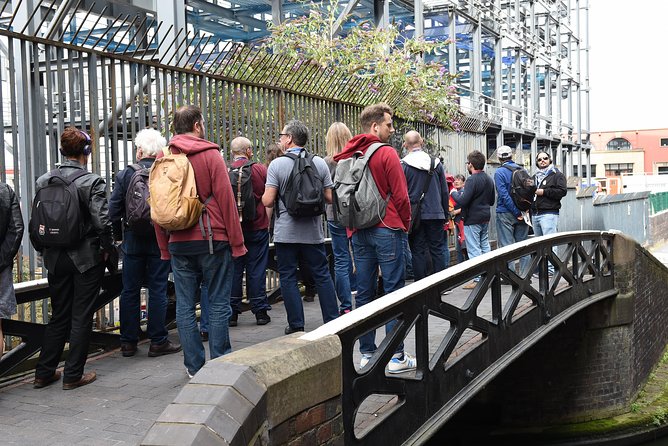
The route then heads toward the Jewellery Quarter by a canal entrance described as a secret route, one that even some Birmingham residents do not use. This is likely to be one of the most memorable parts of the experience because you are not simply walking along the most obvious city streets.
The canal route also makes a point about Birmingham’s development. Waterways helped support industry and trade, and the Jewellery Quarter grew through many kinds of business from Georgian times onward. The guide explains how the area changed, rather than presenting it as a frozen historic district.
You will hear about the different businesses that shaped the Quarter and see how the area is now being fitted into the modern city. That combination is important. The Jewellery Quarter is not only about old workshops or attractive brick buildings. It is also part of Birmingham’s current urban life, with new uses and new construction appearing beside older structures.
The route through canals and backstreets gives you a better feel for scale than a coach tour can provide. You can pause near a building, look up at details, and cross spaces that vehicles cannot reach. The tradeoff is that walking routes can be uneven or exposed to the weather, so sensible shoes and a waterproof layer are wise.
A Georgian church and the Jewellery Quarter’s changing identity
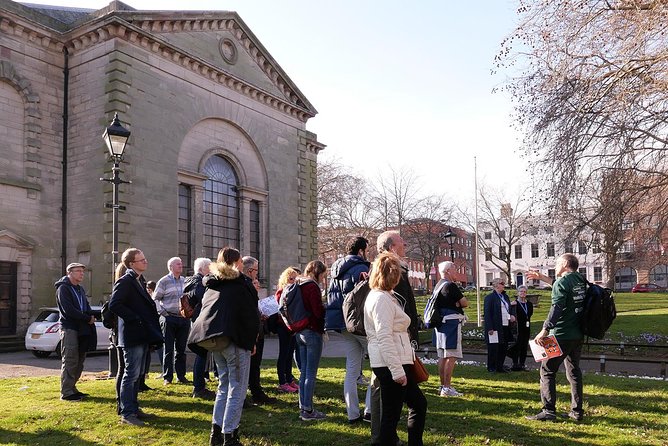
At the Jewellery Quarter, you view the outside of a church dating from 1779. It is a fine example of Georgian architecture and gives the guide a chance to explain the period when the Quarter was developing.
The visit is exterior-only, so do not book this expecting a long interior tour. That is not a serious flaw on a two-hour route, but it is worth knowing. The value is in the setting and the explanation: the church becomes part of the wider story of workers, businesses, neighborhoods, and the growth of Birmingham.
This is also where the tour’s local focus pays off. A guide such as Jonathan Berg can connect a plain-looking street or familiar building with a story you might otherwise miss. His use of historical objects and props adds another layer. A map or old artifact can make an explanation about urban change much easier to grasp than a string of dates.
One useful feature of the walk is that it does not treat the past as separate from the present. You see how the Jewellery Quarter is taking its place in today’s city, with older buildings and modern projects sharing the same area. If you live in Birmingham, this can be especially worthwhile because the route may send you across a bridge or along a canal path you have passed without using.
Birmingham Cathedral and a glimpse of Burne-Jones glass

The walk continues to Birmingham Cathedral, also known as St Philip’s. You spend about five minutes looking at this English Baroque building, with the possibility of going inside when time allows and no conflicting event is taking place.
The interior possibility is not guaranteed, so treat it as a bonus rather than a central part of the booking. If you do enter, the Edward Burne-Jones stained glass is the main reason to look inside. The timing may feel short, but the stop works as a focused introduction rather than a full cathedral visit.
This is one reason I would take the tour early in a Birmingham stay. You get enough background to decide which places deserve a longer return visit. The walk is not trying to replace a museum afternoon or a detailed church tour. It gives you a map of the city’s cultural markers and helps you choose what to explore later.
The brief cathedral stop also shows the tour’s basic rhythm: listen, look, move on. That keeps the experience within two hours, but it means you should not expect long periods for photography or quiet inspection at every stop.
Same trip, a completely different kind of day:
- Entry ticket to Hoo Zoo and Dinosaur World in Telford
★ 5.0 · 591 reviews - Cadbury World Entry Ticket
★ 3.0 · 524 reviews - Birmingham: Cadbury World Entry Ticket
★ 4.4 · 230 reviews - SEA LIFE Birmingham Admission Ticket
★ 3.0 · 218 reviews
St Chad’s and the problem of post-war planning
The route then views St Chad’s from the inner ring road. This is a less comfortable but valuable part of the walk. Instead of only admiring beautiful buildings, you look at what happened when the car shaped redevelopment.
The guide uses the setting to raise questions about post-war planning and whether Birmingham’s rebuilding was properly thought through. You are encouraged to decide for yourself if the city’s redevelopment was planned well. That open approach is a strength. You are given a way to think about the streets around you rather than a single neat verdict.
This stop adds balance to the experience. Birmingham is often presented through its canals, public buildings, and new projects, but the city also has awkward roads, large traffic routes, and areas shaped by decisions made decades ago. Seeing those contrasts in sequence makes the urban story easier to understand.
For some people, this will be the least scenic part of the walk. It is not meant to be a postcard stop. It is a short lesson in how transport priorities can affect the feel of a city for generations.
Victoria Square and the walk back through the center
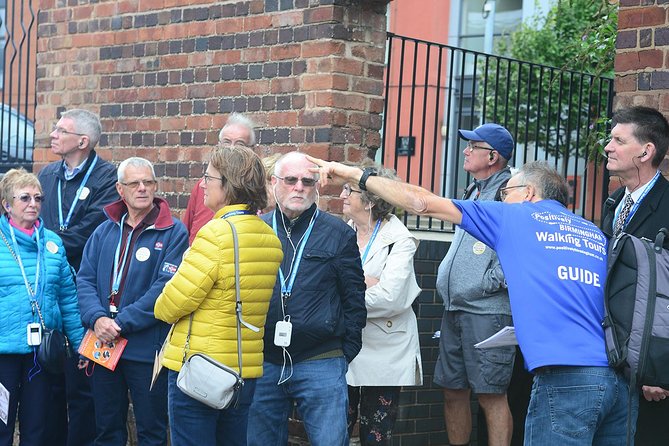
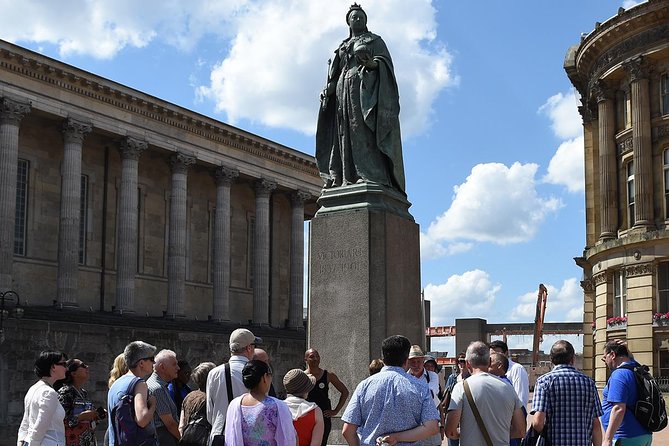
After St Chad’s and the cathedral area, you return toward the Library of Birmingham through several important city squares. Victoria Square receives about 10 minutes, giving you time to see the space and connect it with the wider city center.
The square works as a meeting point between Birmingham’s civic past and its present-day public life. By this stage, you have seen industrial routes, religious buildings, traffic planning, and the city’s newer public spaces. Victoria Square helps pull those threads together.
I like that the route returns to the center rather than ending in a distant neighborhood. You finish where you started, which makes the tour easier to fit into a day of sightseeing. You can continue nearby afterward, return to your accommodation, or use the Library of Birmingham as a reference point for the rest of your visit.
The guide’s storytelling style is another reason this section can work well. Jonathan Berg is described as witty and interactive, and he sometimes uses physical objects to keep the group involved. Ann and Maria have also led the walk, so the exact tone may vary, but the format remains focused on explanation, humor, and city detail.
Chamberlain Square and Birmingham’s next chapter
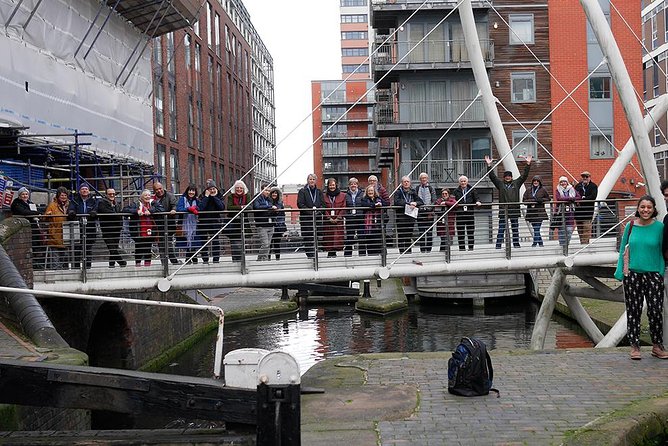
The final named stop is Chamberlain Square, where you see a renovated public space and learn how Birmingham is being reshaped for the future. This is a short stop of about five minutes, but it gives the tour a forward-looking finish.
Many city walks end by looking backward. This one makes room for current redevelopment and asks you to notice how the center is being reconfigured. That matters because Birmingham is not a museum city. Its streets keep changing, and a good walking tour should help you understand both the surviving past and the new work around it.
You then finish back at the meeting point near the Library of Birmingham. Since the total duration is about two hours, the route fits well before dinner or alongside another afternoon plan. The 1:30 pm start also leaves your morning free for a museum, market, or independent walk.
What $20.80 buys you
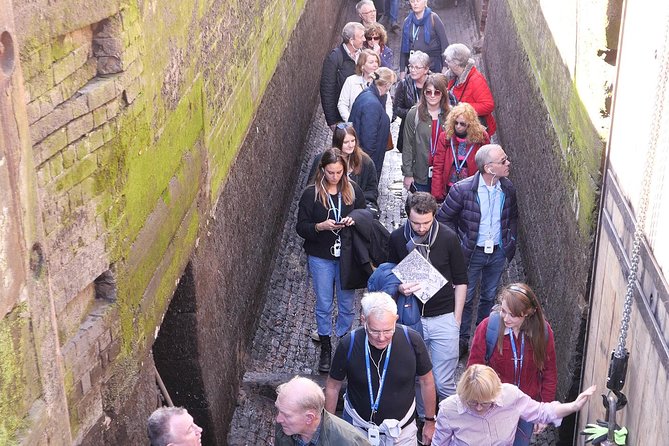
At $20.80 per person, this is a strong-value introduction to central Birmingham. You are paying for two hours of guided walking, local interpretation, and an audio receiver, not for admission to a string of attractions. There are no entry tickets required, so you will not face extra attraction charges during the tour.
The value depends on how you use the information. If you only want photographs of major buildings, you could walk through several of these areas on your own. If you want to understand why the Jewellery Quarter developed, how the canals fit into the city, and why post-war roads changed Birmingham’s center, the guide adds something you would not get from simply following a map.
The included receiver is a small but useful touch. A group of up to 40 is not intimate, and larger groups can make a walking tour feel scattered. Being able to hear the guide from a little distance helps you look at buildings without crowding tightly around one person.
The free-cancellation window is practical: cancel at least 24 hours before the start for a full refund. Changes or cancellations inside that period are not accepted for a refund. Weather should also influence your planning. The tour normally aims to operate in poor weather, so bring a waterproof coat or umbrella. In icy conditions, the route may change.
Who will get the most from this walk?
I would choose this tour for a first visit to Birmingham, especially if you want a quick sense of the center before exploring independently. It also suits people who enjoy city planning, architecture, canals, public art, and stories about how ordinary streets acquired their present shape.
Local residents can get plenty from it too. The route includes places you may have walked past without noticing, and the canal section may take you across ground you have never used. It is also a good staycation choice for anyone who wants to look at Birmingham with fresh eyes.
The tour requires moderate physical fitness. You walk outdoors for about two hours, and the route includes streets, squares, canal paths, and crossings. Wear shoes you can walk in comfortably, and plan for rain. Service animals are allowed, and the meeting point is near public transportation.
I would be less likely to choose it if you want long interior visits, a small private group, or a relaxed pace with lots of time at every stop. The cathedral visit may be brief or exterior-only, and the group can reach 40 people. For a detailed Jewellery Quarter workshop visit or a full cathedral tour, you would need a separate plan.
Should you book the Birmingham walking tour?
Book it if you want a lively two-hour introduction that connects Birmingham’s canals, Georgian buildings, churches, squares, roads, and new development. The route is compact but not shallow, and the local guide brings personality through humor, objects, maps, and stories.
The best reason to book is the mix. You get the main city center, but you also reach backstreets and a canal route that a car or coach cannot use. You see both the attractive and awkward sides of Birmingham, then finish with a clearer idea of where to spend the rest of your time.
Skip it if your priority is entry inside historic buildings or a very slow photography walk. Otherwise, $20.80 is a sensible spend, especially on your first day. Bring weatherproof clothing, arrive at the Library of Birmingham for the 1:30 pm start, and let the guide give you the city’s basic map before you set out on your own.
FAQ
Where does the Birmingham walking tour start?
The tour starts at the Library of Birmingham in Centenary Square, Birmingham B1 2ND, UK.
What time does the tour begin?
The scheduled start time is 1:30 pm.
How long does the walking tour last?
The tour lasts approximately two hours.
Where does the tour finish?
The activity ends back at the meeting point near the Library of Birmingham.
Is the tour conducted in English?
Yes. The tour is offered in English.
Are entry tickets needed?
No. The tour does not require entry tickets. The guide may sometimes enter Birmingham Cathedral if time allows and no conflicting event is taking place, but this is not guaranteed.
What happens if the weather is bad?
The tour generally operates in adverse weather, so bring a suitable coat or umbrella. If conditions are icy, the route may be adapted.
More 2-Hour Experiences in Birmingham
- Dochgarroch: Loch Ness and Caledonian Canal 2-Hour Cruise
★ 4.7 · 1,959 reviews - Loch Lomond: Island Discovery 2-Hour Cruise
★ 4.6 · 1,576 reviews - Loch Ness and Caledonian Canal 2-Hour Cruise from Dochgarroch
★ 4.5 · 1,158 reviews - London: Ghastly Ghosts 2-Hour Walking Tour
★ 4.9 · 794 reviews
Just added in Birmingham
- Birmingham: Legoland Discovery Centre Entry Ticket★ 4.1 · 74 reviews
- Birmingham: Victorian Canals and Modern-Day Birmingham Tour★ 4.7 · 92 reviews
- Fun, Flexible Treasure Hunt Around Birmingham with Cryptic Clues & Hidden Gems★ 5.0 · 167 reviews
- Birmingham: Guided City Center Walking Tour (10:30am & 2pm)★ 4.8 · 147 reviews
- Birmingham: Slogging Gangs Guided Walking Tour★ 4.2 · 216 reviews
- Birmingham: Winterbourne House and Garden Admission Ticket★ 4.7 · 199 reviews
- Birmingham: National Sea Life Centre Entrance Ticket★ 4.4 · 150 reviews
- Entry ticket to Hoo Zoo and Dinosaur World in Telford★ 5.0 · 591 reviews
Walking Tours, compared.
Underground Vaults Walking Tour in Edinburgh Old Town
Read our review →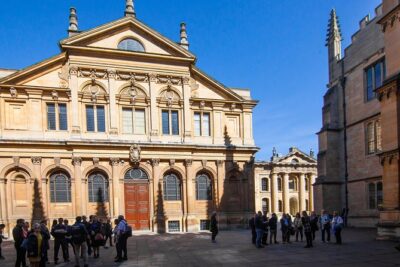
Oxford University Walking Tour With University Alumni Guide
Read our review →
Edinburgh Castle: Guided Walking Tour with Entry Ticket
Read our review →
Edinburgh Castle Guided Walking Tour in English
Read our review →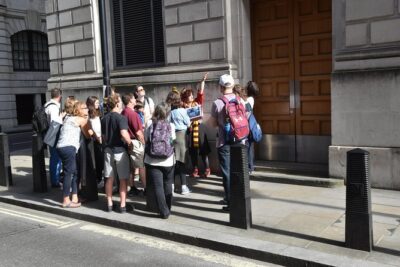
Tour for Muggles The Ultimate Harry Potter Walking Tour in London
Read our review →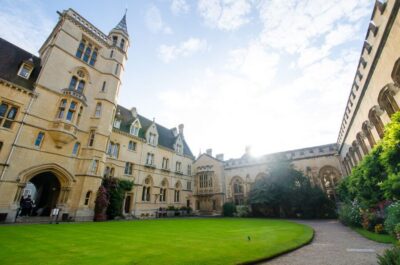
University and City Walking Tour with Alumni Guide
Read our review →
Edinburgh Darkside Walking Tour: Mysteries, Murder and Legends
Read our review →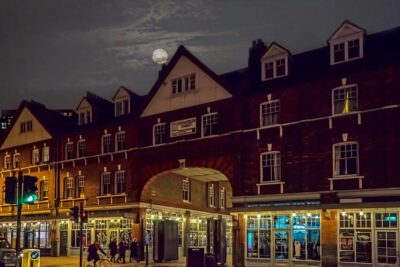
Browse the lists this tour appears in