
Reviewed · WWII & CHURCHILL TOURS
Milton Keynes: Bletchley Park Entry Ticket
Bletchley Park is where wartime secrecy met extraordinary brainpower. Inside the Mansion, huts, and blocks, you’ll follow the work of Alan Turing and thousands of other codebreakers who attacked enemy ciphers, including Enigma. I like the authentic wartime buildings and the way displays connect machines to the real people who used them. The free audio guide and one-hour guided tour add useful context.
I also like the 12-month return privilege. At $37, this is far better value than a one-visit museum ticket if you live nearby or have more than a day to spare. The main drawback is scale: you can spend five hours here and still miss parts of the site, and some outdoor paths need repair.
Key points before you go
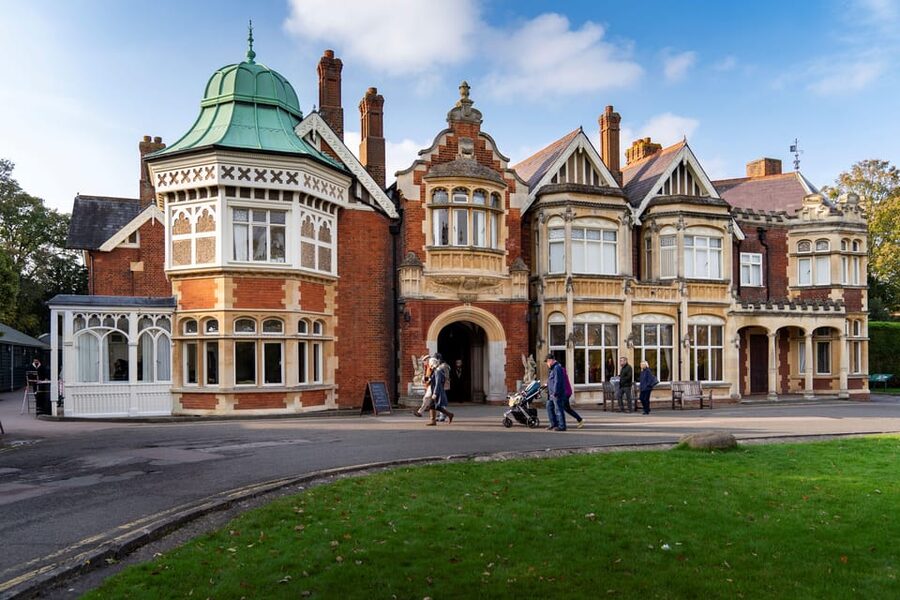
- The Enigma story is only one part of the visit: You’ll also see the Mansion, codebreaking huts, wartime blocks, computers, films, and personal stories.
- A free one-hour tour can transform the visit: Register at the information desk, then use the guide to make sense of the buildings and work done there.
- Your ticket works as an annual pass: Keep it and return free for 12 months.
- Arrive early by car: Parking is free but limited, and it can fill quickly.
- Allow at least half a day: Three hours is enough for a brisk visit, but five hours or more suits anyone who wants to read and explore carefully.
- The site is accessible: Accessible parking and toilets are available, and wheelchair users can choose their own route if preferred.
Why Bletchley Park matters
Bletchley Park was once one of Britain’s most secret wartime sites. Its staff worked to read enemy communications without letting the enemy know their messages had been understood.
That work required far more than one famous mathematician and one famous machine. Bletchley brought together linguists, mathematicians, engineers, clerks, operators, and administrators. The site eventually employed more than 8,000 people, yet its secrets remained hidden for years after the war.
That scale is one of the first things you begin to grasp here. The experience is not just a story about Alan Turing and Enigma. It is also about the less famous people who handled messages, checked patterns, operated equipment, and kept a complicated system moving under pressure.
I find that human angle especially valuable. The displays give you a sense of an urgent community working behind closed doors, often with no idea how much their work would matter later.
More wartime London tours and war rooms tickets:
- Portsmouth: The D-Day Story Entry Ticket
★ 4.8 · 201 reviews - Westminster 3 Hour Walking Tour and Visit of Churchill War Rooms
★ 5.0 · 967 reviews - WW2 London Walking Tour & Churchill War Rooms Entrance Ticket
★ 4.5 · 933 reviews
Getting to Bletchley Park
Bletchley Park is a few minutes on foot from Bletchley train station, making rail travel straightforward. If you drive, use Sherwood Drive, MK3 6DS in your sat-nav. The official postal address can send you to the wrong place.
Free on-site parking is available, but spaces are limited. Arrive early if you want the best chance of parking there, particularly during busy periods or special events. Two electric vehicle charging points are available, and disabled parking spaces are provided.
Once inside, ask for a map and check the day’s tour times. One visitor found the welcome a little unclear at first because they were not given a map straight away. That is a small point, but it matters on a large site. A few minutes spent planning your route can save a lot of backtracking.
Start with the Mansion and the site map
Bletchley Park’s Mansion gives you a useful introduction to the place. It is a striking historic building, but its importance here comes from what happened inside rather than from its architecture alone.
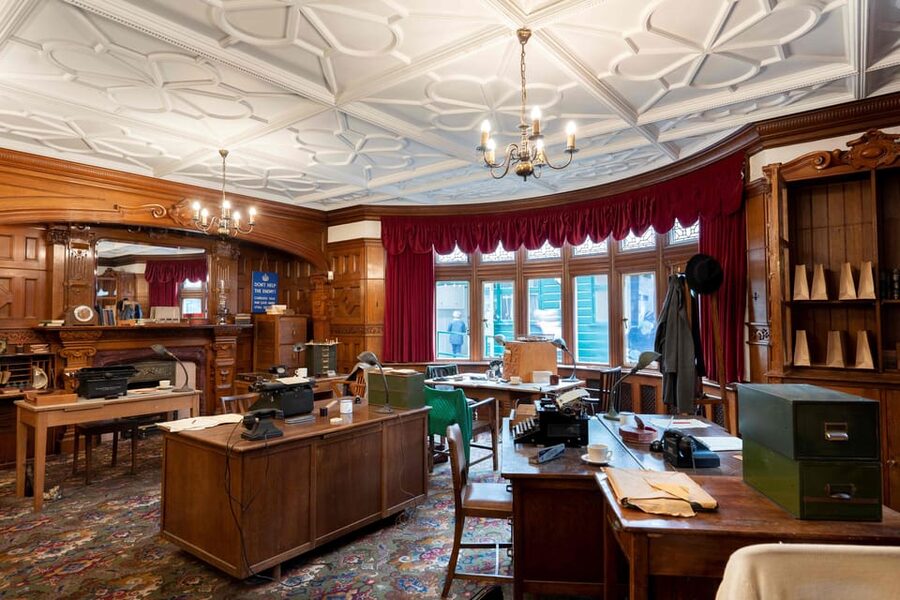
The Mansion helps you understand how an ordinary-looking country estate became the headquarters of a secret wartime operation. Set-dressed rooms and interpretive displays show how different groups worked in and around the building.
I suggest starting here before heading to the huts. The site can otherwise feel like a collection of separate buildings. The Mansion gives you the basic story, while the rest of the visit fills in the machinery, people, and methods.
The map marks routes for a full visit and a shorter visit. Use the shorter option if you have limited time. If you have the full day, accept that you will not absorb every panel in one pass. The amount of information is part of the appeal, but it can also become tiring.
Huts, blocks, and the people behind the codes
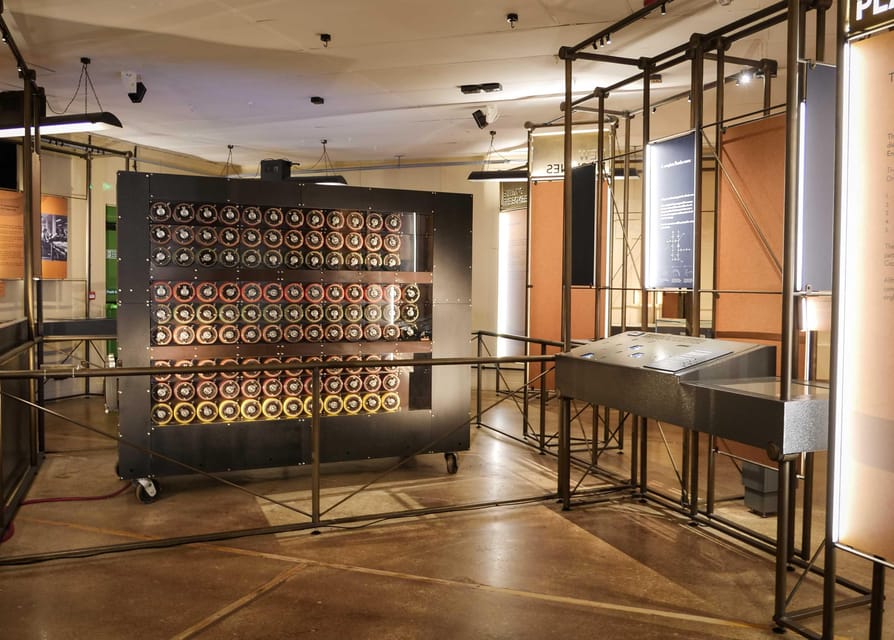
The codebreaking huts and blocks are the heart of the visit. These are the places where messages were processed, studied, and turned into useful intelligence.
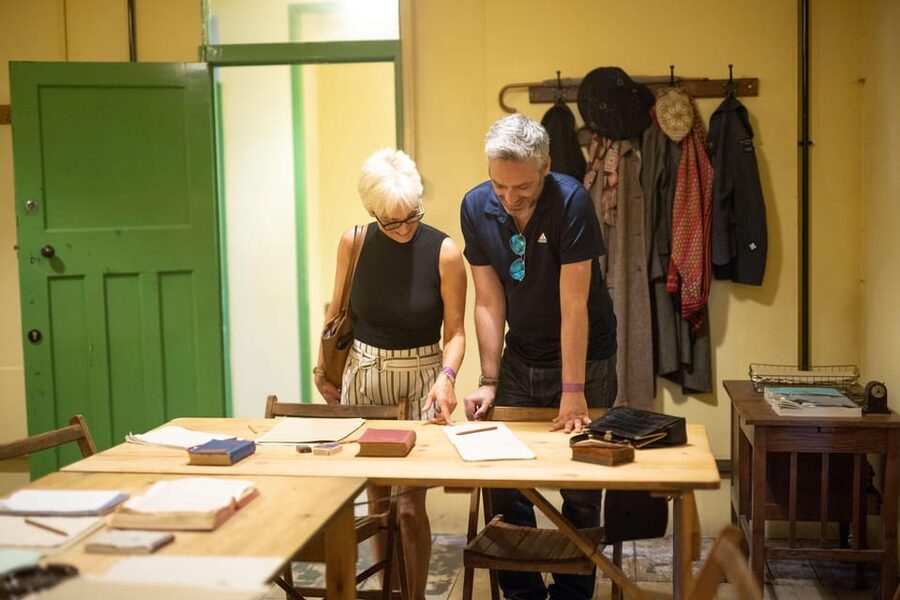
The buildings help make the work feel real. You are not simply reading about wartime codebreaking in a modern gallery. You are moving through the setting where the work took place, with rooms presented to suggest the atmosphere and demands of the period.
Films, signs, and recorded accounts bring in the voices of the people who worked there. This is where the visit moves beyond technical history. You learn about secrecy, long hours, pressure, relationships, and the strange experience of doing vital work that could not be discussed outside the site.
The information boards are generally clear and readable. Some visitors find the technical terms difficult at first, particularly words such as bombe. If you are new to cryptography, do not worry about understanding everything immediately. Focus first on the problem each team faced, then on the method used to solve it.
A few more half-days in England worth comparing
- Thorpe Park Admission Ticket
★ 4.0 · 5,915 reviews - Alton Towers Resort 1 Day Admission Ticket
★ 3.5 · 5,501 reviews - Warwick Castle Admission Ticket
★ 4.0 · 2,096 reviews - The Great British Rock and Roll Walking Tour
★ 5.0 · 1,371 reviews
Enigma, the bombe, and modern computing
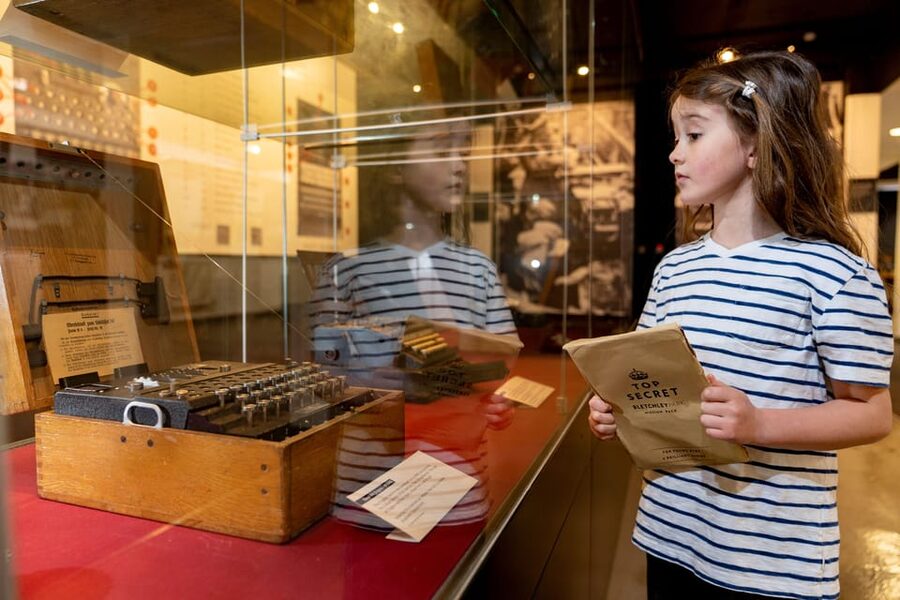
The Enigma displays explain why German military communications were so difficult to read. Enigma machines used changing settings to scramble messages, creating a vast number of possible combinations.
Bletchley’s codebreakers looked for patterns, habits, likely phrases, and mistakes. They combined human reasoning with machines designed to test possibilities faster than people could manage alone.
The bombe is central to this story. It was built to help test possible Enigma settings, allowing the codebreakers to narrow down the options. The machine did not simply press a button and reveal a message. Human judgment remained vital at every stage.
That distinction is worth remembering. Bletchley Park celebrates machines, but it also shows the ingenuity needed to design them, interpret their results, and decide what to do next.
You will also encounter the site’s connection to the birth of modern computing. This is not a visit only for World War Two enthusiasts. If you enjoy mathematics, engineering, computers, or the history of technology, you’ll find plenty to hold your attention.
One newer exhibition about artificial intelligence may appeal even if you arrive mainly for the wartime story. It links the earlier work of machines and systems to later developments in computing. I would leave time for it rather than treating it as an optional extra.
Take the free guided tour if you can
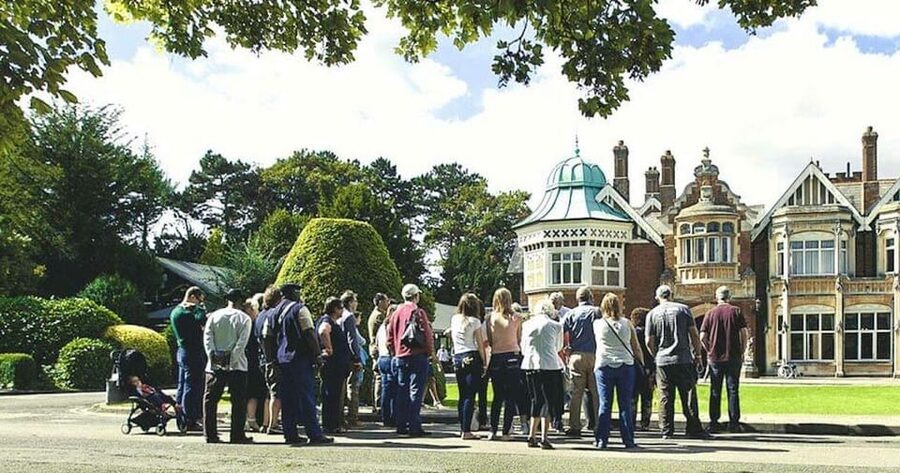
The free one-hour guided tour is one of the best uses of your time. Register at the information desk, since places and timing are subject to availability.
A good guide gives you the framework that signs alone cannot always provide. Guides named John, David, and Sheila have been singled out for bringing the site to life with facts, stories, and personal detail. The guide’s approach can vary, but the tour is generally a lively way to understand how the buildings fit together.
The tour lasts about an hour, leaving plenty of time for the exhibitions. I would take it early if possible, then return to the huts that interest you most.
There is one practical warning. Some guides speak quietly, and larger groups may have trouble hearing every word. Stay near the guide and ask for clarification if needed. At the end, guides are available to answer questions, which is useful if the technical side has left you puzzled.
If the next tour does not suit your schedule, use the free audio guide instead. It provides a more flexible and detailed explanation, and it lets you pause whenever a display catches your attention.
How long should you spend?
The official advice is to allow at least half a day. I agree, but I would treat that as the minimum for a first visit.
A brisk three-hour visit can cover the main buildings and key displays. Four to five hours gives you time for the tour, audio guide, films, outdoor areas, and reading. Anyone with a serious interest in codebreaking or World War Two may want more than one visit.
The annual return privilege changes the calculation. Keep your ticket and you can return free for 12 months. That makes the $37 price especially appealing for local visitors, families, or anyone who expects to be in the area again.
It also removes the pressure to rush. You can make one visit about the main wartime story, then return for the computing displays or exhibitions you skipped.
Outdoor areas, food, and weather
Bletchley Park is not one enclosed museum. You will walk between buildings, across outdoor paths, and through open areas. On a warm day, there are trees, shade, seats, and tables. On a wet day, the site can feel much harder work.
One visitor spent four hours there in poor weather and still did not see everything. That is a good reminder to bring a waterproof coat and comfortable shoes. High heels are not allowed, and sensible footwear is the better choice anyway.
Some paths have received criticism for needing repair. Wheelchair users can explore the site, and accessible parking and toilets are available, but outdoor conditions may affect how comfortable certain routes feel.
Food and drinks are not included in the admission price. You can buy them at the on-site café and coffee shop. The facilities make a full-day visit easier, especially for families, though you should still plan your route around breaks.
Families and children
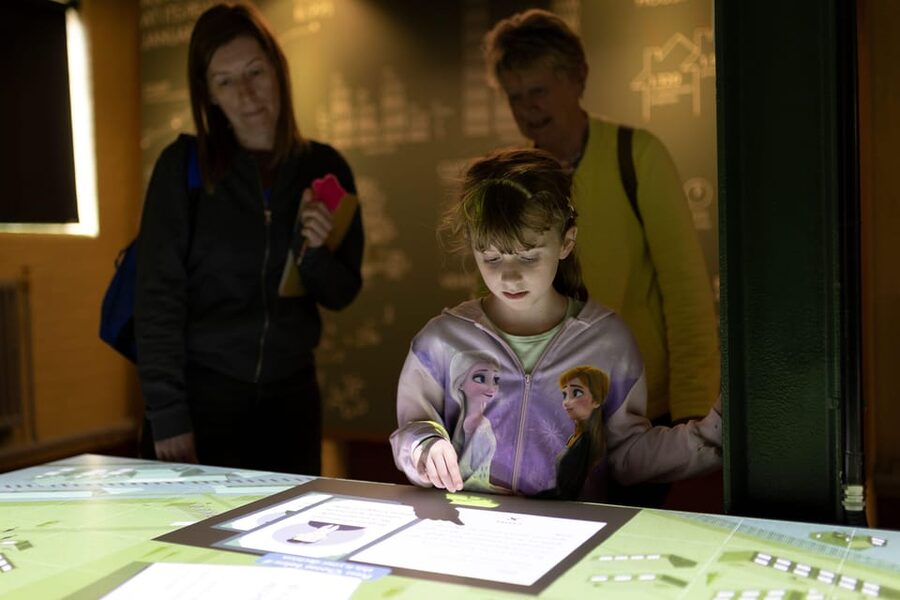
Bletchley Park works well for families because it combines outdoor space with films, hands-on displays, and machines. Children who enjoy puzzles, computers, or wartime stories may find the codebreaking challenge more engaging than a conventional museum display.
The subject matter can be complex, so younger children may need help with the explanations. The interactive parts give them something to do while adults read the longer panels.
Unaccompanied minors are not allowed. Pets are also prohibited, apart from assistance dogs. Bikes, skateboards, skates, chewing gum, and high-heeled shoes are not permitted on site.
Is the $37 ticket good value?
At first glance, $37 is not a cheap museum admission. The value becomes clearer when you look at the amount of time the site can occupy and the free returns for a year.
You receive access to the Mansion, huts, blocks, exhibitions, outdoor areas, the audio guide when available, and the free guided tour when offered. Food is extra, but that is normal for a full-day attraction.
For a visitor with only a few hours in Milton Keynes, the ticket is still worthwhile if codebreaking or computing interests you. For someone who dislikes technical history, the amount of reading and the size of the site may feel like too much.
I would consider it particularly good value for:
- Anyone who can return within 12 months
- Families looking for a full day out
- People interested in Alan Turing, Enigma, or computing
- Visitors who enjoy historic buildings and first-person accounts
- Anyone willing to spend four hours or more on site
Practical plan for your day
Arrive near opening time, especially if you are driving. Bletchley Park opens at 9:30 am daily. From March to October it closes at 5:00 pm, with last admission at 4:00 pm. From November to February it closes at 4:00 pm, with last admission at 3:00 pm.
At the entrance, collect a map and ask about the next guided tour. Start with the Mansion, then follow the route through the huts and blocks. Use the audio guide for extra detail, but do not try to listen to every recording if you are short on time.
Take a break at the café, then use the afternoon for the buildings or exhibitions you had to skip. If you have an annual return available, do not force yourself to finish everything. A second visit will be more enjoyable than rushing through the final rooms.
Personal photography is allowed. Tripods and professional equipment require permission.
Who should book Bletchley Park?
You should book this experience if you want more than a quick museum stop. The strongest parts are the preserved buildings, the stories of the people who worked there, the Enigma displays, and the chance to connect wartime codebreaking with modern computing.
I would not choose it for a tightly scheduled day unless you can spare at least three hours. The site rewards patience, and the annual return pass makes it easier to take your time.
If you are visiting Milton Keynes, interested in World War Two, or curious about how computers began to change the world, I would book it. Arrive early, take the guided tour, wear comfortable shoes, and keep the ticket for a return visit.
FAQ
How much does entry to Bletchley Park cost?
The listed price is $37 per person. Food and drinks are not included.
How long should I allow for Bletchley Park?
Allow at least half a day. Three hours can cover the main highlights, while four to five hours gives you more time for the huts, exhibitions, tour, audio guide, and outdoor areas.
Does the ticket allow return visits?
Yes. The ticket includes free return visits for 12 months, so keep it if you plan to come back.
Is there a guided tour?
A free one-hour guided tour is available subject to availability. Register at the information desk when you arrive.
Is an audio guide available?
Yes. Free audio guides are available and provide a detailed explanation of the site’s history, subject to availability.
How do I reach Bletchley Park?
The site is a few minutes’ walk from Bletchley train station. Drivers should use Sherwood Drive, MK3 6DS, in their sat-nav because the postal address may lead to the wrong location.
Is Bletchley Park wheelchair accessible?
Yes. The site has accessible toilets and parking, and it is wheelchair accessible. You can explore at your own pace without joining the guided tour.
Just added in England
- British Museum Highlights Private Guided Tour★ 5.0 · 29 reviews
- Heathrow Airport to Southampton Port or Hotel Private Airport Arrival Transfer★ 5.0 · 45 reviews
- Heathrow To Southampton Cruise Port Transfers★ 4.5 · 110 reviews
- Private Guided Tour of the British Museum★ 5.0 · 50 reviews
- British Royal 3 Hour Walking Tour!★ 4.5 · 53 reviews
- British Museum Guided Tour with Priority Timeslots(Small Group)★ 5.0 · 192 reviews
- British Museum In-Depth Private Guided Tour★ 5.0 · 40 reviews
- Explore Biblical Artifacts at the British Museum★ 5.0 · 120 reviews
WWII & Churchill Tours, compared.
Westminster 3 Hour Walking Tour and Visit of Churchill War Rooms
Read our review →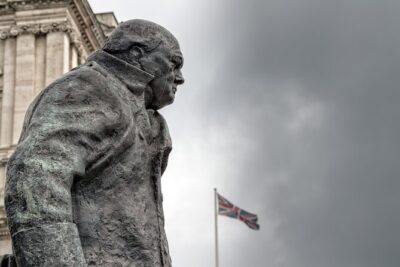
WW2 London Walking Tour & Churchill War Rooms Entrance Ticket
Read our review →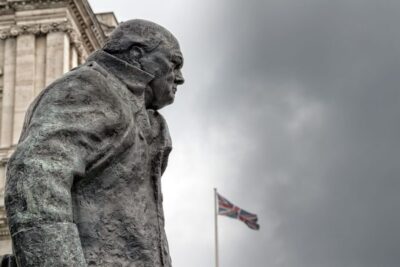
Westminster WW2 Tour & Churchill’s War Rooms Ticket
Read our review →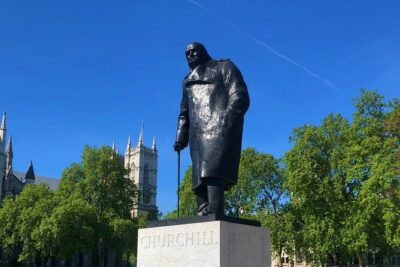
London in WW2 Walking Tour with Churchill War Rooms Visit
Read our review →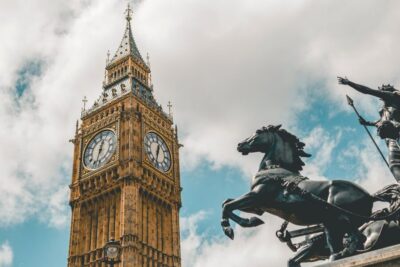
Westminster Tour and Churchill War Rooms Visit
Read our review →
Churchill War Rooms “Behind The Glass” and Private Car Tour
Read our review →
Churchill War Rooms Ticket & Political London Audio
Read our review →Browse the lists this tour appears in