
Reviewed · WWII & CHURCHILL TOURS
London: London in WW2 and Churchill War Rooms Entrance
The most memorable part of this experience is the change in scale: you begin among London’s grand public buildings, then enter the cramped underground rooms where Churchill and his cabinet directed Britain’s war effort. I like the way the walking tour gives meaning to sights many people simply photograph, especially the Cenotaph and Whitehall. I also like the small groups, capped at 15 people, which make it easier to hear a guide such as Babs, Nathan, or Richard.
The main drawback is that the War Rooms are self-guided with an audio device, so the quality of your visit depends partly on your own pace and patience. You should also expect outdoor walking in all weather, security screening, and limited accessibility for wheelchair users and people with mobility impairments.
Key points to know before booking
- Churchill’s War Rooms come after the walk: You finish the guided Westminster portion, then explore the underground bunker complex independently with an audio guide.
- The route connects famous sights to wartime decisions: Parliament, Westminster Abbey, the Cenotaph, Downing Street, the Ministry of War, and Whitehall all become part of the story.
- The guides are the star of the walking section: Babs, Nathan, Richard, Jeremy, Paul, and Peter have been singled out for lively storytelling, humor, and strong command of the subject.
- The group stays small: Shared tours have no more than 15 people, with private options also available.
- Allow for a serious museum visit: Three hours includes both the walk and the War Rooms, but the bunker exhibits can take longer if you want to read and listen to everything.
- Wear practical clothes: Comfortable shoes, water, and an umbrella matter because the tour runs rain or shine.
Why the Westminster walk works so well
London’s wartime story is not confined to a distant museum. It happened around the buildings you see on a standard Westminster sightseeing route. That is what gives this tour its purpose.
You meet by the Boadicea and Her Daughters Statue outside Westminster Station, Exit 2. Look for the Urban Saunters orange sign at the top of the stairs on Victoria Embankment. This is a busy part of London, so follow the signs carefully and arrive with enough time to locate the correct exit.
From there, your English-speaking guide leads you through the City of Westminster. The focus is not only on famous names and dates. You learn how wartime restrictions affected ordinary life, including air raid sirens, rationing, darkness during bombing raids, and the absence of normal peace-time routines.
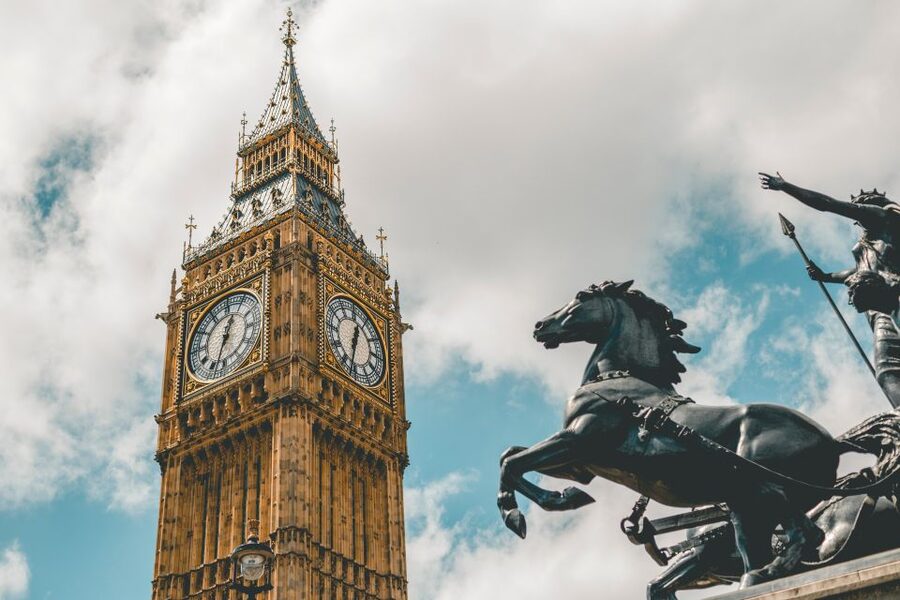
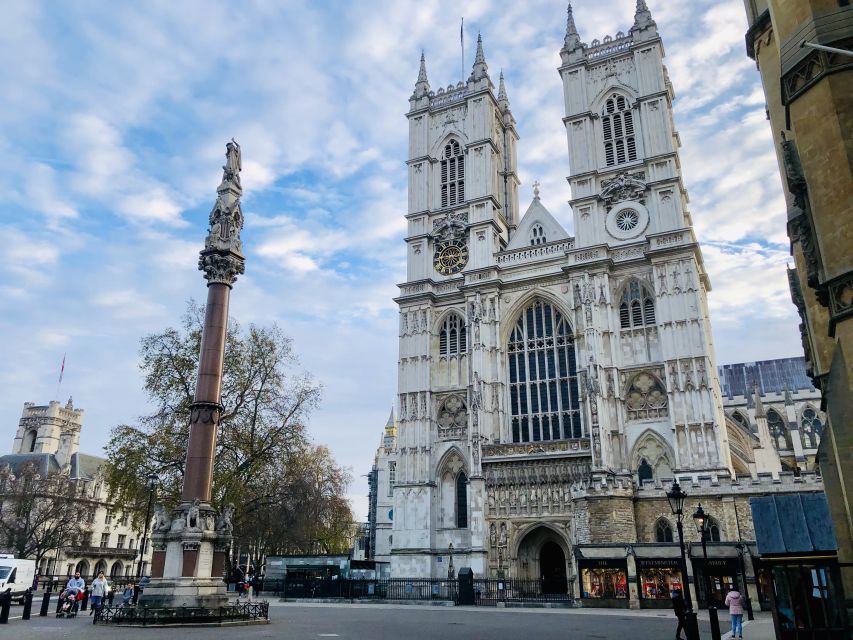
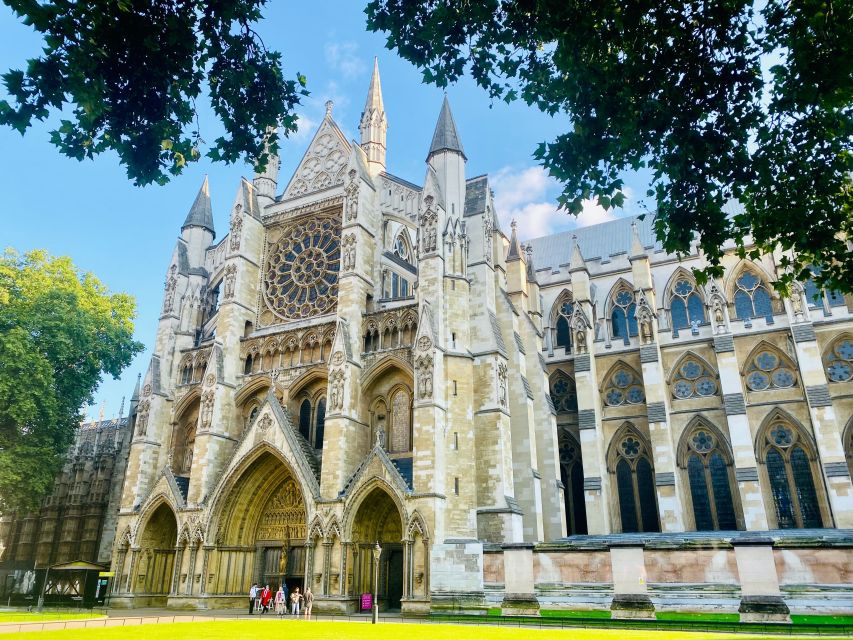
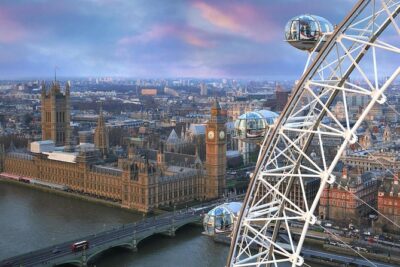
The route passes the Houses of Parliament and Big Ben, symbols of British government that gained a different meaning during the war. You also see Westminster Abbey, the Cenotaph, Downing Street, Whitehall, and the former Ministry of War. These are compact stops rather than a broad city walk, but that is part of the appeal. The tour keeps its attention on a small area and fills it with context.
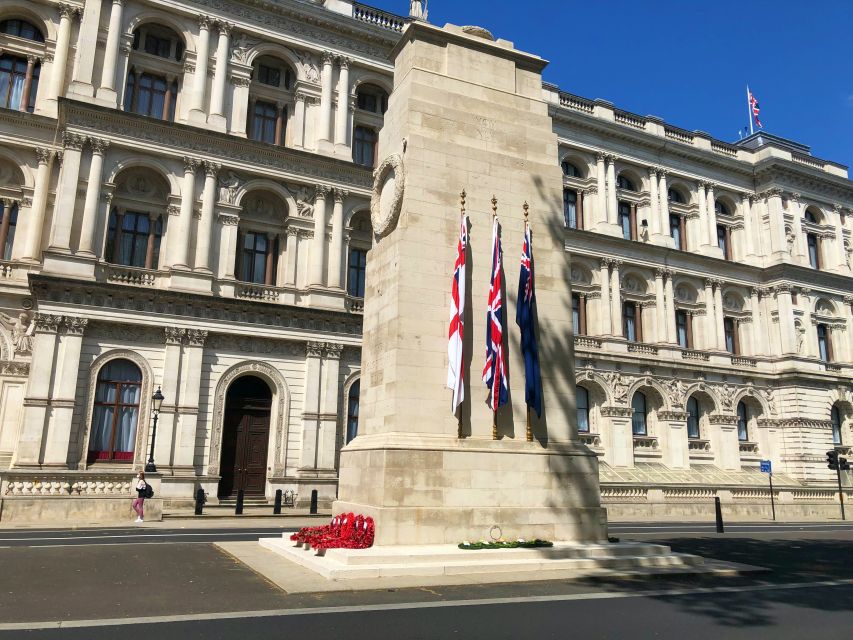
One useful point is that the guide does not treat these monuments as decoration. The Cenotaph, in particular, becomes a place to consider the human cost behind official speeches, ceremonies, and military decisions. One participant described the route as covering little ground but offering a great deal of wartime context, especially around the memorial. That is a fair description.
More wartime London tours and war rooms tickets:
- Westminster 3 Hour Walking Tour and Visit of Churchill War Rooms
★ 5.0 · 967 reviews - WW2 London Walking Tour & Churchill War Rooms Entrance Ticket
★ 4.5 · 933 reviews - London: Westminster WW2 Tour & Churchill’s War Rooms Ticket
★ 4.5 · 925 reviews
Big Ben, Parliament, and the wartime government
The opening section gives you a clear sense of how Britain’s government functioned under pressure. Parliament, Downing Street, and Whitehall were not just grand addresses. They were working centers for decisions that affected soldiers, civilians, and allies across Europe and beyond.
Your guide supplies the connective tissue. The best guides on this tour, including Nathan, Babs, Richard, and Jeremy, are praised for making complicated events easy to follow. Their strength is storytelling rather than a dry recitation of facts. Nathan, in particular, is known for mixing dates and military detail with personal stories about the people involved.
This matters because Churchill’s story can easily become too polished. A good walking guide gives you the wider setting: the fear of bombing, the strain on civilians, the demands placed on government staff, and the uncertainty faced by military leaders. You get a sense of the effort behind the famous speeches.
The tour also works for people who are not already experts on the Second World War. One guide was specifically praised for keeping a group ranging from a senior citizen to a tween interested. That broad appeal comes from the way the tour uses visible places and human stories instead of assuming that you already know the political or military background.
The Cenotaph and the human side of the story
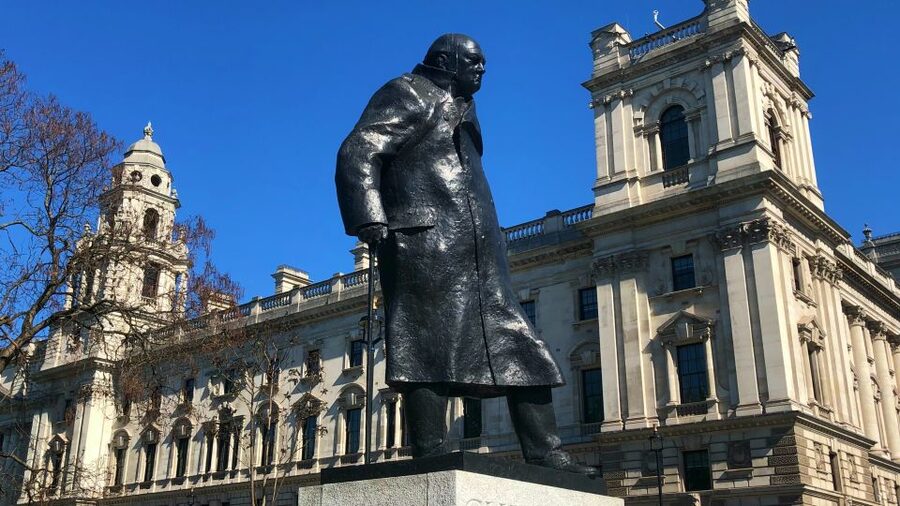
The Cenotaph is one of the most important stops because it shifts the mood from government to remembrance. Here, the war is no longer only about Churchill, cabinet meetings, and strategy. It is also about those who served and those who did not return.
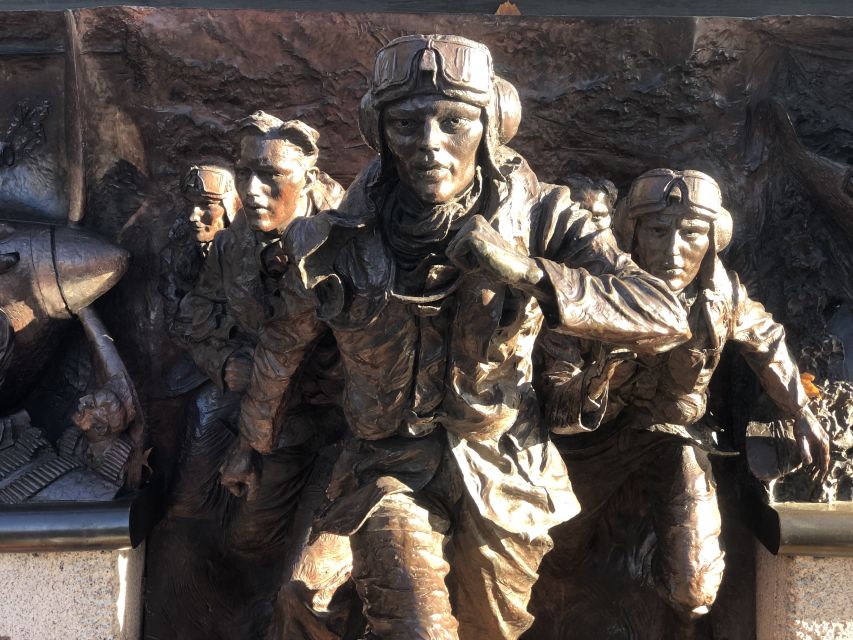
Expect your guide to add stories about individuals and the Battle of Britain, along with details that are easy to miss when you pass through Whitehall alone. Several guides have been praised for treating the subject with respect while still keeping the walk lively.
That balance is important. This is not a solemn memorial tour from start to finish, and guides use humor when appropriate. Yet the strongest presentations also make room for sadness and uncertainty. One guide was described as nearly bringing the group to tears with personal stories. That gives you an idea of the emotional range, though your experience will vary by guide and group.
The memorial stop is also a good reminder that the tour is about more than Churchill. The famous prime minister is central, but the story includes civil servants, military staff, families, pilots, and ordinary Londoners. You come away with a wider picture of wartime Britain.
Entering Churchill’s War Rooms
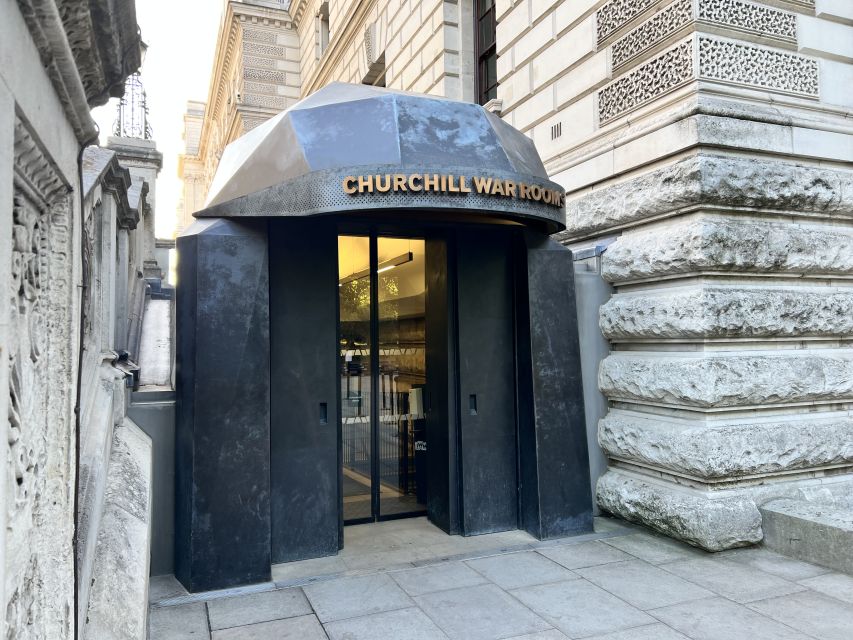
After the walking tour, you say goodbye to your guide and enter Churchill’s War Rooms. This is the point where the experience changes from a live outdoor tour to a museum visit beneath the streets.
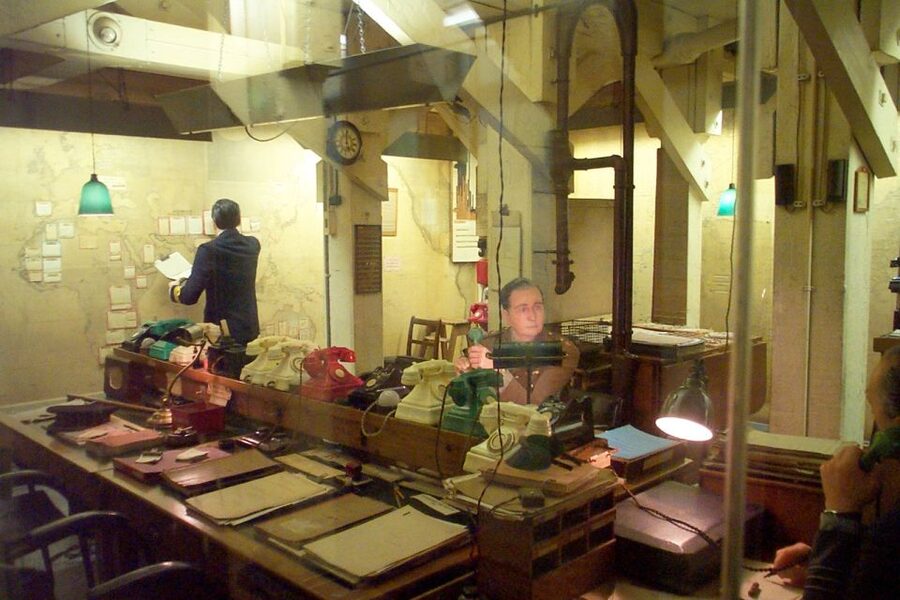
The War Rooms preserve the underground headquarters used by Churchill and his cabinet during the Second World War. The rooms are presented as a working command center, with corridors, offices, meeting spaces, and the practical infrastructure needed to keep government operating during air raids.
The setting does much of the work. The low, enclosed rooms help you understand why these bunkers mattered. You are not simply looking at military objects in a display case. You are moving through the place where decisions were prepared, discussed, recorded, and sent out.
The audio guide lets you proceed at your own pace. That is useful if one member of your group wants to listen carefully while another prefers to move on. It also means you are free to pause at exhibits that catch your attention instead of staying with a fixed museum group.
The tradeoff is that the second half feels less personal than the walking section. The guide who built up the story outside is no longer with you. One person specifically found the audio guide less informative than the live presentation, while another noted that it made the exhibits interactive and easy to follow. Both reactions make sense.
A few more half-days in London worth comparing
- London: The London Eye Entry Ticket
★ 4.6 · 35,875 reviews - From London: Harry Potter Warner Bros Studio Tour
★ 4.7 · 26,588 reviews - London: Westminster to Greenwich River Thames Cruise
★ 4.5 · 22,836 reviews - London: Madame Tussauds London
★ 4.6 · 20,915 reviews
How much time you need inside the bunker
The advertised duration is three hours for the full experience. That gives you enough time for a strong introduction and a worthwhile visit to the War Rooms, but it may not allow you to examine every exhibit in detail.
One practical issue is timing. If your tour begins later in the day, you may have fewer hours available for the museum before closing. A participant who started in the afternoon felt that the War Rooms contained more material than could be covered in the time available. Plan to keep moving if you want to see the full route, or accept that you may need to choose your favorite sections.
The museum can also become crowded. When passageways and exhibits fill up, it may be hard to stand in one place and take in every detail. The audio guide helps, but it cannot solve the basic problem of limited room in an underground complex.
I would treat the walking tour and the War Rooms as two linked experiences rather than expecting a fully guided museum visit. The first part gives you structure and background. The second gives you space to explore the actual bunker rooms. That combination is effective, as long as you understand the change in pace.
What the guides add
The repeated praise for the guides is not a minor detail. It is the main reason this tour feels more substantial than simply buying admission to the War Rooms.
Babs is frequently described as energetic, warm, and passionate about Churchill. She has a gift for keeping the group involved and is particularly good at bringing personal information and human stories into the larger wartime narrative.
Nathan is praised for his command of detail, storytelling, humor, and clear delivery. He has been singled out as a highlight by people who already knew London and by those who wanted a serious introduction to the subject. His presentations focus on the people behind the events, not just the famous leaders.
Richard is known for a welcoming manner and a strong interest in Churchill. Jeremy has been praised for high energy, patience, and detailed explanations. Paul and Peter have also received strong marks for historical knowledge, anecdotes, and adapting the presentation to the group.
You cannot choose which guide you will receive from the information provided. Still, the range of praise suggests that the company has several guides who can handle both serious history and a relaxed group atmosphere. If you enjoy asking questions, the live walking section gives you the best chance to do that.
Is the $96 price fair?
At $96 per person, this is not a budget activity. The price includes the guided Westminster walk, a small shared group or private format, entrance to Churchill’s War Rooms, and the audio guide.
The value depends on how you would otherwise plan the day. If you were already going to buy War Rooms admission and join a separate Westminster walk, combining both saves you from arranging two bookings and gives you a clear historical thread between the sites.
The live guide is the key value. Admission alone gets you into the bunker, but it does not explain why the surrounding streets matter. A strong guide can point out the political and memorial landmarks that you might otherwise pass without understanding.
The price is harder to justify if you want a long, leisurely museum visit. The three-hour format places a limit on how much time you can spend inside, especially if the outdoor portion runs at a full pace or your tour begins later. If you are a serious museum reader, consider visiting the War Rooms separately so you can give the exhibits more time.
For most first-time visitors who want an organized introduction to Churchill and wartime Westminster, the price is reasonable. It is less compelling for someone who dislikes group tours, already knows the subject well, or wants to explore the bunker without a schedule.
Practical details that affect your day
The walking portion takes place rain or shine. Bring an umbrella, water, and comfortable clothing. Good shoes are especially important because the activity combines outdoor walking with time spent moving through underground museum corridors.
Large bags and luggage are not allowed, and baby strollers are not suitable. All visitors must pass through security before entering the War Rooms, so avoid arriving with unnecessary items.
The meeting point is convenient for public transport because it is outside Westminster Station, but Exit 2 matters. Follow signs for Exit 2, Victoria Embankment, then go up the stairs to street level. The group meets beside the Boadicea and Her Daughters Statue, where the orange Urban Saunters sign should be visible.
The experience is offered as a shared small group or private tour. Shared groups have 15 people or fewer. A private option may suit families or friends who want more flexibility, but the available information does not specify the private-tour price.
The tour is not suitable for wheelchair users or people with mobility impairments. That is important because the route includes outdoor walking and an underground bunker complex. If accessibility is a concern, contact the provider before booking rather than assuming the historic site can accommodate your needs.
Cancellation is flexible up to 24 hours before the activity for a full refund, and you can reserve now and pay later. Those terms are useful when your London plans may change.
Who should book this experience?
I would recommend this tour to first-time London visitors who want Westminster’s major sights to come with a clear story. It also suits families with older children and mixed-age groups because the guides use humor, anecdotes, and personal stories rather than speaking only in academic terms.
It is a strong choice for anyone interested in Winston Churchill, the Battle of Britain, wartime government, or the civilian experience of the 1940s. You do not need to arrive as a history expert. The tour is designed to build the setting before you enter the War Rooms.
I would be more cautious if you have limited mobility, dislike outdoor tours in bad weather, or want to spend half a day reading every museum panel. The live guide is the great strength, but the War Rooms portion is self-guided and can feel crowded.
Should you book the Westminster and War Rooms tour?
Book it if you want the War Rooms to make sense within the streets and institutions that surrounded them. The combination of a compact Westminster walk, strong live guides, and direct entry to Churchill’s bunker gives you both the public story and the behind-the-scenes setting.
Skip it if you prefer to explore museums entirely alone or need a fully accessible route. For most visitors, especially those with only a few days in London, the tour offers a focused and memorable way to connect Parliament, memorials, Churchill, and the underground rooms where wartime Britain worked.
FAQ
Where does the tour meet?
Meet by the Boadicea and Her Daughters Statue outside Westminster Station, Exit 2. Follow signs for Exit 2, Victoria Embankment, then take the stairs to street level. The guide will hold an Urban Saunters orange tour sign.
How long does the experience last?
The experience lasts three hours, including the guided Westminster walk and your visit to Churchill’s War Rooms.
What sights are included on the walking tour?
The route passes the Houses of Parliament, Big Ben, Westminster Abbey, the Cenotaph, the Ministry of War, 10 Downing Street, and Whitehall.
Is the War Rooms visit guided?
The Westminster section has a live English-speaking guide. Inside the War Rooms, you explore at your own pace with an audio guide.
What languages are available?
The live tour is conducted in English, and the listed tour language is English.
How large are the shared groups?
Shared groups have 15 people or fewer. Private tours are also available.
Is hotel pickup included?
No. Hotel pickup and drop-off are not included.
What should I bring?
Bring comfortable shoes, an umbrella, water, and comfortable clothing. The tour runs rain or shine.
Is the tour suitable for wheelchair users?
No. The experience is not suitable for wheelchair users or people with mobility impairments. Baby strollers and luggage or large bags are also not allowed.
Can I cancel or pay later?
You can cancel up to 24 hours in advance for a full refund. The reserve-now, pay-later option lets you book without paying on the day of reservation.
Just added in London
- London Westminster Abbey French Tour with Fast-Track Tickets★ 4.8 · 57 reviews
- Tower of London Tour with Crown Jewels, plus River Cruise★ 4.5 · 54 reviews
- French Language: Original Harry Potter Walking Tour★ 4.6 · 503 reviews
- Changing of the Guard Experience in London★ 4.5 · 113 reviews
- Early Access:Tower of London Opening Ceremony & Royal London★ 4.8 · 49 reviews
- DreamWorks Shrek’s Adventure and London Eye: Combo Ticket★ 4.5 · 150 reviews
- Doctor Who London Walking Tour★ 4.9 · 137 reviews
- Downton Abbey and Village Small Group Tour from London★ 4.8 · 280 reviews
WWII & Churchill Tours, compared.
Westminster 3 Hour Walking Tour and Visit of Churchill War Rooms
Read our review →
WW2 London Walking Tour & Churchill War Rooms Entrance Ticket
Read our review →
Westminster WW2 Tour & Churchill’s War Rooms Ticket
Read our review →
London in WW2 Walking Tour with Churchill War Rooms Visit
Read our review →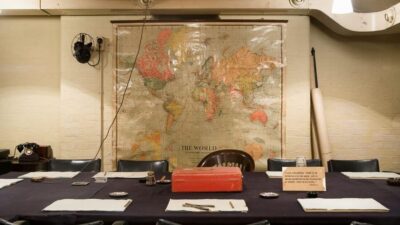
Churchill War Rooms Ticket & Political London Audio
Read our review →Browse the lists this tour appears in