
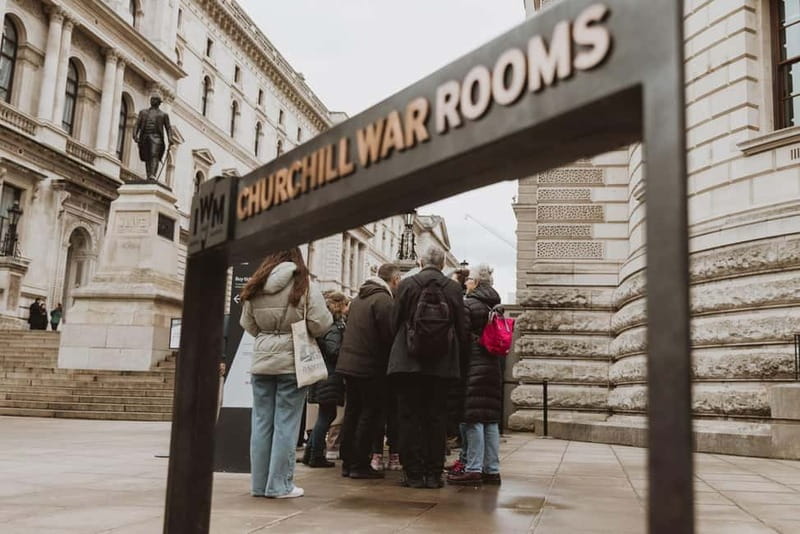
Reviewed · WWII & CHURCHILL TOURS
London: Churchill’s Life & WW2 with Tour of War Rooms
Churchill’s wartime London comes into focus on this three-hour walking tour, which ends underground in the rooms where Britain’s leaders directed World War II. You’ll see Big Ben, Downing Street, Parliament, and key memorials before entering the Churchill War Rooms with a reserved ticket.
I like the small group limit of 15, since it gives your guide room to answer questions and keep the walk moving at a human pace. I also like the clear arc of the tour: public speeches and memorials above ground, then Churchill’s office and the map room below.
The main drawback is that the War Rooms visit is self-guided with an audio guide, so the live storytelling ends before the most detailed museum portion. You’ll also need to walk at a moderate pace, and the tour may feel crowded at weekends and during school holidays.
Key points to know before you book
- The War Rooms are the main event: Spend about 90 minutes inside Churchill’s underground wartime headquarters with a reserved ticket and audio guide.
- The walk links major landmarks: The route includes Big Ben, Parliament Square, Westminster Abbey’s exterior, Downing Street, Whitehall, Horse Guards Parade, and the Guards Memorial.
- Churchill’s speeches set the tone: The tour begins at the RAF Memorial, with attention to the words that encouraged Britain during the Blitz.
- Groups are capped at 15: That is small enough for questions and easier movement through central London.
- The tour is in English: A live local guide leads the walk, while the War Rooms portion uses an audio guide.
- Plan for steady walking: The experience is not suitable for wheelchair users or strollers according to the important tour notes, despite another section describing it as wheelchair accessible.
From the RAF Memorial to Churchill’s wartime voice
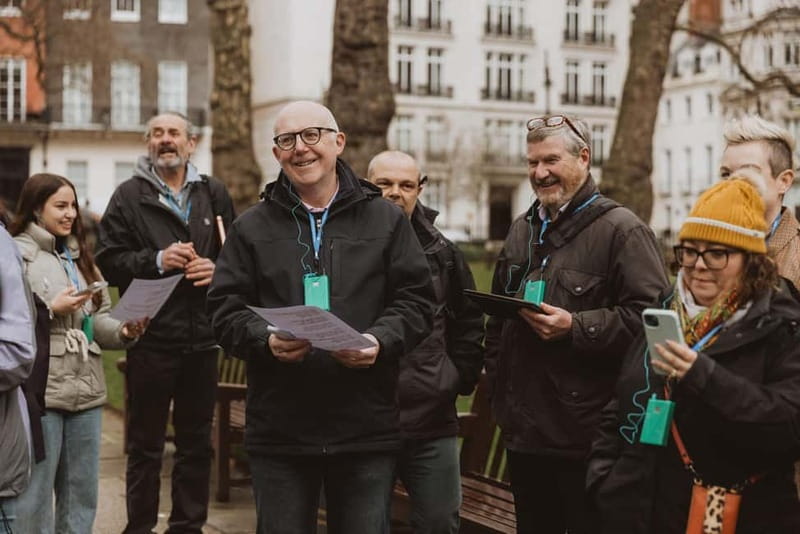
You meet your guide at the Royal Air Force Memorial and should arrive 15 minutes early. Look for a green Walks sign. This opening point suits the subject well, since the RAF and the Battle of Britain are central to the story of Churchill’s first year as prime minister during World War II.
The guide explains how Churchill’s speeches helped hold public morale together during Britain’s darkest period. This is not just a tour of statues and government buildings. The useful part is the link between words, places, and decisions. You begin with the public face of the war, then follow the route toward the rooms where those decisions were made.
The next stop, listed as the Monument to the RAF, receives about 10 minutes of guided attention. You can expect a short introduction rather than a long museum-style talk. That works well early in the morning or before a busy day of sightseeing, but you should not expect time for a detailed study of every inscription.
The nearby Boudica Statue adds a wider British symbol of resistance. Churchill often referred to examples of courage from Britain’s past when calling on people to remain firm. The stop is brief, around five minutes, so the value comes from the guide’s explanation and the connection to Churchill’s public language, not from a long visit at the statue itself.
More wartime London tours and war rooms tickets:
- Westminster 3 Hour Walking Tour and Visit of Churchill War Rooms
★ 5.0 · 967 reviews - WW2 London Walking Tour & Churchill War Rooms Entrance Ticket
★ 4.5 · 933 reviews - London: Westminster WW2 Tour & Churchill’s War Rooms Ticket
★ 4.5 · 925 reviews
Big Ben, Parliament, and the symbols of survival
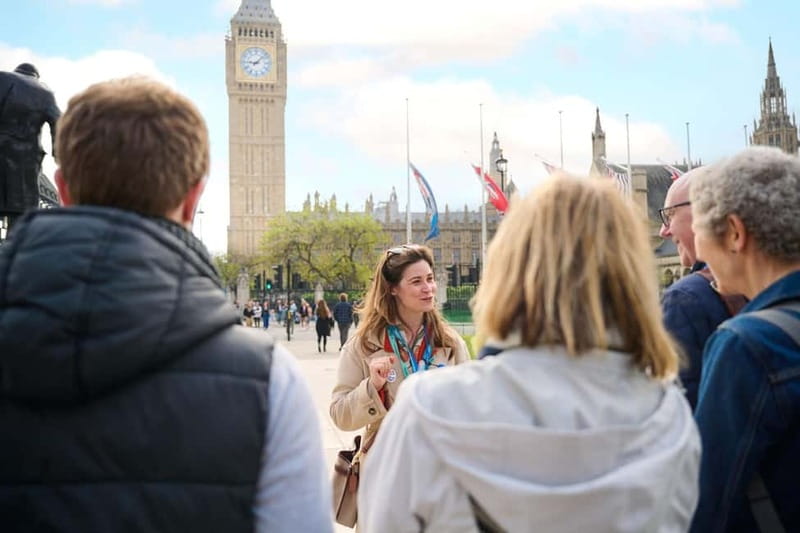
Big Ben is one of the route’s most familiar sights, but the tour gives you a wartime reason to look at it again. You’ll hear how the clock tower survived bomb damage and became a sign of continuity during the Blitz.
Allow about 10 minutes here. That is enough for photographs and a compact explanation, though the area can be busy with traffic, pedestrians, and sightseeing groups. Keep listening closely while moving into Parliament Square, since the guide may need to speak over city noise.
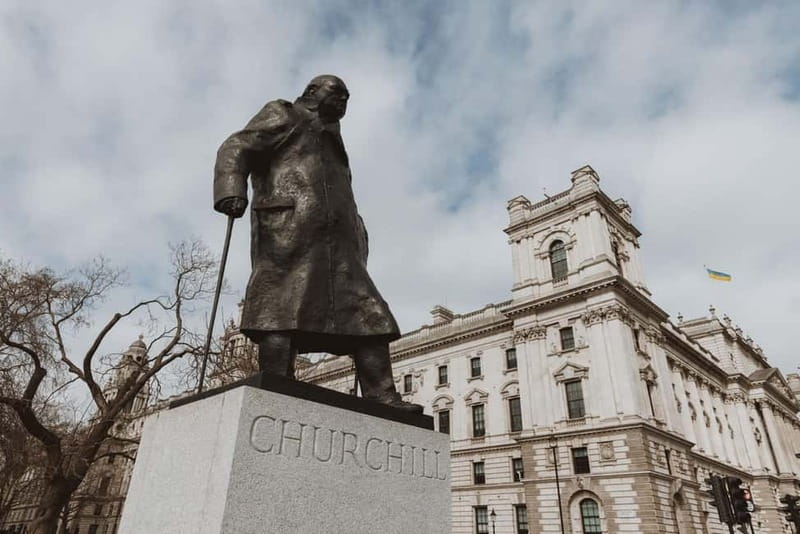
Parliament Square receives around 15 minutes. From here, you can take in the Houses of Parliament and the Churchill Statue. The statue provides a natural point for discussing Churchill’s leadership, his determination to continue parliamentary government, and the effort to preserve democratic institutions under attack.
I like this section because it places Churchill beside the institutions he defended. You are not simply hearing about a famous wartime figure in isolation. You are looking at the buildings and public spaces tied to his role as prime minister.
The tour remains outdoors at Westminster Abbey. You receive a guided explanation of the exterior for about 15 minutes, but the abbey interior is not included. That distinction matters if you want to visit the church itself. You should plan a separate entry or another time in your schedule rather than expecting this tour to cover it.
Downing Street and the Whitehall war zone
The stop at 10 Downing Street lasts about 10 minutes. You will not be touring the prime minister’s residence. Instead, the guide uses the location to explain how Churchill operated during the war and how important the street became as a place for wartime strategy and government decisions.
Security barriers and the viewing distance can limit what you see, so treat Downing Street as a storytelling stop rather than a full attraction. Its strength is context. After hearing about speeches and public leadership, you move closer to the practical center of government.
The walk continues along Whitehall for another 10 minutes. This stretch is filled with government offices, military references, and memorials. It gives the tour a useful sense of scale. Churchill’s wartime London was not confined to one bunker. It involved public announcements, military planning, cabinet meetings, civil defense, and the people serving across the country.
At Horse Guards Parade, the guide explains Churchill’s connection to the site. The stop lasts about 10 minutes. You may find the setting especially useful if you enjoy the ceremonial side of London, since it connects military tradition with the wartime story.
The Guards Memorial follows with a shorter five-minute stop. It honors those who served during World War II. This is one of the more reflective moments on the walk. The route is not only about Churchill’s personality or political skill. It also points toward the many people who carried out the work and paid the cost of the conflict.
Entering the Churchill War Rooms
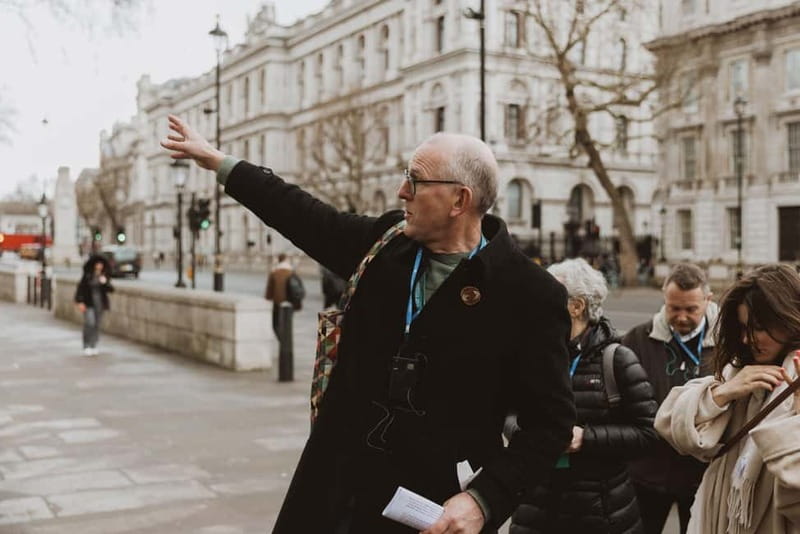
The walking portion finishes at the entrance to the Churchill War Rooms, where your reserved ticket helps avoid the need to arrange admission separately. This is the point where the experience changes pace. Above ground, you have been moving through public London. Below ground, you enter a wartime command center.
The War Rooms were a network of underground bunkers used by Churchill and his government. The displays include Churchill’s private office, the map room, and other spaces connected to wartime decision-making. The rooms remain arranged as they were left in 1945, giving the visit a direct physical link to the period.
You receive about 90 minutes here with an audio guide. That is enough time for a meaningful visit, but you may want longer if you read every panel and listen to every available segment. Since the museum portion is self-guided, you can set your own pace rather than staying with the walking group.
That flexibility is valuable. You can pause at the map room, spend more time in Churchill’s office, or move more quickly through sections that are less important to you. The tradeoff is that you lose the live guide’s ability to answer questions or add personal detail while you are inside.
The War Rooms can be busy on weekends and during school holidays. Narrow underground spaces and crowds can make the visit feel less relaxed at peak times. If you dislike packed museums, choose a quieter starting time when availability allows, and be prepared to share the rooms with other visitors.
A few more half-days in London worth comparing
- London: The London Eye Entry Ticket
★ 4.6 · 35,875 reviews - From London: Harry Potter Warner Bros Studio Tour
★ 4.7 · 26,588 reviews - London: Westminster to Greenwich River Thames Cruise
★ 4.5 · 22,836 reviews - London: Madame Tussauds London
★ 4.6 · 20,915 reviews
What the guides add to the experience
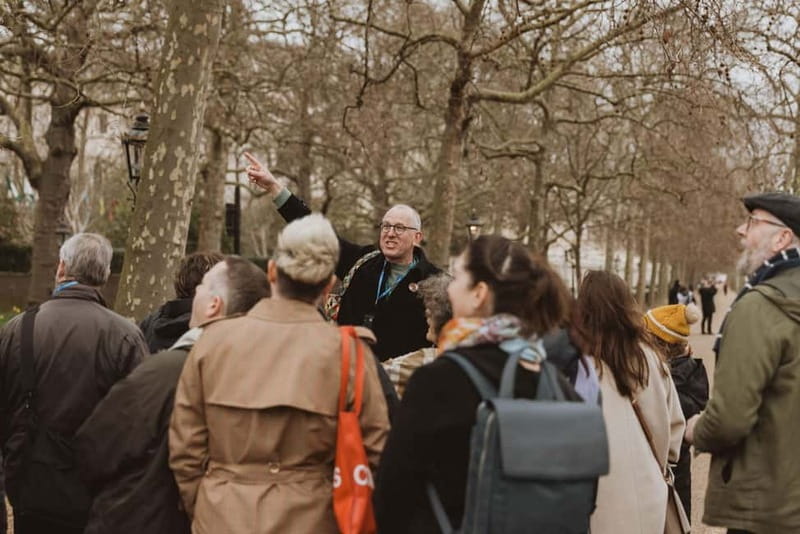
The quality of the live guide matters a lot on a route with so many short stops. The best value comes from a guide who can connect the landmarks instead of treating each one as a separate fact.
Several guides have received especially strong praise. Kate is noted for explaining both Churchill’s private life and public achievements in a way that made the subject feel personal. Peter is described as funny, attentive, and ready to answer questions. Salvador is praised for making London and Churchill’s story lively, with the War Rooms as a strong finish.
You should not assume that any particular guide will lead your departure, but these examples show what the tour is designed to provide: a personable English-speaking guide who can explain the places in front of you and keep the group engaged.
The group limit of 15 is another practical advantage. Smaller groups are easier to hear, easier to gather at busy corners, and more comfortable when stopping near major landmarks. One particularly small departure had only six people, which allowed plenty of interaction, though group size can vary.
Is three hours enough for Churchill’s London?
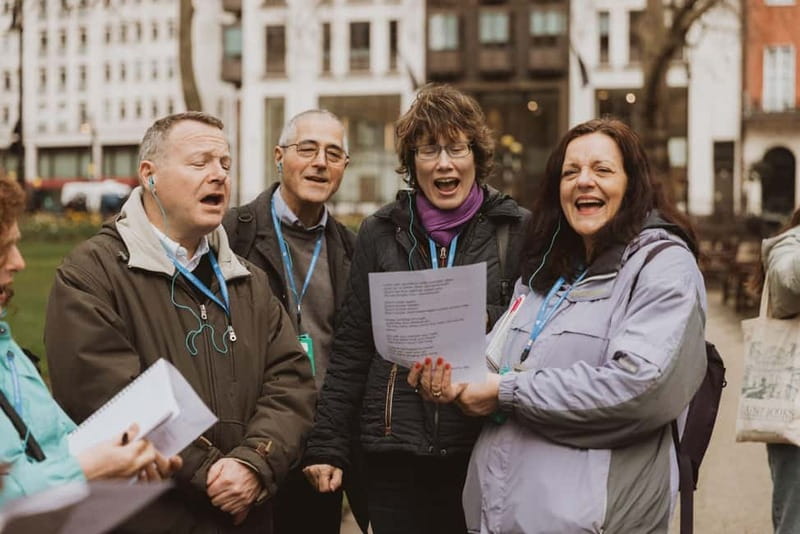
Three hours gives you a well-defined introduction, not a complete study of Churchill or World War II. The outdoor portion moves briskly, with most stops lasting between five and 15 minutes. You will see a great deal, but you will not linger at every site.
The timing works best if you want an overview before exploring London on your own. You get the major political and military landmarks, then a solid block of time in the War Rooms. The final 90 minutes are long enough to make the admission worthwhile.
The route also makes sense geographically. Rather than sending you across the city, it keeps the focus on Westminster and Whitehall. You spend your time walking between related places instead of losing part of the tour to public transport.
Still, this is a walking tour. You need to walk at a moderate pace without difficulty. Comfortable shoes are a sensible choice, and you should be ready to remain outdoors during the first part of the experience. Hotel pickup and drop-off are not included.
The meeting point is the Royal Air Force Memorial, and the tour finishes back at the meeting point area at Clive Steps on King Charles Street. Check the exact meeting instructions when you book, and arrive 15 minutes early so the group can leave on time.
Price and overall value at $106.41
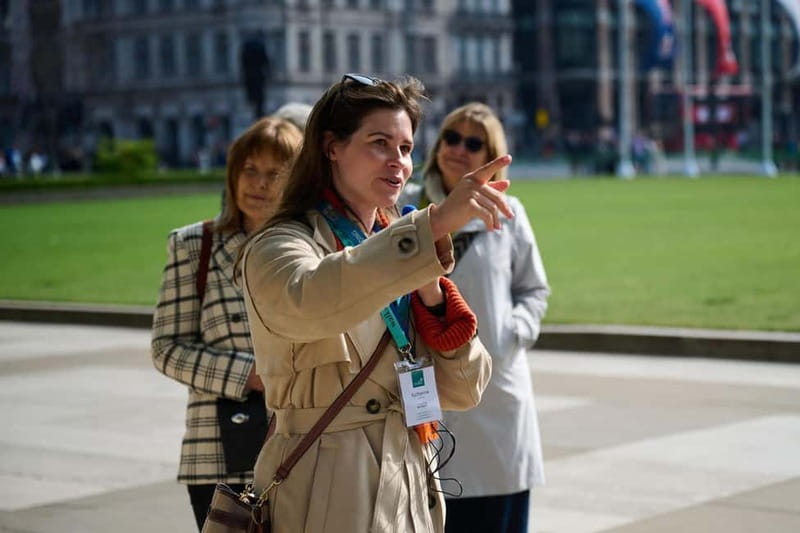
At $106.41 per person, this is not the cheapest way to see Westminster. The price includes the guided walk, a local English-speaking guide, a group capped at 15, and a pre-reserved ticket to the Churchill War Rooms with an audio guide.
The value depends on how much structure you want. If you already plan to visit the War Rooms and feel comfortable learning from the museum on your own, buying entry separately and walking around Westminster independently may cost less. You would also have more control over how long you spend at each sight.
The tour earns its price through the connections between those sights. You hear about Churchill at the RAF Memorial, then see Parliament, Downing Street, Whitehall, and the memorials before entering the bunker. That sequence gives the War Rooms greater meaning than a stand-alone museum visit can provide.
The reserved admission is useful when the museum is busy, though it does not remove all crowding inside. The small group also adds value, especially for first-time visitors who want to ask questions and avoid figuring out the route alone.
Flexible booking is another practical plus. You can reserve now and pay later, and cancellation is free up to 24 hours before the tour for a full refund. Keep in mind that this does not change the walking demands or the English-only format.
Who will enjoy this tour most?
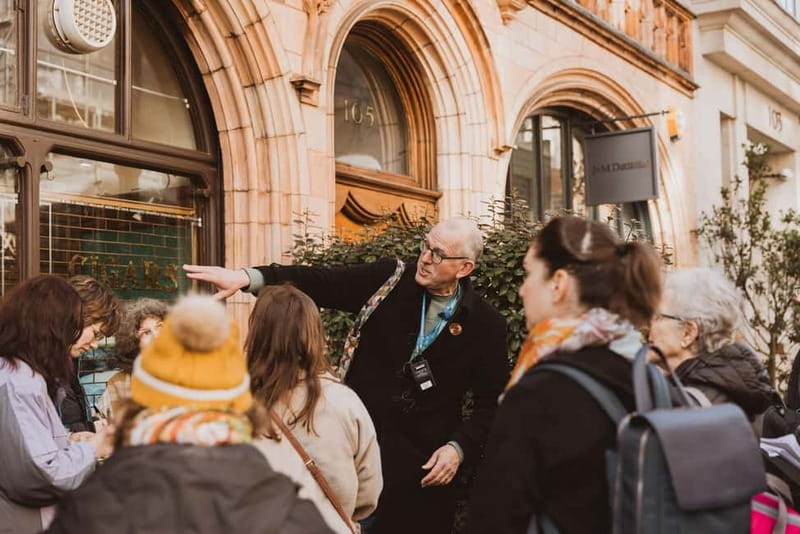
I would recommend this experience to first-time London visitors who want a focused introduction to Churchill and wartime Westminster. It also suits anyone who prefers a guide to explain the meaning behind famous buildings rather than simply point them out.
The tour works well for:
- People with a strong interest in Churchill and World War II
- Visitors who want to combine outdoor sightseeing with a museum visit
- Couples and small groups who value a capped group size
- Families with older children who can manage a steady walking pace
- History fans who want to see the actual rooms used for wartime planning
It may be less suitable if you want a slow photography walk, a full interior visit to Westminster Abbey, or a long, detailed lecture at each stop. It is also not a good fit if you dislike crowds, cannot walk at a moderate pace, or need a stroller.
The accessibility information needs special care. One part of the booking details describes the activity as wheelchair accessible, while the important notes say it is not suitable for wheelchair users, people with mobility impairments, or strollers. Because those statements conflict, contact the provider before booking if access is important to you.
Practical tips for making the most of it
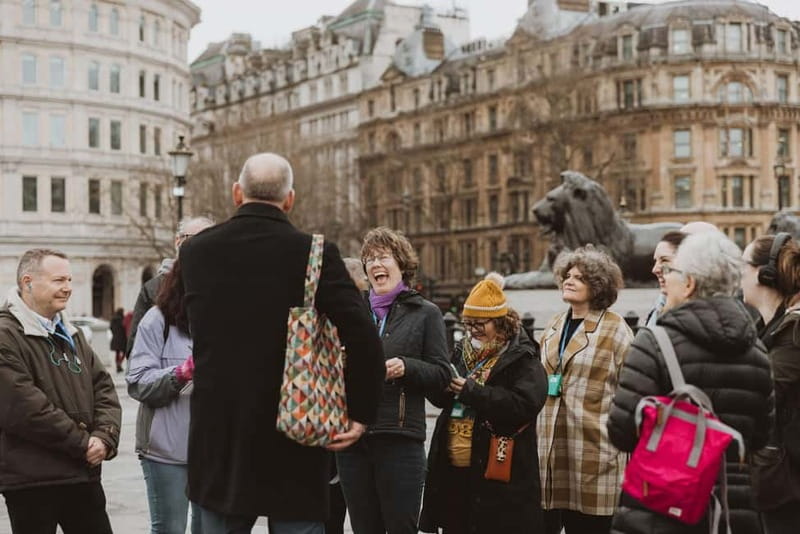
Arrive early at the Royal Air Force Memorial and look for the green Walks sign. The opening meeting point is specific, and a late arrival could mean missing the first explanation.
Bring only what you need. All visitors must pass through security, and weapons or sharp objects are not allowed. Baby strollers are also not permitted.
Use the outdoor portion to ask questions. Once you enter the War Rooms, the audio guide takes over, so the walking section is your best chance to ask about Churchill’s career, the Blitz, Downing Street, or the memorials.
At the War Rooms, take your time with the map room and Churchill’s private office. These spaces carry the strongest sense of place. The audio guide lets you move at your own speed, so you do not need to follow the group once inside.
Choose your date with crowds in mind. Weekends and school holidays can be busy. If you want a calmer museum visit, check different starting times and avoid the busiest periods when possible.
Should you book Churchill’s wartime London tour?
Book it if you want a guided route through Westminster that ends with a serious visit to the Churchill War Rooms. The strongest parts are the logical sequence, the small group limit, the reserved admission, and the live guides who can make Churchill’s story personal and entertaining.
Skip it if you prefer to explore independently, want to enter Westminster Abbey, or need a fully accessible route. The outdoor stops are brief, and the War Rooms are audio-guided rather than led by your guide.
For most visitors interested in Churchill and World War II, the tour offers a useful balance: enough walking to connect the places, enough museum time to see the underground rooms, and enough structure to make central London’s wartime story easier to understand.
FAQ
How long does the tour last?
The tour lasts three hours, including the guided walk and about 1.5 hours at Churchill’s War Rooms.
Where does the tour begin?
The tour begins at the Royal Air Force Memorial in London. Arrive 15 minutes before the scheduled start and look for a guide holding a green Walks sign.
Where does the tour finish?
The activity finishes at Clive Steps on King Charles Street, London SW1A 2AH.
Is the Churchill War Rooms ticket included?
Yes. The experience includes a pre-reserved ticket to Churchill’s War Rooms and an audio guide for the museum portion.
Is the whole tour led by a live guide?
The outdoor walking route is led by a live English-speaking guide. The Churchill War Rooms portion is audio-guided.
What landmarks are included?
The route includes the RAF Memorial, the Boudica Statue, Big Ben, Parliament Square, the exterior of Westminster Abbey, 10 Downing Street, Whitehall, Horse Guards Parade, the Guards Memorial, and Churchill’s War Rooms.
Is the tour suitable for wheelchair users or strollers?
The important tour notes say it is not suitable for wheelchair users, people with mobility impairments, or strollers. Another section describes the activity as wheelchair accessible, so contact the provider before booking if you need accessible arrangements.
Can I cancel the booking?
You can cancel up to 24 hours in advance for a full refund. The tour also offers a reserve now and pay later option.
Just added in London
- Royal London Guided Sightseeing Tour and Thames River Cruise★ 4.0 · 31 reviews
- Roman Ruins to Blitz Bombings: A Walking Tour of London’s Fiery History★ 5.0 · 190 reviews
- Roman London Private Walking Tour★ 5.0 · 44 reviews
- Westminster Abbey, Big Ben, Buckingham Guided Tour of London★ 5.0 · 451 reviews
- River Thames Evening Cruise with Sparkling wine and Canapés★ 4.0 · 569 reviews
- Rock and Roll Walking Tour of Soho London★ 4.5 · 64 reviews
- London Private Chauffeur Half-Day or Full-Day Vehicle Rental★ 5.0 · 37 reviews
- Rich people behaving badly★ 5.0 · 47 reviews
WWII & Churchill Tours, compared.
Westminster 3 Hour Walking Tour and Visit of Churchill War Rooms
Read our review →
WW2 London Walking Tour & Churchill War Rooms Entrance Ticket
Read our review →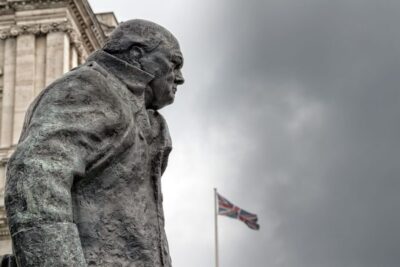
Westminster WW2 Tour & Churchill’s War Rooms Ticket
Read our review →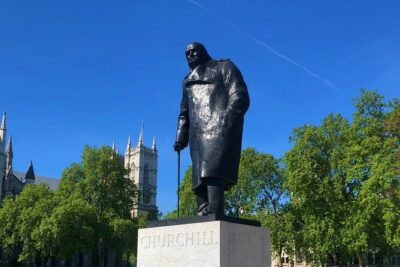
London in WW2 Walking Tour with Churchill War Rooms Visit
Read our review →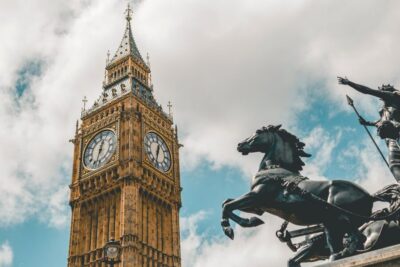
Westminster Tour and Churchill War Rooms Visit
Read our review →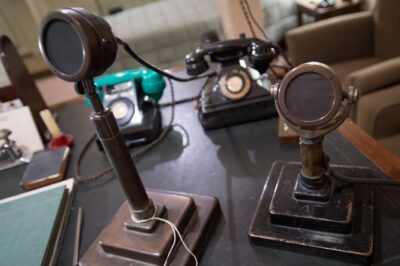
Churchill War Rooms “Behind The Glass” and Private Car Tour
Read our review →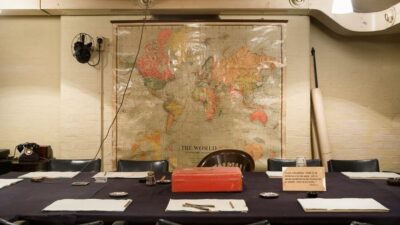
Churchill War Rooms Ticket & Political London Audio
Read our review →Browse the lists this tour appears in