
Reviewed · ROMAN BRITAIN TOURS
Hadrian’s Wall: Housesteads Roman Fort Entry Ticket
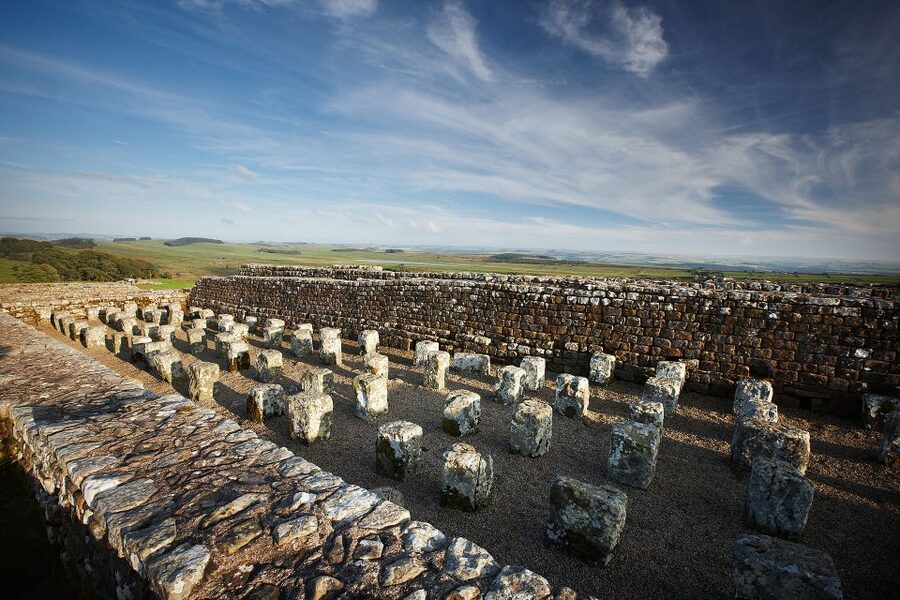
Housesteads Roman Fort gives you one of the clearest glimpses into daily Roman military life along Hadrian’s Wall. Set high on an escarpment, the ruins include barracks, a hospital, granaries, the commander’s house, and communal toilets, while the surrounding views make the fort’s defensive role easy to understand. I especially like the 360-degree views and the chance to see ordinary details, such as sanitation, tools, clothing, and medicine, rather than only grand monuments. The museum’s film, with Felix guiding younger visitors, is another useful touch.
The main drawback is that the site is weather dependent and requires comfortable walking shoes. Some explanatory signs may not answer every question, and one visitor found the information around the ruins a little thin. If you have National Trust membership, check your entry rights before paying, since a booking mistake can mean paying for admission that may have been covered.
Key points to know before you go
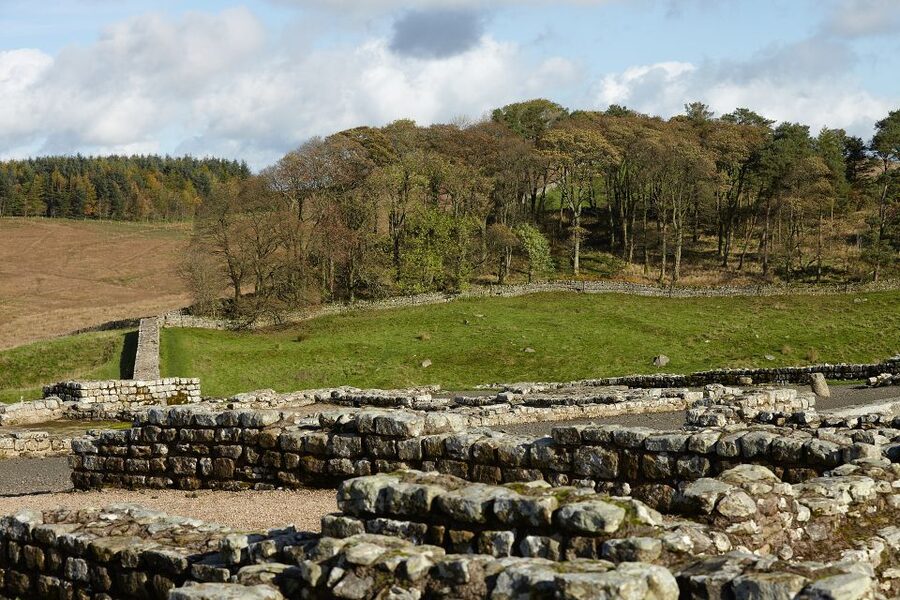
- Roman life beyond the battlefield: See barracks, a hospital, granaries, a commander’s house, and the fort’s communal toilets.
- High position on Hadrian’s Wall: The escarpment gives you broad views across Northumberland and helps explain the fort’s defensive setting.
- Museum film with Felix: A short cinema presentation recreates the original Roman buildings and gives younger visitors an easy way into the story.
- Real objects from the fort: Look for altars, dedication stones, jewellery, tools, weapons, and the winged statue of Victory.
- Family-friendly extras: The Housesteads Trail includes five acres for children, Roman soldier dress-up, and an I spy game.
- Flexible booking: The $13 entrance ticket is valid for one day, with cancellation available up to 24 hours before arrival.
Why Housesteads feels different from a typical Roman ruin
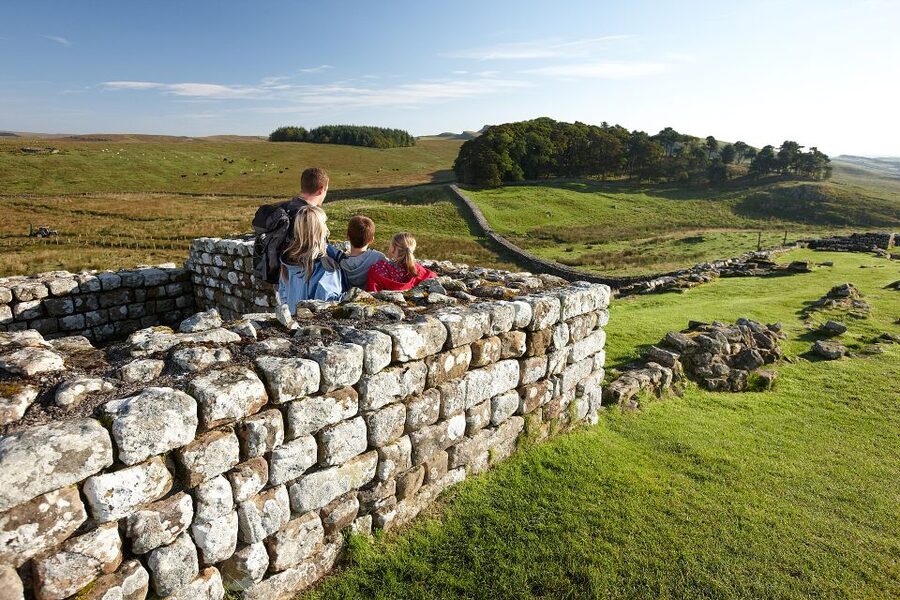
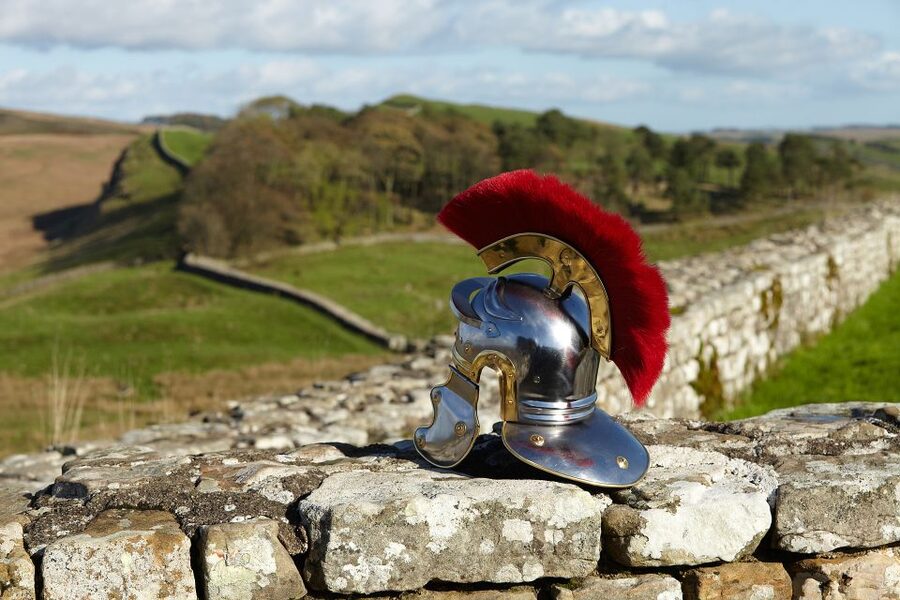
Housesteads is not simply a patch of old stone beside Hadrian’s Wall. Its position gives the site a strong sense of purpose. The fort sits on an escarpment, surrounded by open Northumberland countryside and dramatic stretches of the wall. From the top, you can see why the Romans chose this ground and how difficult it must have been to approach.
I like that the visit focuses on practical life. You can picture soldiers storing grain, treating injuries, keeping equipment, following religious customs, and using communal toilets. The fort once supported around 800 soldiers, so the ruins are best read as the remains of a working settlement, not just a military lookout.
The setting also shapes the experience. On a clear day, the views are a major part of the ticket. In wet or windy weather, the same exposed position can make the visit more demanding. Bring shoes with good grip and give yourself enough time to move slowly among uneven ruins.
More Roman and medieval sites within reach of England:
- London: Windsor, Stonehenge, Bath, and Roman Baths Day Trip
★ 4.5 · 5,131 reviews - Guided Celtic Park Stadium Tour
★ 5.0 · 3,136 reviews - Stonehenge and Bath Day Trip from London with Optional Roman Baths Visit
★ 5.0 · 2,028 reviews
Entering the fort and getting your bearings
Your pre-booked entrance ticket covers admission to Housesteads Roman Fort for one day. The exact meeting point can vary according to the option you book, so check your confirmation before setting out.
Once inside, take a little time to get your bearings. The remains cover several parts of the Roman settlement, and the open-air setting means you will be walking between exposed stone walls rather than following a fully enclosed museum route. Comfortable shoes are specifically recommended, and that is sensible advice here.
The fort’s high location is one of its greatest strengths, but it also means access and movement may not suit every visitor. If anyone in your party has impaired mobility, contact the site before arrival to discuss the most suitable route into and around the fort. Do this in advance, since the site’s terrain and access arrangements can affect how much of the remains you can see.
Barracks that reveal the working army
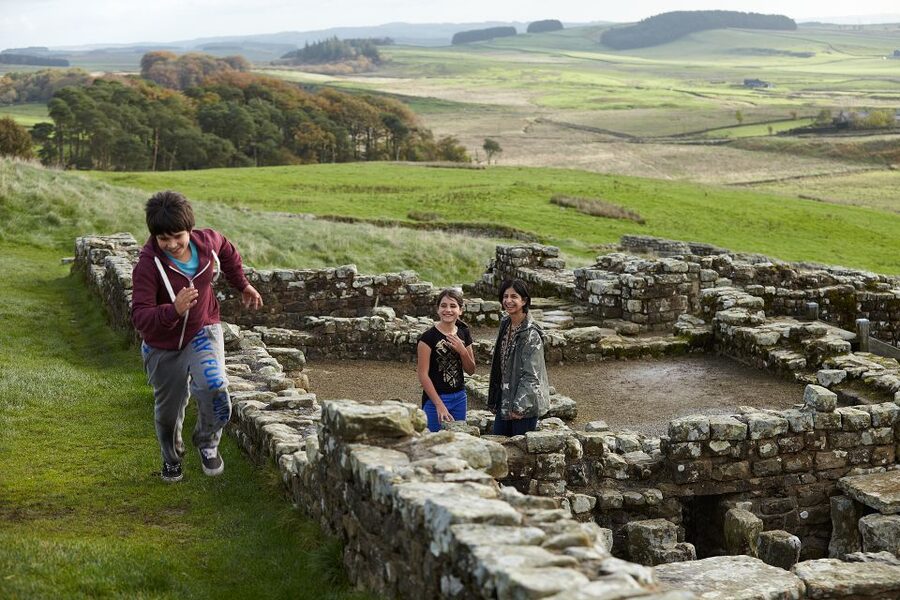
The barrack blocks are among the most useful places to start. They help turn the fort from an abstract military outpost into a place where soldiers slept, stored belongings, prepared equipment, and spent long stretches of service.
The remains will not give you a complete picture of every room, so use the layout as a guide rather than expecting reconstructed interiors. The value lies in seeing how the fort was arranged and in imagining the scale of daily operations when hundreds of soldiers lived and worked here.
The visit also introduces details about clothing, tools, weapons, medicine, and religious beliefs. These subjects matter because they show that life on the frontier involved much more than patrols and combat. A soldier needed food, medical care, storage, religious practice, and a dependable system for maintaining equipment.
The hospital, commander’s house, and granaries
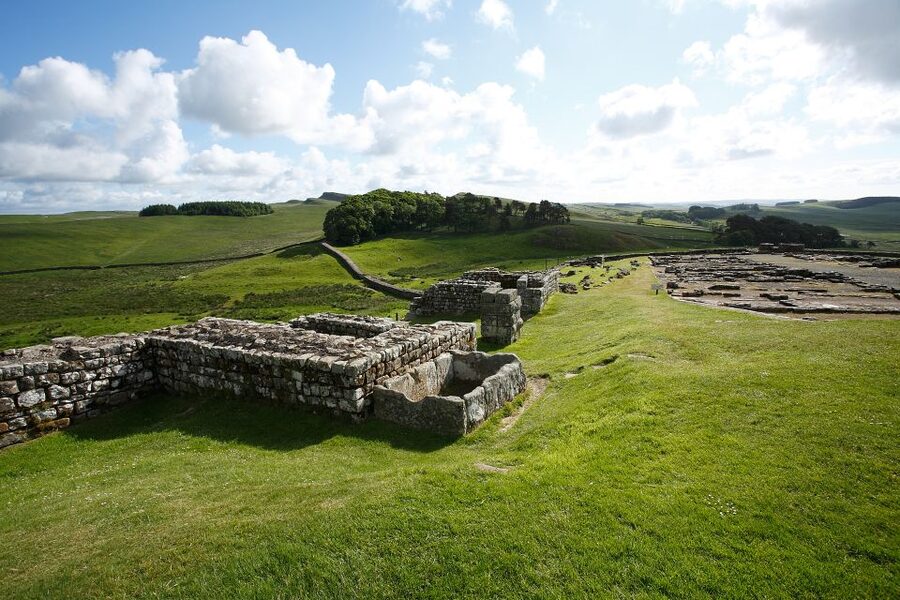
The hospital offers one of the more human parts of the visit. Roman forts needed places to treat illness and injury, and this building points to the medical side of military life. It gives you a reminder that an army’s strength depended on care, supplies, and organization as much as weapons.
The commander’s house provides a useful contrast. It represents the higher-ranking side of the fort, while the barracks show the shared conditions experienced by ordinary soldiers. Seeing these areas together helps you notice the social structure inside the fort.
The granaries are equally important, even if they may appear less dramatic at first. A frontier post with around 800 soldiers needed dependable food storage. These buildings show the practical system behind the Roman presence: supplies had to arrive, be protected, and be distributed before soldiers could guard the wall.
A few more half-days in England worth comparing
- Thorpe Park Admission Ticket
★ 4.0 · 5,915 reviews - Alton Towers Resort 1 Day Admission Ticket
★ 3.5 · 5,501 reviews - Warwick Castle Admission Ticket
★ 4.0 · 2,096 reviews - The Great British Rock and Roll Walking Tour
★ 5.0 · 1,371 reviews
The ancient toilets are a surprisingly memorable stop
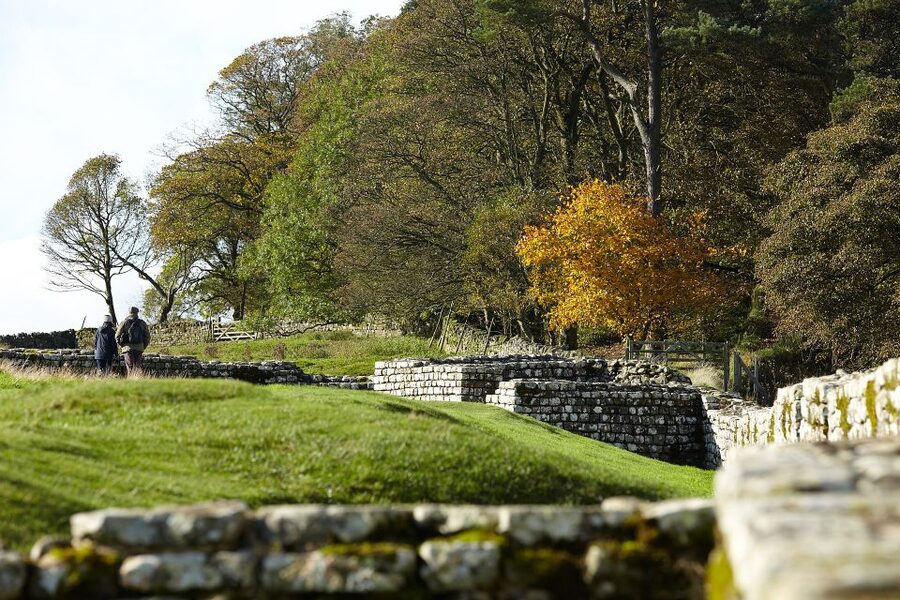
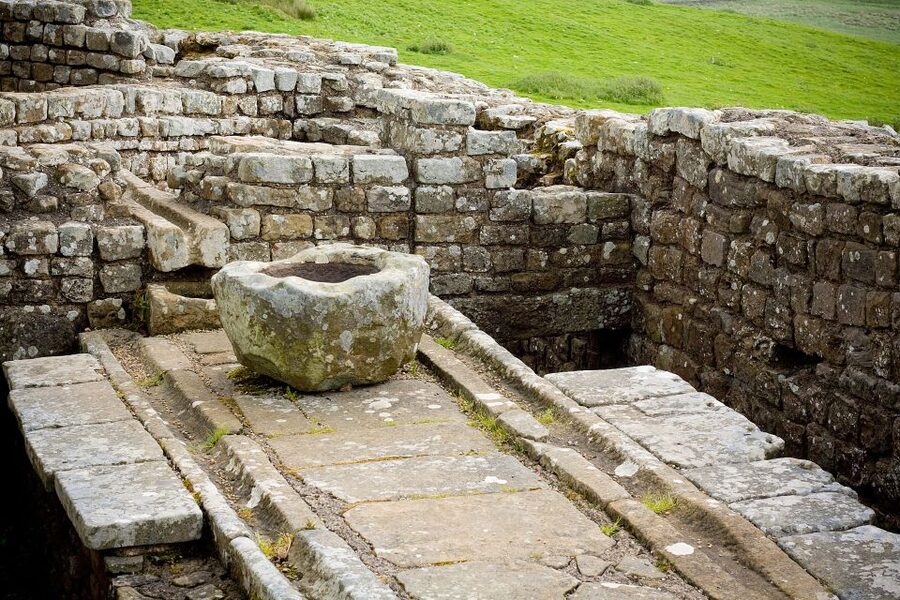
The communal toilets are one of Housesteads’ most talked-about features, and they are worth seeking out. They are not grand or beautiful, but they offer an unusually direct connection to everyday Roman life.
You can learn more from a toilet block than from another fragment of wall. It raises questions about hygiene, communal routines, plumbing, and the simple habits that soldiers carried out every day. Calling them the oldest toilets you will ever see may sound playful, but the stop is genuinely useful for understanding how ordinary the fort was as a place of work and residence.
This is also a good point for families. Children often remember practical details better than formal dates, and the toilets provide an easy way to make the past feel real without turning the visit into a lecture.
The museum and its short film
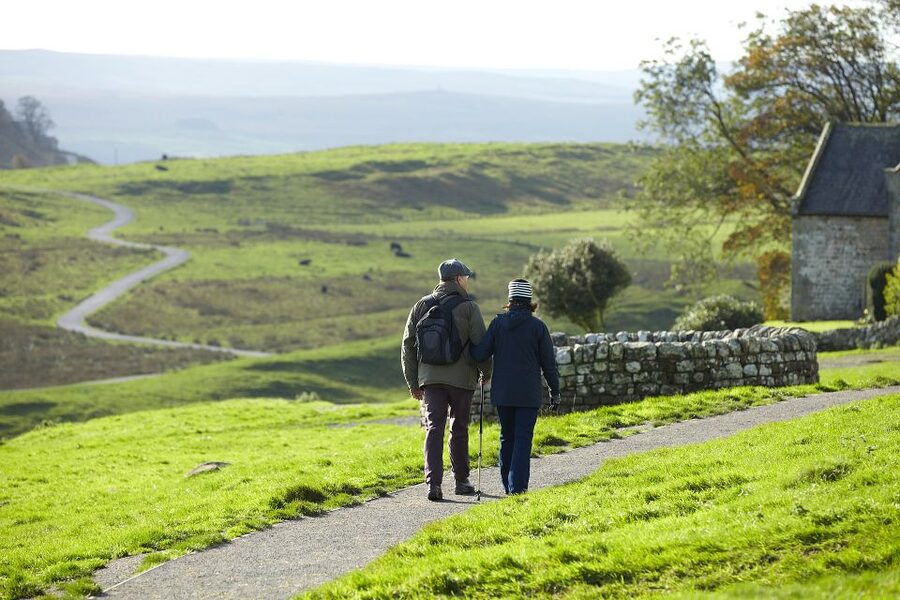
After exploring the ruins, head to the museum. The small cinema presents the fort through a film that recreates the original Roman buildings. It gives you a clearer sense of how the site may have looked before weather and time reduced it to foundations and walls.
Felix guides younger visitors through the film, making this part especially helpful for families. The presentation can also serve as a reset after walking through the open-air ruins. If you are visiting with children, use the film to connect the stone remains with the buildings they have just seen.
The museum’s collection adds detail that the fort itself cannot provide. You can see Roman altars, dedication stones, jewellery, tools, and weapons excavated from the site. These objects bring personal choices into view: what people wore, what they valued, how they worshipped, and what they used at work.
Look for the winged statue of Victory. It is an impressive classical sculpture found lying in the area around the fort. It offers a different kind of evidence from the practical objects, showing how Roman symbols and religious ideas formed part of life at this remote frontier post.
The Housesteads Trail and family activities
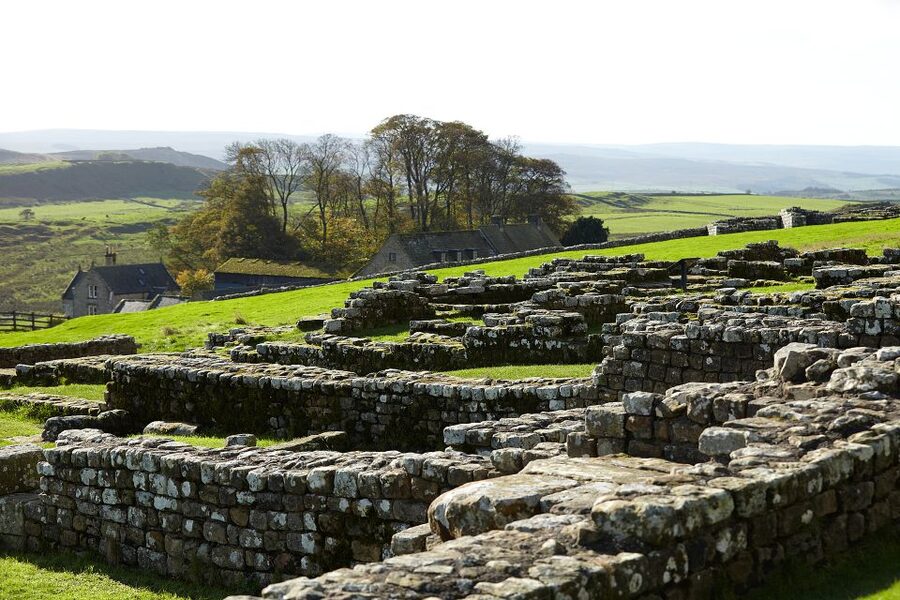
The Housesteads Trail extends the visit beyond the main ruins. It covers quieter parts of Northumberland National Park and gives you room to slow down after examining the fort’s buildings.
Families get the most from this section. Children can run around five acres, dress up as Roman soldiers, and play an I spy game near the edge of the Roman Empire. These activities give younger visitors something active to do while still keeping the fort at the center of the day.
You should not expect a guided adventure or a tightly timed children’s program. The trail is an added part of the site experience, so you can set your own pace. It works best if you plan to spend a full day in the area rather than rushing in, seeing the museum, and leaving immediately.
How much time should you allow?
The ticket is valid for one day, which is helpful because Housesteads is better when treated as a substantial visit rather than a quick photo stop. You can examine the fort, watch the film, visit the museum, and follow the trail without having to squeeze every stop into a short window.
Opening times change by season. From March 23 to October 27, last entry is at 4:00 PM. From October 28 to March 30, last entry is at 3:00 PM. Weather can affect opening, and the site may close on rare occasions when conditions are poor. If bad weather is forecast, contact the site directly before travelling.
The open position makes timing important. A dry morning or afternoon will make the ruins easier to explore, while strong wind or rain may reduce how long you want to stay outside. I would avoid arriving close to last entry, since that leaves little time for the museum and trail.
Is the $13 ticket good value?
At about $13 per person, the ticket offers solid value if you want more than a quick look at Hadrian’s Wall. Admission covers the fort, museum, film, and family activities, so the price includes several different ways to experience the site.
The value is strongest for people who enjoy archaeology and place-based history. You get the physical remains, objects removed from the site, a reconstruction film, and the wider setting. The 360-degree views add something that no indoor display can provide.
The calculation is less favorable if you only want a brief view of the wall or if bad weather limits your time outside. The ticket is also less attractive if you arrive late and miss the museum or trail. Plan your visit around the full collection of features.
There is an important membership detail to check before booking. A visitor reported paying full admission for two people who had National Trust membership and found that a refund was not available afterward. Since the ticket is provided through English Heritage and membership arrangements can be easy to misunderstand, confirm your entitlement directly before purchasing.
What the site does well, and where it could improve
The staff are a clear strength. The site has been described as having very helpful and friendly employees, and there is a small café and a large parking area. Those practical touches matter after time spent walking in an exposed location.
The signage is useful but may not answer every question. One visitor specifically felt that more explanatory signs were needed among the fort remains. If you want a highly guided experience at every building, you may find yourself relying on the museum and your own imagination.
The site can also be busy at popular times, with other people walking in the area. That does not take away from the ruins, but it can make the narrow paths and viewpoints feel less quiet. An earlier arrival may give you a calmer start, though opening times and weather should guide your final plan.
Who will enjoy Housesteads most?
I would recommend this ticket to anyone interested in Roman military life, archaeology, or Hadrian’s Wall. It suits visitors who like to move between outdoor ruins and indoor displays, since neither part tells the whole story on its own.
Families have several useful features here: Felix’s film, Roman dress-up, the I spy activity, and five acres where children can run. The communal toilets and weapons can also give younger visitors memorable details to look for.
You should think carefully before booking if you have limited mobility or dislike exposed sites in uncertain weather. Contact the fort first if anyone in your group has impaired mobility, and check whether the weather may cause closure. This is a historic site on open ground, not a fully level museum.
Should you book the Housesteads Roman Fort ticket?
Book it if you want a full Hadrian’s Wall stop with ruins, museum objects, a short film, family activities, and big views for around $13. The fort’s best quality is its range: you see the military buildings, the personal side of Roman life, and the countryside that shaped this frontier post.
Skip it only if you are seeking a very short roadside stop, need fully predictable weather, or already have entry covered through a membership arrangement. Check that point before paying, wear comfortable shoes, and arrive early enough to enjoy the museum and trail as well as the fort.
FAQ
Where is Housesteads Roman Fort?
Housesteads Roman Fort is in Northumberland, United Kingdom, on Hadrian’s Wall.
How much does admission cost?
The listed price is $13 per person. A family ticket permits entry for up to two adults and up to three children aged 5 to 17.
How long is the ticket valid?
The ticket is valid for one day.
What does the entrance fee include?
The entrance fee includes access to Housesteads Roman Fort and its museum. The visit also includes the mini-cinema film and the Housesteads Trail.
What can I see at the fort?
You can see barrack blocks, a hospital, the commander’s house, granaries, communal toilets, and dramatic stretches of Hadrian’s Wall. The museum displays Roman altars, dedication stones, jewellery, tools, weapons, and the winged statue of Victory.
Is there anything for children?
Yes. The museum film features Felix, a character who guides younger visitors. Children can also use the five-acre area, dress up as Roman soldiers, and play an I spy game on the Housesteads Trail.
What should I bring?
Bring comfortable shoes. The site is outdoors and set on an escarpment.
Can the site close because of weather?
Yes. Opening is weather dependent, and the site may close in rare cases of bad weather. If poor weather is forecast, contact the site directly before arriving.
What are the last entry times?
During the summer season from March 23 to October 27, last entry is at 4:00 PM. During the winter season from October 28 to March 30, last entry is at 3:00 PM.
Just added in England
- British Museum Highlights Private Guided Tour★ 5.0 · 29 reviews
- Heathrow Airport to Southampton Port or Hotel Private Airport Arrival Transfer★ 5.0 · 45 reviews
- Heathrow To Southampton Cruise Port Transfers★ 4.5 · 110 reviews
- Private Guided Tour of the British Museum★ 5.0 · 50 reviews
- British Royal 3 Hour Walking Tour!★ 4.5 · 53 reviews
- British Museum In-Depth Private Guided Tour★ 5.0 · 40 reviews
- British Museum Guided Tour with Priority Timeslots(Small Group)★ 5.0 · 192 reviews
- Explore Biblical Artifacts at the British Museum★ 5.0 · 120 reviews
Roman Britain Tours, compared.
Windsor, Stonehenge, Bath, and Roman Baths Day Trip
Read our review →

Stonehenge and Bath Day Trip from London with Optional Roman Baths Visit
Read our review →
City Walking Tour with Optional Roman Baths Entry
Read our review →

Fascinating Walking Tours Of Roman Chester With An Authentic Roman Soldier
Read our review →
Browse the lists this tour appears in