
Reviewed · MUSEUMS
London: Natural History Museum Guided Tour
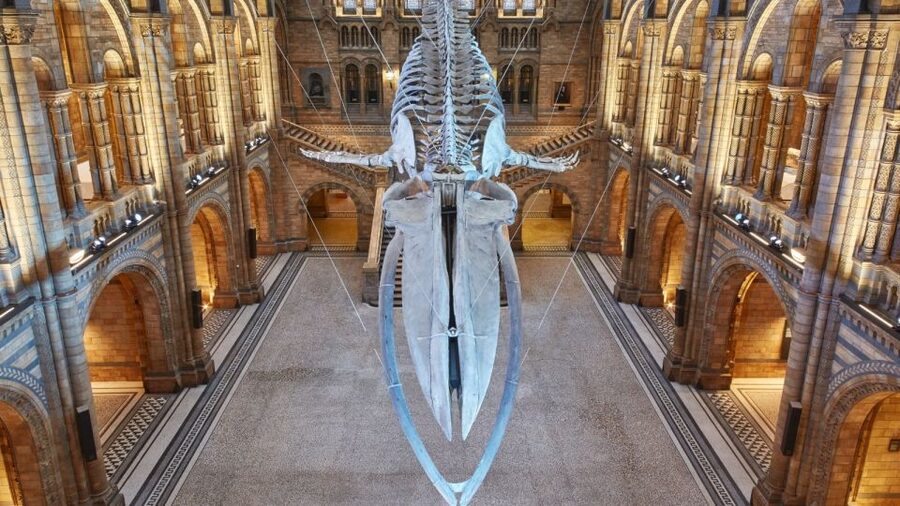
London’s Natural History Museum is the sort of place where you can walk past a dinosaur tooth, a Dodo skeleton, and a slice of giant sequoia without knowing where to look first. This 2.5-hour guided tour gives the museum a clear route through its 80 million specimens, instead of leaving you to wander its many galleries with a map and a tired family in tow.
I like the focus on the museum’s most memorable objects, especially the Pompeii casts and the rare Archaeopteryx. I also like the small group limit of eight, plus the private option, which gives guides such as Ivo, Matilda, Sacha, and Luis room to answer questions. The main drawback is the $112 price per person, which makes the tour best for a first visit or a family that wants expert direction, not for someone happy to browse alone.
Key points
- Meet the Dodo and Archaeopteryx: See a Dodo skeleton and a rare fossil linked to the story of birds and dinosaurs.
- Follow a clear 2.5-hour route: The guide helps you cover major highlights in a museum filled with 80 million specimens.
- Hear the Pompeii story through casts: The volcanic disaster becomes personal when you see the casts of victims.
- Good for curious families: Guides have been praised for keeping children aged 8, 11, 13, and 16 involved.
- Choose private or small-group touring: Shared groups have a maximum of eight people, while private tours offer more control.
- Pack light: Large bags and luggage are not allowed, and you should bring a passport or ID card.
Why a guide helps inside this enormous museum
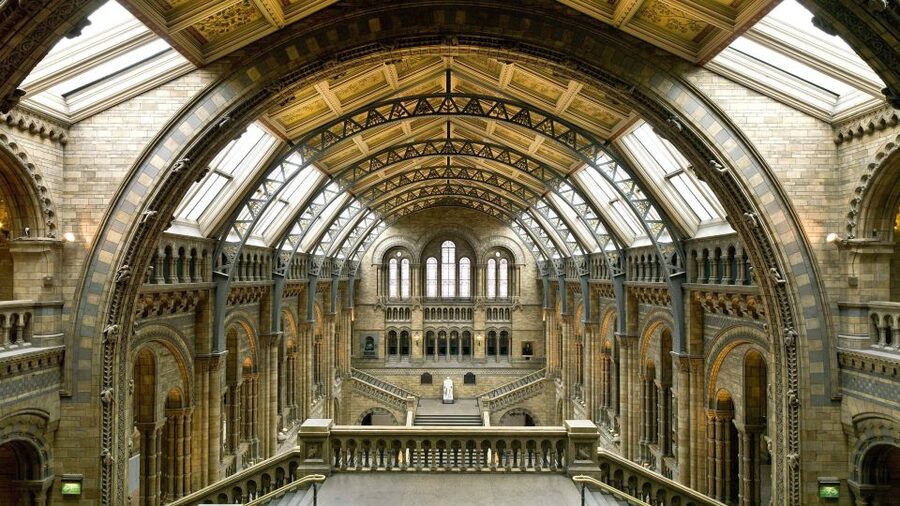
The Natural History Museum is not a small collection that you can neatly tick off in an hour. Its galleries cover the origins of Earth, prehistoric life, human development, geology, animals, and plant life. With 80 million specimens in the wider collection, the hard part is not finding something interesting. The hard part is deciding what deserves your limited time.
That is where this tour earns its keep. Your English-speaking art historian guide leads you toward major displays and explains why they matter. You are not simply pointed toward a fossil and given its name. The aim is to connect Earth’s early story with the arrival of dinosaurs, birds, humans, and the societies that came after us.
I especially like this approach for a first visit. A guide can give you the big picture, then use a handful of objects to make it concrete. Reviews of the tour repeatedly praise guides including Ivo, Matilda, Sacha, Luis, Guy V., Laurence, Becky, Anthony, and Craig for clear explanations, good pacing, and an ability to adjust the talk for adults and children.
The small group format matters here. A maximum of eight people is far more manageable than a large herd moving between crowded displays. You can ask a question without having to shout across a room, and the guide can give extra attention to younger children or people who speak English as a second language.
More Museum Tours in London
- Tower of London and Crown Jewels Exhibition Ticket
★ 4.5 · 6,677 reviews - London: Chelsea Football Club Stadium and Museum Tour
★ 4.8 · 4,576 reviews - Chelsea FC Stadium Tours and Museum
★ 5.0 · 1,908 reviews
From Iguanodon teeth to Sophie the Stegosaurus
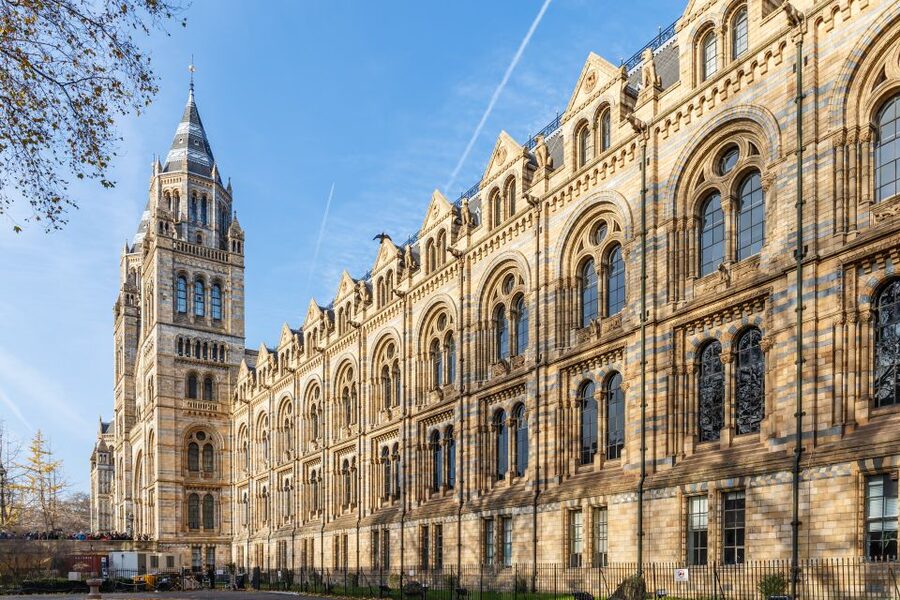
The tour traces the story of life through objects that make abstract science easier to grasp. Iguanodon teeth are a good early stop because they show the physical evidence behind our understanding of herbivorous dinosaurs. You are looking at a small object, but it opens a wider discussion about diet, anatomy, and how fossils help scientists reconstruct vanished animals.
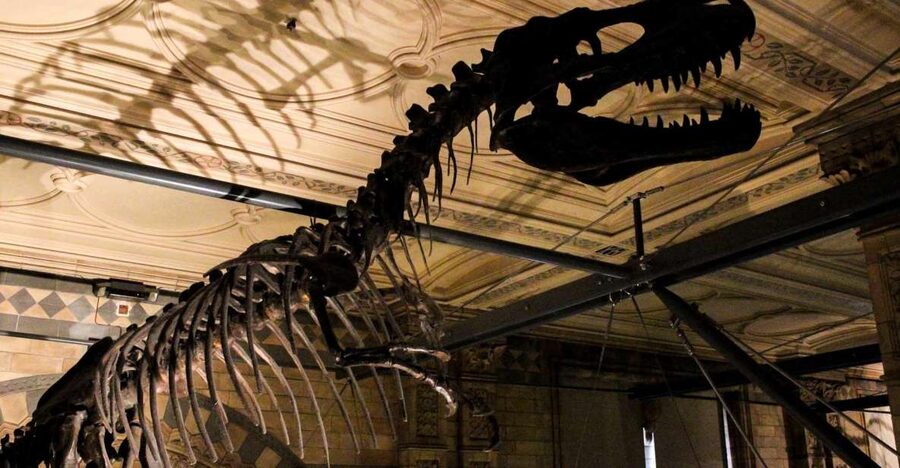
Sophie the Stegosaurus gives the dinosaur section a more recognizable character. A full skeleton or major dinosaur display has an instant effect on children, but the guide’s context is what turns that reaction into learning. You can expect explanations that connect the animal’s body shape with the world it lived in, rather than a quick name and date before moving on.
This part should suit families particularly well. One review describes an 8-year-old feeling as if he were walking with dinosaurs and human ancestors, while other parents praised the guides for including children in the discussion. That is useful because the museum can otherwise overwhelm young visitors with labels and technical terms.
The tour is not designed to cover every dinosaur or every specimen. That is a strength, not a flaw. You get a selected route through the most important objects, then you can return to any favorite gallery after the guided portion if your ticket and timing allow. The guided experience itself remains focused rather than turning into a long catalogue of names.
The Dodo skeleton and the question of extinction
The Dodo skeleton is one of the tour’s most appealing stops. The bird has become a familiar symbol of extinction, but seeing the actual skeleton brings the story down to a human scale. You are no longer dealing only with a picture in a book. You are looking at physical evidence of an animal that disappeared.
This is a good point for a guide to explain how museum specimens help us understand species that no longer exist. The Dodo also gives the tour a useful change of pace. After large prehistoric reptiles, you get an animal that feels closer to the modern world, yet is still gone.
The guide can help you think about the difference between a famous museum object and an ordinary display label. A skeleton may look simple, but it can raise questions about anatomy, extinction, and the limits of what we can know from remains. I like these quieter stops because they give the tour more range than a parade of giant creatures.
Archaeopteryx and Darwin’s first edition
The rare Archaeopteryx is another major highlight. It is often described as a missing link between dinosaurs and birds, though that phrase can make a complex scientific story sound too tidy. Your guide can place the fossil within the wider debate about how birds developed from dinosaur ancestors and why this specimen has attracted so much attention.
You will also see a first edition of Charles Darwin’s On the Origin of Species. The value of this stop is not just the book itself. It connects the specimens around you with the changing ideas used to explain life on Earth.
For me, this is where a guided visit gains real depth. You are moving from bones and fossils to the history of scientific thought. The book gives a human face to a major shift in how people understood nature, while Archaeopteryx shows how fossil evidence can shape that thinking.
The museum can be exciting without being easy to understand. A good guide helps you hold both parts together: the wonder of the objects and the careful process behind the conclusions. That balance is one reason the tour works for adults who want context as well as for children who simply want dinosaurs.
Same trip, a completely different kind of day:
- London: The London Eye Entry Ticket
★ 4.6 · 35,875 reviews - From London: Harry Potter Warner Bros Studio Tour
★ 4.7 · 26,588 reviews - London: Westminster to Greenwich River Thames Cruise
★ 4.5 · 22,836 reviews - London: Madame Tussauds London
★ 4.6 · 20,915 reviews
Pompeii casts and the human cost of disaster
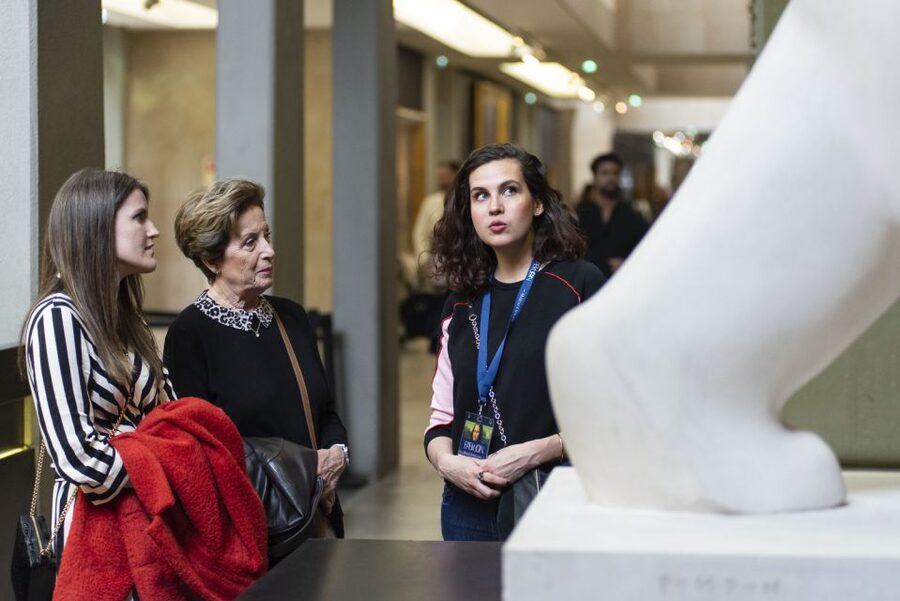
The Pompeii displays bring a more serious mood. The casts of victims from the volcanic disaster are powerful because they show individual bodies caught in a sudden event. You may find this section moving, especially if you have young children with you, so it is worth preparing them for the subject before the tour.
The guide places the casts within the story of the eruption and the people affected by it. This is not simply a geology stop. It links volcanic activity with daily life, death, and the way archaeology preserves evidence of a vanished moment.
I appreciate this change in tone. A museum tour that stays only with entertaining dinosaurs can feel shallow. Pompeii adds a reminder that natural forces have always shaped human life, often with terrible results.
The tour also includes information about civilizations that used human skulls as drinking glasses. That is a striking and unsettling detail, and it shows how the program moves beyond dinosaurs and fossils into human customs. The subject may not suit every child, but an art historian guide can explain it with care and provide context rather than treating it as a shock gimmick.
The Cursed Amethyst and a giant sequoia slice
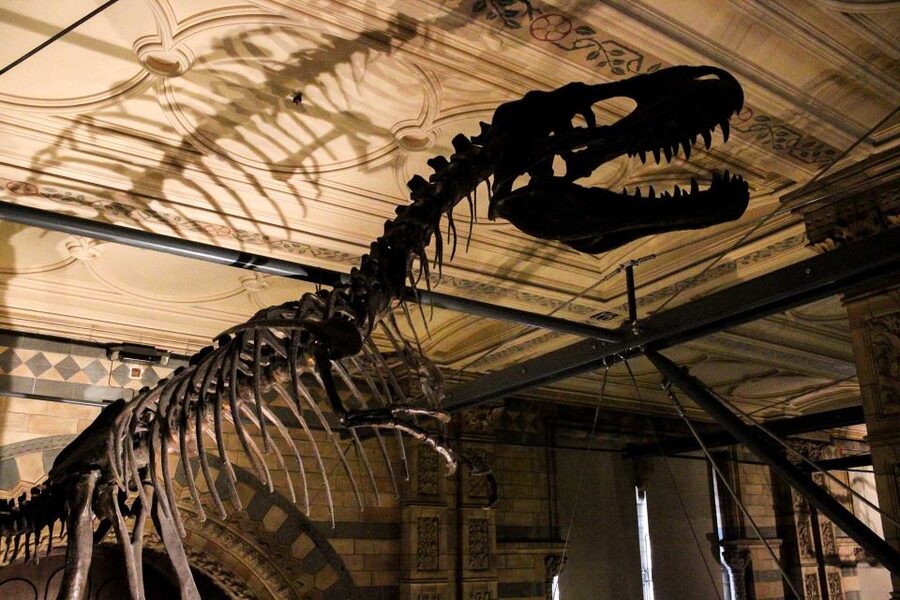
The Cursed Amethyst adds a touch of mystery to the route. Its story gives the museum a different kind of appeal, one based less on evolution and more on legend, belief, and the way people attach meaning to natural objects.
This stop helps keep the tour varied. You are not spending two and a half hours hearing only about bones. The museum’s collections also include objects that have gained strange reputations, and the Cursed Amethyst gives your guide a chance to separate the object itself from the stories built around it.
An enormous slice of a giant sequoia provides another memorable change of scale. A tree section lets you see age and size in a way that a label cannot fully convey. You can look at its rings and consider how long it lived, while also seeing the physical bulk of a single organism.
These two stops are useful reminders that natural history includes more than extinct animals. Rocks, plants, fossils, books, and cultural objects all help tell the story of how people understand the natural world.
How the 2.5 hours feel with children
The duration is well judged for a guided museum visit. Two and a half hours gives the guide enough time to build a story, but it is not so long that most children lose interest before the final gallery.
Several guides have received praise for involving children directly. Ivo was singled out for keeping both an 11-year-old and a 16-year-old engaged, even with English as their second language. Guy V. was praised for answering children’s questions patiently, while Matilda was able to explain major objects in a way that worked for both an adult and a 13-year-old.
That does not mean every child will stay fascinated every minute. The museum is still a museum, and some objects require patience. You should expect a small amount of walking, standing, and moving between galleries. Comfortable clothing and sensible shoes will help, though the activity does not describe a strenuous route.
I would choose the private option if your family has very different interests or if you want to set the pace around younger children. The shared option is a good value choice, especially if you enjoy learning with a few other people and the group has at least two participants. Shared tours are capped at eight, but they require a minimum of two people to run. If that minimum is not met, an alternative date or full refund is offered.
Private or small group, which option makes sense?
The private tour gives you the most control. You can ask more questions, slow down at favorite objects, and keep the discussion tailored to your group. It is the better fit for families, multigenerational groups, or anyone who wants a more personal visit.
The shared tour should suit couples and solo visitors who want the structure of a guide without paying for a completely private experience. A maximum of eight people keeps it intimate enough for conversation, though the exact feel will depend on the group.
The guides have different personalities. Ivo is repeatedly described as warm, lively, and good at balancing serious material with humor. Matilda receives praise for clear explanations and strong command of the museum’s key objects. Sacha is described as calm and approachable, while Luis is noted for precise explanations and clear English. Those details matter if you are nervous about following a technical tour in a second language.
The activity is offered in English. One past participant also noted that Luis speaks Spanish well, but you should not assume another language unless it is specifically confirmed when booking.
Is $112 good value?
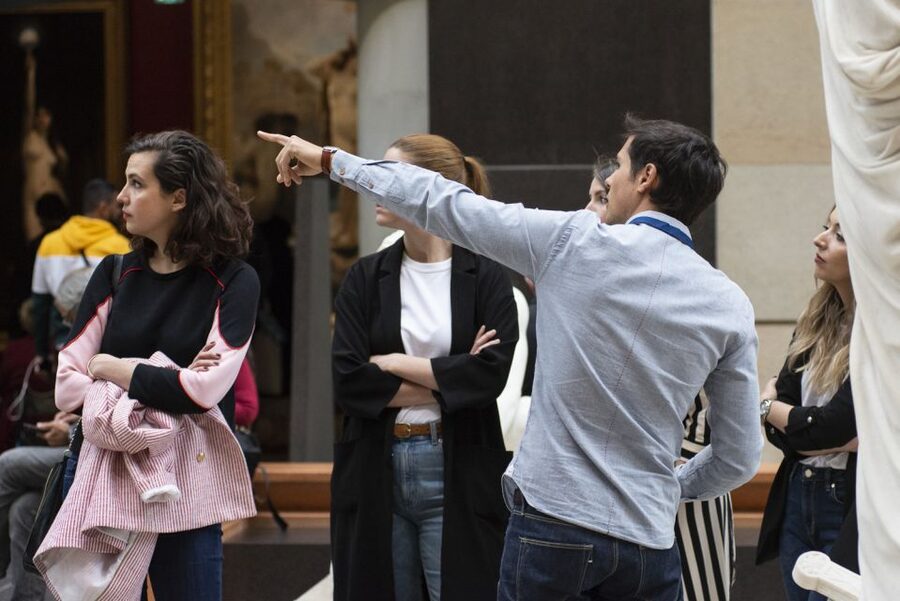
At $112 per person, this is not a budget museum visit. You are paying for a professional art historian guide, a skip-the-ticket-line benefit, and a structured route through a huge collection. Private and small-group formats also cost more than entering a museum and reading the displays at your own pace.
I think the price can be justified for a first visit, especially if you have only one day in this part of London. You will spend less time figuring out the layout and more time looking at the objects that make the museum memorable. Families may also find the price worthwhile if a guide keeps children interested instead of rushing through galleries or losing them to information overload.
The value is weaker if you already know the museum well, prefer quiet independent visits, or want to spend a full day studying temporary displays. Temporary exhibitions are not included, and the tour focuses on selected highlights rather than every gallery.
You should also remember that food and drinks are not included, and there is no hotel pickup or drop-off. Plan your own route to the meeting point, which can vary by booking option, and allow time to pass through security.
Practical details before you book
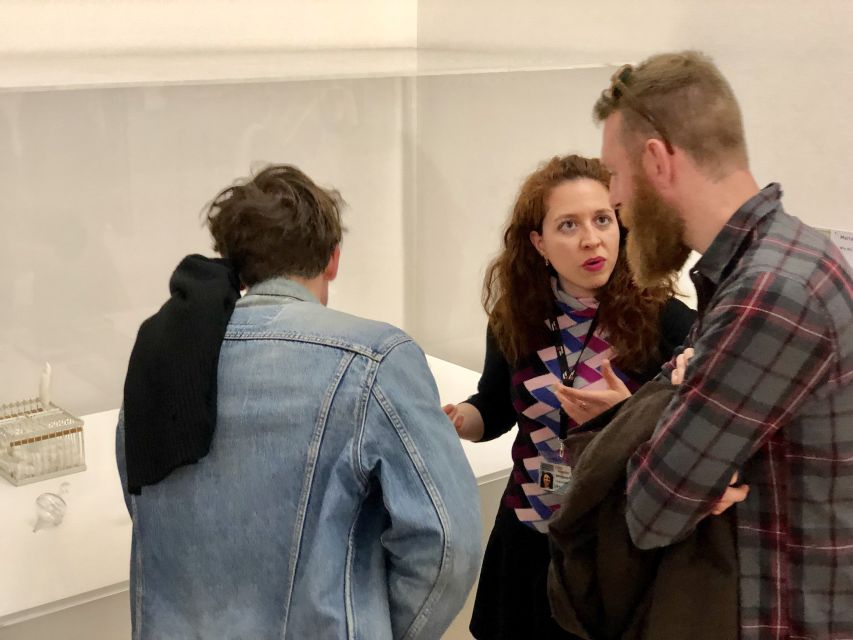
Bring a passport or ID card. Large bags, suitcases, and luggage are not allowed inside, while handbags and small thin backpacks may pass through security.
Skip-the-line access does not mean every moment will be instant. Increased security can still create a short wait, and museums can occasionally close or delay opening without warning. If opening is delayed by more than an hour, an alternative arrangement is provided, but a refund is not offered in that situation.
The tour is available daily, with starting times depending on the date you choose. You can cancel up to 24 hours ahead for a full refund, and reserve now while paying later, which helps if your London schedule is still changing.
Wheelchair tours are available only on request and only as private tours. The standard activity is marked unsuitable for wheelchair users, so contact the provider before booking if step-free access is important.
Who should book this Natural History Museum tour?
I would choose this tour if you are visiting the museum for the first time, want the major objects explained in a logical order, or are traveling with children who need more than wall labels. It is also a good choice if English is not your first language and you want a guide who can speak clearly and pause for questions.
I would skip it if you prefer to wander alone, plan to spend most of the day in temporary exhibitions, or want the lowest-cost museum visit. The $112 fee pays for direction and interpretation, not food, transport, or a full survey of every gallery.
For most first-time visitors, the private or small-group format makes sense. You get the Dodo, Archaeopteryx, Pompeii casts, Darwin’s book, Iguanodon teeth, Sophie the Stegosaurus, the Cursed Amethyst, and the giant sequoia slice without having to work out the museum’s priorities yourself. Book it when you want the Natural History Museum to feel like a story, not a very large building full of labels.
FAQ
How long is the Natural History Museum guided tour?
The tour lasts 2.5 hours. You should expect a small amount of walking between galleries.
What language is the tour offered in?
The tour is offered in English with a live English-speaking guide.
What are the main highlights?
The route includes Iguanodon teeth fossils, Sophie the Stegosaurus, a Dodo skeleton, Archaeopteryx, Pompeii victim casts, the Cursed Amethyst, a giant sequoia slice, and a first edition of On the Origin of Species.
How many people are in a group tour?
Shared tours have a maximum of eight people. At least two people are required for a group tour to run.
Is a private tour available?
Yes. You can choose a private tour or a small-group option.
Are temporary exhibitions included?
No. Temporary exhibitions are not included in this activity.
What should I bring, and what cannot I take inside?
Bring a passport or ID card. Large bags, luggage, and suitcases are not allowed. Handbags and small thin backpacks may pass through security.
More History Walks in London
- London Small Group Tour of Historical Pubs
★ 5.0 · 10,422 reviews - Soho Music & Historic Pubs Tour
★ 5.0 · 1,993 reviews - London: Historic Pubs of Central London Walking Tour
★ 4.9 · 1,065 reviews - London: Soho Music and Historic Pubs Walking Tour
★ 4.9 · 836 reviews
Just added in London
- Royal London Guided Sightseeing Tour and Thames River Cruise★ 4.0 · 31 reviews
- Roman Ruins to Blitz Bombings: A Walking Tour of London’s Fiery History★ 5.0 · 190 reviews
- Roman London Private Walking Tour★ 5.0 · 44 reviews
- Westminster Abbey, Big Ben, Buckingham Guided Tour of London★ 5.0 · 451 reviews
- River Thames Evening Cruise with Sparkling wine and Canapés★ 4.0 · 569 reviews
- Rock and Roll Walking Tour of Soho London★ 4.5 · 64 reviews
- London Private Chauffeur Half-Day or Full-Day Vehicle Rental★ 5.0 · 37 reviews
- Rich people behaving badly★ 5.0 · 47 reviews
Museums, compared.

Liverpool Football Club Museum and Stadium Tour
Read our review →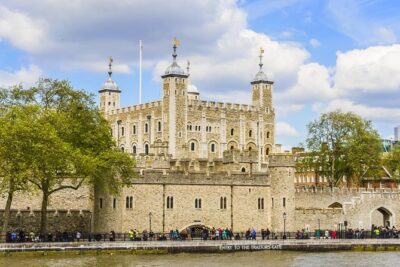
Tower of London and Crown Jewels Exhibition Ticket
Read our review →
Chelsea Football Club Stadium and Museum Tour
Read our review →

Browse the lists this tour appears in