
Reviewed · MUSEUMS
British Museum & National Gallery of London – Exclusive Guided Combo Tour
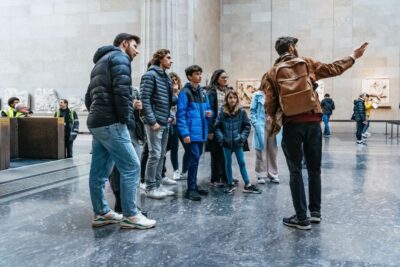
The best part of this tour is the sharp contrast between its two halves. At the British Museum, you move through 6,000 years of human history, from Egyptian burial customs to the Rosetta Stone and Parthenon sculptures. Then the National Gallery shifts the mood to painted drama, with Van Gogh, Vermeer, Raphael, and Jan van Eyck. I like the private guide format and the way the day joins ancient objects with European art. Guides such as Stéph Kuypers, Jamie, Jake, and Matilda have earned especially strong praise for making the material feel like a lively class rather than a silent march past glass cases.
I also like the compact five-and-a-half-hour plan. You get a clear introduction to both museums without giving up an entire day to one building. The tradeoff is pace: these collections are enormous, so you will see highlights rather than everything. The mid-tour break is useful, but lunch and drinks cost extra, and the $199.62 price per person makes the experience best suited to people who value expert guidance over a low-cost museum visit.
Key points to know before booking
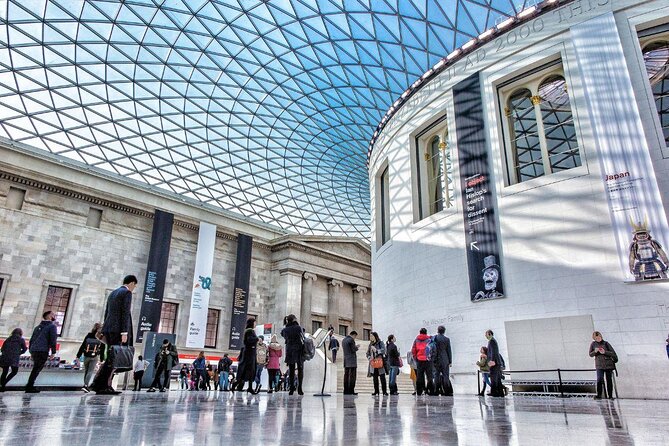
- Two major museums in one morning and afternoon: Spend about two hours and 30 minutes at each institution, with a break between them.
- Private attention from your guide: Only your group takes part, unless you choose the lower-priced semi-private option.
- Big-name British Museum objects: The route includes the Rosetta Stone, Oxus Treasure, Mummy of Katebet, and Parthenon sculptures.
- Painting highlights at the National Gallery: Expect works connected with Van Gogh, Vermeer, Raphael, Jan van Eyck, Botticelli, Monet, and Rembrandt.
- A strong choice for first-time museum visits: The guide supplies context, points out details, and helps you decide what deserves more time later.
- Plan for museum security and a long day on your feet: Large bags and suitcases are not allowed, and a moderate level of fitness is advised.
Why this two-museum pairing works
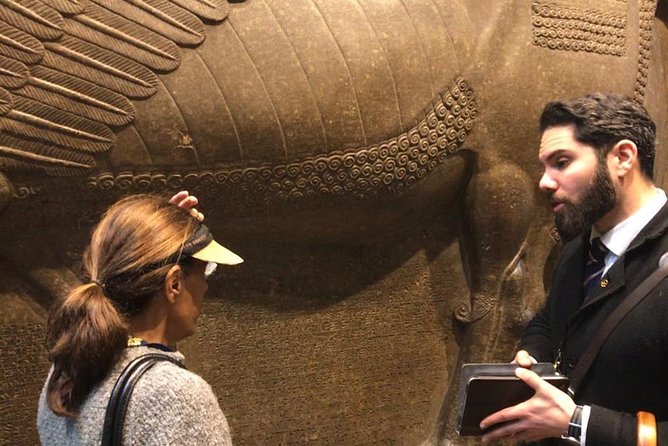
London gives you two very different kinds of museum experience within easy reach of one another. The British Museum is about objects made, used, buried, traded, and carried across centuries. The National Gallery is about painted surfaces, religious stories, royal power, private life, and changing ideas of beauty.
That contrast gives the day a useful rhythm. You begin with artifacts that often require explanation before their importance becomes clear. The Rosetta Stone is a famous example. Without context, it is simply a dark slab with writing. With a guide, you learn why its inscriptions mattered and how it helped scholars read Egyptian hieroglyphs.
Later, you look at paintings where the story may seem easier to see, but the details can be just as subtle. A guide can explain why a pose matters, how light directs your eye, or what a particular style says about the period in which it was made.
I would not choose this tour if you want a relaxed, open-ended museum day. I would choose it if you want a well-shaped introduction and a person beside you who can separate the essential works from the many thousands of distractions.
More Museum Tours in London
- Tower of London and Crown Jewels Exhibition Ticket
★ 4.5 · 6,677 reviews - London: Chelsea Football Club Stadium and Museum Tour
★ 4.8 · 4,576 reviews - Chelsea FC Stadium Tours and Museum
★ 5.0 · 1,908 reviews
Starting at the British Museum at 10am
The day begins outside the British Museum at 10am. The listed meeting point is British Museum Stop W, London WC1B 3BP. You should arrive with enough time to find the guide and pass through security without rushing. The guide’s name and contact details are provided after booking, and you must supply a mobile phone number with the country code.
The British Museum holds more than eight million objects, though no five-hour visit can come close to covering them all. That is not a flaw in this plan. It is the reason a focused route matters. Your guide selects major pieces and explains why they deserve your attention.
The first portion lasts about two hours and 30 minutes. It is long enough to move beyond a quick photo stop, but short enough to leave you with energy for the National Gallery.
The Rosetta Stone and the problem of reading the past
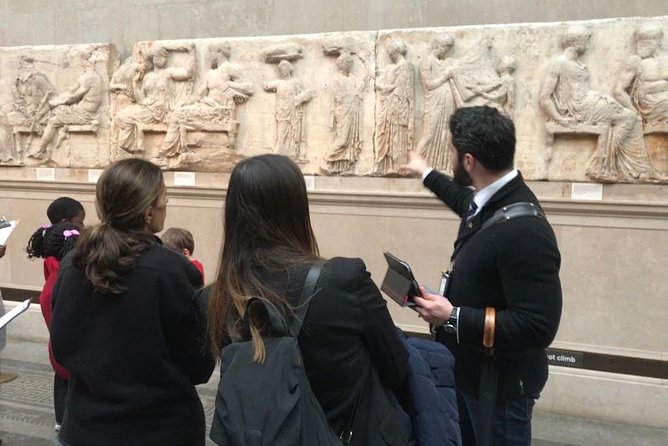
The Rosetta Stone is one of the museum’s essential stops. It carries the same decree in three forms of writing, which allowed scholars to compare the scripts and make progress in reading ancient Egyptian hieroglyphs.
Your guide can turn this from a famous object into a story about language, scholarship, and the practical work of understanding a vanished world. That kind of explanation is where a guided visit earns its keep. You are not just looking at a celebrated stone. You are learning why this particular stone changed the study of ancient Egypt.
Egyptian objects and the Mummy of Katebet
The Mummy of Katebet offers a more personal view of ancient Egypt. It brings the conversation down from kings and monuments to burial, belief, and an individual life.
The tour also includes material connected with Ramses II and other Egyptian subjects. The exact collection on display can vary during the year, so the guide may adjust the route. That flexibility is normal in a large museum, but you should not treat every listed object as guaranteed in the exact same presentation on every date.
Same trip, a completely different kind of day:
- London: The London Eye Entry Ticket
★ 4.6 · 35,875 reviews - From London: Harry Potter Warner Bros Studio Tour
★ 4.7 · 26,588 reviews - London: Westminster to Greenwich River Thames Cruise
★ 4.5 · 22,836 reviews - London: Madame Tussauds London
★ 4.6 · 20,915 reviews
The Oxus Treasure
The Oxus Treasure takes you into the world of ancient Persian art and precious metalwork. It helps widen the story beyond the familiar Egyptian and Greek objects. You get a sense of how wealth, religion, trade, and royal power could be expressed through small, finely made pieces.
This is one of the tour’s useful features. The British Museum is not only about the most famous objects from Europe and Egypt. A good guide can connect pieces from different cultures and show you how the collection reflects many civilizations rather than one straight line through the past.
The Parthenon sculptures
The Parthenon sculptures bring up art, archaeology, empire, and the difficult question of who should own cultural heritage. The sculptures are beautiful, but their presence in London also invites questions about removal and repatriation.
This is an especially good stop if you want more than dates and names. Ask your guide about the history of the sculptures and the arguments surrounding them. The subject is not a small footnote. It is part of what makes the British Museum visit meaningful and, at times, uncomfortable.
You may also see material related to African art and other world cultures. One guide was praised for using selected objects, including African bronzes, to build extended stories rather than rushing through a checklist. That is the kind of approach I would hope for here.
The break between museums
After the British Museum, you get a short break to buy refreshments and have lunch at your own expense. The full schedule is about five hours and 30 minutes, including this pause.
This break matters more than it may seem. Two and a half hours of museum viewing requires concentration, and the National Gallery portion asks you to look closely at paintings rather than simply pass by them. Use the pause to sit, eat, and reset your attention.
The tour does not include hotel pickup or drop-off. You arrange your own transport to the starting point and after the tour. It also does not cover gratuities or temporary exhibitions. Those costs are easy to overlook when comparing the headline price, so include them in your budget.
The National Gallery from 14th-century art to Van Gogh
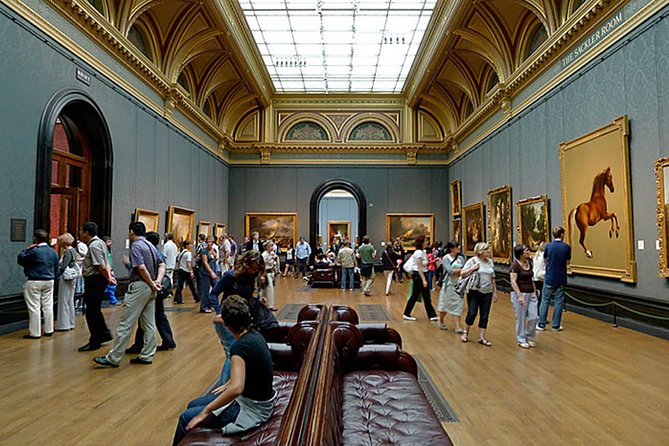
The second half takes place at the National Gallery in Trafalgar Square. It also lasts about two hours and 30 minutes. The tour ends inside or at the National Gallery, and you are free to stay and continue looking around on your own.
The museum’s high-ceilinged rooms provide a very different setting from the British Museum. Here, your guide introduces the development of European painting from the 14th century onward. You may move from religious art and court portraits to Dutch domestic scenes, Impressionism, and the bold color of Van Gogh.
The value is not simply seeing famous names. It is learning how to look at a painting. Several guides have been praised for explaining period, style, symbolism, and the small visual choices that make a work important.
Raphael’s Madonna of the Pinks
Raphael’s Madonna of the Pinks is a fine example of how a guide can help you slow down. The subject may be familiar, but the painting’s delicate brushwork, expressions, and arrangement reward careful attention.
Your guide can place the work within its period and explain what makes Raphael’s handling distinctive. You do not need a background in art to follow this. The best explanations begin with what you can see, then connect it to the larger artistic setting.
Vermeer and the quiet power of a small scene
Johannes Vermeer’s A Young Woman Standing at a Virginal offers a calmer mood. Vermeer’s paintings often make ordinary interiors feel carefully composed, and small details can carry much of the meaning.
The National Gallery route may also include Vermeer’s work alongside paintings by other Dutch masters. Your guide helps you compare light, domestic space, surfaces, and the role of music or objects within a room. This is useful because Vermeer’s paintings can look simple at first glance. They are not simple to study.
Van Eyck’s Arnolfini Portrait
Jan van Eyck’s Arnolfini Portrait is another major stop. It invites questions about identity, marriage, wealth, objects, and the purpose of portraiture.
This is the sort of painting that rewards a guide who can point out visual clues without turning the explanation into a lecture full of jargon. Look closely at the room, clothing, furnishings, and reflective surfaces. The painting gives you plenty to discuss, and a good explanation can help you see why it has attracted so much attention.
Van Gogh’s Sunflowers
Van Gogh’s Sunflowers brings a sudden change in color and energy. It is a familiar image, but seeing the paint itself and discussing Van Gogh’s choices can make it feel fresh.
Your guide may use this work to explain Post-Impressionism, brushwork, color, and the emotional force of a still life. The National Gallery route can also touch on Monet, Botticelli, Rembrandt, and other major figures, depending on the day’s exact path and gallery access.
One guide, Jake, had written a dissertation on Velázquez, which shows the level of specialist interest you might encounter. Other guides, including Ellie, Luis, Becky, Danielle, and Wesley, have been praised for clear explanations, warm conversation, and the ability to bring paintings and objects to life. Guide quality can never be guaranteed by name alone, but the pattern here is encouraging.
What the private format changes
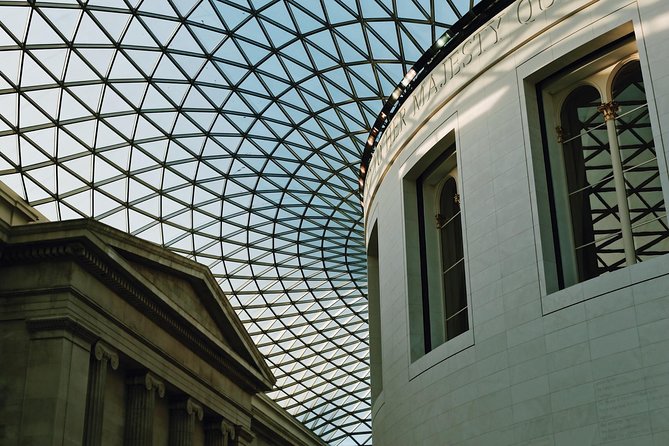
The private setup is the main reason to consider the price. Your guide can adjust the pace to your group, answer follow-up questions, and spend more time on the works that catch your eye.
That matters at the British Museum, where one person may care most about Egypt while another wants to discuss Greece, Persia, or African art. It matters again at the National Gallery, where one member of your group may prefer Renaissance painting and another may be drawn to Dutch interiors or Impressionism.
The experience is not necessarily silent or exclusive in every room. Other museum visitors will be present, and security rules can create short lines. Some rooms require very quiet behavior or restrict speaking, so your guide will explain the rules before you enter.
The booking also offers a lower-priced semi-private option. The exclusive guide and wheelchair-friendly features do not apply in the same way if you select that option. If personal attention or accessibility is important to you, read the specific choice carefully before paying.
Is $199.62 per person good value?
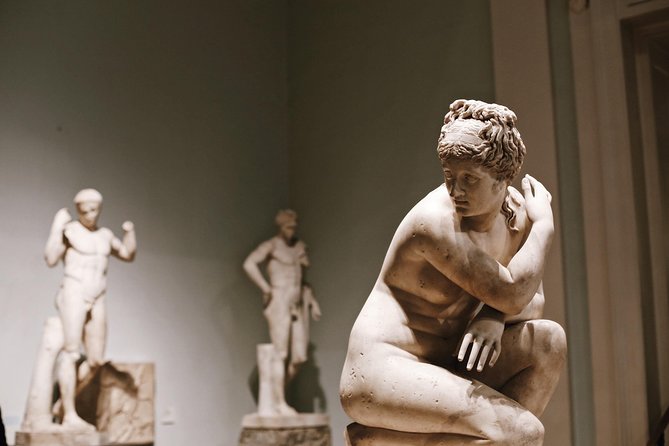
At $199.62 per person, this is not a budget museum visit. Both museums normally offer ways to enter without paying a separate admission fee for the permanent collections, so you are paying mainly for the guide, planning, and private structure.
The price makes more sense if you have limited time in London, are visiting each museum for the first time, or feel unsure about how to approach enormous collections. You are also paying to avoid spending hours wandering without a plan.
It makes less sense if you enjoy reading labels at your own pace, already know the collections well, or want to spend an entire day on one subject. In that case, a self-guided visit gives you more freedom and costs less.
Group discounts may improve the value for a larger party. Remember that lunch, refreshments, gratuities, hotel transport, and temporary exhibitions are extra.
Practical details that affect your day
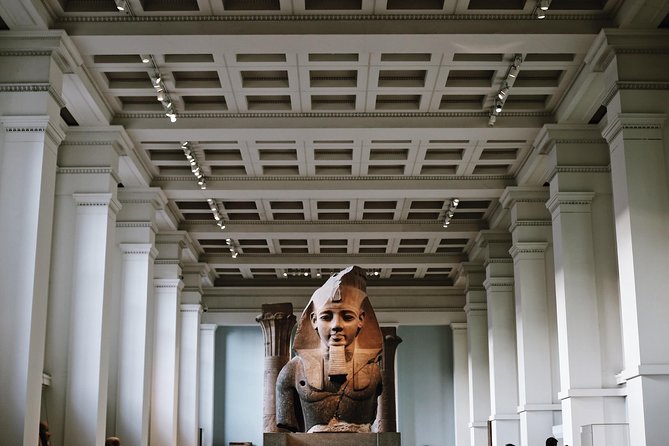
Wear comfortable clothing and shoes. The tour lasts five and a half hours, includes two large museums, and calls for a moderate level of physical fitness.
Do not bring a large bag or suitcase. Only handbags or small, thin backpacks are allowed through museum security. Security checks can still create lines, even when a tour is marketed as having quick access.
The museums can occasionally close or delay opening without warning. If opening is delayed by more than an hour, an alternative is provided, but no refund or discount is available in those circumstances. Museum collections can also change during the year.
The tour is wheelchair friendly in its exclusive private format, according to the supplied details. Confirm the exact booking option if this is essential for your group.
Free cancellation is available if you cancel at least 24 hours before the start time. Changes or cancellations made inside that window are not refunded.
Who should book this museum combination?
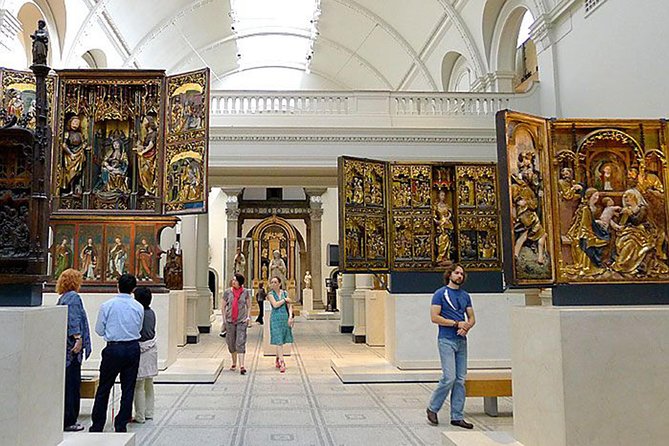
I would recommend it to first-time London visitors who want a strong introduction without spending two separate days planning museum routes. It also suits families with older children, couples with different interests, and anyone who wants to ask questions rather than simply read wall labels.
It is particularly useful for people who enjoy context. The strongest guide accounts describe the day as something close to a history and art class, with stories that connect individual works to larger events and ideas.
I would be more cautious if you dislike fixed timing or want to linger for an hour beside one painting. You will have to keep moving, and the half-day format means some rooms and collections will receive only a brief look.
Should you book the British Museum and National Gallery combo?
Book this tour if you want a carefully chosen route through two vast museums and you value a private guide who can explain why each stop matters. The strongest part is not the number of famous objects on the list. It is the connection between them, from the Rosetta Stone and ancient treasures to Raphael, Vermeer, Van Eyck, and Van Gogh.
Skip it if your main goal is to save money or explore without a schedule. At nearly $200 per person, the tour earns its price only when the guide’s explanations, private attention, and time-saving structure matter to you.
For most first visits, I see this as a productive way to get your bearings fast, then stay afterward at the National Gallery to revisit the paintings that caught your eye.
FAQ
How long does the tour last?
The experience lasts about five hours and 30 minutes, including a break between the British Museum and National Gallery.
What time and where does the tour begin?
It begins at 10am outside the British Museum at British Museum Stop W, London WC1B 3BP, United Kingdom.
Where does the tour finish?
The guided visit ends at the National Gallery in Trafalgar Square, London WC2N 5DN. You may continue exploring the National Gallery independently afterward.
Which works are included at the British Museum?
The route includes the Rosetta Stone, Oxus Treasure, Mummy of Katebet, and Parthenon sculptures. It may also cover other objects, and collections can vary during the year.
Which paintings might I see at the National Gallery?
The tour includes works such as Van Gogh’s Sunflowers, Vermeer’s A Young Woman Standing at a Virginal, Jan van Eyck’s Arnolfini Portrait, and Raphael’s Madonna of the Pinks. It may also include art by Botticelli, Monet, and Rembrandt.
Are food, transport, and gratuities included?
No. Hotel pickup and drop-off, lunch or refreshments, and optional gratuities are not included. Temporary exhibitions are also excluded.
Just added in London
- Royal London Guided Sightseeing Tour and Thames River Cruise★ 4.0 · 31 reviews
- Roman Ruins to Blitz Bombings: A Walking Tour of London’s Fiery History★ 5.0 · 190 reviews
- Roman London Private Walking Tour★ 5.0 · 44 reviews
- Westminster Abbey, Big Ben, Buckingham Guided Tour of London★ 5.0 · 451 reviews
- River Thames Evening Cruise with Sparkling wine and Canapés★ 4.0 · 569 reviews
- Rock and Roll Walking Tour of Soho London★ 4.5 · 64 reviews
- London Private Chauffeur Half-Day or Full-Day Vehicle Rental★ 5.0 · 37 reviews
- Rich people behaving badly★ 5.0 · 47 reviews
Museums, compared.
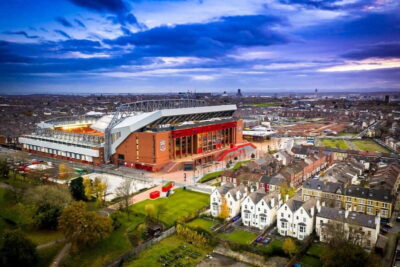
Liverpool Football Club Museum and Stadium Tour
Read our review →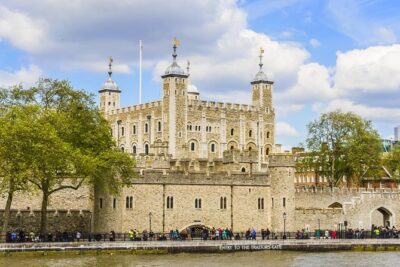
Tower of London and Crown Jewels Exhibition Ticket
Read our review →
Chelsea Football Club Stadium and Museum Tour
Read our review →

Browse the lists this tour appears in