
Reviewed · MUSEUMS
Private Guided Tour of the British Museum
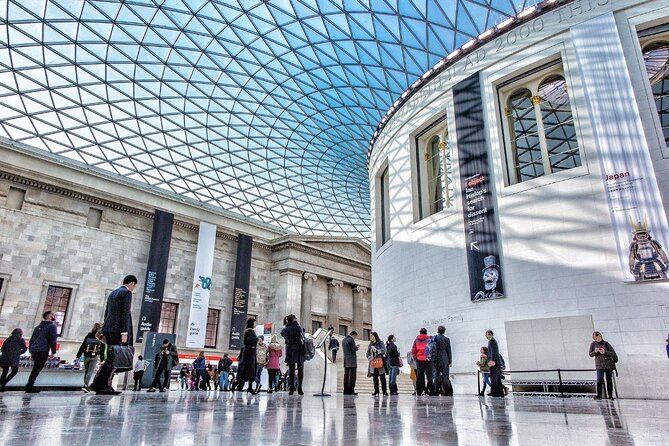
The best thing about this private British Museum tour is the way it turns a huge collection into a clear story. With Anthony Matthews, a licensed guide and retired archaeologist, you can move from the Rosetta Stone to Egyptian tomb objects, Greek sculpture, and Roman treasures without wandering blindly through room after room.
I like the private format, since Anthony can adjust the visit for children, teens, first-time museumgoers, or serious ancient-history fans. I also like the early-morning strategy, which may help your group get near the front of the line and reach major exhibits before the museum fills up. The main consideration is time: two and a half hours gives you an excellent introduction, not a complete tour of one of the world’s largest museums.
Key points to know before you book
- Anthony Matthews brings an archaeologist’s eye: Expect explanations of excavation, inscriptions, materials, and how objects reached the museum.
- The route can follow your interests: Egypt, Greece, Rome, or a highlights tour all fit the private format.
- The Rosetta Stone is a central stop: You’ll hear how the inscriptions helped scholars read ancient Egyptian writing.
- Families get real value here: Anthony has kept children as young as eight and teens engaged for more than two hours.
- A morning start can help with crowds: Anthony has arrived early for some groups so they could enter promptly and begin before the busiest period.
- The price works best for a full group: At $344.49 for up to six people, the per-person cost drops sharply when shared by family or friends.
Why a private British Museum guide helps
The British Museum is free to enter, but free does not mean easy. Its rooms cover thousands of years and many parts of the world. You can spend an hour looking at objects without understanding why they matter, then leave having seen only a fraction of the building.
A private guide changes that equation. Instead of reading every label, you can ask questions and follow a connected route. Anthony is especially good for visitors who want context: how an object was made, what it was used for, what its inscription says, and what its discovery or removal tells us about modern archaeology.
I would not book this tour simply to walk quickly past famous objects. I would book it if you want the objects to make sense. The private setup gives you room to say, for example, that your group wants more Egypt and less Rome, or that your teenagers are fascinated by warfare, mythology, or ancient technology.
The tour is offered in English, with morning and afternoon choices. The advertised experience lasts about two and a half hours, while the museum portion is described as roughly two hours. That difference may reflect the meeting and entry process, so plan for a half-day block rather than trying to squeeze in a tightly timed activity immediately afterward.
More Museum Tours in England
- Afternoon Tea at the British Museum
★ 4.2 · 511 reviews - British Museum Guided Tour
★ 4.0 · 470 reviews - British Motor Museum Entry Ticket in Gaydon
★ 5.0 · 288 reviews
Starting with the Rosetta Stone
The Rosetta Stone is the natural opening act. It is not the largest object in the museum, but its importance is enormous. The same decree appears in three forms of writing, allowing scholars to compare known Greek text with Egyptian scripts and make progress in reading hieroglyphics.
Anthony’s approach goes beyond pointing at the stone and naming it. He can explain why the text mattered, how translation worked, and what the object reveals about the ancient world. If you have children in the group, this is a useful moment to show that history is not only about memorizing dates. It can also involve pattern matching, language, and careful detective work.
The stone is often surrounded by other visitors, so you should expect a popular viewing area rather than a quiet private room. A guide helps you make the most of the time you have there. You can listen to the explanation, study the carvings, and move on with a clear sense of why this particular object changed the study of ancient Egypt.
Egyptian galleries: pharaohs, burial, and daily belief
The Egyptian section gives the tour its strongest sense of drama. You may see a statue of Tutankhamun and hear about the young ruler’s life and death. The famous name can easily turn the visit into a procession of familiar labels, but the better experience is to connect the ruler to the objects and beliefs around him.
Anthony can point out sarcophagus designs, canopic jars, and material linked to the Book of the Dead. These objects help explain how ancient Egyptians thought about the body, death, and the next life. A canopic jar is not just an attractive vessel. It connects to the treatment of organs during mummification and to the religious system surrounding burial.
One especially useful feature is Anthony’s ability to read hieroglyphs. That gives you a chance to see inscriptions as writing rather than decoration. Even a short translation can make a carved name, title, or prayer feel more direct.
The Egyptian galleries suit both adults and families, though younger children may need a little help staying focused. The private format lets you pause when an object catches their attention instead of following a fixed group schedule. If Egypt is your main reason for booking, tell the guide in advance so the route can give this section enough time.
Greece and Rome: sculpture, armor, and imperial messages
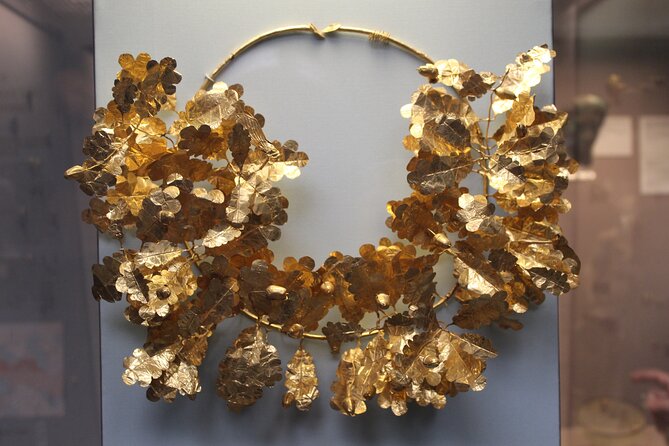
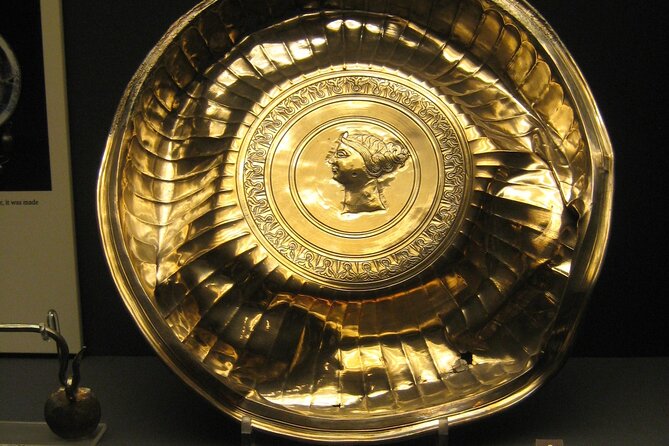
The tour then moves into the Greek and Roman world, where the objects shift from funerary belief to civic life, warfare, myth, and power. You might see Greek statuary, a gold headdress, and scenes of Amazons fighting. These pieces open up questions about ideal beauty, storytelling, gender, and the way ancient artists portrayed enemies and heroes.
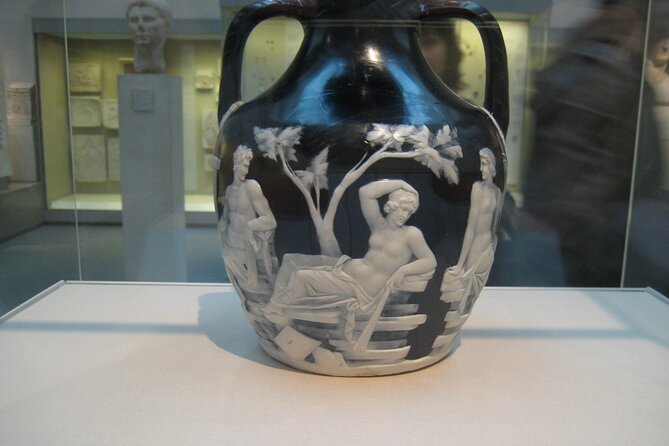
The Roman material adds a different flavor. You can hear about Rome’s origins and its technology, then examine objects that show how the empire presented itself. A glass item described as classic propaganda is a good reminder that political messaging is not a modern invention. Beauty, luxury, and public symbols could all support an image of authority.
The alligator armor is one of the tour’s more unusual details. It breaks up the familiar parade of marble and gold, and it gives Anthony a chance to explain how ancient people used materials for protection and display. Gold jewelry, meanwhile, shows the skill and status attached to personal adornment.
This section works well for mixed-age groups because it offers variety. Teens may respond to combat, emperors, and engineering. Adults may prefer the art, politics, or archaeology. Anthony’s storytelling style uses humor and questions, which can keep the route moving without making it feel like a classroom lecture.
Same trip, a completely different kind of day:
- Thorpe Park Admission Ticket
★ 4.0 · 5,915 reviews - Alton Towers Resort 1 Day Admission Ticket
★ 3.5 · 5,501 reviews - Warwick Castle Admission Ticket
★ 4.0 · 2,096 reviews - The Great British Rock and Roll Walking Tour
★ 5.0 · 1,371 reviews
A guide who can keep children involved
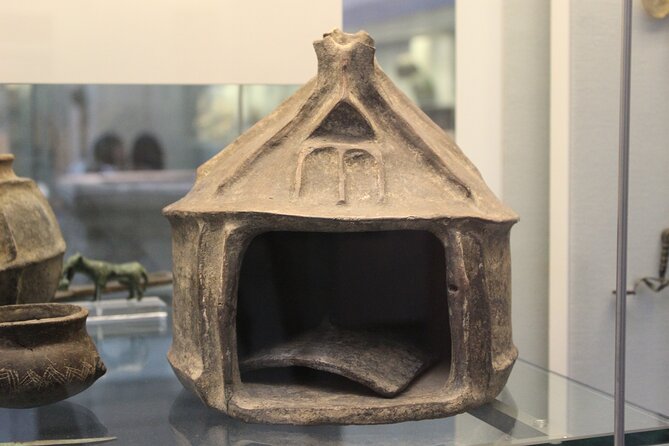
A museum tour succeeds or fails on attention. Anthony has been especially effective with families traveling with children from eight to fifteen years old. He asks questions, uses stories, and explains why an object matters instead of expecting young people to admire it silently.
That matters at the British Museum, where the sheer number of displays can wear down even interested adults. A child who loves Greek mythology may get more from a statue when it is linked to a story. A teen interested in science may respond better to excavation methods, translation, materials, or ancient technology.
The private group also removes the pressure of keeping strangers happy. If your child asks several questions, you can stop. If the group needs to move faster, you can do that too. No guide can guarantee that every child will enjoy every gallery, but this format gives you a much better chance than a large shared tour.
I would consider this a strong choice for a family of four to six. The cost is easier to justify when divided among several people, and the ability to tailor the route is more valuable when different ages have different interests.
The archaeology angle makes the visit different
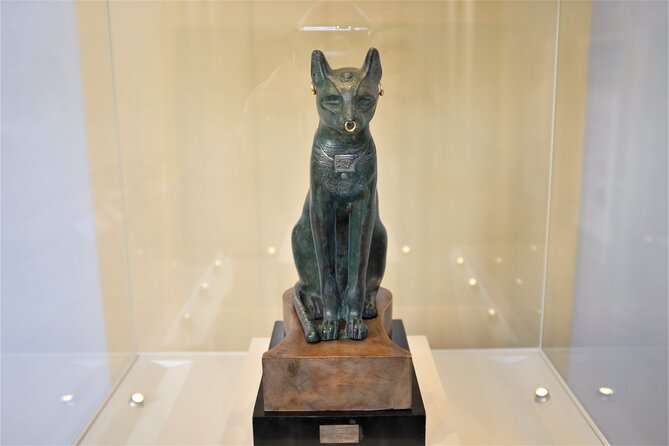
Anthony’s background in archaeology is a major reason to choose this experience. He can discuss not only what objects represent, but also how archaeologists study them and what physical clues reveal about their past.
That may include marks from excavation or removal, the way an object was acquired, or the difference between a decorative surface and an inscription with specific meaning. The result is a more practical look at the work behind our understanding of ancient cultures.
I find that approach useful because museum displays can make objects seem detached from the ground, the people, and the process that brought them to us. A good guide puts those pieces back into the story. You may also gain a clearer sense of the complicated path many ancient objects took before reaching a modern museum.
This is not a tour built only around polished stories. It can also show you the methods, uncertainties, and choices behind archaeology. If that side of history interests you, ask Anthony questions freely. The private setting is well suited to discussion.
Making two hours and thirty minutes count
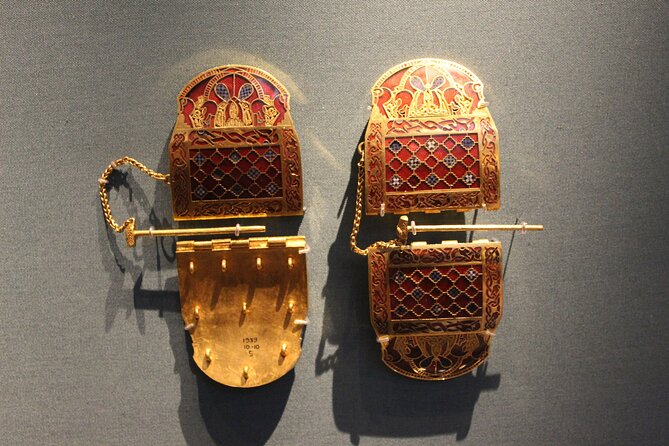
A two-and-a-half-hour visit sounds generous until you consider the size of the British Museum. You will not see everything. You probably should not try.
The best use of the time is a focused highlights route. Expect the Rosetta Stone, major Egyptian material, Greek sculpture, Roman objects, and several unusual pieces. Depending on your interests, you might spend longer in Egypt and move faster through Rome, or ask for a balanced introduction to the museum.
Anthony has been praised for efficient navigation and for choosing a route that limits unnecessary crowd interruptions. An early start can help even more. Arriving before the doors open may let your group enter near the front and enjoy the first part of the visit with more breathing room.
Still, the museum can become busy, especially around famous objects. You should be ready for some standing, walking, and occasional difficulty getting a clear view. Comfortable shoes will help, and you should avoid treating the tour as a race. The point is to understand a manageable selection well.
Some groups have booked two sessions back to back for a longer museum day. That can make sense if your interests are broad, but two and a half hours is enough for a satisfying first visit. For most people, more time in one focused route is better than rushing through every department.
Price, group size, and what you receive
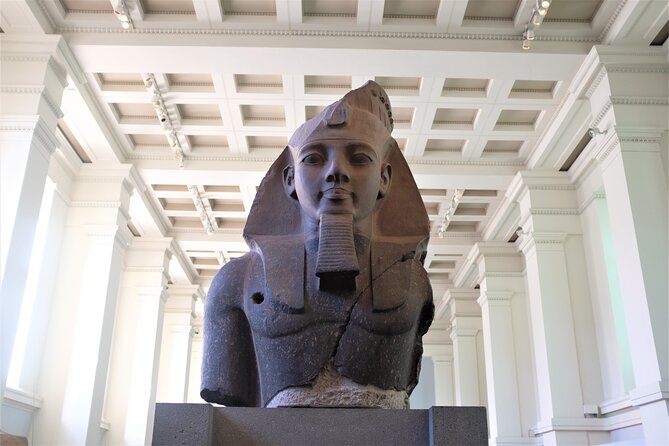
The cost is $344.49 per group of up to six people. For one or two people, that is a substantial outlay. For six, it works out to about $57.42 per person, which is a more reasonable price for a private specialist-led visit in central London.
Your booking includes a licensed, insured guide and the entrance ticket. No air-conditioned vehicle is included, but that should not be a major concern for this experience because the activity centers on the museum and ends back at the meeting point. The meeting information is listed broadly as Greater London, London, so read your confirmation carefully for the exact meeting details.
The value comes from time saved and attention gained. You are paying to avoid wandering, to ask questions, and to see the objects that best match your interests. If you already know the museum well and prefer to explore alone, the added cost may not be worthwhile. If the building feels intimidating, a guide can prevent a morning from disappearing into random corridors.
The tour has a 5.0 rating from 50 reviews, with 100 percent recommending it. Those figures do not guarantee that every group will connect with the same pace or style, but they do point to a consistent strength: Anthony’s explanations, energy, and ability to adjust the experience.
Practical points for access and cancellation
Confirmation is provided at booking, and the tour is available in English. Service animals are allowed, and the museum is near public transportation.
The activity information says most people can participate, but not every part of a two-thousand-year-old city and museum environment is fully accessible. If your group has mobility needs, ask for details before booking rather than assuming every route will work equally well.
Free cancellation is available up to 24 hours before the start time for a full refund. Cancellations or changes made less than 24 hours before the start are not accepted, and the cutoff follows local London time.
Who should book this British Museum tour?
I would recommend it most strongly to families, first-time visitors, and anyone with limited time in London. It is also a good fit if you want Egypt, Greece, and Rome explained by someone with archaeological training rather than simply labeled on a map.
History fans may appreciate the chance to ask detailed questions about inscriptions, excavation, and acquisition. Adults traveling with teens should find the mix of stories, objects, and humor more engaging than a standard audio guide.
I would think twice if you prefer complete independence, want to spend hours in one narrow collection, or plan to examine every gallery at your own pace. The private tour gives you flexibility within a guided framework, but it is still a planned experience.
Should you book it?
Book this tour if the British Museum is high on your London list and you want a strong introduction without losing hours to guesswork. Anthony Matthews brings archaeological training, clear storytelling, and a record of working well with both adults and children. The Rosetta Stone, Egyptian burial objects, Greek sculpture, Roman treasures, and unusual pieces such as alligator armor give the visit plenty of variety.
For the best value, bring four to six people and choose a morning start if your schedule allows. Tell Anthony what your group cares about before the tour begins. If you want a focused, human explanation of the museum rather than a solo march past famous objects, this is a smart use of your London time.
FAQ
How long does the private British Museum tour last?
The experience lasts approximately two hours and thirty minutes. The museum portion is described as about two hours, so you should allow a little extra time around the meeting and entry process.
How many people can join the private tour?
The price covers one private group of up to six people. Only your group participates in the activity.
What parts of the British Museum will I see?
The route includes the Rosetta Stone, Egyptian material such as a statue of Tutankhamun, sarcophagi, canopic jars, and Book of the Dead material. It also includes Greek sculpture and objects, Roman history and technology, gold jewelry, and other selected highlights.
Who guides the tour?
Anthony Matthews is identified as the guide. The tour information describes the guide as licensed and insured, and his background is presented as a retired archaeologist and Blue Badge Guide.
Is the museum entrance included?
Yes. The inclusions list covers the entrance ticket and the licensed, insured guide.
Can I cancel for a full refund?
Yes, if you cancel at least 24 hours before the experience start time. Cancellations or changes made less than 24 hours before the start are not accepted for a refund.
Just added in England
- British Museum Highlights Private Guided Tour★ 5.0 · 29 reviews
- Heathrow Airport to Southampton Port or Hotel Private Airport Arrival Transfer★ 5.0 · 45 reviews
- Heathrow To Southampton Cruise Port Transfers★ 4.5 · 110 reviews
- British Royal 3 Hour Walking Tour!★ 4.5 · 53 reviews
- British Museum Guided Tour with Priority Timeslots(Small Group)★ 5.0 · 192 reviews
- British Museum In-Depth Private Guided Tour★ 5.0 · 40 reviews
- Explore Biblical Artifacts at the British Museum★ 5.0 · 120 reviews
- Private Guided Tour of Harry Potter Locations – English/ Italian★ 5.0 · 33 reviews
Museums, compared.

Liverpool Football Club Museum and Stadium Tour
Read our review →
Tower of London and Crown Jewels Exhibition Ticket
Read our review →
Chelsea Football Club Stadium and Museum Tour
Read our review →



Browse the lists this tour appears in