
Reviewed · MUSEUMS
London: British Museum Highlights Guided Small Group Tour
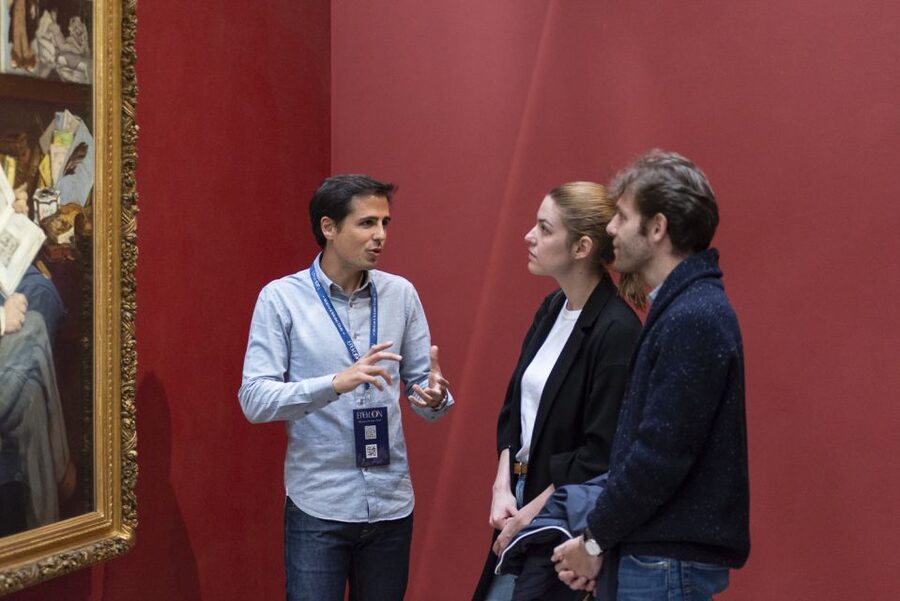
The British Museum is so large that the first challenge is knowing where to begin. This tour solves that problem with a brisk, focused route through 6,000 years of human history, from Egyptian mummies and ancient writing to samurai armor and medieval chess pieces. I especially like the small group limit of eight and the way the guides use stories, context, and humor rather than simply pointing at famous objects.
I also like that the tour gives you a useful framework for exploring on your own afterward. Guides such as James, Andy, Stef, Sasha, and Luis have been praised for making the displays accessible to adults and children alike. The main drawback is time: two to two and a half hours can only cover a fraction of a museum with millions of objects, and the route may feel fast if you want long periods for quiet study.
Key points to know before booking

- The Rosetta Stone is the real ancient artifact: You will see the stone that helped scholars read Egyptian hieroglyphs, not a language-learning display.
- The route covers major civilizations: Expect ancient Egypt, Assyria, Greece, Persia, Mesopotamia, Japan, and medieval Europe.
- Groups stay small: Semi-private tours are limited to eight people, while private tours give you more control over the pace and questions.
- The guide adds the missing context: You will learn how objects were used, what they meant, and how they reached the museum.
- Families can benefit greatly: Several guides have been praised for holding the attention of teenagers and younger children.
- You need to pack lightly: Large bags and luggage are not allowed, and a passport or ID card is required.
Why a guide helps inside the British Museum
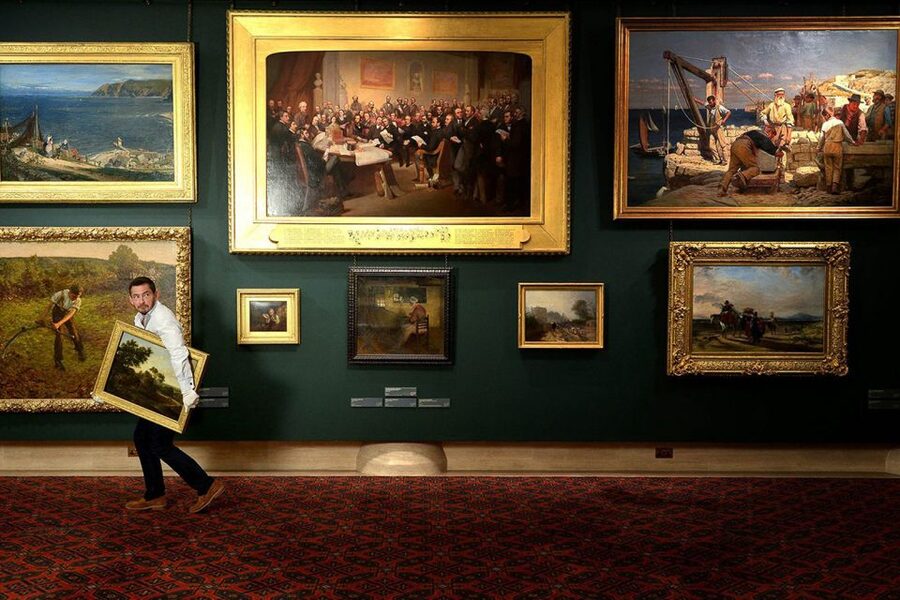
You can enter the British Museum and walk around for free, but that does not mean an unguided visit is simple. The galleries cover thousands of years, and the most famous objects are spread across different rooms. Without a plan, you can spend a great deal of time moving between displays without understanding how the pieces fit together.
This tour gives you a route and a story. Rather than trying to cover every gallery, the guide chooses a limited group of major objects and explains why each one matters. That approach is particularly useful if this is your first visit, if you have only one afternoon in London, or if your family loses interest when museum labels become too long.
I like the emphasis on conversation. Guides including Andy, James, Stef, and Luis have been described as combining historical detail with humor and questions for the group. That matters here because the British Museum can feel formal and imposing. A good guide turns it into a place where you can ask why an object was made, how it was found, and what its presence in London means.
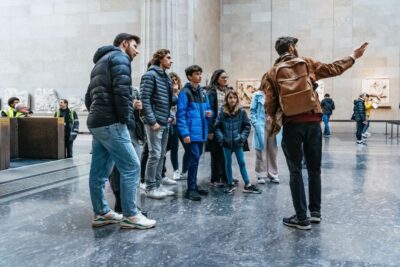
The small group format also helps. With no more than eight people on the semi-private option, you should have a better chance of hearing the guide in crowded galleries and asking about objects that catch your eye. A private booking is the better choice if your group wants to set the pace or needs a wheelchair-accessible arrangement.
More Museum Tours in London
- Tower of London and Crown Jewels Exhibition Ticket
★ 4.5 · 6,677 reviews - London: Chelsea Football Club Stadium and Museum Tour
★ 4.8 · 4,576 reviews - Chelsea FC Stadium Tours and Museum
★ 5.0 · 1,908 reviews
The Rosetta Stone and the power of written language
The Rosetta Stone is usually the natural starting point for a British Museum highlights tour. It is famous because the same decree appears in three forms of writing, including ancient Greek and Egyptian scripts. That comparison helped scholars work out the meaning of Egyptian hieroglyphs.
The object is not visually grand in the way a huge sculpture is grand. Its importance comes from what it made possible. A guide can turn a dark stone slab into a lesson about translation, government, and the way a single inscription opened access to a long-lost written world.
This is one of the places where a short explanation adds real value. On your own, you might admire the stone and move on. With a guide, you can understand why the writing matters and why this particular object became so important to the study of ancient Egypt.
The area around major objects can become crowded, so expect to spend some time waiting for a clear view. A small group helps, but the tour cannot guarantee an empty gallery. You should also keep in mind that objects may occasionally be on loan or under restoration, even though the listed highlights generally include the Rosetta Stone.
Assyrian lion hunts and royal power

The Assyrian lion hunt reliefs give the tour a different mood. These carved stone panels show royal hunts with remarkable detail, including horses, chariots, weapons, and wounded lions. They are not simply scenes of sport. They present the king as brave, powerful, and able to control forces that threatened his people.
The reliefs reward close attention. Look at the way the sculptors show movement, muscle, and injury. The lion is both a real animal and a symbol of danger. A guide can help you see how the scene worked as political messaging inside an ancient palace.
This is also a useful stop for understanding how museum objects communicate without modern text. You are looking at a royal statement carved in stone. The guide explains the visual clues, so you are not left to guess why certain figures are larger or why the hunt mattered.
If you enjoy military history, rulers, or ancient art, this may be one of the strongest sections of the tour. If you prefer delicate objects and everyday life, the scale and violence of the reliefs may feel less personal. The varied route helps balance that with mummies, games, and smaller treasures later.
The Parthenon sculptures and difficult museum questions
The Parthenon sculptures bring ancient Greece into the route, along with some of the most debated questions about museums and empire. You will see parts of the sculptural decoration associated with the Parthenon in Athens, including figures and architectural elements made for a major Greek temple.
The artistic skill is easy to appreciate. The carved bodies, folds of cloth, and sense of movement show how Greek sculptors studied the human form. A guide can explain where the sculptures sat on the building and how the original temple program worked, rather than treating each fragment as an isolated statue.
The harder question is how these pieces reached Britain. The museum’s collections were formed during periods of exploration, imperial power, and changing ideas about ownership. A strong tour does not avoid that subject. The focus is not only on beauty, but also on the choices, conflicts, and competing claims behind the displays.
This makes the stop valuable even if you have seen photographs of the Parthenon. You are not just checking off a famous sight. You are learning how a museum object can carry both artistic importance and a modern political debate.
Same trip, a completely different kind of day:
- London: The London Eye Entry Ticket
★ 4.6 · 35,875 reviews - From London: Harry Potter Warner Bros Studio Tour
★ 4.7 · 26,588 reviews - London: Westminster to Greenwich River Thames Cruise
★ 4.5 · 22,836 reviews - London: Madame Tussauds London
★ 4.6 · 20,915 reviews
The mummy of Katebet and the human side of Egypt
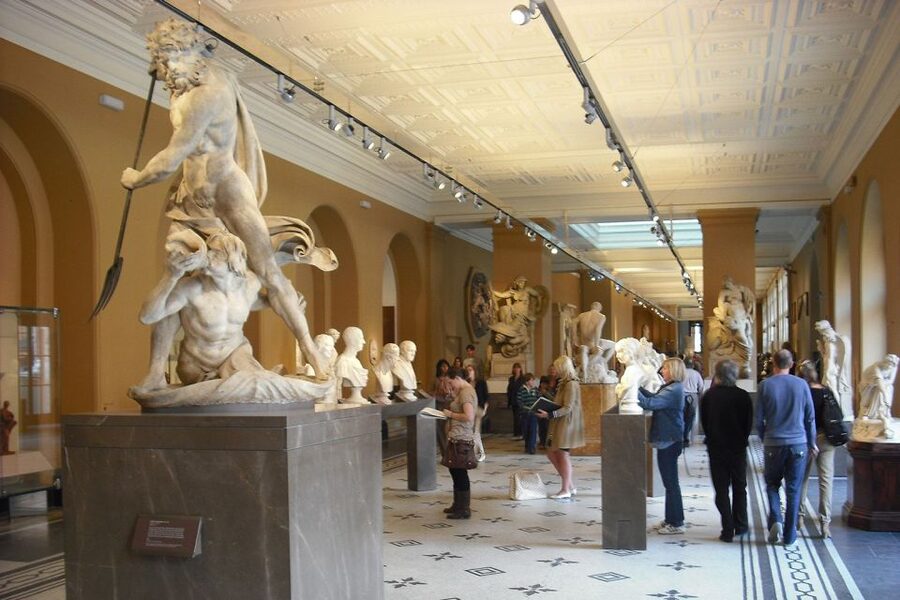
The Mummy of Katebet offers a more personal way into ancient Egyptian culture. Instead of presenting Egypt only through rulers, monuments, and writing, this object brings you close to the beliefs and burial customs surrounding one individual.
A guide can explain the layers of meaning around the mummy, including the role of decoration, ritual, and preparation for the afterlife. The stop works well beside the Rosetta Stone because one object helps explain written language while the other raises questions about family, religion, death, and memory.
For children, mummies can be an effective way to stay engaged. The subject is direct and visual, but it also opens the door to serious discussion about how archaeologists study the past and how human beings have honored their dead.
You should expect the guide to keep the visit respectful. This is not a haunted attraction or a novelty display. It is a preserved human body connected to beliefs and practices that lasted for thousands of years.
The Oxus Treasure and the Royal Game of Ur
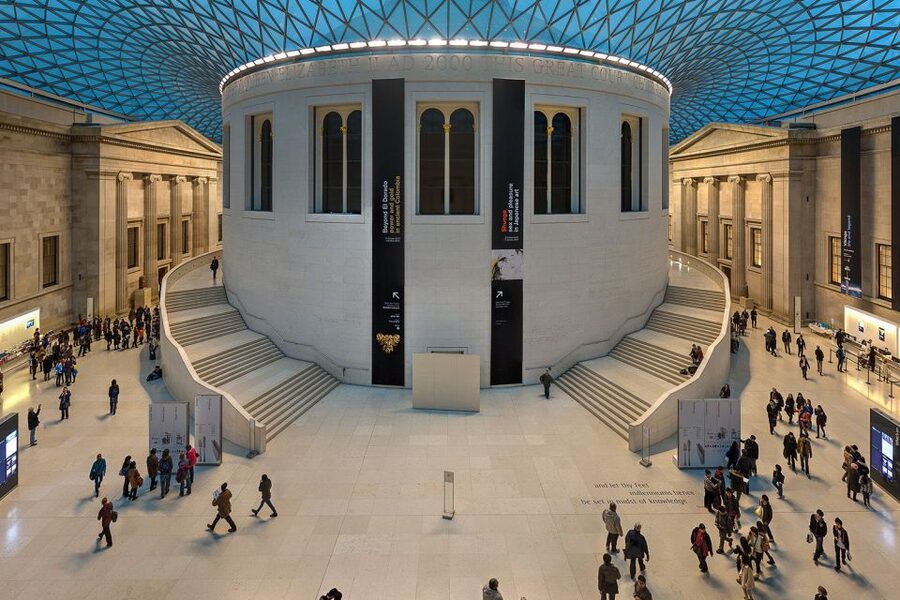
The Oxus Treasure gives you a glimpse of ancient Persian craftsmanship. Its small gold objects and other precious pieces show the skill, wealth, and religious or ceremonial life of the Achaemenid period. The objects are easier to appreciate when a guide points out their fine detail and explains what they reveal about a powerful empire.
The Royal Game of Ur shifts the focus from royal display to ordinary human behavior. This ancient board game reminds you that people in Mesopotamia did not spend all their time building cities, worshipping gods, or fighting wars. They also played, competed, and passed time much as people do now.
I like this pairing because it broadens the tour beyond grand monuments. The Oxus Treasure shows craftsmanship and status. The game shows leisure and personality. Together, they make the past feel less distant.
The tour may also include the Lewis Chessmen, a set of medieval chess pieces carved from walrus ivory. Their expressive faces are part of their appeal, but the pieces also tell you about trade, games, social rank, and the movement of objects across the medieval world. You will likely remember the chess pieces because they look so human, even though they were made for a game centuries ago.
Samurai armor and the range of the collection
The Japanese galleries help show why the British Museum can overwhelm first-time visitors. A single tour can move from Egyptian burial customs to Assyrian palaces, Greek temples, Persian treasure, and samurai armor.
The armor is a useful reminder that the collection is not only about the Mediterranean and Europe. Its materials, construction, and design reveal a society with its own military traditions and visual language. The guide gives you a way to compare it with the weapons and royal imagery seen elsewhere in the museum.
You may not spend long enough at every display to study the armor in detail. That is the trade-off of a highlights route. The benefit is range: you leave with a clear sense that human societies developed many different ways to organize power, belief, art, and daily life.
What the pace feels like over two and a half hours
The tour lasts between two and two and a half hours. That is long enough to create a useful story, but short enough to fit into a busy London day.
Expect a moderate amount of walking between galleries, with stops for explanations and questions. The route is not designed for sitting in one room for an hour. You will move from object to object, and the guide will keep the group progressing through the museum.
Some people will want more. A few participants have wished for another half hour or more objects, while others appreciated that the guide focused on a limited number of pieces and explained them properly. I think the right expectation is this: you are buying orientation and interpretation, not a complete museum visit.
If you want to spend the rest of the day inside the British Museum, book the tour early enough that you can continue alone afterward. Several guides provide suggestions for additional galleries once the formal route ends. That makes the experience work well as an introduction rather than a final word.
Price, group size, and practical value
At $112 per person, this is not the cheapest way to see the British Museum. The museum itself offers general admission without this guide fee, so you are paying for the expert’s time, the route, the explanations, and the small group setting.
I think the price makes the most sense for first-time visitors who feel daunted by the museum, families who need a clear structure, and anyone with limited time in London. It is also useful if you care more about understanding ten major objects than glancing at a hundred displays.
A private option should appeal to families, couples, or groups with specific interests. The semi-private option, limited to eight people, offers a middle ground. It keeps the group smaller than a standard large walking tour without requiring you to pay for a fully private experience.
The booking requires at least two people. If a semi-private departure does not reach the minimum, an alternative date or full refund is offered. You can cancel up to 24 hours ahead for a full refund, and reserve now while paying later, which helps if your London schedule is still shifting.
Bring a passport or ID card. Do not bring luggage or large bags. The meeting point depends on the option you book, so check your confirmation carefully rather than assuming every group gathers in the same place.
The tour is offered in English. Wheelchair arrangements need special attention: wheelchair tours are available on request as private tours only, while the small group format is not offered for wheelchair users. The activity information also lists wheelchair users among those for whom the standard tour is not suitable, so contact the provider before booking if access is important.
Who should book this British Museum tour?
I would choose this tour if you want a clear first look at the museum and prefer stories to silent label reading. It suits adults, older children, and teenagers, especially when the guide uses humor and questions to keep the group involved.
It also suits history fans who want more than a quick photograph of the Rosetta Stone. Guides such as Andy, Matilda, James, Stef, Sasha, and Luis have been praised for giving objects context, handling questions, and making complicated subjects understandable.
You may prefer to visit alone if you already know the museum well, want to spend long periods sketching or reading, or have a very specific gallery plan. You can also spend a full day exploring at your own pace, while this tour will necessarily move on before you have seen everything.
Should you book it?
Book this tour if the British Museum feels too large to tackle on your own or if you have only a few hours. The strongest reasons are the small group size, the carefully chosen route, and the guide’s role in connecting objects that otherwise seem unrelated.
Skip it if you want a slow, self-directed museum day or if the $112 price feels high for a short visit. For most first-time visitors, though, the cost buys something genuinely useful: a map in your head, a better grasp of the museum’s major objects, and enough context to keep exploring after the guide leaves.
FAQ
How long does the British Museum highlights tour last?
The tour lasts between 2 and 2.5 hours. Starting times vary, so check availability when booking.
What objects are included on the tour?
Highlights generally include the Rosetta Stone, Assyrian lion hunt reliefs, Parthenon sculptures, Lewis Chessmen, Oxus Treasure, Royal Game of Ur, Mummy of Katebet, and samurai armor. Objects can be unavailable if they are on loan or being restored.
Is the tour private or shared?
You can choose a private tour or a semi-private tour. Semi-private groups have a maximum of eight guests.
How many people are needed for a semi-private tour?
A minimum of two people is required for the semi-private tour to run. If that minimum is not met, an alternative date or a full refund is offered.
What language is the tour offered in?
The live tour guide speaks English.
Is the British Museum tour suitable for wheelchair users?
Wheelchair tours can be arranged on request as private tours only. The small group option is not available for guests who require a wheelchair tour, so contact the provider before booking.
What should I bring?
Bring a passport or ID card. Large bags and luggage are not allowed.
Can I cancel the booking?
Yes. You can cancel up to 24 hours in advance for a full refund. A reserve-now, pay-later option is also available.
Just added in London
- Royal London Guided Sightseeing Tour and Thames River Cruise★ 4.0 · 31 reviews
- Roman Ruins to Blitz Bombings: A Walking Tour of London’s Fiery History★ 5.0 · 190 reviews
- Roman London Private Walking Tour★ 5.0 · 44 reviews
- Westminster Abbey, Big Ben, Buckingham Guided Tour of London★ 5.0 · 451 reviews
- River Thames Evening Cruise with Sparkling wine and Canapés★ 4.0 · 569 reviews
- Rock and Roll Walking Tour of Soho London★ 4.5 · 64 reviews
- London Private Chauffeur Half-Day or Full-Day Vehicle Rental★ 5.0 · 37 reviews
- Rich people behaving badly★ 5.0 · 47 reviews
Museums, compared.

Liverpool Football Club Museum and Stadium Tour
Read our review →
Tower of London and Crown Jewels Exhibition Ticket
Read our review →
Chelsea Football Club Stadium and Museum Tour
Read our review →


Browse the lists this tour appears in