
Reviewed · MUSEUMS
London: Tour of the British Museum
The British Museum can swallow an entire day before you have found its greatest objects. This two-hour highlights tour gives you a clear route through Egyptian, Assyrian, Greek, Aztec, and Polynesian collections without leaving you to wander in circles.
I like the price, just $14 per person, and I like the strong guides. Puri, Miguel, Eduardo, and others are praised for bringing facts, humor, and enthusiasm to the objects. The main drawback is the meeting point: the small blue-green flag can be hard to spot, and museum entry queues may slow you down.
Key points at a glance
- A fast route through world history: Move from the Enlightenment gallery to Egypt, Assyria, Greece, the Aztec world, and Easter Island.
- Hoa Hakananai’a is a major highlight: See the more-than-two-meter moai from Rapa Nui near the end of the tour.
- The guide does the hard work: You get context and directions inside a museum where it is easy to miss famous objects.
- Excellent value at $14: The cost is modest for two hours of live guiding, especially if you have limited time.
- Meet after security: Find the guide on the main entrance stairs on Great Russell Street, opposite Starbucks.
- Plan for the entrance line: Arrive early, carry no large bags, and have your mobile voucher or printed confirmation ready.
Why a guided visit helps at the British Museum
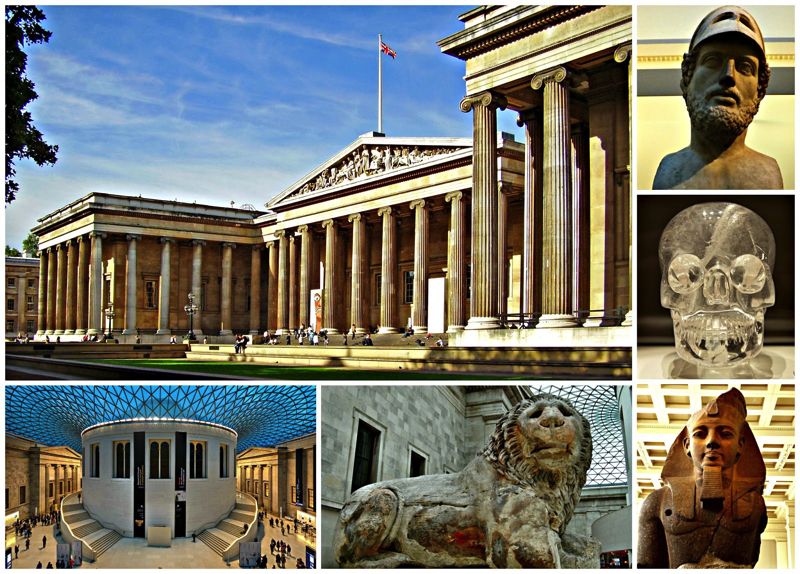
The British Museum is free to enter, but free does not mean simple. Its galleries cover thousands of years and many parts of the world. You can easily spend an hour looking at attractive objects without understanding why they matter, or miss a famous piece while trying to find the next room.
That is where this tour earns its $14 price. You are paying for a route, explanations, and a person who knows where the main objects are. The two-hour format also gives your visit a useful shape. You will not see everything, but you should leave with a solid sense of the museum’s main themes.
I especially like this approach for a first visit. It helps you get your bearings fast, then leaves you free to continue exploring after the tour. One booking described the route as a way to see the major objects before deciding whether to stay longer, which is exactly how I would use it.
The rating is 4.1 from 678 bookings, with particularly strong praise for the guides’ subject knowledge, humor, and energy. That matters here. A museum tour lives or dies by the guide, and the comments point to a consistently strong teaching style, even though the experience is not perfect for everyone.
More Museum Tours in London
- Tower of London and Crown Jewels Exhibition Ticket
★ 4.5 · 6,677 reviews - London: Chelsea Football Club Stadium and Museum Tour
★ 4.8 · 4,576 reviews - Chelsea FC Stadium Tours and Museum
★ 5.0 · 1,908 reviews
Meeting at the Great Russell Street entrance
Your meeting point is on the stairs to the museum’s main entrance on Great Russell Street, opposite Starbucks. The group gathers after passing through the security checkpoint, so you must allow time to join the entrance queue first.
Look for a guide holding a blue-green flag with the Paseando por Europa logo. This is the one practical weakness I would take seriously. The flag may be smaller than expected, and finding the right person can take a moment in a crowded entrance area.
Arrive early. One visitor allowed about an hour for the queue and meeting point. The line wrapped around the corner but moved in roughly 20 minutes on that occasion, so conditions vary. You do not need to arrive an hour early every time, but leaving a generous margin is smart if you have theater tickets, a train, or another timed activity afterward.
Bring your printed confirmation email or mobile voucher. Large bags, oversize luggage, and pets are not allowed, and smoking is prohibited. Food and drinks are not included, so handle those plans separately.
Starting with the museum’s Greek-style entrance
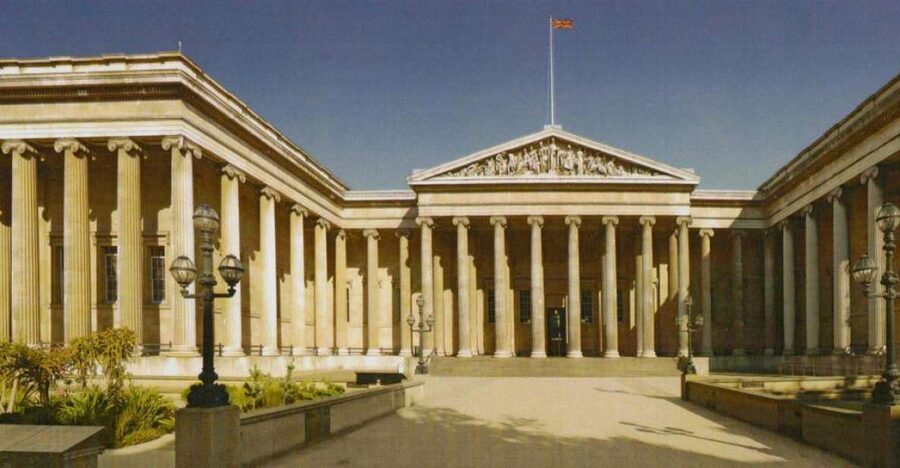
The visit begins outside with a look at the museum facade. Its columns and broad design recall Classical Greek buildings, an apt introduction to a collection that includes major Greek antiquities.
This short exterior stop gives you a useful question to carry inside: how did a London museum come to hold objects from so many cultures? The tour does not appear to focus on a long institutional debate, but the building itself sets up the museum’s grand nineteenth-century vision of world culture.
The best part is that the guide uses the exterior as a starting point rather than spending too much time there. With only two hours, you want the opening explanation to prepare you for the galleries, not replace them.
The Enlightenment gallery and King George III’s books
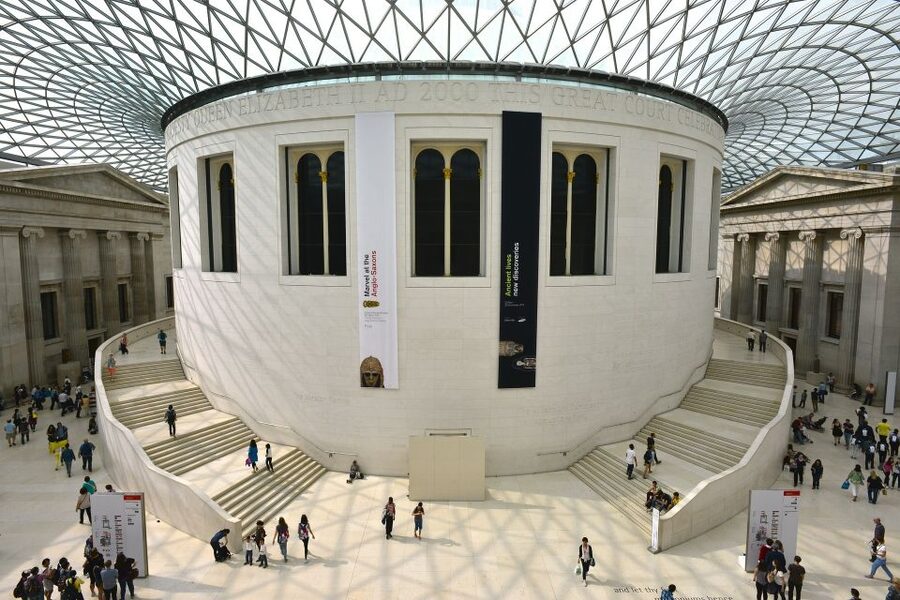
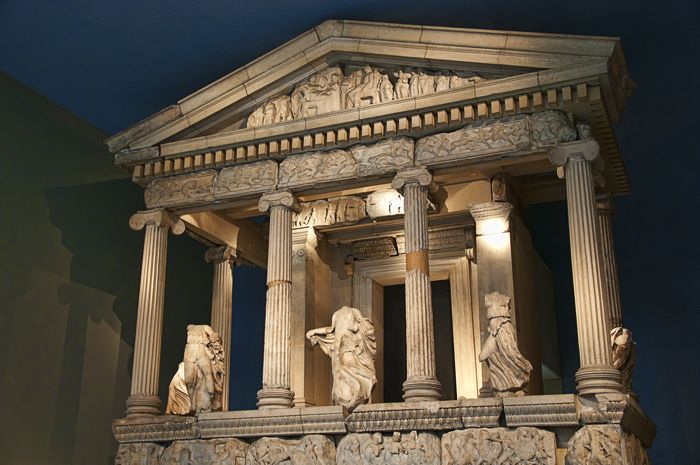
Inside, the route moves to the Hall of Enlightenment, described as the museum’s oldest room. It holds more than 60,000 books collected by King George III.
This room changes the tone of the visit. You begin with a space devoted not just to ancient objects, but to the way Europeans gathered, classified, and studied information. It gives you a glimpse of the museum as a place built around research as well as display.
The gallery is also a practical first stop. You get a sense of the museum’s older architecture and collections before heading toward the large ancient civilizations galleries. If you enjoy libraries, collecting, and the story of how museums were formed, this may be one of the tour’s more interesting surprises.
Do not expect to study every book or display in detail. The guide’s job is to point out the room’s purpose and connect it to the wider visit. You can return later if this part catches your interest.
Same trip, a completely different kind of day:
- London: The London Eye Entry Ticket
★ 4.6 · 35,875 reviews - From London: Harry Potter Warner Bros Studio Tour
★ 4.7 · 26,588 reviews - London: Westminster to Greenwich River Thames Cruise
★ 4.5 · 22,836 reviews - London: Madame Tussauds London
★ 4.6 · 20,915 reviews
Egyptian funerary rites and the objects of death
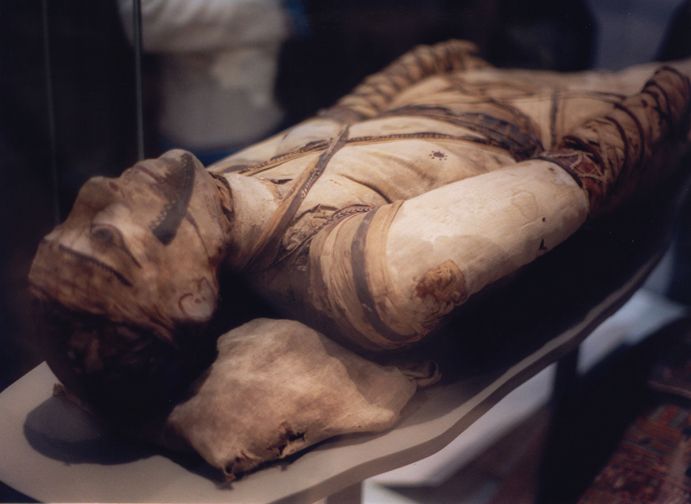
The Egyptian section is one of the tour’s central stops. Here, the guide explains funerary rites and the beliefs that shaped the objects you see.
That context is valuable because Egyptian displays can otherwise become a parade of statues, coffins, and inscriptions. A good explanation helps you see them as parts of a system of belief, not simply as beautiful old things. You will learn how the objects relate to death, burial, and the Egyptian view of what came next.
This is also a section where the guide’s pace matters. Two hours is not enough for every dynasty or object, so you should expect selected highlights rather than a full account of Egyptian civilization. The advantage is focus. You get a framework that makes a later solo visit more rewarding.
The route may appeal to families with older children and teenagers, especially if they like stories about mummies, gods, and ancient rituals. One guide, Miguel, was singled out for combining humor with detailed explanations and for making the visit work well for families.
Assyrian civilization and imperial power
From Egypt, the tour continues to the Assyrian collection. This adds a different view of the ancient world, with attention shifting from funerary belief to empire, royal power, and monumental art.
The value of this stop is comparison. You have just considered how one culture understood death. Now you see how another recorded authority and military strength. The guide can connect the objects to the wider movement of peoples and ideas across the ancient Near East.
This section may not be as instantly familiar as the Egyptian galleries, which is another reason to have a guide. Without direction, you might walk past Assyrian reliefs while searching for the museum’s most famous names. With two hours, the guide can identify the pieces worth your attention and explain why they deserve it.
You should expect the tour to keep moving. The museum is large, and stopping for every object would make it impossible to reach the Greek, Polynesian, and Aztec sections.
The Parthenon sculptures and ancient Greece
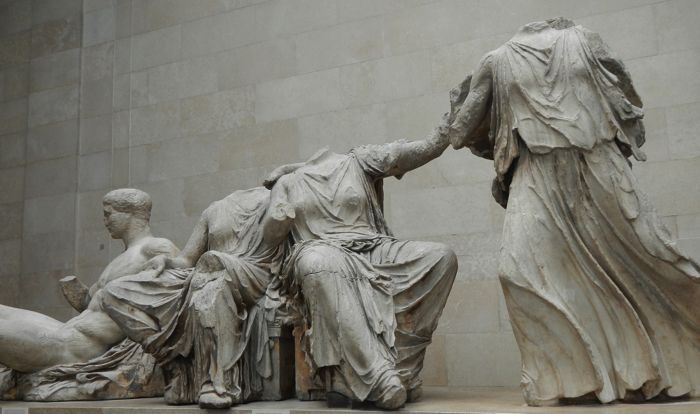
The Greek collection brings you to one of the museum’s most recognizable displays: parts of the Parthenon structure from Athens.
The guide can help you read these pieces as architecture rather than isolated sculpture. You are not simply looking at fragments. You are seeing part of a building designed as a complete artistic and religious statement.
This stop also carries modern political and cultural questions. The tour description focuses on the historical and artistic importance of the objects, so do not expect a long debate about ownership and repatriation. If that issue matters to you, you may want to spend extra time in the gallery after the guided portion ends.
The Greek galleries are likely to be busy, especially during school holidays and major travel periods. Crowds can make it harder to hear, so stay close to the guide and avoid drifting behind while taking photographs. The museum’s free general admission contributes to the number of people inside, even though this paid activity gives you a more focused route.
Hoa Hakananai’a, the moai from Easter Island
Near the end, you meet Hoa Hakananai’a, a more-than-two-meter-tall moai from Easter Island, also known as Rapa Nui.
This is one of the tour’s most memorable transitions. After ancient Egypt, Assyria, and Greece, the moai expands the story beyond the Mediterranean and Near East. Its scale makes it easy to understand why it is such a powerful object in the museum.
The guide can help you look beyond its size. Hoa Hakananai’a is not just a giant stone figure. It represents the traditions and artistic work of the people of Rapa Nui, and its presence in London raises questions about how museums collect and display objects from distant cultures.
The itinerary places this stop near the end, which works well as a final major sight. It gives you a strong visual memory of the visit rather than ending with a small case of objects.
Aztec pieces and a final shift in time and place
The tour finishes with objects connected to the Aztec world. This final section adds another culture and region to the route, keeping the visit broad rather than limiting it to Europe and the ancient Mediterranean.
The result is a quick but useful survey of human civilizations. You move through different ideas about writing, death, kingship, religion, architecture, and artistic expression. You will not become an expert in any one culture in two hours, but you will gain a map of the museum and several threads to follow on your own.
That broad approach suits first-time visitors. If you already know the British Museum well, the route may feel too basic or too fast. In that case, a self-guided visit focused on one collection could give you more time with fewer objects.
The guides make the biggest difference
The strongest part of the experience is the human element. Puri is praised for her passion and clear command of the museum’s objects. Miguel is described as funny, professional, and effective with families. Eduardo brought a background in history and encouraged questions, while other guides such as Fernando and Ferran were remembered for energy and personal attention.
You cannot choose a specific guide in advance from the information provided, so the exact style will vary. The common thread is enthusiasm and strong subject knowledge. That is important because the tour covers a lot of ground, and dry delivery would make the pace feel rushed.
The group size may also vary. One booking expected 11 people but only four arrived, which created a very personal experience. Do not count on having such a small group, but it shows that numbers can change and that late arrivals may affect the start.
One useful improvement would be a clearer way to tell the guide if you are already at the meeting point or running late. Since the flag can be difficult to spot, make sure you know the exact location and arrive before the scheduled start.
Is $14 a good value?
Yes, for most first-time visitors. The museum itself has free entry, so the $14 is entirely for the guided service. That makes the comparison straightforward: you are paying a small amount to save time and add interpretation.
I would especially value it on a short London visit. If you have only one afternoon, finding the Egyptian, Assyrian, Greek, Polynesian, and Aztec highlights on your own could take much of your available time. The tour puts the major stops into one route and leaves you the option of staying afterward.
It is less useful if you prefer a slow, independent museum visit. Two hours is a firm limit for the guided portion, and you will move between collections rather than linger everywhere. You may also find the price less important if you already have a detailed plan for the museum.
You can reserve now and pay later, which keeps the booking flexible. Cancellation is free up to 24 hours before the start time. The tour is wheelchair accessible, and live guiding is available in English or Spanish.
Who should book this tour?
I would choose it for a first visit, a short stay in London, or a family group that needs a clear route. It is also a good fit if ancient civilizations interest you but you do not want to spend hours researching the museum before arriving.
Families with older children and teenagers may appreciate the mix of mummies, royal art, the Parthenon, a giant moai, and Aztec objects. The guides’ humor and storytelling can help hold attention better than a room-by-room audio guide.
I would think twice if you want a specialist tour of only Egypt, Greece, or the museum’s collecting history. This experience is broad by design. It gives you the big picture, not a scholarly treatment of one gallery.
Should you book it?
Book this tour if you want to see the British Museum’s main highlights in two hours and understand why they matter. At $14, it is a sensible shortcut through a huge collection, with the added benefit of lively guides such as Puri and Miguel.
Allow extra time for security, find the blue-green flag carefully, and do not bring large luggage. If you accept the quick pace and broad route, this is a practical way to begin your British Museum visit, then stay on your own for the galleries that catch your attention.
FAQ
How long does the British Museum tour last?
The guided walking tour lasts two hours.
How much does the tour cost?
The listed price is $14 per person.
Where is the meeting point?
Meet on the stairs at the museum’s main entrance on Great Russell Street, opposite Starbucks, after passing through the security checkpoint.
How do I identify the guide?
Look for a guide holding a blue-green flag with the Paseando por Europa logo.
What languages are available?
Live guiding is available in English and Spanish.
Is the tour wheelchair accessible?
Yes, the activity is listed as wheelchair accessible.
What should I bring to the meeting point?
Bring your printed confirmation email or mobile voucher. Arrive early enough to allow for entrance queues.
Are food, drinks, or museum entry included?
Food and drinks are not included. The British Museum has free general entry, but you should allow time for the security and entrance queues before meeting the guide.
Just added in London
- London Westminster Abbey French Tour with Fast-Track Tickets★ 4.8 · 57 reviews
- Tower of London Tour with Crown Jewels, plus River Cruise★ 4.5 · 54 reviews
- French Language: Original Harry Potter Walking Tour★ 4.6 · 503 reviews
- Changing of the Guard Experience in London★ 4.5 · 113 reviews
- Early Access:Tower of London Opening Ceremony & Royal London★ 4.8 · 49 reviews
- DreamWorks Shrek’s Adventure and London Eye: Combo Ticket★ 4.5 · 150 reviews
- Doctor Who London Walking Tour★ 4.9 · 137 reviews
- Downton Abbey and Village Small Group Tour from London★ 4.8 · 280 reviews
Museums, compared.

Liverpool Football Club Museum and Stadium Tour
Read our review →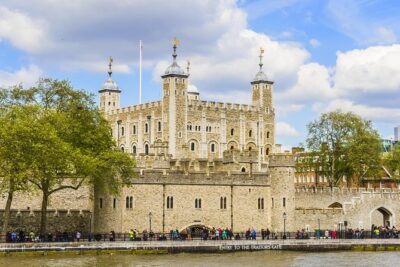
Tower of London and Crown Jewels Exhibition Ticket
Read our review →
Chelsea Football Club Stadium and Museum Tour
Read our review →



Browse the lists this tour appears in