
Reviewed · MUSEUMS
London: Museum of Brands Skip-the-Line Ticket
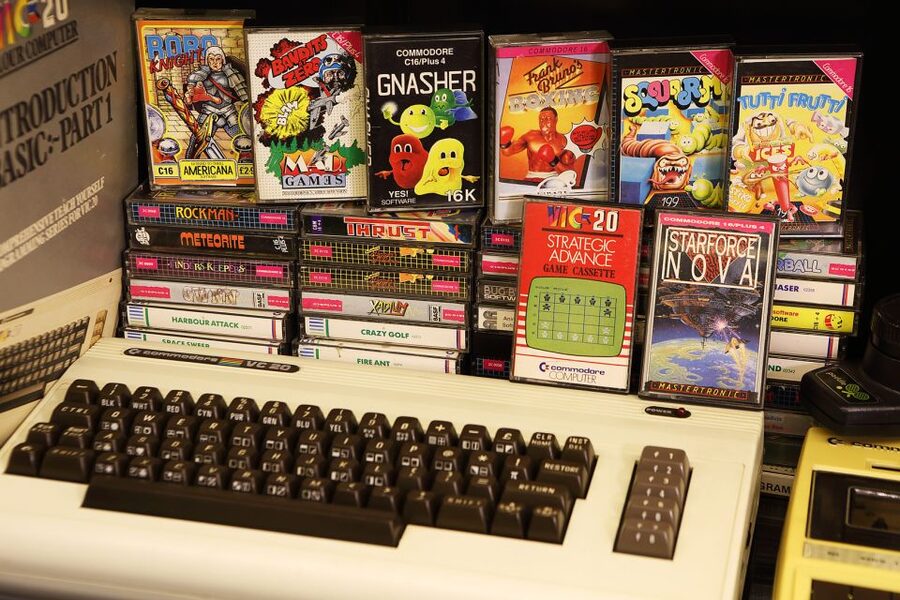
London’s Museum of Brands turns everyday shopping into a story about 200 years of social change. Its chronological Time Tunnel links familiar products with royal coronations, world wars, moon landings, new technology, and the rise of digital life.
I like the huge collection of more than 12,000 items, and I like the way transport, entertainment, music, leisure, and travel appear alongside the packaging. The main drawback is that this is a self-guided museum rather than a hosted tour, so you need to set your own pace and read your way through the displays.
Key points
- A chronological Time Tunnel: Follow consumer culture from Victorian times to the digital age.
- More than 12,000 objects: See old packaging, advertisements, toys, tins, and familiar brand designs.
- Five minutes from Portobello Road: Pair the museum with one of Notting Hill’s best-known markets.
- Past television adverts: Sit down after the main display for a dose of vintage commercial culture.
- Changing special displays: Previous themes have included 1950s toys, London punk, chocolate, and biscuit tins.
- Memorial garden break: Finish with coffee, cake, or Prosecco at your own cost in an award-winning garden.
A Time Tunnel Through Everyday Life
The museum’s central idea is simple: products tell the story of the people who bought them. You do not just see old boxes and tins. You see how homes, habits, technology, and free time changed across two centuries.
The collection begins in the Victorian period and moves forward in order. That layout matters. It lets you compare one era with the next instead of wandering through unrelated objects. A product from an earlier period can be understood beside the transport, entertainment, and social changes that helped make it possible.
You might begin with packaging from a time when shopping looked very different from today. Then the displays move through major events and inventions that shaped daily routines. Royal coronations and two world wars provide the wider setting, while the arrival of the railway, motor car, and airplane shows how people began to move farther and faster.
I find this approach more useful than a display made only of famous objects. A brand can seem ordinary on its own. Place it beside changing travel, media, and household life, and it becomes evidence of how society worked.
More Museum Tours in London
- Tower of London and Crown Jewels Exhibition Ticket
★ 4.5 · 6,677 reviews - London: Chelsea Football Club Stadium and Museum Tour
★ 4.8 · 4,576 reviews - Chelsea FC Stadium Tours and Museum
★ 5.0 · 1,908 reviews
Victorian Products and the Birth of Consumer Culture
The early section gives you a starting point for understanding modern shopping. The museum focuses on consumer culture, so the point is not simply to admire old designs. It is to see how goods were presented, sold, and remembered.
Packaging carried more weight in the past. It had to identify a product, attract attention, and help create trust. As you walk through the Time Tunnel, notice how designs change from one period to another. The details of lettering, colors, shapes, and images reveal changing ideas about taste and aspiration.
This part is useful if you enjoy design, advertising, or social history, but it also works for anyone curious about ordinary household life. The displays connect personal memory with broader change. A familiar label may remind you of childhood, while a much older package offers a glimpse into a period you never knew.
Do not rush this section. The collection is large, and the pleasure comes from making small connections. You may recognize a brand from your own life, then see an earlier version of its packaging nearby. That shift in appearance can say a great deal about changing ideas of quality, convenience, and modern living.
Railways, Cars, and Airplanes Change the Way People Live
The Time Tunnel pays special attention to transport. The railway, motor car, and airplane did more than shorten journeys. They changed where people could work, shop, holiday, and spend their leisure time.
The railway helped connect towns and cities. The motor car offered a different kind of freedom and altered the way people thought about distance. Air travel made faraway places part of a new consumer dream. The museum places brands and packaging within this wider story, giving you more context than a simple display of old advertisements.
I like this section because it explains why consumer culture grew. People could encounter new products in more places, travel farther, and hear about distant destinations through advertising. The objects become clues to a wider shift in daily life.
The displays also encourage you to think about speed. Modern life did not change all at once. It developed through a series of inventions that affected shopping, holidays, communication, and entertainment. The museum’s chronological order helps you follow that progression without needing a specialist background.
Cinema, Radio, and Television Bring Entertainment Home
Entertainment gets its own important thread. The arrival of cinema, radio, and television changed how people spent evenings and how brands reached the public.
Cinema created a new shared experience outside the home. Radio brought voices and music into domestic life. Television added moving pictures to that routine and gave advertisers a powerful new way to present products.
The museum links these changes to consumer behavior. You can think about how a household’s daily rhythm shifted as each medium arrived. The story is not only about machines. It is also about new habits, new stars, new forms of music, and new ways for companies to build a familiar public image.
After the Time Tunnel, you can watch television adverts from the past. This is a worthwhile part of the visit because advertising is easier to understand when you can see it in motion. Static packaging shows design. A television advert shows voice, music, humor, and the style of an entire period.
Allow time for this rather than treating it as a quick extra. It gives the museum’s collection a soundtrack and helps explain why certain products became so memorable. The tone may also be a welcome change after reading your way through the chronological displays.
More Skip-the-Line Tickets in London
- Skip the Line Tower of London & Westminster Tour and River Cruise
★ 5.0 · 730 reviews - London: Westminster Abbey Skip-the-line Entry & Guided Tour
★ 4.9 · 368 reviews - Skip the Line Parliament & Westminster Abbey Fully-Guided Tour
★ 4.5 · 149 reviews - Skip-the-Line London Westminster Abbey Guided Tour in German
★ 4.9 · 135 reviews
Packaging, Toys, Chocolate, and Familiar Memories
The museum’s strength is its connection to personal memory. The display can remind you of childhood, even when you are looking at something as simple as a box, tin, wrapper, or toy.
Special displays change over time. Past themes have included 1950s toys, London’s punk scene, chocolate brands, and biscuit tins. That range shows how the museum can move between childhood, music, fashion, food, and popular culture.
You should check what temporary display is running before you book if one particular subject matters to you. The main collection remains the reason to visit, but a temporary theme can give your visit a sharper focus.
A display about 1950s toys will appeal to people interested in childhood and postwar life. A display about London punk will suit anyone curious about music and youth culture. Chocolate brands and biscuit tins offer a more domestic route into advertising and design. Each subject can reveal how products were tied to celebration, identity, nostalgia, and everyday routines.
The collection is particularly good for mixed-age groups. Younger visitors may respond to color, toys, and unusual packaging. Older visitors may recognize products they used at home. You can enjoy the same object for different reasons, which makes the museum a useful stop for families and multigenerational groups.
A Notting Hill Stop Near Portobello Road
The museum is on Lancaster Road in the heart of Notting Hill, about five minutes from Portobello Road Market. That location makes it easy to combine the visit with other time in the area.
I would treat the museum as a focused stop rather than an all-day attraction. The ticket is valid for one day, so you can plan around the rest of your schedule and include the museum before or after Portobello Road. The nearby market gives you a useful contrast: the museum looks at the history of consumer culture, while the surrounding neighborhood offers a present-day shopping experience.
The location also helps if you want a break from larger, more demanding museums. You can spend time with a specific theme, watch the adverts, and then head back outside without committing your entire day.
Opening hours are Monday through Saturday from 10:00 AM to 6:00 PM. On Sundays and bank holidays, the museum opens from 11:00 AM to 5:00 PM. It is closed on August 27, 28, and 29, December 24, 25, and 26, and January 1, so check your date carefully before setting out.
The Memorial Garden and a Quiet Finish
The award-winning memorial garden provides a calm ending to the museum visit. After the visual density of the collection, outdoor space gives you somewhere to pause and sort through what you have seen.
Food and drinks are not included, but you can buy a piece of cake with coffee or have a glass of Prosecco at your own cost. This is not a required part of the experience, but it adds a pleasant option if you want to slow down rather than leave immediately.
The garden also helps balance the visit. Packaging, advertising, and consumer culture can be visually busy. A quiet outdoor area lets you take a break, especially if you are visiting with children or combining the museum with several stops in Notting Hill.
There is also a gift shop with souvenirs connected to the collection, along with tasty treats. If you like printed designs, old-style branding, or small food gifts, this is a natural place to browse. Keep in mind that purchases are personal expenses and are not included in the ticket.
Is the $18 Ticket Good Value?
At $18 per person, this is a reasonably priced London attraction, especially if you enjoy design, advertising, social history, or nostalgia. Your ticket includes the museum, temporary displays, and garden, and it is valid for one day.
The value depends on how closely you look. If you speed through the Time Tunnel in 30 minutes, the price may feel less convincing. If you read the displays, watch the historic adverts, visit the temporary exhibition, and take a garden break, you get a fuller experience for the same ticket.
The skip-the-line ticket is useful when you want a straightforward entry plan. It does not turn the museum into a guided tour, though. You are responsible for setting your route and deciding how much time to spend with each period.
I would consider the ticket particularly good value for a Notting Hill day. It is close to Portobello Road, covers both the permanent and temporary displays, and offers an indoor activity that can fit around other plans.
Who Will Enjoy This Museum Most?
I would recommend it to you if you like:
- Brand design, advertising, packaging, and popular culture
- Social history told through ordinary objects
- Childhood memories and vintage products
- The changing role of cinema, radio, television, and music
- Shorter museum visits paired with neighborhood sightseeing
- Family outings where different ages can find different points of interest
It may be less suitable if you want major paintings, ancient artifacts, or a live guide explaining every display. The museum’s focus is narrow but distinctive. You need to enjoy looking closely at consumer goods and thinking about what they say about society.
Because the host or greeter language is English, the visit will work best if you are comfortable reading English display information. The museum is wheelchair accessible, which is useful for visitors who need step-free access.
Practical Advice Before You Go
Set aside enough time to avoid treating the collection like a quick photo stop. The exact amount depends on how much you read and whether you watch the television adverts, but the one-day validity gives you room to fit the museum around Portobello Road.
If you are visiting on Sunday or a bank holiday, remember the later 11:00 AM opening time and earlier 5:00 PM closing time. For Monday through Saturday, plan around the 10:00 AM to 6:00 PM schedule.
Food and drinks are not part of the ticket price. You can buy refreshments in the garden, but plan for that extra cost if you want coffee, cake, or Prosecco. Souvenirs and treats from the gift shop also cost extra.
The attraction offers free cancellation up to 24 hours before the visit, and you can reserve now and pay later. Those options are useful if your London schedule is still changing, though you should still confirm the selected date and opening hours before you go.
Should You Book the Museum of Brands?
Book it if you want a thoughtful, unusual museum near Portobello Road and enjoy seeing big social changes through small everyday objects. The best parts are the chronological Time Tunnel, the huge collection, the historic adverts, and the link between packaging and changing lifestyles.
I would not choose it as your main London museum if you want art, royal treasures, or a formal guided presentation. But at $18, it offers a focused and accessible stop with enough variety to suit design fans, families, nostalgia hunters, and curious shoppers. Pair it with Portobello Road, allow time for the garden, and you will get much more from the ticket than a quick walk past old boxes.
FAQ
Where is the Museum of Brands located?
The museum is on Lancaster Road in Notting Hill, about five minutes from Portobello Road Market.
What does the ticket include?
The ticket includes entrance to the Museum of Brands, temporary displays, and the memorial garden.
How long is the ticket valid?
The ticket is valid for one day from its first activation.
What are the opening hours?
The museum is open Monday through Saturday from 10:00 AM to 6:00 PM. On Sundays and bank holidays, it is open from 11:00 AM to 5:00 PM.
Is the museum open every day of the year?
No. It is closed on August 27, 28, and 29, December 24, 25, and 26, and January 1.
Are food and drinks included?
No. Food and drinks are not included, but you can purchase coffee, cake, or Prosecco in the garden at your own expense.
Just added in London
- Royal London Guided Sightseeing Tour and Thames River Cruise★ 4.0 · 31 reviews
- Westminster Abbey, Big Ben, Buckingham Guided Tour of London★ 5.0 · 451 reviews
- Roman Ruins to Blitz Bombings: A Walking Tour of London’s Fiery History★ 5.0 · 190 reviews
- Roman London Private Walking Tour★ 5.0 · 44 reviews
- River Thames Evening Cruise with Sparkling wine and Canapés★ 4.0 · 569 reviews
- Rock and Roll Walking Tour of Soho London★ 4.5 · 64 reviews
- London Private Chauffeur Half-Day or Full-Day Vehicle Rental★ 5.0 · 37 reviews
- Rich people behaving badly★ 5.0 · 47 reviews
Museums, compared.
Liverpool Football Club Museum and Stadium Tour
Read our review →
Tower of London and Crown Jewels Exhibition Ticket
Read our review →
Chelsea Football Club Stadium and Museum Tour
Read our review →

Browse the lists this tour appears in