
Reviewed · MUSEUMS
London: Freud Museum Entry Ticket
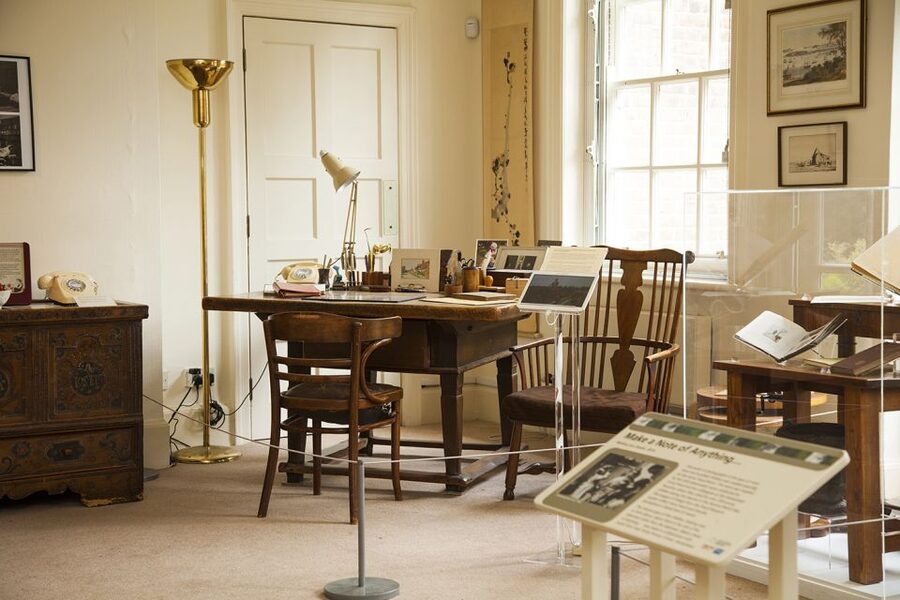
Freud Museum London gives you something rare: a look inside the actual home where Sigmund Freud spent his final years. His study remains arranged much as he left it, complete with the famous couch, his desk, treasured antiquities, and an odd chair built around his preferred sitting position.
I like the preserved rooms and the way they connect Freud’s private life with the birth of psychoanalysis. I also like the attention given to Anna Freud, whose work with children is often treated as a footnote, even though her contribution was substantial. The main drawback is simple: this is a small museum, not a full-day attraction, so visitors expecting a large collection may finish sooner than expected.
Key points
- Freud’s original study: See the world-famous couch, desk, antiquities, and his specially designed chair.
- Anna Freud’s room: Learn about her work in child psychoanalysis and see her couch and personal collections.
- A 20-minute family film: Hear Anna Freud’s voice and a rare recording of Sigmund Freud.
- Salvador Dalí portrait: View Dalí’s portrait of Freud and learn about their 1938 meeting in London.
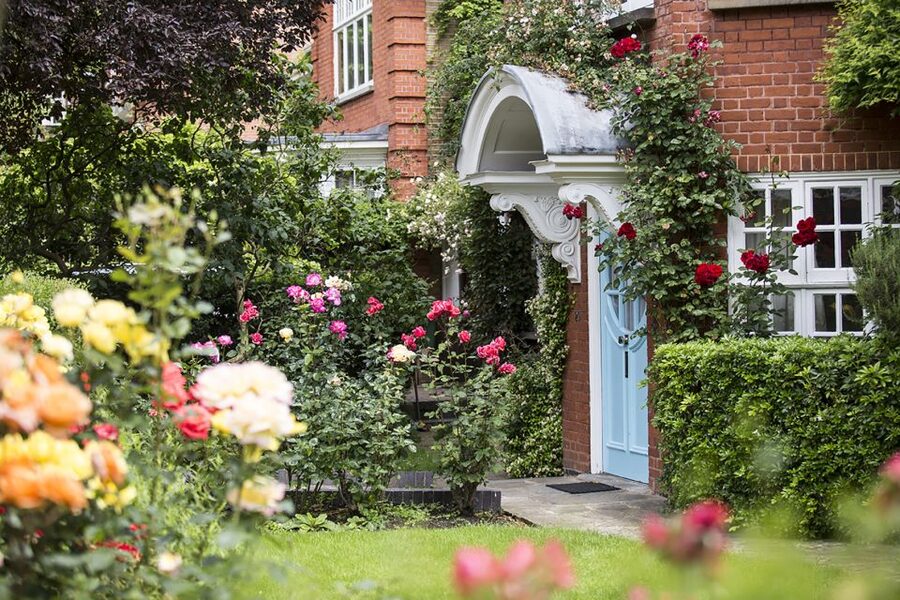
- Peaceful garden: End your visit in the quiet outdoor space behind the house.
- Free afternoon tour: Join a free tour at 2pm from Thursday through Saturday, or use the audio guide with your own phone and headphones.
Inside Freud’s Final London Home
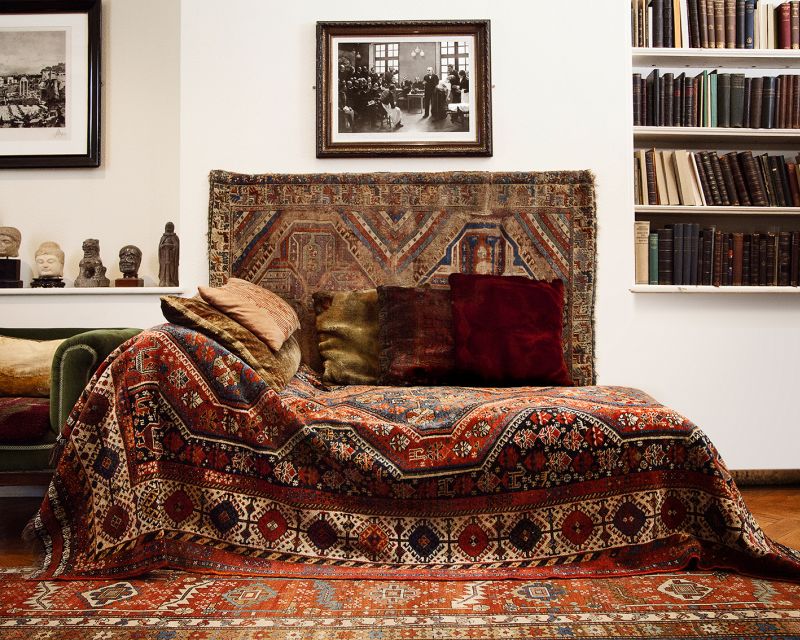
The Freud Museum occupies the house that became Sigmund Freud’s final home after he left Vienna. It also preserves the domestic setting of his daughter Anna Freud, a leading figure in child psychoanalysis.
That setting matters. You are not walking through a reconstructed exhibition hall filled with labels and display cases. You are entering rooms tied to the family’s daily life and intellectual work. The museum lets you see the furniture, objects, and personal surroundings that shaped Freud’s final chapter.
The house is especially useful for anyone who knows Freud mainly through a few famous terms. Here, psychoanalysis is placed beside family life, exile, work, and personal taste. The visit connects the public thinker with the man who arranged his study, collected antiquities, and preferred a very particular way of sitting.
Admission costs $19 per person. For a small specialist museum, that is not a bargain in the same sense as a major free London museum. Still, the price includes admission and an audio guide, and the experience offers access to original rooms and objects that cannot be reproduced elsewhere.
More Museum Tours in London
- Tower of London and Crown Jewels Exhibition Ticket
★ 4.5 · 6,677 reviews - London: Chelsea Football Club Stadium and Museum Tour
★ 4.8 · 4,576 reviews - Chelsea FC Stadium Tours and Museum
★ 5.0 · 1,908 reviews
Freud’s Study and the Famous Couch
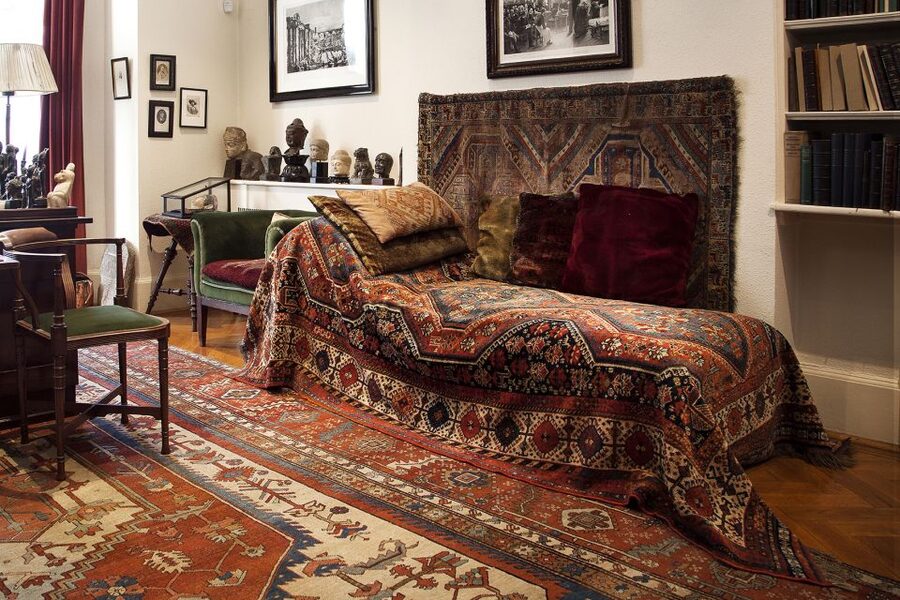
The study is the heart of the visit. This is where you see the world-famous psychoanalytic couch, the object most closely linked with Freud’s method of listening to patients.
The room is preserved as Freud left it, giving it a strong sense of place. You can examine the desk where he kept his favorite antiquities and picture the working habits of a man whose ideas changed modern views of the mind.
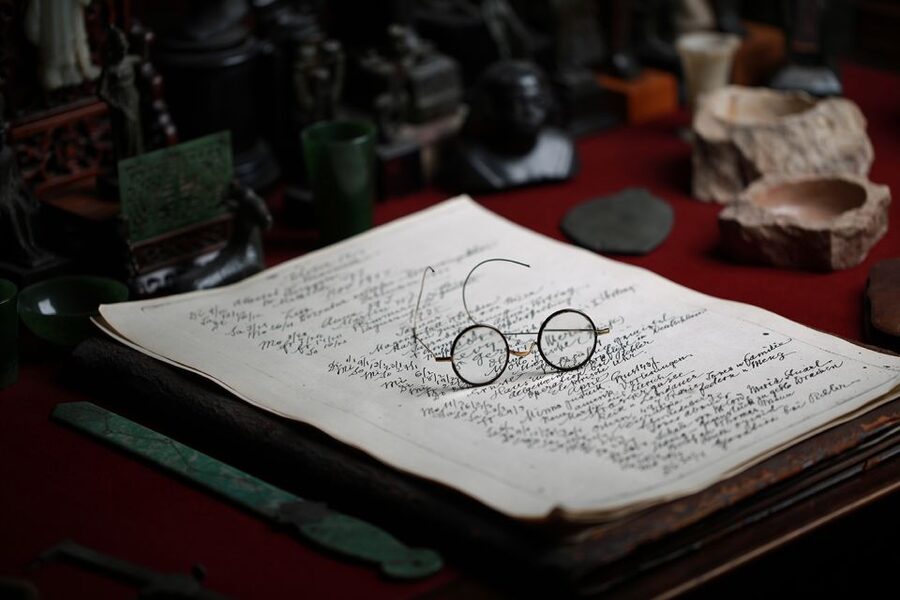
The antiquities are important because they reveal more than decoration. They show Freud’s personal interests and the way objects surrounded his work. The study feels both professional and personal, with the couch, desk, and collection creating a direct link between his theories and his daily surroundings.
One especially unusual object is Freud’s chair. It was designed to suit his preferred posture, with his legs resting over one arm. That small detail adds a human touch to the room. It also reminds you that famous thinkers have ordinary habits, preferences, and physical comforts.
You should take your time here. The study is not a room to cross quickly on the way to the next display. Use the audio guide to add context, then look closely at the arrangement of the furniture and objects. The power of the room comes from its original setting, not from a large quantity of material.
The Dining Room and the Story of Psychoanalysis
The Dining Room shifts the focus from Freud’s private study to the wider family story and the development of psychoanalysis.
This is where the visit helps you place the objects in context. Freud did not work in isolation from family, politics, or place. The room gives you a chance to understand the household around him and the story that continued after his arrival in London.
If you are new to psychoanalysis, this part should help you follow the basic story without requiring specialist knowledge. If you already know Freud’s work, it gives you a domestic setting for ideas usually encountered in books, lectures, or university courses.
The museum works best when you allow the rooms to complement one another. The study gives you the personal setting. The dining room gives you family context. Anna Freud’s room then shows how the next generation developed its own area of work.
Anna Freud’s Room and Child Psychoanalysis
Anna Freud’s room is one of the most valuable parts of the museum because it broadens the story beyond her father.
Anna Freud became a pioneer of child psychoanalysis. Her room includes her couch and collections, giving you a more direct sense of her professional life and interests.
This section is particularly worthwhile if you are interested in children, education, psychology, or the history of medicine. It also helps correct the idea that the museum is only about Sigmund Freud. The house belonged to both father and daughter, and Anna’s work deserves its own attention.
The contrast between the two rooms is useful. Sigmund Freud’s study carries the weight of a famous intellectual office. Anna’s room shows how psychoanalytic ideas moved into work with children. Together, they tell a broader story about how the field developed.
The museum does not turn Anna into a supporting character. Her room gives you space to consider her ideas and career on their own terms. For many visitors, this may be the most important part of the visit.
Same trip, a completely different kind of day:
- London: The London Eye Entry Ticket
★ 4.6 · 35,875 reviews - From London: Harry Potter Warner Bros Studio Tour
★ 4.7 · 26,588 reviews - London: Westminster to Greenwich River Thames Cruise
★ 4.5 · 22,836 reviews - London: Madame Tussauds London
★ 4.6 · 20,915 reviews
Dalí’s Portrait and a Meeting in 1938
Beside Anna Freud’s room, you can see Salvador Dalí’s portrait of Sigmund Freud.
The portrait adds an artistic layer to the museum. Dalí was a major surrealist, and his interest in Freud is fitting given the links between surrealist art, dreams, and the unconscious. The museum also provides information about Dalí’s meeting with Freud in London in 1938.
This is a short but memorable stop. It gives you a different way to think about Freud’s influence. His ideas did not stay within the consulting room or the university. They reached writers, artists, and wider European culture.
If you enjoy art as much as psychology, allow extra time for this section. The portrait is not simply another object on the wall. It connects Freud to a major artistic movement and to the cultural world around him.
The 20-Minute Freud Family Film
In the next room, you can watch a film about the Freud family. It runs for about 20 minutes, which makes it easy to fit into a short visit.
The film includes voiceovers from Anna Freud, a rare recording from an interview with Sigmund Freud, and footage from Vienna and London. These recorded voices and moving images add something the objects alone cannot provide.
The film is a good choice before or after the rooms. Watch it early if you want a basic family framework before studying the house. Watch it later if you prefer to form your own impressions first, then use the film to connect the details.
Because the film is only 20 minutes, it does not demand a major time commitment. It is also one of the clearest ways to hear the people connected to the house rather than relying only on written displays.
A Quiet End in Freud’s Garden
The garden offers a calm finish after the indoor rooms.
It is described as peaceful, and that quality gives the visit a useful pause. Freud’s study and the story of psychoanalysis can feel intense, especially if you spend time thinking about the ideas connected with the couch and the consulting room. The garden lets you step away from that atmosphere before returning to the city.
Do not treat the garden as an afterthought. It is part of the rhythm of the visit. The house gives you concentrated interior spaces, while the garden gives you room to slow down and reflect.
The garden also helps balance the museum. This is not only a place of theory, illness, and intellectual debate. It was a home, and the outdoor space helps restore that domestic scale.
Audio Guide, Free Tour, and Visit Length
Admission includes an audio guide, but you need to bring your own phone and headphones. That is an important practical detail. Without headphones, you may not be able to use the guide comfortably.
The audio guide gives you control over the pace. You can spend more time in Freud’s study, pause around Anna Freud’s room, or move on when you have enough information. This suits visitors who prefer a self-guided visit.
A free tour is available from Thursday through Saturday at 2pm. If you want more structure, plan your visit around that time. The available information does not identify the tour guide by name, so check the current schedule when booking.
The ticket is valid for one day, but the museum itself is not presented as a full-day activity. Plan it as a focused cultural stop. You might pair it with other London plans rather than reserving an entire day around the museum.
The meeting point is at the back of the house. Enter through the shop. This is easy to miss if you approach from the front, so follow the instructions carefully when you arrive.
Who Will Get the Most from the $19 Price?
I think the ticket offers the best value if you have a real interest in Freud, psychology, family history, modern European culture, or surrealist art.
The price is easier to justify because you are seeing Freud’s actual final home and original furnishings, rather than a general exhibition about his ideas. The study, couch, desk, and chair give the visit a strong physical focus.
For casual sightseers, the value is less certain. If you know little about Freud and have no interest in psychology, the museum’s small scale may not hold your attention for long. The 20-minute film and audio guide help, but the experience remains specialized.
I would also recommend it to visitors who prefer quiet museums over large attractions. The house offers a slower pace and a more personal setting than many major London sights. The 4.8 rating from 233 bookings reflects the strong response to its atmosphere and content, with recent comments describing it as interesting, amazing, and worth recommending.
Book with care if your schedule is tight. The ticket allows free cancellation up to 24 hours before the visit, and you can reserve now and pay later, which helps if your London plans are still changing.
Is the Freud Museum Worth Booking?
Book this experience if you want to see Freud’s original study, understand Anna Freud’s work, and explore the personal setting behind psychoanalysis.
The strongest reasons to go are the preserved couch and study, Anna Freud’s room, the recorded voices in the family film, and the quiet garden. The main limitation is scale: this is a focused museum visit, not a large attraction with hours of galleries.
For psychology students, history-minded visitors, art lovers, and anyone curious about Freud’s London years, $19 is a fair price. Bring your own headphones, consider the 2pm free tour from Thursday to Saturday, and allow enough time to watch the film rather than rushing through the rooms.
FAQ
Where is the Freud Museum located?
The Freud Museum is in South East England, in the United Kingdom.
What does the ticket include?
The ticket includes admission, an audio guide, and a free tour from Thursday through Saturday at 2pm.
Is the audio guide included?
Yes, an audio guide is included with admission.
Do I need to bring headphones?
Yes. Bring your own phone and headphones to listen to the free audio guide.
Where do I enter the museum?
Go to the back of the house and enter through the shop.
How long is the family film?
The film about the Freud family runs for 20 minutes.
Can I see Freud’s original couch?
Yes. Sigmund Freud’s study includes the world-famous psychoanalytic couch.
Is Anna Freud’s work included?
Yes. Anna Freud’s room covers her pioneering work in child psychoanalysis and includes her couch and collections.
Can I cancel the booking?
Yes. You can cancel up to 24 hours in advance for a full refund. You can also reserve now and pay later.
Just added in London
- Royal London Guided Sightseeing Tour and Thames River Cruise★ 4.0 · 31 reviews
- Westminster Abbey, Big Ben, Buckingham Guided Tour of London★ 5.0 · 451 reviews
- Roman Ruins to Blitz Bombings: A Walking Tour of London’s Fiery History★ 5.0 · 190 reviews
- Roman London Private Walking Tour★ 5.0 · 44 reviews
- River Thames Evening Cruise with Sparkling wine and Canapés★ 4.0 · 569 reviews
- Rock and Roll Walking Tour of Soho London★ 4.5 · 64 reviews
- London Private Chauffeur Half-Day or Full-Day Vehicle Rental★ 5.0 · 37 reviews
- Rich people behaving badly★ 5.0 · 47 reviews
Museums, compared.

Liverpool Football Club Museum and Stadium Tour
Read our review →
Tower of London and Crown Jewels Exhibition Ticket
Read our review →
Chelsea Football Club Stadium and Museum Tour
Read our review →

Browse the lists this tour appears in