
Reviewed · SELF-GUIDED TOURS
Western Approaches Self Guided Tour
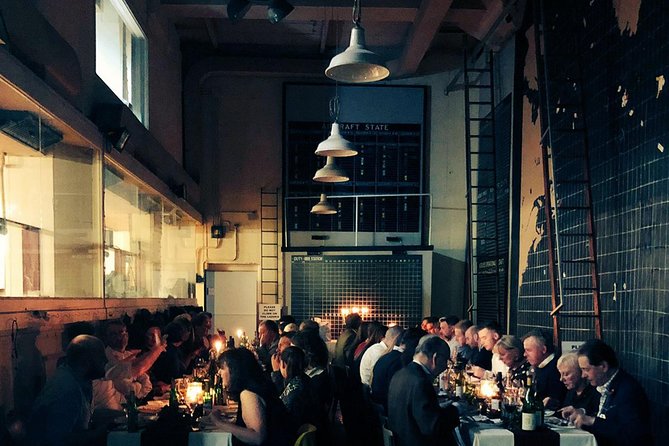
Liverpool’s Western Approaches Museum takes you below the city streets into the former headquarters that helped direct the Battle of the Atlantic. The most striking room is the preserved Map Room, where commanders, WRNS, and WAAF personnel tracked convoys and enemy ships around the clock.
I like the freedom to move at your own pace, and the annual pass is unusually good value if you will return to Liverpool. I also like the hands-on details: you can sit at desks, try typewriters, inspect the telephone exchange, and see one of only two surviving wartime phones with a direct line to the war cabinet in London.
The main drawback is that much of the museum relies on written panels and static displays. If you want the polished, highly interactive presentation of London’s Churchill War Rooms, this smaller museum may feel modest.
Key points to know before you go
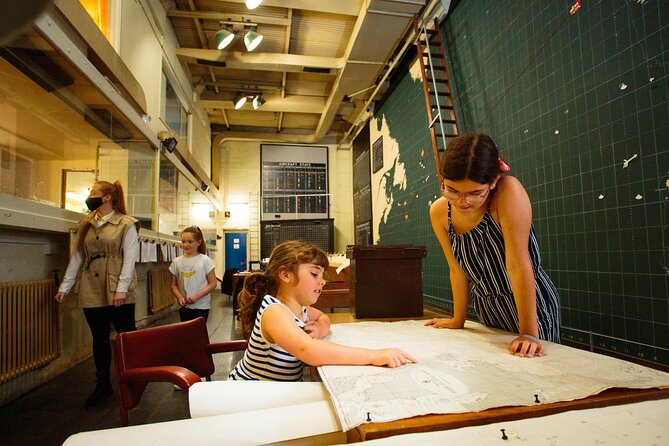
- The Map Room remains arranged as it was in August 1945, making it the clearest link to the bunker’s wartime work.
- A self-guided visit takes about one to two hours, though the displays can easily hold your attention longer.
- Your ticket includes return admission for 12 months, which adds real value for repeat visits.
- The bunker sits beneath central Liverpool, close to the Town Hall and about a five-minute walk from Albert Dock.
- You will descend steps into the bunker, so a moderate level of fitness is needed.
- The museum mixes serious history with practical exhibits, including uniforms, teleprinters, typewriters, games, and a wartime film.
Going below Liverpool’s city centre
The Western Approaches headquarters is hidden beneath Liverpool, close to the Town Hall. From street level, the museum entrance is easy to miss, so allow a little time to find it, especially if you are walking from Albert Dock.
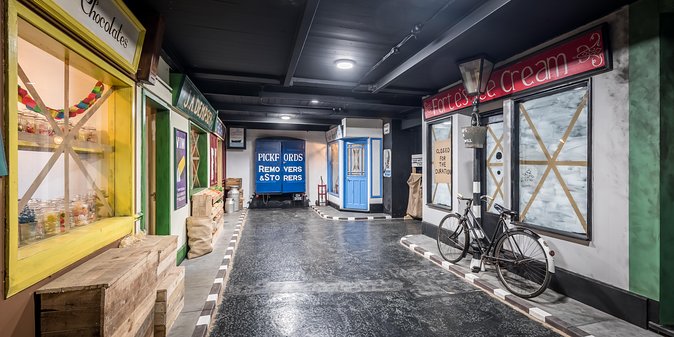
The bunker begins with a descent down steps. This is not a polished modern gallery with broad, open rooms. You enter a network of corridors and underground workspaces, and that slightly rough, functional feel is part of the appeal.
The setting helps explain why this place mattered. Liverpool was a major port, and the sea routes approaching Britain were vital to food, fuel, troops, and equipment. The headquarters gathered information about shipping and enemy movements, then helped coordinate the response.
A short introductory film gives you the basic outline of the Battle of the Atlantic before you enter the main rooms. It is a useful start, particularly if your knowledge of wartime naval operations is limited.
More Self-Guided Tours in Liverpool:
- Liverpool Ghost Hunt: Paranormal Detective Self-Guided Game
★ 4.5 · 26 reviews - London: Emirates Stadium Entry Ticket and Audio Guide
★ 4.7 · 5,513 reviews - Westminster Abbey Entrance Ticket Including Audio Guide
★ 4.0 · 661 reviews
The Map Room, the heart of the visit
The Map Room is the strongest part of the museum. It was the nerve centre of the bunker, where staff followed convoy routes and marked enemy positions on a large map spread across the table.
Accuracy here was not academic. A misplaced marker could affect the Royal Navy’s ability to locate and attack an enemy vessel, or protect a convoy carrying supplies across the Atlantic.
The room has been kept as it was when the bunker closed on 15 August 1945. You can see the work surfaces, maps, ladders, and equipment in a way that makes the room feel like a functioning office rather than a recreated set.
I find this kind of preserved space more useful than a room filled only with objects in glass cases. The arrangement shows how people worked together, how information moved, and how much depended on careful, repeated observation.
Look closely at the ladders used to reach the large wall maps. The scale of the displays gives you a sense of the area being monitored. You are not simply looking at one battle site. You are seeing an entire network of sea routes, convoys, and threats.
Wartime tools you can see and use
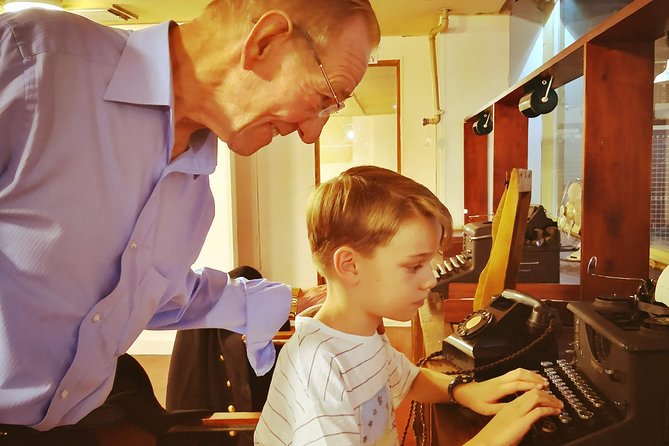
The self-guided format gives you time to examine small details without being pushed along by a group. You can sit at desks, look at typewriters, inspect teleprinter machines, and study the telephone exchange.
Some of the equipment is presented in a way that encourages you to interact with it. Trying a typewriter or examining a teleprinter makes the work feel less abstract. These were the tools used to record, send, and share information before digital systems changed office work.
One of the most memorable objects is one of only two surviving wartime telephones with a direct connection to the war cabinet in London. It is a small item, but its importance is easy to grasp. A call through that line could carry information to the highest levels of the British government.
You can also see documents and working materials connected with monitoring enemy convoys. The museum explains how information was gathered and kept secret, which helps you understand that the bunker’s work involved both observation and strict control of information.
Uniforms provide another simple but effective touch. You may try them on, giving younger visitors a more physical way to connect with the people who worked underground. This is especially useful for families, since long written panels can lose a child’s attention.
The people behind the operations
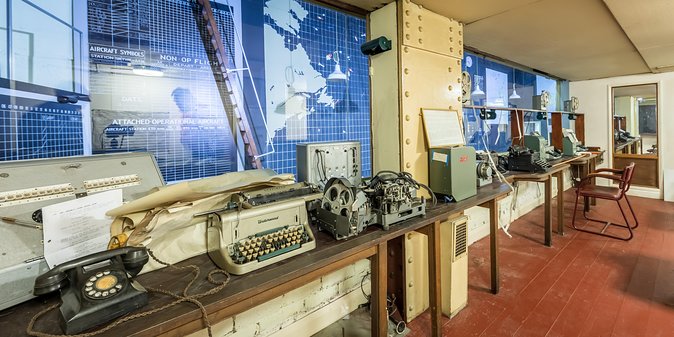
The museum does not focus only on senior commanders. It also shows the daily work of WRNS and WAAF personnel, who served in the bunker alongside other staff.
That matters because the Map Room depended on constant, precise work. Someone had to update information, operate communications equipment, record messages, check positions, and pass instructions along. The displays help bring attention to the many people whose work rarely appears in simplified accounts of wartime command.
A separate display connected with the Wrens is an unexpected highlight. It adds a more personal side to the museum and helps balance the maps, telephones, and military paperwork with the lives of the people who operated the system.
You will not find a long guided narrative explaining every person or event. Instead, you need to read, look carefully, and connect the information yourself. That makes the visit rewarding for history fans, but it may feel less immediate if you prefer a guide or an audio tour.
A few more half-days in Liverpool worth comparing
- Liverpool: Liverpool Football Club Museum and Stadium Tour
★ 4.8 · 10,764 reviews - Beatles Magical Mystery Tour
★ 5.0 · 9,266 reviews - Liverpool: “Blue Route” – City & Beatles Tour
★ 5.0 · 8,562 reviews - Liverpool: City & Beatles Tour with Live Guide & Live Music
★ 4.8 · 5,249 reviews
A small museum with a serious story
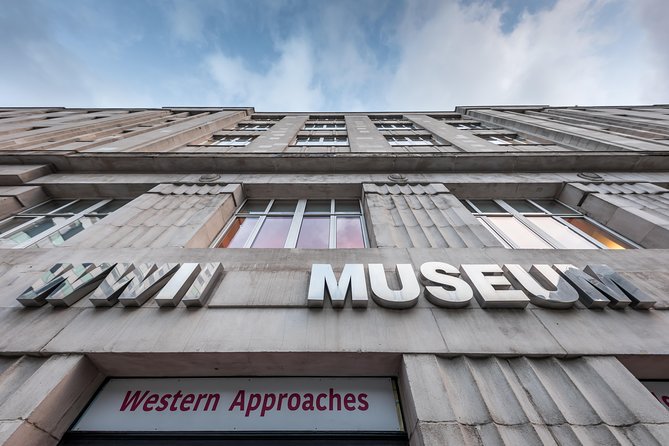
The museum occupies a relatively compact underground space. You will pass through roughly a dozen rooms, each covering a different part of the wartime operation.
The size is both a strength and a limitation. You can see the main areas without spending an entire day underground, and the one to two hour estimate is realistic. At the same time, some displays feel more like a work in progress than a fully developed national museum.
Many sections depend on written explanations. A few films break up the reading, but there is not a constant stream of interactive media or audio commentary. Maps, blackboards, and craft locations are interesting, though some would be easier to understand with more spoken explanation or animated presentation.
I recommend reading the introductory material before moving quickly into the rooms. The bunker makes more sense once you understand that its job was to gather fragments of information and turn them into decisions. Without that context, a map covered with markings can look impressive but confusing.
The museum is still being refurbished and developed. That can mean some areas feel less finished than others, but it also gives the place a working, changing character. Staff are described as enthusiastic and helpful, so ask questions if someone is available during your visit.
Plan on staying longer than expected
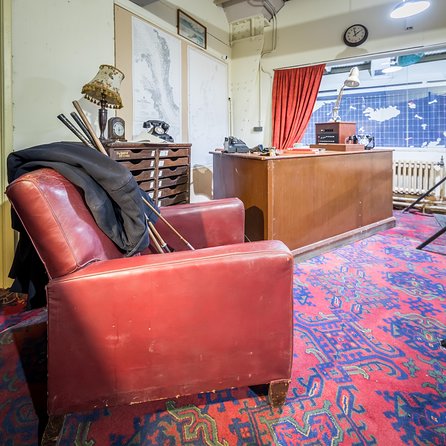
The advertised duration is one to two hours. I would allow at least 90 minutes if you want time for the film, the Map Room, the equipment, and the written displays.
History enthusiasts may want longer. There are enough documents, rooms, and small details to reward a slow visit, and the preserved bunker is not something to rush through. If you are visiting with children, the uniforms, typewriters, teleprinters, and games may keep the pace lively.
At the end, you will find a room with hot drinks available at wartime prices. Traditional games and a film about life in Liverpool during the war provide a gentler finish after the more serious operational displays.
This final room is useful if you need a break or are visiting with family members who want something less technical. It also places the military story back into everyday life, showing that the war was not only about command rooms and naval movements.
Is the annual pass worth the price?
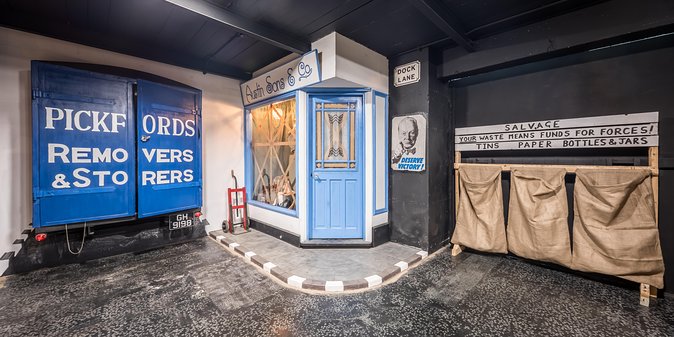
At $24.26 per person, the ticket is not the cheapest short museum visit in Liverpool. The value improves considerably because admission includes free returns for 12 months.
If you are in Liverpool for one day and only have an hour to spare, the price may feel a little high for a small museum with many text-based displays. If you enjoy wartime history, plan to return to the city, or are visiting with someone who likes military museums, the annual pass changes the calculation.
You can return without paying another admission fee during the 12-month period. That makes it possible to visit once for an overview and come back later to study the Map Room, documents, or staff displays more carefully.
The museum is also close to central sights. Its location near the Town Hall and within a short walk of Albert Dock makes it easy to pair with other Liverpool stops. You do not need to build a whole day around it.
Who will enjoy this museum most?
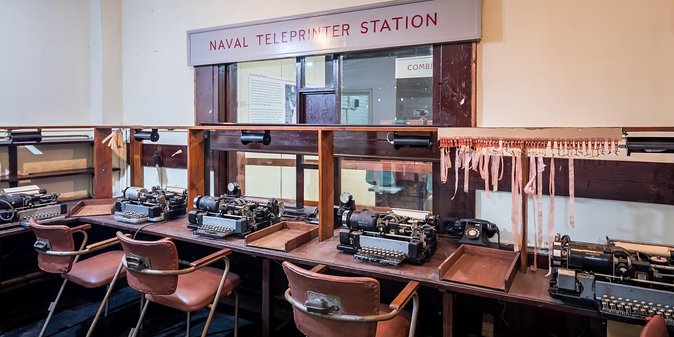
I would recommend the Western Approaches Museum to anyone interested in the Second World War, naval history, intelligence work, or Liverpool’s role as a major wartime port.
It suits people who like authentic rooms and working objects more than slick digital presentation. The preserved Map Room, original bunker layout, wartime telephone, and communications equipment give you plenty to examine.
Families can enjoy it too, especially if children are old enough to read some displays and appreciate the interactive touches. The uniforms, typewriters, games, and teleprinters help, but the museum still asks for patience in the text-heavy rooms.
You may want to choose another attraction if you dislike underground spaces, have difficulty with steps, or want a fully guided experience. The museum requires moderate physical fitness, and the entrance involves steps down into the bunker. Service animals are allowed, and the site is near public transportation.
Practical timing and cancellation advice
The museum is open daily from 10 a.m. to 6 p.m. for the stated operating period, from 4 March 2024 through 3 March 2027. Since the visit is self-guided, you can choose how quickly to move through the rooms during opening hours.
The experience is offered in English and uses a mobile ticket. It is commonly booked around three weeks ahead, so advance planning is sensible during a busy Liverpool visit, even though the museum does not involve a scheduled guided group.
Free cancellation is available if you cancel at least 24 hours before the experience start time. Changes or cancellations made within 24 hours are not accepted for a refund, and the cut-off uses Liverpool local time.
Should you book the Western Approaches Museum?
Book it if you want to see where wartime decisions were tracked and communicated, rather than only reading about them in a general museum. The Map Room, preserved bunker, direct war cabinet telephone, and evidence of women’s daily work make the visit worthwhile.
Go with realistic expectations. This is a compact, self-guided museum, not a large theatrical production. Some exhibits are static, and you will need to read your way through much of the story.
For $24.26, the annual return privilege helps the value. I would especially recommend it if you are staying in Liverpool long enough to return, or if you prefer authentic working spaces to polished attractions. Allow 90 minutes, wear comfortable shoes, and look carefully at the details before deciding you have seen everything.
FAQ
Where is the Western Approaches Museum?
It is beneath Liverpool’s city centre, close to the Town Hall and about a five-minute walk from Albert Dock.
How long does the self-guided visit take?
The visit takes approximately one to two hours, depending on how closely you read the displays and explore the equipment.
Is admission included with the ticket?
Yes. The ticket includes entry to the Western Approaches Museum.
Can I return to the museum after my first visit?
Yes. The ticket includes an annual pass with free return admission for 12 months.
What are the museum’s opening hours?
The museum is open Monday through Sunday from 10 a.m. to 6 p.m. during the stated operating period of 4 March 2024 through 3 March 2027.
Is the tour guided?
No. This is a self-guided museum visit, so you explore the rooms at your own pace.
What language is the experience offered in?
The experience is offered in English.
Are there steps into the bunker?
Yes. There are steps down into the bunker, and visitors should have a moderate level of physical fitness.
Can I cancel for a refund?
Yes. You can cancel at least 24 hours before the experience start time for a full refund. Cancellations or changes made less than 24 hours before the start time are not accepted for a refund.
Just added in Liverpool
- Private Beatles Taxi Tour of London★ 5.0 · 53 reviews
- London Beatles Walks and Tours★ 4.5 · 65 reviews
- London Beatles Tour★ 5.0 · 50 reviews
- Beatles Magical Mystery Tour★ 5.0 · 69 reviews
- Liverpool and The Beatles Day Tour from London★ 4.5 · 303 reviews
- Beatles Evening Tour of Central London★ 4.5 · 119 reviews
- Beatles Ticket To Ride Half Day Tour Small Groups★ 5.0 · 60 reviews
- Fun, Flexible Treasure Hunt Around Liverpool with Cryptic Clues & Hidden Gems★ 5.0 · 141 reviews
Self-Guided Tours, compared.

Emirates Stadium Entry Ticket and Audio Guide
Read our review →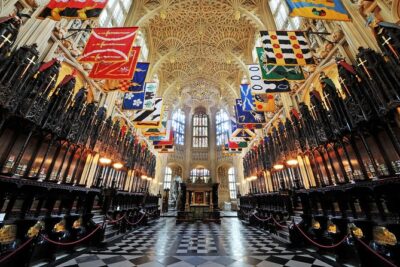
Westminster Abbey Entrance Ticket Including Audio Guide
Read our review →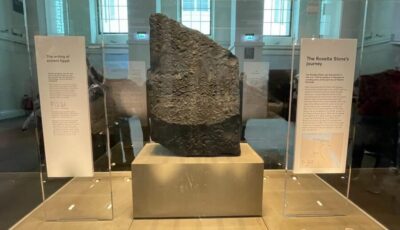
British Museum Audio Tour & Priority Entrance Ticket
Read our review →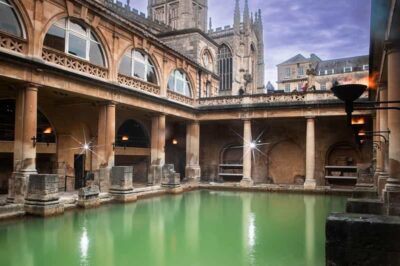

Canterbury Cathedral: Entry Ticket with Audio Guide
Read our review →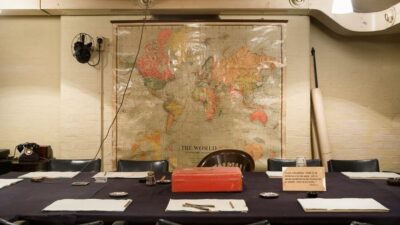
Churchill War Rooms Ticket & Political London Audio
Read our review →
Windsor Castle Tour from London with Transportation & Audio Guide
Read our review →
London Panoramic Open Top Bus Tour with Audio Guide
Read our review →Browse the lists this tour appears in