
Reviewed · GHOST TOURS
London’s Ghosts & Gruesome Past Nighttime Walking Tour
London’s darkest stories come alive on this two-hour walk from Farringdon to the Old Bailey. You’ll hear about a ghostly girl at the station, public executions at Smithfield, plague pits, body snatchers, and a killer who makes Jack the Ripper seem almost ordinary. The grim material is balanced by real streets, old churches, and quiet churchyards after dark.
I like the compact route, which packs nine stops into an evening without asking you to spend hours on a bus. I also like the guides’ story-first approach. Matt is known for a patient manner and pleasant walking pace, while Carolina brings strong energy to the tales. The main drawback is simple: this is a walking tour in London at night, so drizzle, traffic noise, and uneven attention at busy streets can affect the experience.
Key points to know before you go
- Start at Farringdon Station at 6:00 pm: Meet outside Cafe Pronto on Cowcross Street, near the station.
- Finish by the Old Bailey: The route ends within walking distance of St. Paul’s Underground Station.
- Nine stops in about two hours: Expect short talks at each location rather than long visits inside buildings.
- The subjects are genuinely grim: Executions, plague, surgery, grave robbing, and murder are central themes.
- Small group size: The tour accepts a maximum of 20 people, which helps you hear the guide.
- $49 buys local context and storytelling: The value depends on how much you enjoy history told through dark tales rather than formal museum displays.
Why this London night walk works
London has no shortage of ghost tours, but this one is not built only around rattling chains and spooky sound effects. Its best material comes from real events tied to the streets beneath your feet. You move from a haunted Underground station to execution grounds, old churches, a hospital, and the courthouse associated with some of England’s worst criminals.
That mix gives the tour more substance than a simple collection of ghost stories. You get folklore, medical history, religious history, crime, and public punishment in one route. The supernatural claims are presented as stories for you to weigh, while the darker facts are often disturbing enough without any embellishment.
The nighttime setting matters. Farringdon and the City of London look very different after work hours than they do in daylight. Churchyards become quieter, old passages feel more enclosed, and the stories of public punishment gain a sharper edge. At the same time, you are not wandering through an isolated area. You stay with a guide and a group on city streets, which makes the evening feel manageable.
The group limit of 20 is another plus. It is not a private tour, but it is small enough for the guide to keep people together and answer questions. The route does pass noisy streets, especially near Farringdon, so you may need to stand close and focus when the guide begins speaking.
More Ghost Tours in London
- London: Entry Ticket to London Dungeon
★ 4.5 · 4,305 reviews - Ghost, Ghouls and Gallows Tour : Guided Tour with Boat Ride
★ 4.5 · 3,212 reviews - The London Dungeon Admission Ticket
★ 4.0 · 2,133 reviews
Farringdon Station and the ghost of the girl
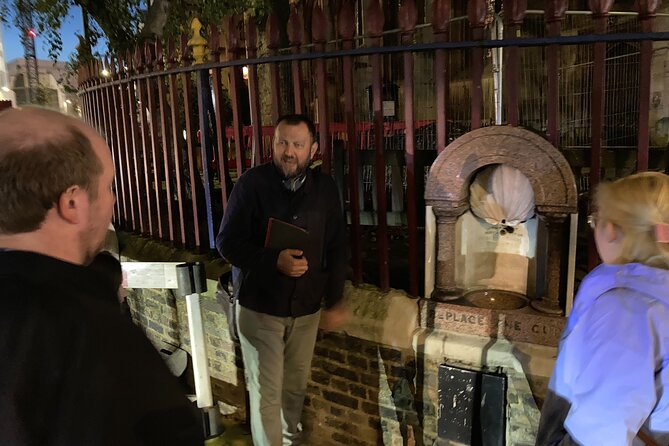
The meeting point is outside Cafe Pronto at Farringdon Station, 43 Cowcross Street. Arrive with enough time to find the cafe and identify the guide before the 6:00 pm start. Farringdon is a busy transport area, and clear communication at the beginning matters. Matt has been praised for giving useful meeting-point instructions, a small detail that can prevent a frustrating start.
The opening story concerns a girl said to haunt the station. Her tale is tied to the 18th century and involves mistreatment during her life and a grim fate afterward. The guide invites you to decide how much of the story you believe, and even points toward the idea of spotting or hearing signs of her presence.
This first stop lasts about 10 minutes. The drawback is that Farringdon is noisy and colorful, not a silent haunted ruin. You may not catch every word if the station or nearby traffic is loud. Still, the setting makes a good introduction because the supernatural story is placed right in the middle of ordinary modern London.
Smithfield Market and centuries of executions
The walk continues to Smithfield Market, where the subject changes from ghosts to public death. The market is now associated with meat, but the guide asks you to picture the area in an earlier period, when public executions took place here.
This is one of the tour’s more important stops because it shows how punishment once worked as public entertainment and political theatre. Heroes, religious martyrs, criminals, and innocent people could all be caught up in a system designed to frighten the crowd as much as punish the condemned.
The presentation is graphic. You will hear about the methods used to prolong death, and the guide does not soften the cruelty of the period. If you prefer light ghost stories with a few jokes, this section may be too harsh. If you want an honest look at how London treated crime and authority, it gives the evening weight.
Allow about 15 minutes here. You are outside, so the talk depends on the group staying close enough to hear. The best approach is to stand near the guide and treat this as a history talk in the open air, not a staged performance.
Charterhouse Square and London’s plague pits
Charterhouse Square provides a change of pace. Today, it is a peaceful green space surrounded by the city, but the ground carries memories of disease and mass death. The guide explains how plague changed London, how doctors responded, and what happened to those who survived.
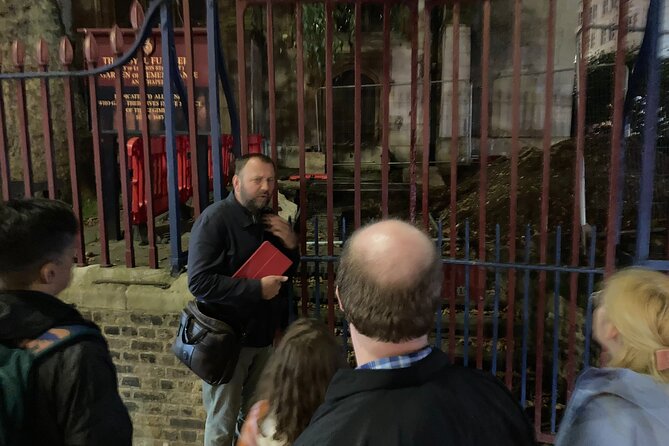
The talk includes the plague pits beneath the city. You may be standing above layers of burial ground without any visible marker, which gives this stop its uneasy power. It is not a haunted-house scare. The unsettling part is knowing that ordinary public spaces can sit above evidence of past epidemics.
The tour also uses dark humor here, including a warning about benches made of snakes. That sort of line can keep the mood from becoming unbearably bleak, although the core subject remains serious. You get about 15 minutes at the square.
This is a useful stop for anyone who wants more than ghost folklore. It connects London’s frightening past to public health, medicine, burial customs, and the limits of medical knowledge. You will not receive a full lecture on plague, but you will leave with a clearer sense of how disease shaped the city.
More Walking Tours in London
- London: The Original Jack the Ripper Walking Tour
★ 4.7 · 7,833 reviews - Tour for Muggles The Ultimate Harry Potter Walking Tour in London
★ 5.0 · 4,684 reviews - London Jack The Ripper Guided Walking Tour
★ 5.0 · 3,131 reviews - London: Harry Potter Movies Walking Tour (Kids Go Free)
★ 4.7 · 3,071 reviews
Cloth Fair, a drink, and the walk toward old churches

At Cloth Fair, the guide points out where you can get a drink before attending a public execution. The stop lasts about 10 minutes and acts as a bridge between the stories of death and the historic religious buildings ahead.
This part is less about a major monument and more about the social world around public punishment. The detail of stopping for a drink before an execution suggests how normalized these events had become. People could treat a killing as a day out, with food and drink folded into the experience.
You should not expect a pub visit to be included in the $49 price. The point is storytelling and location, not a food or drink break. If you want refreshments, handle that before the tour or ask the guide about the nearby option without delaying the group.
St. Bartholomew the Great and a haunted graveyard
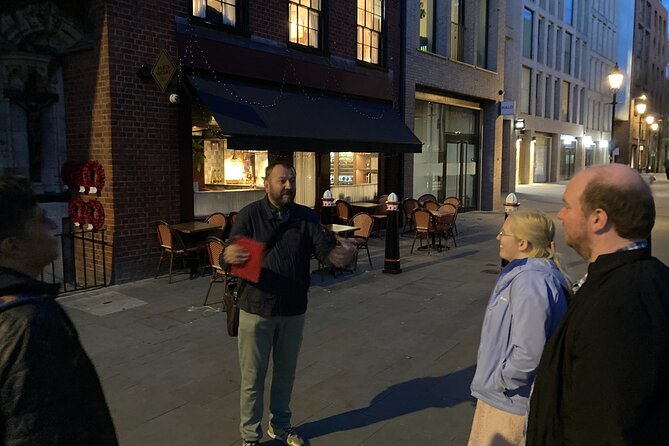
The route then passes through narrow passages and old streets to St. Bartholomew the Great, one of London’s oldest churches. The church has served the living and the dead for roughly nine centuries, and the nearby graveyard provides a fitting setting for stories about burial and disturbed remains.
The founder’s story is especially gruesome. The guide explains how his rest was disturbed, what is now missing from him, and how the dead figure supposedly sought revenge. The story works because it is told beside old tombstones rather than in a modern room removed from the subject.
You get about 15 minutes here. The church and graveyard are historic locations, but the tour information provided does not include admission inside the church. Plan on hearing the story from the surrounding streets and churchyard rather than assuming an interior visit.
I like this stop because it blends atmosphere with a specific tale. You are not simply told that a place is haunted. You are given a local story, a burial setting, and enough context to make your own judgment.
William Wallace, fact, and film fiction
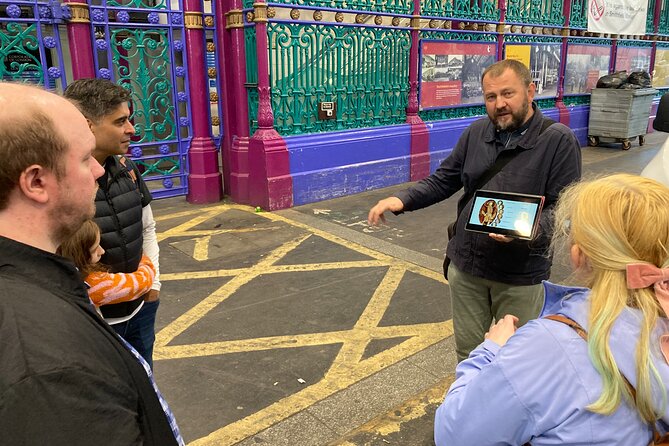
At the William Wallace Memorial, the tour shifts from London’s local dead to the wider conflict between England and Scotland. The guide recounts Wallace’s capture and execution, including the grim details of his triple execution, then discusses the later consequences for the United Kingdom.
This stop also separates historical fact from the popular film version of Wallace’s life. If your main knowledge comes from cinema, you will hear where the story was altered or simplified. That makes the stop useful even if you are not especially interested in ghost tales.
The talk lasts about 10 minutes. It is a shorter pause, but it adds political history to an evening otherwise focused on crime, disease, and supernatural claims. The memorial also shows how a person can become a symbol long after death, with memory shaped by both national feeling and entertainment.
St. Bartholomew’s Hospital and the frightening past of medicine
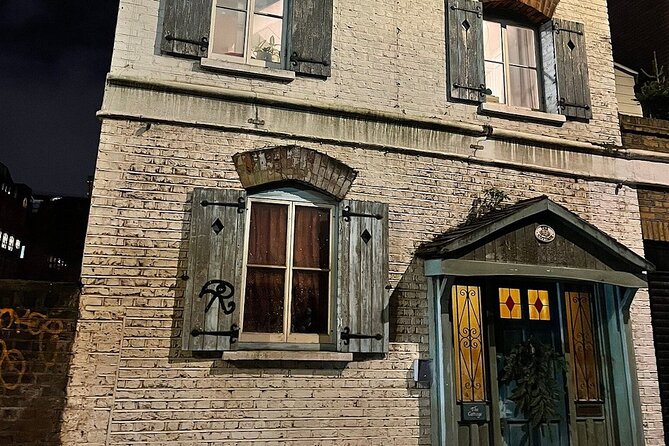
Near St. Bartholomew’s Hospital Museum, the guide discusses the hospital’s long connection with the neighboring church and the methods once used to treat illness. This may be the most uncomfortable section for anyone sensitive to surgery or medical suffering.
Expect stories about strange remedies, questionable substances, unwashed hands, shared beds, and operations watched by an audience. Amputation and surgery were performed under conditions that make modern medical care feel like a miracle. The guide also explains how even watching medical treatment could put a person at risk.
The subject is not just shock value. It shows how doctors worked before modern hygiene, anesthesia, and reliable infection control. You begin to see why hospitals could be places of hope and danger at the same time.
This stop lasts roughly 15 minutes. The museum itself is mentioned as part of the route, but an entrance visit is not included in the tour details. You should treat the location as an outdoor stop unless the guide tells you otherwise.
Holy Sepulchre London and the body-snatching trade
At Holy Sepulchre London, the guide examines a crime that grew from the demands of medical education. Empty burial pits recall the period when bodies were removed from graves and sold to people who wanted them for medical study.
The key question is the difference between taking and stealing. The story explores who bought the bodies, how the trade made money, and how the law treated the practice. Because the route has just passed the hospital and a place to buy a drink, the guide connects the locations and lets you draw the grim conclusion.
This stop lasts about 15 minutes. It is one of the clearest examples of how the tour links separate places into one story. Churches supplied burial grounds, hospitals needed bodies for study, and criminals found a profitable market in between.
The final reference is to a disturbing book cover, which adds a memorable image without requiring you to see anything graphic in person. The stop is best for anyone interested in crime and medical history. It may be too macabre for young children or anyone who dislikes stories about corpses.
Old Bailey and the final killer
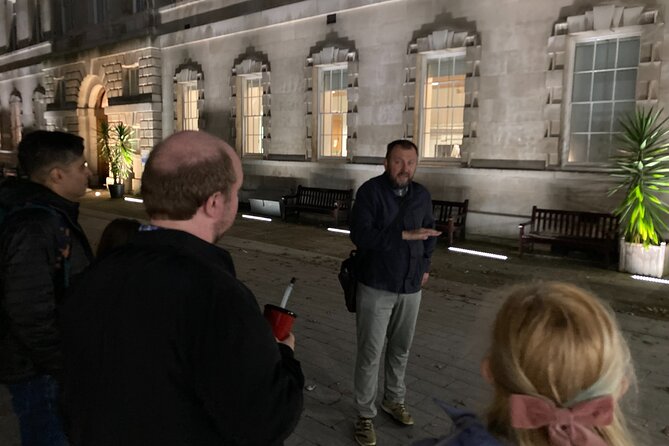
The last stop is outside the Old Bailey, a courthouse on the site of a former prison. The guide saves one of the most unsettling stories for the end, introducing a woman described as England’s worst serial killer rather than turning automatically to the familiar name of Jack the Ripper.
The story concerns an ordinary-looking woman with a deadly method, victims who were innocent, and a motive connected to money. The guide also explains that she was caught twice and still continued, and that she had a daughter. Those details make the story more disturbing because they place calculated violence inside an apparently ordinary family life.
You spend about 15 minutes here. The courthouse gives the ending a strong sense of place, but the tour finishes outside rather than with a courtroom visit. From here, you can walk toward St. Paul’s Underground Station.
The ending is effective because it brings the tour back to crime and punishment. After ghosts, disease, execution, and body snatching, you finish with a case that seems almost too strange to be true. The guide lets the facts carry the shock.
Pace, guides, weather, and group comfort
The walk is listed at about two hours, and the stop times add up to roughly that length. You are moving between locations rather than stopping for long periods, so wear comfortable shoes and expect to remain outdoors throughout most of the experience.
Matt has been described as patient, easy to follow, and willing to handle questions. His walking pace suits a mixed group, and his accent may take a few minutes to tune into if English is not your first language. Carolina has been praised for bringing clear enthusiasm to London’s stories.
Weather affects the mood. A light drizzle can make the setting feel suitably gloomy, but it can also make listening less comfortable. One Halloween outing included a guide in a mask and cape, showing that the experience may take on extra theatrical flavor on special dates. Costumes are not guaranteed, so book the tour for its stories rather than expecting a performance.
The group can include up to 20 people. That is small enough to feel organized but large enough that you may need to stay close to the guide. Service animals are allowed, and the tour is near public transportation. Most people can participate, although the information provided does not specify a fully step-free route or detailed accessibility arrangements.
Is $49 a fair price?
At $49 per person, this is not the cheapest way to spend an evening in London. You are paying for a guide, a planned route, local stories, and two hours of focused entertainment. No meals, museum admissions, or drinks are included.
I think the price is reasonable if you value interpretation. Walking past old buildings on your own costs nothing, but you would miss the connections between the execution grounds, churches, hospital, and courthouse. The guide turns separate locations into one evening of crime, medicine, religion, and folklore.
The value is weaker if you want formal access to historic interiors or a large theatrical production. This is an outdoor storytelling walk. Its appeal rests on the guide’s delivery and your willingness to listen in city streets.
You also receive some flexibility through free cancellation up to 24 hours before the start time. If the minimum number of participants is not reached and the tour is canceled, you are offered another date or experience, or a full refund.
Who should book this nighttime tour?
Book it if you enjoy:
- Dark local history tied to real streets
- Ghost stories mixed with documented events
- Crime, executions, plague, and old medical practices
- Small-group walking tours
- Guides who explain context rather than simply pointing at buildings
- A two-hour evening activity near central London
Think twice if you dislike graphic stories about death, surgery, disease, or grave robbing. You may also prefer a daytime tour if rain, traffic noise, or standing outdoors would spoil the evening.
Families should judge the material carefully. The experience is described as suitable for most people, but the subjects are adult in tone even though the tour does not give a specific age restriction.
Should you book London’s Ghosts & Gruesome Past Nighttime Walking Tour?
Yes, if you want a compact and well-organized way to meet London’s darker side. The strongest reason to book is the range of subjects packed into one route: a haunted station, execution grounds, plague pits, an ancient churchyard, William Wallace, old medicine, grave robbers, and the Old Bailey.
I would choose this over a purely theatrical ghost walk if you want real historical context. I would skip it if you are seeking museum entry, a long stop inside historic buildings, or a gentle evening stroll.
Arrive early at Farringdon, stay close to the guide, wear shoes suited to city walking, and bring a rain layer. With those simple preparations, the $49 fee buys an atmospheric night of stories that gives London’s familiar streets a much darker face.
FAQ
Where does the tour start?
The tour starts outside Cafe Pronto at Farringdon Station, 43 Cowcross Street, London EC1M 6BY.
What time does the tour begin?
The scheduled start time is 6:00 pm.
How long does the tour last?
The walking tour lasts approximately two hours.
Where does the tour finish?
It finishes at 19 Old Bailey, London EC2A 9EA, near the Old Bailey and within walking distance of St. Paul’s Underground Station.
What places does the tour visit?
Stops include Farringdon, Smithfield Market, Charterhouse Square, Cloth Fair, St. Bartholomew the Great, the William Wallace Memorial, St. Bartholomew’s Hospital Museum, Holy Sepulchre London, and the Old Bailey.
What is included in the price?
The price includes an entertaining guided tour with a local guide. Food, drinks, and separate admission tickets are not listed as included.
How many people can join the tour?
The maximum group size is 20 people.
Can I cancel for a refund?
You can cancel at least 24 hours before the scheduled start time for a full refund. Changes or cancellations made less than 24 hours before the start are not accepted for a refund.
Just added in London
- Royal London Guided Sightseeing Tour and Thames River Cruise★ 4.0 · 31 reviews
- Westminster Abbey, Big Ben, Buckingham Guided Tour of London★ 5.0 · 451 reviews
- Roman Ruins to Blitz Bombings: A Walking Tour of London’s Fiery History★ 5.0 · 190 reviews
- Roman London Private Walking Tour★ 5.0 · 44 reviews
- River Thames Evening Cruise with Sparkling wine and Canapés★ 4.0 · 569 reviews
- Rock and Roll Walking Tour of Soho London★ 4.5 · 64 reviews
- London Private Chauffeur Half-Day or Full-Day Vehicle Rental★ 5.0 · 37 reviews
- Rich people behaving badly★ 5.0 · 47 reviews
Ghost Tours, compared.
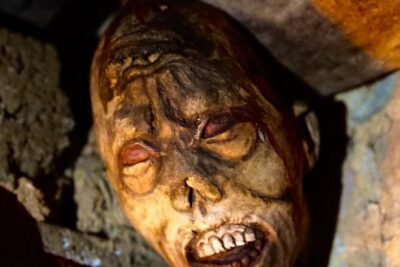
Ghost, Ghouls and Gallows Tour : Guided Tour with Boat Ride
Read our review →
Browse the lists this tour appears in