
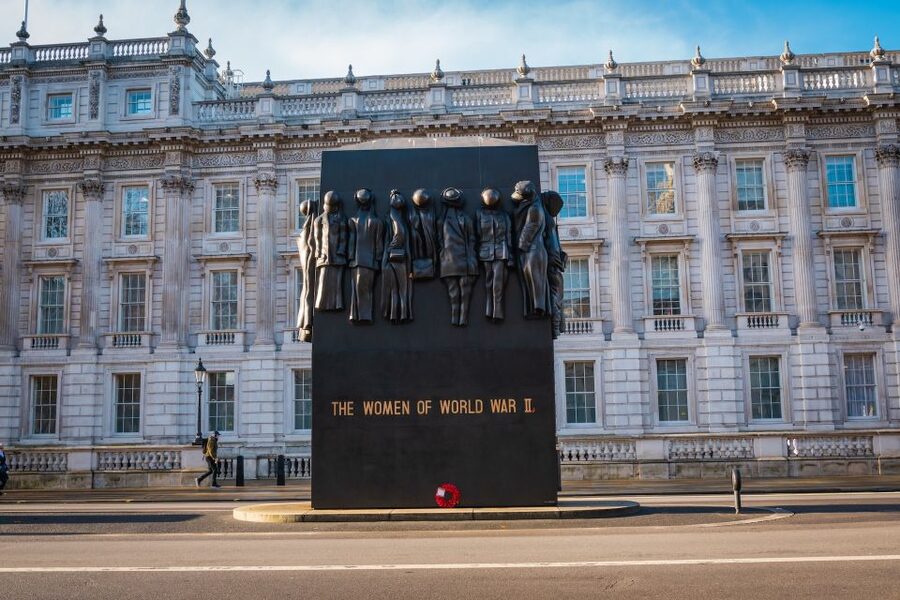
Reviewed · WALKING TOURS
London: Winston Churchill and London in WWII Walking Tour
The most interesting part of this tour is the change in viewpoint. You see Big Ben, Westminster Abbey, Whitehall, and Downing Street as working pieces of a city under attack, not simply as grand photo stops. Guides such as Nathan and Richard focus on Churchill, RAF pilots, government decisions, and the daily strain carried by ordinary Londoners.
I like the personal storytelling, especially the short biographies and wartime anecdotes that put faces to familiar events. I also like the easy route through central Westminster, ending outside Churchill’s War Rooms, so you can continue the subject on your own. The main drawback is time: at 1.5 hours, this is a compact introduction, and some departures feel more like a talking tour than a long walk.
Key points to know
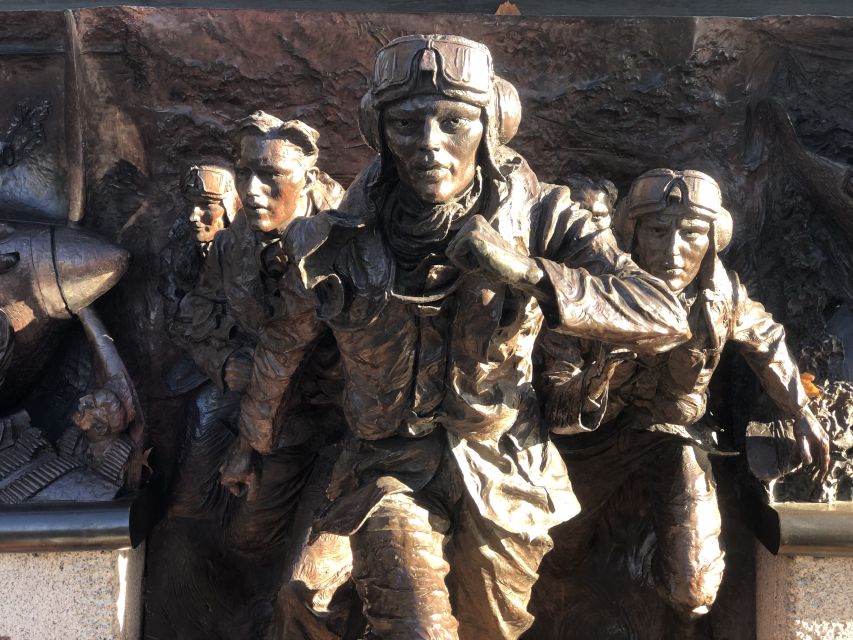
- Starts at the Battle of Britain memorial: Meet beside the Boadicea and Her Daughters statue outside Westminster Station, Exit 2.
- Turns famous sights into wartime places: Big Ben, Westminster Abbey, Whitehall, Downing Street, and the Cenotaph all gain a WWII setting.
- Story-led rather than museum-led: Your guide does the explaining outdoors, with no monument admissions included.
- Strong guide element: Nathan, Richard, Francis, Babs, Rosie, Amber, and others have been praised for humor, warmth, and clear storytelling.
- Finishes at Churchill’s War Rooms: You can buy admission separately and continue into the underground command center.
- Best for walkers with steady mobility: Comfortable shoes are needed, and luggage, large bags, wheelchairs, and mobility impairments are not suitable for this tour.
Westminster through the eyes of wartime London
This experience uses a small patch of central London to explain a huge subject. You are not walking across the whole city or visiting a series of museums. Instead, you move between key government, military, and national landmarks while your guide explains how Westminster functioned during WWII.
That focus works well. A familiar view of Parliament becomes part of the wartime command structure. The Cenotaph becomes more than a monument. Whitehall becomes the place where military and political decisions were made, while Downing Street takes on the pressure of Churchill’s leadership.
The tour also aims beyond famous men and official buildings. Good guides bring in pilots, civil servants, families, and people living through bombing and uncertainty. That balance matters. Churchill is central, but the experience is not simply a celebration of one leader. It also asks you to think about how millions of people coped with the war.
Guides named in the feedback include Nathan, Richard, Francis, Babs, Rosie, Amber, and others. Nathan is especially praised for combining facts with humor and stories about people who are often left out of standard textbooks. Richard is noted for bringing Churchill’s personality to life, while Francis is praised for keeping the pace moving without making the group feel hurried.
More Walking Tours in London
- London: The Original Jack the Ripper Walking Tour
★ 4.7 · 7,833 reviews - Tour for Muggles The Ultimate Harry Potter Walking Tour in London
★ 5.0 · 4,684 reviews - London Jack The Ripper Guided Walking Tour
★ 5.0 · 3,131 reviews
Meeting by Westminster Station and the RAF memorial
The meeting point is outside Westminster Station, Exit 2, marked Victoria Embankment. After taking the stairs to street level, look beside the Boadicea and Her Daughters statue for the guide holding the Urban Saunters orange sign.
This location is practical, but pay attention to the exit number. Westminster Station has several ways out, and heading through the wrong exit can waste time in a crowded part of town. Arrive in shoes you can walk in, and leave large bags behind. The operator does not permit luggage or large bags on the tour.
The first stop is outside the Monument to the RAF, which honors the people who took part in the Battle of Britain. It gives the tour a clear opening: before discussing Churchill’s speeches and cabinet meetings, you begin with the pilots and air crews who defended Britain in the air.
Your guide starts with the wider wartime setting and the reality of life in London. This is a useful place to ask questions, since the group has not yet spread out along the route. If you have a particular interest in the Battle of Britain, Churchill, or civilian life, mention it early.
Big Ben and the Houses of Parliament during WWII
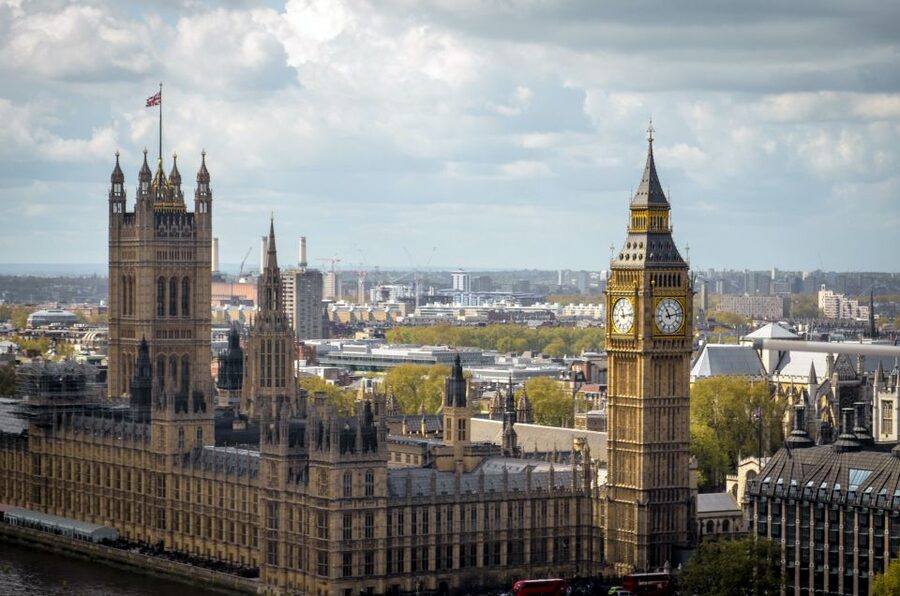
From the memorial, the route takes you through the Westminster area toward Big Ben and the Houses of Parliament. These are among London’s most photographed sights, but the wartime framing changes what you notice.
The point is not simply to admire the clock tower or Parliament’s Gothic exterior. You learn how the area represented national authority during a period when Britain faced bombing, military danger, and enormous political pressure. The buildings were symbols, workplaces, and targets at the same time.
This section is especially good for first-time visitors who want a standard Westminster walk with more substance. You still see the headline sights, but the guide gives you a reason to pause and consider them. The tour does not include entry into the Houses of Parliament, so the value comes from the outdoor explanation and the connections between the buildings.
Expect to stop and listen more than to cover great distances. One useful comment from the tour experience is that there is not much walking compared with the amount of information. That will suit you if you like a guided talk with a route attached. If you want a brisk sightseeing walk, the pace may feel slow.
Westminster Abbey and the human cost of war
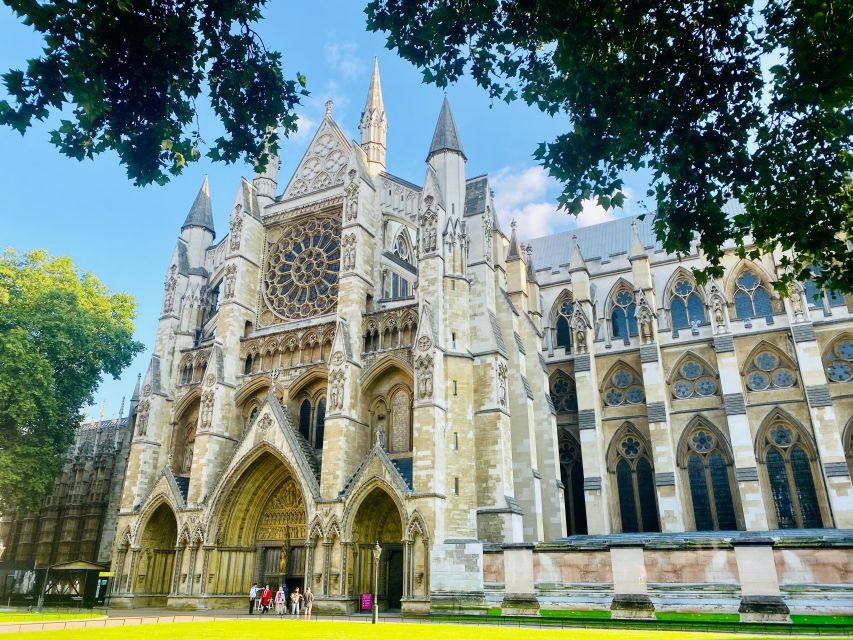
Westminster Abbey brings another layer to the story. It is a national church, a royal setting, and one of Britain’s most important historic buildings. Here, the guide places wartime events against a site associated with ceremony, memory, and national identity.
You will not enter the abbey as part of the tour, and the activity does not include admission to any named monument. Still, the outside setting gives the guide a strong place to discuss how Britain presented itself during the war and how public morale was maintained.
The best part of this stop is the chance to move from government strategy to ordinary experience. Stories about air raids, fear, duty, and endurance make the period easier to picture. Several guides are praised for using biographies and small anecdotes instead of delivering only dates and names. That approach can work for families and teenagers, not just military-history enthusiasts.
One parent specifically found the tour engaging for a 10-year-old interested in military history. Another found that a 15-year-old stayed entertained. I would still describe the tour as better suited to children who can listen to a sustained outdoor talk. It is not an activity built around games or hands-on exhibits.
More wartime London tours and war rooms tickets:
- Westminster 3 Hour Walking Tour and Visit of Churchill War Rooms
★ 5.0 · 967 reviews - WW2 London Walking Tour & Churchill War Rooms Entrance Ticket
★ 4.5 · 933 reviews - London: Westminster WW2 Tour & Churchill’s War Rooms Ticket
★ 4.5 · 925 reviews - London in WW2 Walking Tour with Churchill War Rooms Visit
★ 5.0 · 721 reviews
The Cenotaph, Whitehall, and the Ministry of War
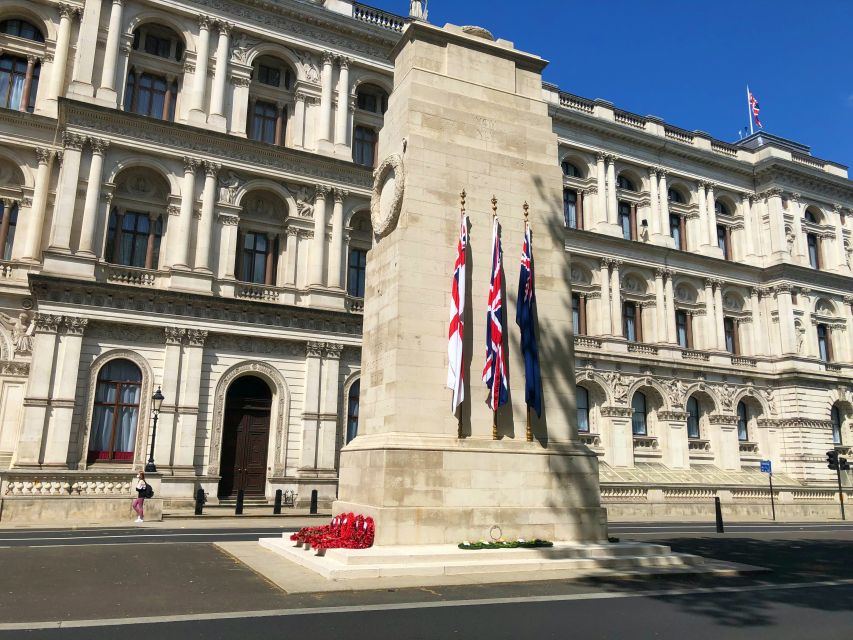
The route continues through Whitehall, the heart of Britain’s government administration. You see the Cenotaph and the area associated with the Ministry of War, while your guide explains the machinery behind wartime decisions.
The Cenotaph gives the discussion a solemn point. It links WWII with Britain’s longer tradition of public remembrance, while the nearby government buildings help explain where planning and administration took place. This is the section where the tour feels least like a basic sightseeing circuit and most like a short history lesson conducted outdoors.
A strong guide will connect official decisions to the people affected by them. That might mean moving from military planning to the lives of families, workers, and service members. Nathan has been praised for discussing the citizens who do not always appear in books. That is exactly the kind of detail that can make the walk worthwhile for someone who already knows the broad wartime timeline.
Whitehall is also a busy public area. You may need to stand near traffic and other tour groups, and your guide’s voice matters. The experience depends heavily on the individual guide and on being able to hear clearly. Guides such as Babs and Rosie have been praised for energy and humor, while Francis is noted for a comfortable pace.
Downing Street and Churchill’s wartime leadership
At 10 Downing Street, the focus turns more directly to Winston Churchill and the decisions made from the center of government. You learn about his role, his public image, and the pressure surrounding leadership during WWII.
This is not a private visit inside Downing Street. The value comes from the location and the explanation. Your guide uses the street as a prompt to discuss Churchill’s character, speeches, political role, and relationship with the wider war effort.
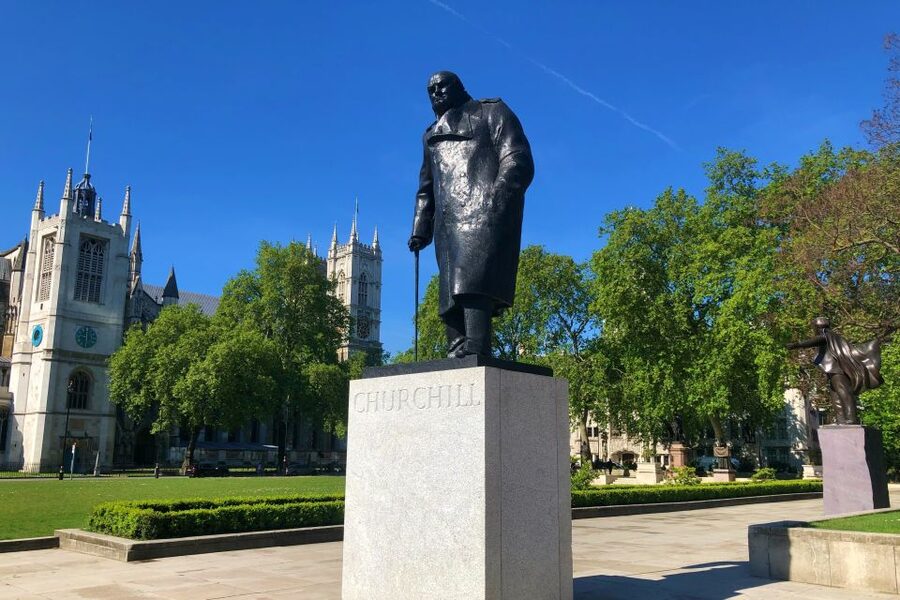
Richard is particularly praised for bringing Churchill to life through descriptive detail and anecdotes. That is useful because Churchill can easily become a statue-like figure in a standard tour. The better version of this stop presents him as a complicated person with a forceful personality, not just a heroic name.
I like that the tour does not treat leadership as the whole story. The strongest accounts also bring in RAF pilots, officials, and ordinary people. You get a sense of how national decisions were made, then how those decisions reached homes and streets far from Whitehall.
Finishing outside Churchill’s War Rooms
The walk ends outside Churchill’s War Rooms, which makes the finish practical as well as thematic. These underground rooms were used by Churchill and his cabinet to conduct wartime business. They are preserved as a historical site, and admission is not included in the walking tour.
If you have the time and budget, this is the natural next step. The outdoor tour gives you the political and geographic setting. The War Rooms give you the bunker environment and a much larger collection of material to examine at your own pace.
Plan this separately. The walking tour only leaves you outside the entrance, and you must purchase a separate ticket. The timing matters too. A 1.5-hour walk may fit easily before another London activity, but adding the War Rooms turns the subject into a much longer visit.
One useful point is that the walking tour does not try to replace the museum. It gives you context first. That can help you understand why the underground rooms mattered and how they fit into the Westminster area.
What the $39 price gets you
At $39 per person, the tour is not the cheapest way to see Westminster, but the price can make sense if you want a focused WWII explanation rather than a general orientation walk.
You are paying for a live English-speaking guide, a planned route, and a subject that requires connections between several places. The tour is strongest when the guide adds biographies, humor, and details you would not get from looking at the buildings alone.
The value is less convincing if you want interior visits. No monument admission is included, and Churchill’s War Rooms cost extra. You should also note that the tour may run from 1.5 to 3 hours according to the selected departure, while the included guided walking portion is described as 1.5 hours. Check the exact starting time and duration when booking.
A shared group tour should give you the standard route and commentary at the listed price. A private option offers more control over pace and questions, but the price structure may differ. If your group has a strong interest in WWII, Churchill, or family history, private guiding can be useful because you can shape the conversation.
Who will enjoy this Westminster walk
I would recommend this experience to you if you:
- Want wartime context for Westminster’s major landmarks
- Enjoy history presented through stories and personalities
- Prefer a short outdoor tour before visiting a museum
- Are traveling with a teenager who can follow a serious but lively talk
- Want to ask questions of a local English-speaking guide
- Plan to visit Churchill’s War Rooms afterward
It is less suitable if you need step-free access or use a wheelchair. The activity is not suitable for people with mobility impairments or wheelchair users. You should also avoid bringing large bags and wear comfortable shoes.
The tour can work for people who are not history specialists. Several guides are praised for making the subject accessible through humor and clear explanations. You do not need to arrive with a detailed knowledge of WWII, though anyone already familiar with Churchill may appreciate the lesser-known anecdotes most.
Timing, weather, and the guide factor
This is an outdoor walking tour, so London weather matters. Bring clothing suited to the forecast, and wear comfortable shoes even though the route is not described as strenuous. You will spend time standing while the guide talks.
Some departures can be early, with one start noted at 9 a.m. That may be convenient if you want to reach the War Rooms early, but it can feel too early after a long flight or a busy evening. Check the available start times before booking.
The guide is a major part of the experience. Names that appear repeatedly in the tour feedback include Nathan and Richard, along with Francis, Babs, Rosie, and Amber. You cannot necessarily choose a particular guide, but you can expect the operator to use guides who bring strong subject knowledge, humor, and a personal style.
The overall score is 4.8 from 143 reviews, with many top ratings. I would read that as a sign that the format works best when the guide is engaging. The route itself is compact. The storytelling is what gives it weight.
Should you book the Churchill and London in WWII tour?
Book it if you want a focused, story-led introduction to wartime Westminster and plan to visit the Churchill War Rooms separately. At $39, the tour offers fair value when you care about the explanation behind the buildings, especially the stories of pilots, officials, Churchill, and civilians.
Skip it if you want extensive walking, interior access, or a self-guided photo stop at the main sights. The tour is short, and some of your time is spent listening in place.
For most visitors interested in WWII, Churchill, or London’s political center, I would choose the shared walk and save extra time for the War Rooms. Arrive at the correct Westminster Station exit, bring comfortable shoes, leave the luggage behind, and give yourself enough time afterward for the underground museum.
FAQ
How long does the walking tour last?
The guided walking tour is listed as 1.5 hours. Available activity durations can range from 1.5 to 3 hours, so check the chosen departure when booking.
Where does the tour meet?
Meet beside the Boadicea and Her Daughters statue outside Westminster Station, Exit 2. Follow signs for Exit 2, Victoria Embankment, and look for the guide with the Urban Saunters orange tour sign.
Where does the tour finish?
The tour finishes outside Churchill’s War Rooms. Your guide leaves you there, and you may explore the War Rooms separately if you wish.
Is admission to Churchill’s War Rooms included?
No. Entrance to Churchill’s War Rooms is not included, so you need to arrange and pay for that separately.
Are monument entrance tickets included?
No. Entrance tickets to the named monuments are not included in the walking tour.
Is the tour available as a private experience?
Yes. You can choose between a shared group walking tour and a private walking tour.
What language is the tour conducted in?
The live tour guide speaks English, and the listed tour language is English.
What should I bring?
Bring comfortable shoes. The tour is outdoors and includes walking and standing.
Can wheelchair users join the tour?
No. The activity is not suitable for wheelchair users or people with mobility impairments. Large bags and luggage are also not allowed.
Just added in London
- Royal London Guided Sightseeing Tour and Thames River Cruise★ 4.0 · 31 reviews
- Roman Ruins to Blitz Bombings: A Walking Tour of London’s Fiery History★ 5.0 · 190 reviews
- Roman London Private Walking Tour★ 5.0 · 44 reviews
- Westminster Abbey, Big Ben, Buckingham Guided Tour of London★ 5.0 · 451 reviews
- Rock and Roll Walking Tour of Soho London★ 4.5 · 64 reviews
- River Thames Evening Cruise with Sparkling wine and Canapés★ 4.0 · 569 reviews
- London Private Chauffeur Half-Day or Full-Day Vehicle Rental★ 5.0 · 37 reviews
- Rich people behaving badly★ 5.0 · 47 reviews
Walking Tours, compared.
Underground Vaults Walking Tour in Edinburgh Old Town
Read our review →
Oxford University Walking Tour With University Alumni Guide
Read our review →
Edinburgh Castle: Guided Walking Tour with Entry Ticket
Read our review →
Edinburgh Castle Guided Walking Tour in English
Read our review →
Tour for Muggles The Ultimate Harry Potter Walking Tour in London
Read our review →
University and City Walking Tour with Alumni Guide
Read our review →
Edinburgh Darkside Walking Tour: Mysteries, Murder and Legends
Read our review →
Browse the lists this tour appears in