Reviewed · PRIVATE
London: Private Underground and Tube Tour
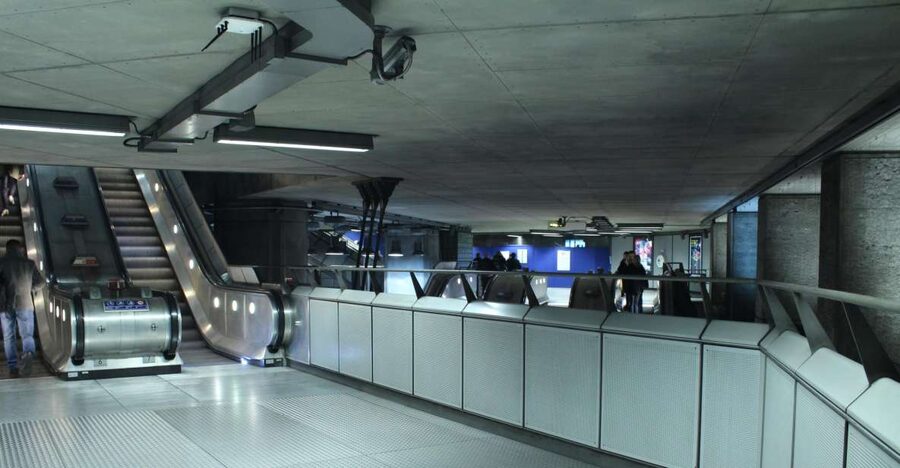
London’s Underground is more than a way to get across town. It is a working museum beneath your feet, and this 165-minute private tour turns ordinary platforms, tunnels, and signs into clues from 150 years of city history. You begin beneath the clock on Platform 1 at Paddington and travel through some of the network’s oldest, deepest, best-known, and oddest stations.
I like the focus on details you can easily miss, especially the reason it once mattered which direction you took around the Circle line and the story of London’s ghost stations. I also like the private format, which gives you room to ask questions. The main drawback is practical: you need a Zone 1 travel card or an Oyster card with at least £7 of credit, and the walking and stairs make this a poor choice for wheelchair users or parents with prams.
Key points before you book
- Start at Paddington: Meet beneath the clock on Platform 1, a clear location inside the station.
- Ride London’s oldest railway stretch: The tour connects Tube travel with the city’s earliest underground railway.
- Expect a changing route: Improvement work can alter the stations and line used on your date.
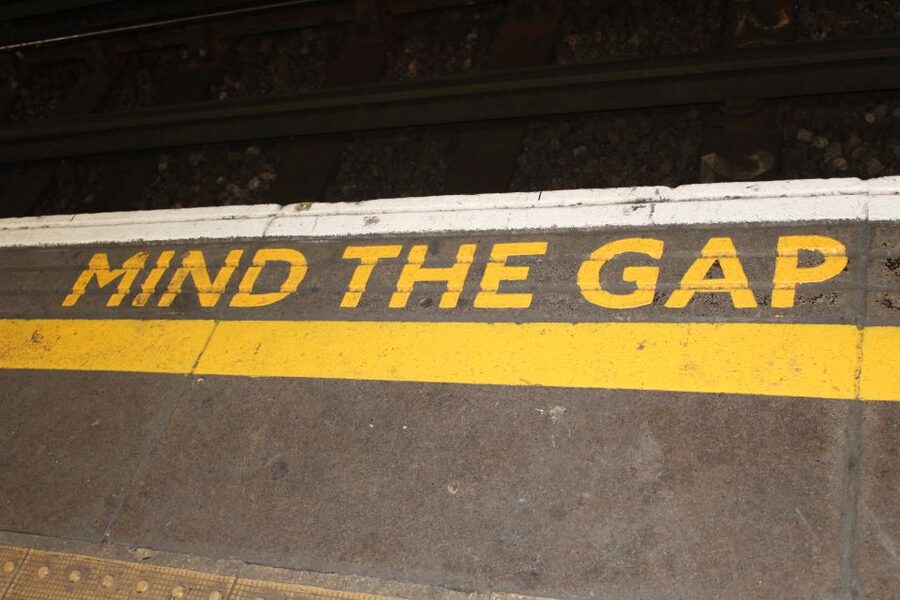
- Look for the overlooked: Station design, signs, maps, abandoned platforms, and small operational quirks get the attention.
- Plan for stairs and transfers: This is an active walking tour, not a sit-down history talk.
- Bring Zone 1 transport credit: Travel costs are not included in the $84.86 price.
Starting beneath Paddington’s famous clock
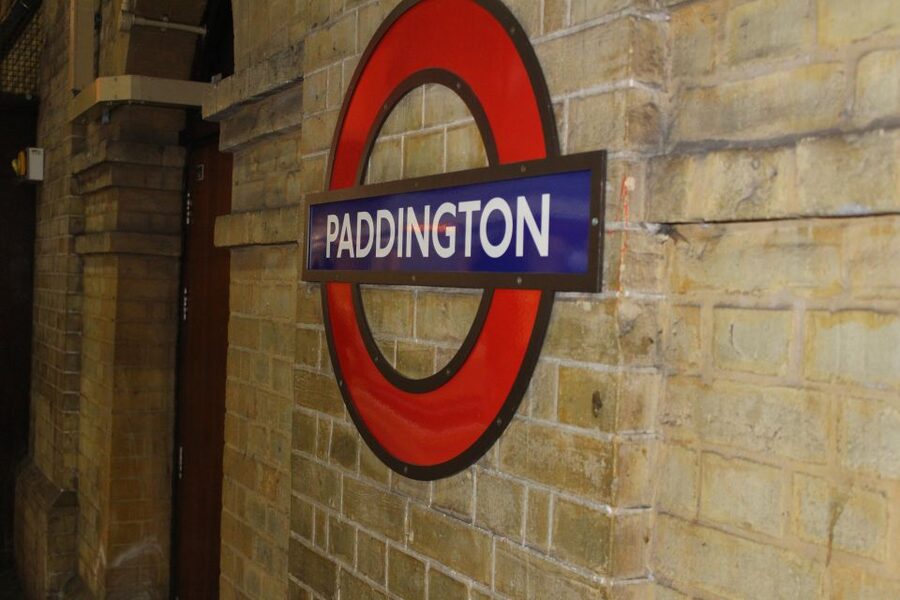
The tour begins at Paddington Station, under the clock on Platform 1. That precise meeting point matters in a station with several entrances, levels, and busy platforms, so give yourself time to find the right part of the station before the start.
Paddington is a fitting place to begin. The Underground opened in 1863, and this tour uses the station as a doorway into that early railway story. You will not simply hear a list of dates. The guide explains how London came to build railways below ground, why different lines were once controlled by rival companies, and why electric trains replaced steam engines.
That last change is especially useful context. The Tube feels modern when you are rushing through it, but its earliest years belonged to a very different railway world. Steam underground created obvious problems, and the move to electric trains helped make a growing subterranean network possible.
Because this is a private group, the guide can adjust the amount of explanation to your interests. If you are curious about engineering, city planning, station design, or the odd habits of London transport, you can ask more questions rather than waiting for a large group to move on.
A few more half-days in London worth comparing
- London: The London Eye Entry Ticket
★ 4.6 · 35,875 reviews - From London: Harry Potter Warner Bros Studio Tour
★ 4.7 · 26,588 reviews - London: Westminster to Greenwich River Thames Cruise
★ 4.5 · 22,836 reviews
Following the oldest stretch of railway
One of the strongest parts of the route is the chance to travel along London’s oldest stretch of railway line. The exact sequence can change because of improvement work on the network, so you should not expect a fixed list of stations on every departure.
That flexibility is worth understanding before booking. You are paying for the guide’s interpretation of the Underground rather than a guaranteed checklist of named stops. The route may shift, but the central themes remain: the early railway, the growth of the network, the competing companies, and the strange details that disappear when you use the Tube only as transport.
I like this approach because it treats the Underground as a living system. You are still riding ordinary trains, sharing platforms with people on their daily journeys, and making normal transfers. The difference is that the guide points out why a station looks or works the way it does.
You should wear comfortable shoes and be ready to walk between platforms and through stations. The activity lasts two hours and 45 minutes, but the time includes moving through the system, standing, listening, and possibly managing stairs. It is not a leisurely ride where you remain seated for the whole afternoon.
The Circle line and the importance of direction
The Circle line provides one of the tour’s most practical historical stories. The guide explains why, in earlier days, it was important to know which way you were travelling around the circle.
This sounds like a small operational detail, but it shows how the Tube’s design can shape the way Londoners think about distance and direction. A circular route is not always as simple as it appears on a map. The direction you choose affects the stations you reach first, the time you spend on board, and how clearly you understand your position.
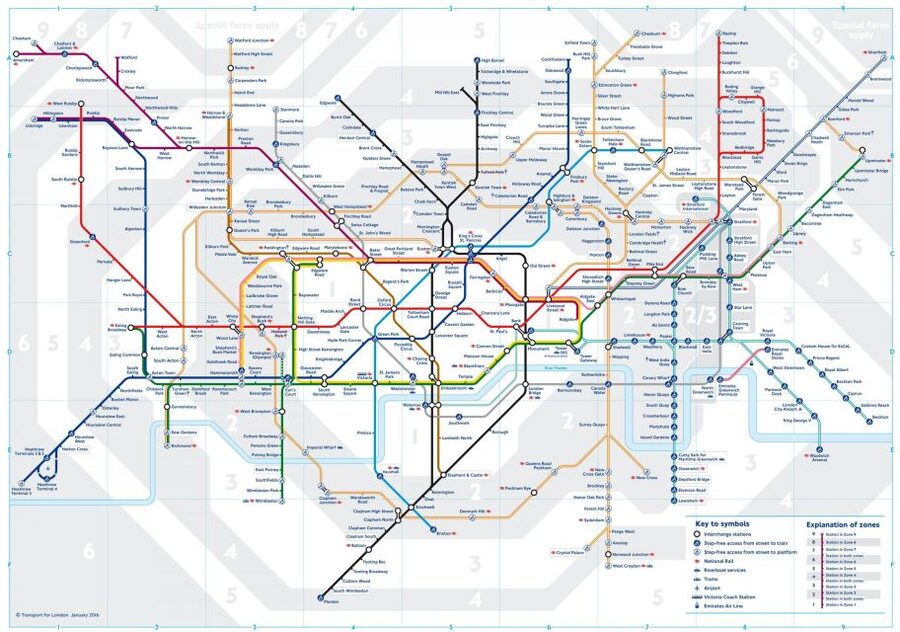
The topic also leads into the question of how accurate the Tube map really is. London’s familiar diagram is famous for making a complicated network easy to read, but it is not a literal street map. The tour helps you think about what the map shows clearly, what it leaves out, and how its neat lines compare with the physical city above.
This is the sort of subject that suits a guided walk better than a museum visit. You can hear the explanation while looking at the signs, platforms, and connections in the actual system.
Station design, famous platforms, and overlooked details
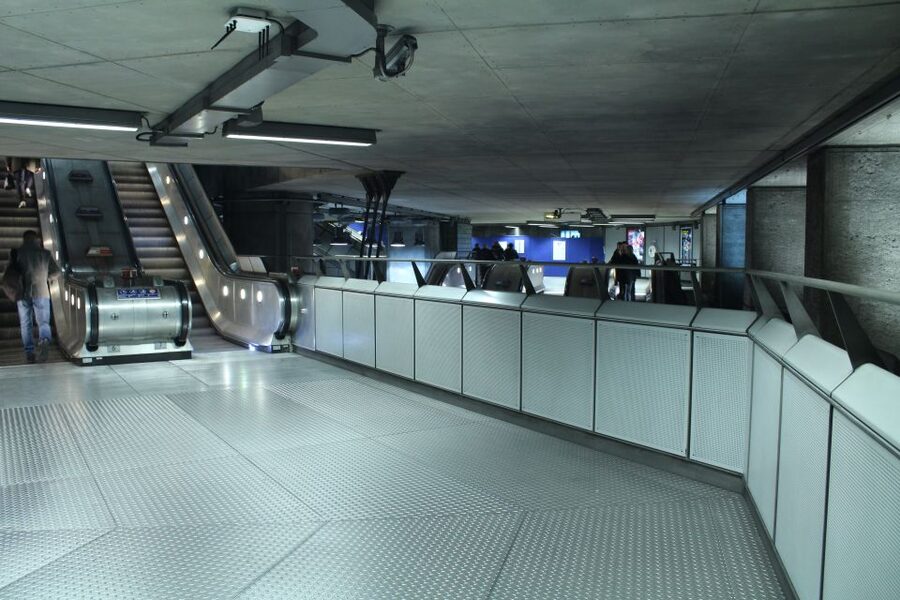
The tour visits a selection of famous, deep, beautiful, and unusual stations. The supplied information does not promise a fixed station list, and that is important. Do not book this expecting a standard route with every well-known Tube landmark included.
Instead, expect the guide to use the available route to explain the network’s quirks. These may include details that regular Tube users pass every day without noticing. The appeal is less about collecting station names and more about learning how to read the Underground.
A good guide can make an ordinary platform feel newly interesting. A sign, a change in wall finish, the layout of a passage, or the relation between lines can all point to an older stage of the network. The tour’s best material comes from this habit of close looking.
Past guides have included Rory, Fiona, Chris, and Jericho. Rory is noted for spending extra time on questions, while Fiona made the tour feel personal and welcoming for a birthday outing. Chris was described as enthusiastic, and Jericho led a tour that kept the information interesting without making the afternoon feel too costly.
Those names are useful background, but you should not assume you will receive a particular guide unless the operator confirms it. The quality of this experience depends heavily on the person leading it, since the Underground itself remains part of the daily transport system rather than a prepared attraction with displays and signs explaining everything.
Same trip, a completely different kind of day:
- London: Madame Tussauds London
★ 4.6 · 20,915 reviews - London: Warner Bros. Studio Tour with Transfers
★ 4.7 · 17,586 reviews - London: Tower Bridge Entry Ticket
★ 4.7 · 15,560 reviews - London: Westminster Abbey Entrance Ticket
★ 4.6 · 11,254 reviews
Ghost stations beneath the city
The ghost station material is likely to be the most memorable part for many people. London has stations and platforms that were closed, altered, or left out of ordinary public use, and the tour introduces you to that less visible side of the network.
You should keep expectations in check. The information promises discovery of ghost stations, but it does not say that you will enter abandoned areas. In many cases, the value may come from learning where to look, understanding why stations disappeared, and spotting traces from the train or platform.
That limitation is also part of the fun. You are not entering a theme-park set. You are moving through a real railway where access, safety, and construction work control what can be seen. A guide helps you notice evidence that would otherwise pass in a blur outside the train window.
For me, this is where the tour earns its place on a London schedule. You can visit major museums and historic buildings on your own, but the Underground’s closed stations and forgotten corners are harder to understand without someone who knows the system.
What the private format adds
The price is $84.86 per person, before your Tube travel costs. That is not a bargain for a basic orientation ride, but it is reasonable if you are booking for a small private group and want a focused specialist tour rather than a large, fixed script.
The value depends on how much you enjoy asking questions. A private group gives you more freedom to pause, follow a subject, or ask for clarification. One past group ran beyond the planned time because there were many questions, and the guide was happy to continue. You should not count on extra time every day, but the example shows why the format can work well for curious visitors.
It is also a good choice for a repeat visitor who already knows the basic Tube routes. If you have used London Underground for years, the tour may change the way you see familiar stations. If this is your first visit, it gives you a stronger sense of how the network developed, though it should not replace a simple lesson in using an Oyster card or navigating London.
The guide speaks English, and the experience is offered as a private group. No food, drinks, or transport fares are included, so the fee pays for the guide rather than a package of extras.
Timing, access, and small practical issues
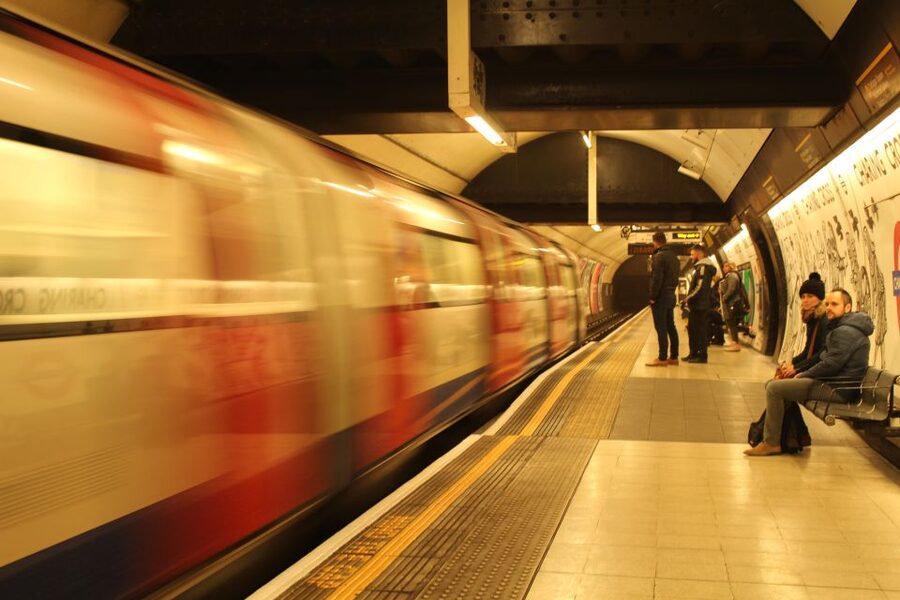
The activity runs for 165 minutes. Check the available start times when booking, since the departure schedule is not specified in advance.
Bring a valid Zone 1 travel card or an Oyster card topped up with at least £7 of pay-as-you-go credit. The tour uses the Underground, so you must have a way to pay for your own journeys. Travel costs are separate from the tour price.
The route is not suitable for wheelchair users or parents with prams because of the locations visited. Baby carriages are not allowed. If stairs, long station passages, or standing for extended periods are difficult for you, ask before booking.
One practical concern is the lack of a planned toilet stop. A past participant found this inconvenient, particularly as an older woman. Since the route moves through stations rather than scheduled attractions, use facilities before meeting and do not assume that a break will be built into the tour.
The advertised description says the tour concludes at Westminster Station. The activity details also state that it ends back at the meeting point, so confirm the endpoint with Brit Icon Tours before you set up your afternoon plans. Either way, allow a little extra time around the stated 165 minutes.
Cancellation is flexible up to 24 hours before departure for a full refund, and you can reserve now and pay later. Those terms are useful if your London schedule is still shifting.
Who will enjoy this Tube history tour?
I would choose this for anyone fascinated by public transport, urban history, engineering, or the small stories behind familiar places. It also suits a family with older children who can manage a long walking route and enjoy asking questions.
It works especially well as a private birthday outing or a special afternoon for two. Fiona’s warm, personal approach made one such occasion feel memorable, while Rory’s willingness to answer questions helped another group get more than the basic tour time.
I would be more cautious if you want a relaxed sightseeing tour with plenty of sitting. I would also skip it if your main goal is a fixed list of famous London attractions, because the route can change with network improvement work and the emphasis is on the Underground itself.
Should you book it?
Book this tour if you want to understand the Tube as a piece of living city history, not just a way to reach the Tower or Westminster. The strongest reasons are the oldest railway stretch, the Circle line story, the ghost stations, and the chance to ask a private guide about details you would otherwise miss.
At $84.86 per person plus Tube fare, it is best value for a small group that will make use of the guide’s time. Bring transport credit, wear comfortable shoes, use a toilet before starting, and confirm the final endpoint. If those practical points suit you, this is a smart choice for seeing London below street level with fresh eyes.
FAQ
Where does the London Underground tour start?
Meet beneath the clock on Platform 1 at Paddington Station.
Where does the tour end?
The main activity information says the tour concludes at Westminster Station, while another detail says it ends back at the meeting point. Confirm the endpoint with Brit Icon Tours before booking other plans.
How long does the tour last?
The tour lasts 165 minutes, or two hours and 45 minutes.
What travel ticket do I need?
You need a Zone 1 travel card or an Oyster card with at least £7 of pay-as-you-go credit. Travel costs are not included.
Is the tour private?
Yes. The activity is offered for a private group and includes a live English-speaking guide.
Is the tour accessible for wheelchair users or prams?
No. The tour is not suitable for wheelchair users or parents with prams, and baby carriages are not allowed.
Can I cancel the booking?
You can cancel up to 24 hours in advance for a full refund. You can also reserve the activity and pay later.
Just added in London
- Royal London Guided Sightseeing Tour and Thames River Cruise★ 4.0 · 31 reviews
- Roman Ruins to Blitz Bombings: A Walking Tour of London’s Fiery History★ 5.0 · 190 reviews
- Roman London Private Walking Tour★ 5.0 · 44 reviews
- Westminster Abbey, Big Ben, Buckingham Guided Tour of London★ 5.0 · 451 reviews
- River Thames Evening Cruise with Sparkling wine and Canapés★ 4.0 · 569 reviews
- Rock and Roll Walking Tour of Soho London★ 4.5 · 64 reviews
- London Private Chauffeur Half-Day or Full-Day Vehicle Rental★ 5.0 · 37 reviews
- Rich people behaving badly★ 5.0 · 47 reviews
Private, compared.

The Premier Classic London: Private 4-Hour Tour in a Black Cab
Read our review →


Stonehenge Inner Circle Private Tour from London with Bath Visit
Read our review →
Tower of London Entry & Beefeater Private Audience
Read our review →