
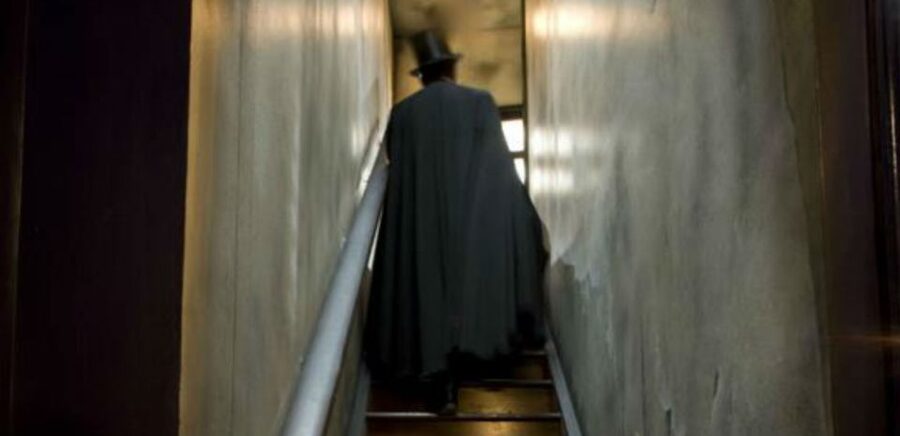
Reviewed · JACK THE RIPPER TOURS
London: Jack the Ripper Museum Tickets
Jack the Ripper Museum takes you into the grim heart of 1888 Whitechapel, using wax figures, crime-scene rooms, police artifacts, sound effects, and Victorian objects. The strongest part is its attention to the women who were killed, not just the man whose identity remains unknown.
I like the victim-focused displays and the recreated Whitechapel Police Station, where you can study the From Hell and Dear Boss letters, old newspapers, and police equipment. I also like the freedom to move at your own pace, taking about 45 minutes if you walk briskly or up to 90 minutes if you stop to read everything.
The main drawback is size. This is a small museum spread across six floors, not a large national collection, and the morgue includes genuinely disturbing autopsy photographs. If you prefer a lighter London attraction, this may not be your best stop.
Key points at a glance
- Six floors of Victorian crime history: Move through recreated rooms tied to the 1888 Whitechapel investigation.
- The victims receive real attention: Learn about the women’s lives, families, homes, clothing, and limited possessions.
- A reconstructed police station: Examine crime boards, letters, newspapers, and equipment linked to the investigation.
- Atmospheric sound and wax scenes: Audio effects, mannequins, and dim period rooms create a deliberately unsettling mood.
- Self-paced timing: Most people can see it in about 45 minutes, but careful readers may spend 90 minutes.
- Central East London setting: The museum is at 12 Cable Street, near Tower Gateway, Tower Hill, and Aldgate East.
Entering the small museum at 12 Cable Street
The Jack the Ripper Museum is at 12 Cable Street, London E1 8JG. From the outside, the building can look more like an ordinary house than a major museum. That modest entrance sets the tone: this is an intimate, theatrical attraction rather than a grand institution.
Inside, the route climbs through six floors. Staff explain the best way around, and the visit is mainly self-guided, so you can stop when a display catches your eye. Some visitors have found the front-desk staff especially friendly and helpful, which matters here because the rooms are compact and the order of the exhibits affects how the story unfolds.
The nearest named transport links are Tower Gateway, Tower Hill, and Aldgate East. Transportation is not included with admission, so you will need to make your own way to Cable Street. The activity begins and ends at the museum.
More Museum Tours in London
- Tower of London and Crown Jewels Exhibition Ticket
★ 4.5 · 6,677 reviews - London: Chelsea Football Club Stadium and Museum Tour
★ 4.8 · 4,576 reviews - Chelsea FC Stadium Tours and Museum
★ 5.0 · 1,908 reviews
Mitre Square and the discovery of Catherine Eddowes
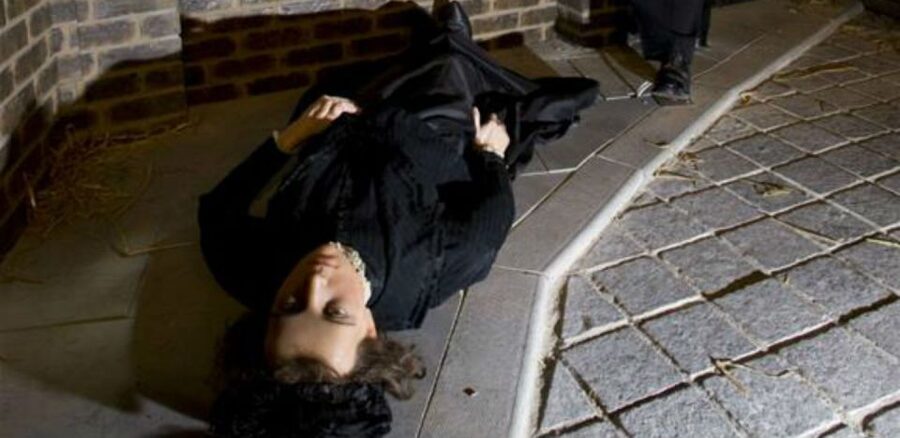
One of the first major scenes recreates Mitre Square, where P. C. Watkins discovered the body of Catherine Eddowes. A waxwork scene shows the moment of discovery, giving you a stark sense of how the case began for the police officer on duty.
This is not a polished historical gallery with artifacts behind glass at every turn. The scene is built to unsettle you. The figures, lighting, and sound effects create a horror-museum feel, which will appeal to anyone interested in true crime, historic crime fiction, or old London mysteries.
The approach also has a weakness. Wax figures can feel theatrical, and some displays may strike you as more dramatic than scholarly. I would treat this part as a visual interpretation of the event, then pay close attention to the written material for the historical context.
Jack the Ripper’s sitting room
The recreated sitting room is one of the museum’s more unusual spaces. It presents the suspected killer through objects associated with a Victorian man’s private world: medical instruments, books, maps, letters, and Ripper memorabilia.
The display includes an original drawing attributed to prime suspect Walter Sickert, showing a woman’s body on a metal bed and signed in red ink. The museum gives this object pride of place, though the identity of Jack the Ripper has never been proven. Keep that uncertainty in mind as you examine the suspects and theories.
This room works best when you resist the temptation to look for a final answer. The case has generated endless speculation, but the museum cannot solve it for you. Instead, it shows the clues, the atmosphere, and the odd collection of objects that have kept the mystery alive.
I like the way the room shifts the story from public crime scenes to private Victorian interiors. You see the tools, reading material, and maps that suggest a world of medical knowledge, newspapers, and police suspicion. Still, the museum’s presentation is designed to create mood, so you should not mistake every display choice for settled historical fact.
Whitechapel Police Station and the evidence boards
The reconstructed Whitechapel Police Station is likely to be the most useful stop for anyone who wants more than a scare. Whitechapel was the center of the investigation, and the museum uses crime-scene boards to show how police tried to make sense of the murders.
You can inspect the From Hell and Dear Boss letters, along with original newspapers and police artifacts. These objects help explain how the case spread beyond the immediate streets of East London and became a national sensation.
The display also includes a whistle said to have been blown by P. C. Watkins when he found the body in Mitre Square. His notebook, handcuffs, and truncheon are shown with it. Together, these objects bring the investigation down to a human scale. Police work was not just a collection of famous letters and theories. It involved officers walking dark streets, taking notes, calling for help, and trying to protect evidence with limited tools.
If you enjoy material evidence, allow extra time here. The museum is small, but the police room rewards slow reading. It is easy to hurry from one dramatic scene to the next, yet the letters, newspapers, and equipment give you the clearest sense of how the original investigation worked.
More Jack the Ripper walks in London:
- London: The Original Jack the Ripper Walking Tour
★ 4.7 · 7,833 reviews - London Jack the Ripper Guided Tour with Ripper-Vision
★ 4.5 · 4,840 reviews - London: Jack the Ripper Small Group Tour
★ 4.7 · 3,159 reviews - London Jack The Ripper Guided Walking Tour
★ 5.0 · 3,131 reviews
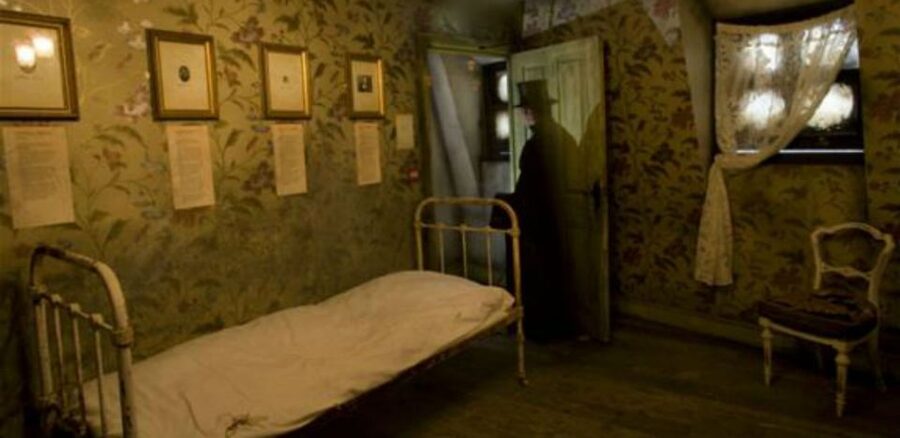
The attic room and Mary Jane Kelly’s life
At the top of the museum, a recreated attic room represents Mary Jane Kelly’s bedroom. The room contains a metal-framed bed with a straw mattress, domestic photographs, boots, bonnets, and the few possessions of poor Victorian East End women.
This is where the visit becomes more somber. Instead of treating the victims as names in a murder puzzle, the room asks you to picture their ordinary lives. The clothing and household objects are humble, but that is the point. These were women living with very little, in a part of London marked by poverty and insecurity.
Audio adds to the mood. A woman singing through a speaker in the attic has been described as particularly haunting, and it gives the room an emotional weight that a wall of printed facts could not create. The sound design is used throughout the museum, so you may hear effects and voices as you move between floors.
The Kelly room also shows the museum’s strongest instinct: to give the women a presence beyond their deaths. I found this more valuable than another round of suspect theories. You leave with a better sense of the people who were harmed, not merely the criminal legend built around them.
The morgue and the most difficult material
The final morgue display is the museum’s most confronting section. It includes actual autopsy photographs and reports concerning the horrific mutilation and murder of the nine women presented as victims of the Ripper’s knife.
This material is not suitable for everyone. The museum does not simply suggest violence through shadows and wax figures here. It places graphic historical evidence in front of you. If you are sensitive to medical imagery, you can choose not to study the photographs closely.
For those who can handle it, the reports provide a sobering counterpoint to the theatrical rooms. The earlier displays may feel like a dark London mystery, but the morgue removes much of that distance. The victims were real people, and the violence was real.
I recommend taking the final room slowly, if you enter it at all. You do not need to prove your toughness. The point is not to collect the most shocking image. The point is to understand the cost behind the famous name Jack the Ripper.
How long the visit takes
The ticket is valid for one day, with available starting times shown when you book. The museum is self-paced, so there is no fixed tour clock pushing you from room to room.
A quick visit can take around 45 minutes. If you read the panels, study the police evidence, listen to the audio, and pause in the attic, plan on about 90 minutes. That flexibility is useful in London, where you may be fitting this stop between the Tower of London, the East End, and other sights.
I would not plan an entire afternoon around the museum. Its compact size is part of its charm, but it also limits how much material can be displayed. Think of it as a focused stop that works well before or after other East London attractions.
Atmosphere, presentation, and historical balance
The presentation is atmospheric by design. Dark rooms, realistic mannequins, period objects, and sound effects make the visit feel more like a historic horror experience than a quiet archive.
That will be a plus if you enjoy horror games, true crime, or unusual museums. Children have enjoyed the attraction, but parents should consider the graphic subject matter and the morgue photographs before bringing younger family members. The museum’s own displays include murder scenes, mutilation reports, and unsettling wax figures.
The historical material is strongest when it stays close to the police evidence and the women’s stories. The mystery of the killer remains unresolved, so the museum cannot provide the tidy ending found in a fictional detective story. You should expect theories, suspects, objects, and atmosphere rather than a definitive identification.
Some visitors have also experienced help from staff or guides named Jasony and George. The standard description is a self-walking visit, so do not book expecting a guaranteed guided tour with a particular person. Still, staff assistance and occasional guided interaction can add a friendly human touch to an otherwise grim attraction.
Is the $18.86 ticket good value?
At a listed price of $18.86 per person, this is reasonably priced for a central London attraction if you spend an hour or more inside. The value comes from the themed presentation: you are paying for six connected floors, recreated rooms, audio, wax scenes, police material, and access to the attic and morgue.
It is less compelling if you rush through in 20 minutes or expect a large museum with a major collection of original objects. The building is small, and some of the appeal comes from atmosphere rather than quantity.
I would consider it good value for a visitor who already has an interest in the case or wants an unusual East London stop. It is also a practical choice for a short gap in your sightseeing day. Reserve now and pay later if your plans are still shifting, and cancellation is allowed up to 24 hours before the visit for a full refund.
The museum is closed on Christmas Day. A disabled person’s companion receives free admission, which is useful to know when planning access.
Who should visit this Jack the Ripper museum?
You are likely to enjoy it if you like:
- True crime and unsolved cases
- Victorian London
- Historic police investigations
- Horror attractions with theatrical sets
- Small museums that let you read at your own pace
- Atmospheric audio and visual storytelling
I would be cautious if you dislike graphic medical photographs, murder recreations, or sensational crime displays. The museum does make an effort to discuss the victims, but the subject remains dark from beginning to end.
Families should make an individual decision based on age and sensitivity. The attraction has appealed to children, but the content includes real autopsy photographs and descriptions of severe violence. That is not a minor detail.
Should you book it?
Book the Jack the Ripper Museum if you want a compact, atmospheric look at the 1888 Whitechapel murders and are willing to accept a theatrical presentation. The police station, victim-focused attic, and original investigation material give the visit more substance than a simple horror attraction.
Skip it if you want a large museum, a formal academic tour, or a clear solution to the Ripper mystery. For the right audience, the $18.86 ticket buys about an hour of unusual London history, with enough detail to reward a slow visit and enough atmosphere to leave you thinking about the city’s darker past.
FAQ
Where is the Jack the Ripper Museum?
The museum is at 12 Cable Street, London E1 8JG, in Greater London.
Which stations are nearest to the museum?
The nearest named Underground and train stations are Tower Gateway, Tower Hill, and Aldgate East.
How long is the museum visit?
The ticket is valid for one day. A brisk visit may take about 45 minutes, while a slower visit with careful reading can take around 90 minutes.
Is the visit guided?
The experience is described as a self-walking museum visit. Staff explain the best route around the building, and some visitors have had assistance from people named Jasony and George, but a particular guide is not guaranteed.
What can I see inside?
You can see recreations of Mitre Square, Whitechapel Police Station, Jack the Ripper’s sitting room, Mary Jane Kelly’s bedroom, and a morgue. The museum also displays police artifacts, newspapers, letters, Victorian objects, and audio effects.
Does the museum include graphic material?
Yes. The morgue contains actual autopsy photographs and reports about the murders. The museum also includes recreated crime scenes and unsettling wax figures.
Is transportation included?
No. The admission ticket covers entry to the museum only. You must arrange your own transportation to 12 Cable Street.
Can I cancel my booking?
You can cancel up to 24 hours in advance for a full refund. A reserve-now, pay-later option is also available.
Just added in London
- London Westminster Abbey French Tour with Fast-Track Tickets★ 4.8 · 57 reviews
- Tower of London Tour with Crown Jewels, plus River Cruise★ 4.5 · 54 reviews
- French Language: Original Harry Potter Walking Tour★ 4.6 · 503 reviews
- Changing of the Guard Experience in London★ 4.5 · 113 reviews
- Early Access:Tower of London Opening Ceremony & Royal London★ 4.8 · 49 reviews
- DreamWorks Shrek’s Adventure and London Eye: Combo Ticket★ 4.5 · 150 reviews
- From London: Downton Abbey and Village Coach Tour★ 4.8 · 212 reviews
- Doctor Who London Walking Tour★ 4.9 · 137 reviews
Jack the Ripper Tours, compared.
London Jack the Ripper Guided Tour with Ripper-Vision
Read our review →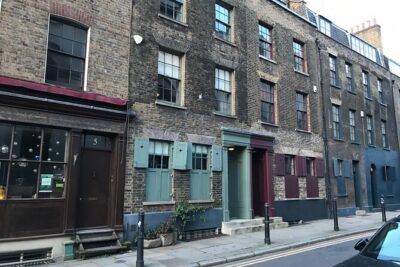
German Language : Original Jack the Ripper Tour
Read our review →
Jack the Ripper Walking Tour – Ripper Vision Tours
Read our review →
Ultimate Jack the Ripper : Guided Tour of London
Read our review →
Browse the lists this tour appears in