
Reviewed · LONDON TOURS
London: Hidden Baker Street Tube Station Tour
London’s first underground railway began beneath Baker Street in 1863, and this 85-minute tour takes you into parts of the station ordinary passengers never see. You’ll pass old platforms, lift shafts, staff corridors, and a rifle range tucked inside one of the city’s busiest stations.
I like the direct link to Victorian steam travel, and I like the staff stories that show Baker Street as a workplace, not just a stop on the Tube map. The drawback is clear: stairs, low light, uneven ground, and no elevators make this a poor choice if you have mobility limits or dislike tight, dark spaces.
Key points to know before you book
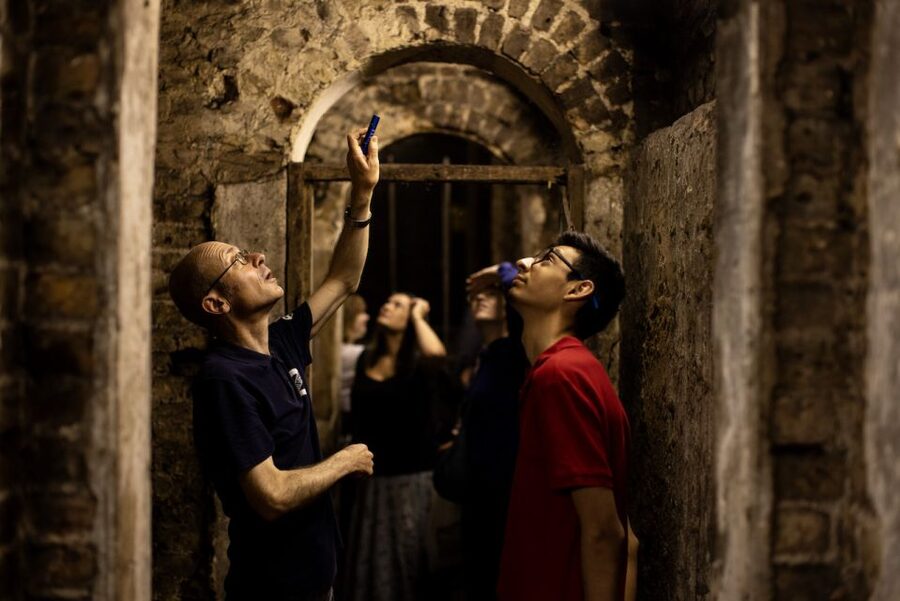
- Original 1863 surroundings: See parts of the Metropolitan Railway station connected with the birth of the world’s first underground network.
- Areas closed for about 75 years: Walk through old platforms, corridors, and lift shafts that ordinary passengers no longer use.
- A station with a rifle range: Baker Street once served London Underground staff as well as the public.
- Stories from the staff side of the Tube: Guides draw on London Transport Museum records and accounts from people who worked at the station.
- A short but physical visit: Plan for 85 minutes of walking, stairs, dim lighting, and uneven surfaces.
- Price and planning: At $60 per person, the tour is aimed at history fans who value access to places you cannot normally enter.
Why Baker Street is the right station for this tour
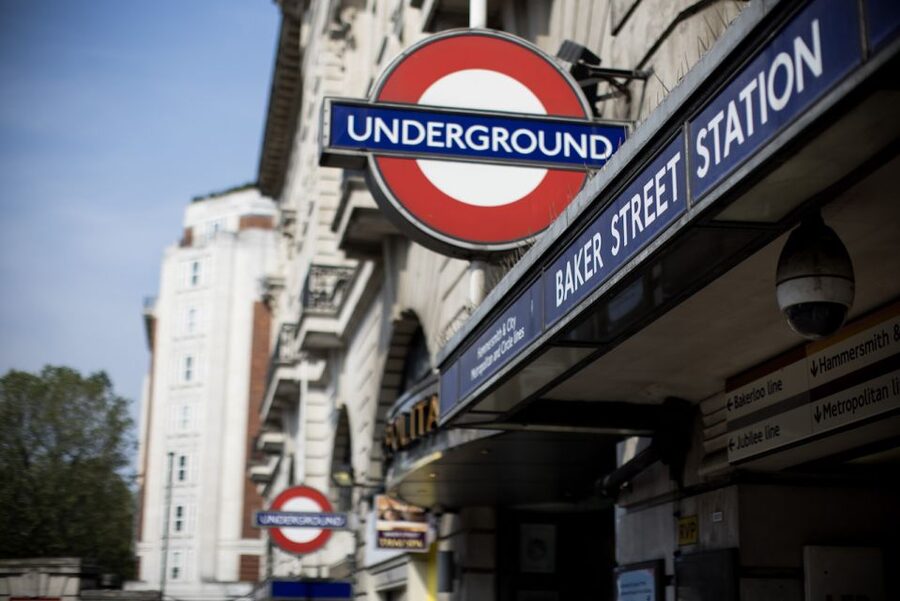
Baker Street is more than a Tube stop with a Sherlock Holmes statue out front. It was part of the Metropolitan Railway, which opened on January 10, 1863. That line carried passengers beneath London at a time when underground rail travel was a strange and unsettling idea.
The station gives you a useful starting point for understanding how the Underground grew. You are not only looking at old brickwork. You are seeing the early working parts of a transport system that later influenced metro networks around the world.
I find that context important because the tour is not simply an old tunnel walk. It explains why Baker Street mattered, how the Underground expanded over 16 decades, and how the station changed as railway operations became more complex.
Meet outside Baker Street Underground Station, in front of the Sherlock Holmes statue. That makes the meeting point easy to find, though the busy station area can be crowded, so arrive with enough time to get your bearings.
A few more half-days in London worth comparing
- London: The London Eye Entry Ticket
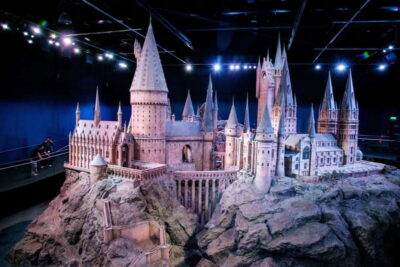
★ 4.6 · 35,875 reviews - From London: Harry Potter Warner Bros Studio Tour
★ 4.7 · 26,588 reviews - London: Westminster to Greenwich River Thames Cruise
★ 4.5 · 22,836 reviews
Entering the station’s Victorian beginnings
The first part of the tour takes you back to the early years of steam-powered underground travel. The Metropolitan Railway was revolutionary, but it was not polished or familiar in the modern sense. The tour helps you picture what the first passengers thought about traveling under the streets in 1863.
You’ll hear how London’s original underground system expanded and adapted over the years. Baker Street provides physical evidence of that change, with old sections sitting beside a station still used every day.
That contrast is one of the strongest parts of the experience. You can move from a modern Tube setting into spaces tied to the railway’s earliest period. The station becomes a sort of time line, with active public areas and closed-off sections sharing the same address.
The guide’s job matters here. A silent walk through disused corridors could become confusing, but the tour connects each space to the larger story. London Transport Museum supplies the historical material, including accounts from staff and details about the Underground’s operation.
Original platforms and corridors closed to the public
The main draw is access to areas that have not been open to ordinary passengers for more than 75 years. Some sections were last accessed by the public as far back as 1945.
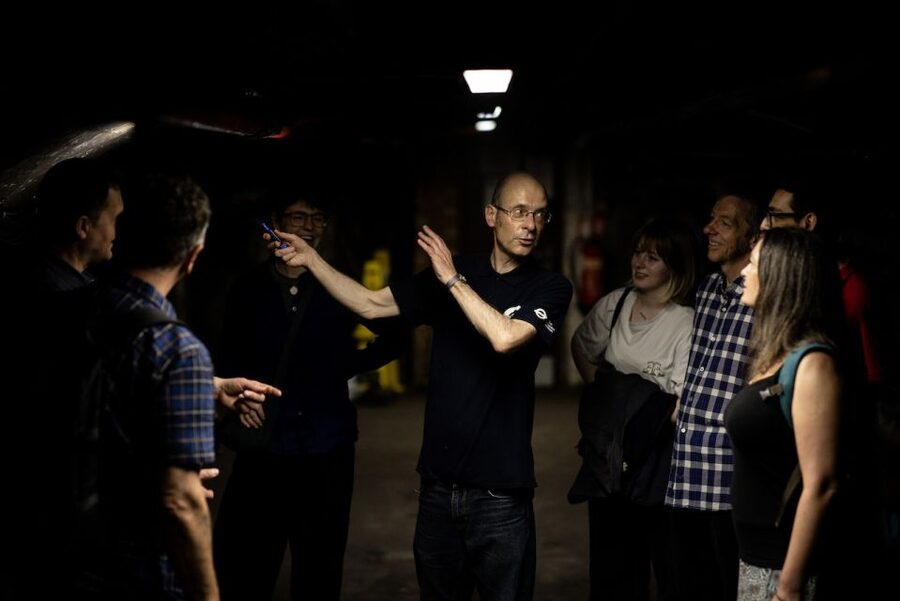
You can expect to see original platforms, older corridors, and spaces hidden behind the working station. These are not polished museum galleries. Their value comes from their age, layout, and connection to the people who used them.
The old corridors are especially useful for understanding how a major transport system functioned behind the scenes. Passengers saw trains, platforms, signs, and ticketing areas. Staff needed routes, offices, storage areas, and operational spaces that had a very different purpose.
I like this distinction because it gives the tour a human scale. You are not only learning about railway engineering. You are thinking about the people who opened the station, ran trains, handled daily problems, and spent their working lives below London.
The physical condition also shapes the visit. Expect low lighting and uneven ground rather than a smooth museum route. Wear comfortable shoes, keep your hands free, and do not bring luggage or a large bag.
Old lift shafts and the shape of forgotten travel
The old lift shafts show how the station once moved people between street level and the platforms. Lift technology and station layouts changed as the Underground developed, leaving earlier arrangements behind.
These shafts are valuable because they reveal the practical side of railway history. A station is not only a platform where a train arrives. It also needs ways to move people, staff, equipment, and information through a tight underground site.
You may find the scale and atmosphere of these spaces more memorable than a standard historical display. At the same time, they require attention. Dim conditions, stairs, and uneven surfaces mean you need to watch your footing and stay with the guide.
There are no elevators on the tour. That is not a minor detail. People with mobility impairments should not book this experience, and anyone who finds enclosed spaces difficult should think carefully before reserving.
Same trip, a completely different kind of day:
- London: Madame Tussauds London
★ 4.6 · 20,915 reviews - London: Warner Bros. Studio Tour with Transfers
★ 4.7 · 17,586 reviews - London: Tower Bridge Entry Ticket
★ 4.7 · 15,560 reviews - London: Westminster Abbey Entrance Ticket
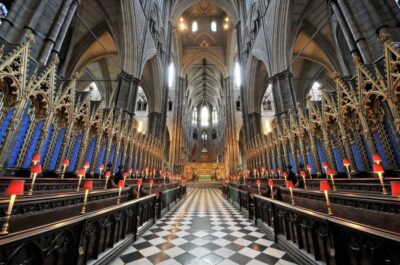
★ 4.6 · 11,254 reviews
The staff rifle range and the working Tube
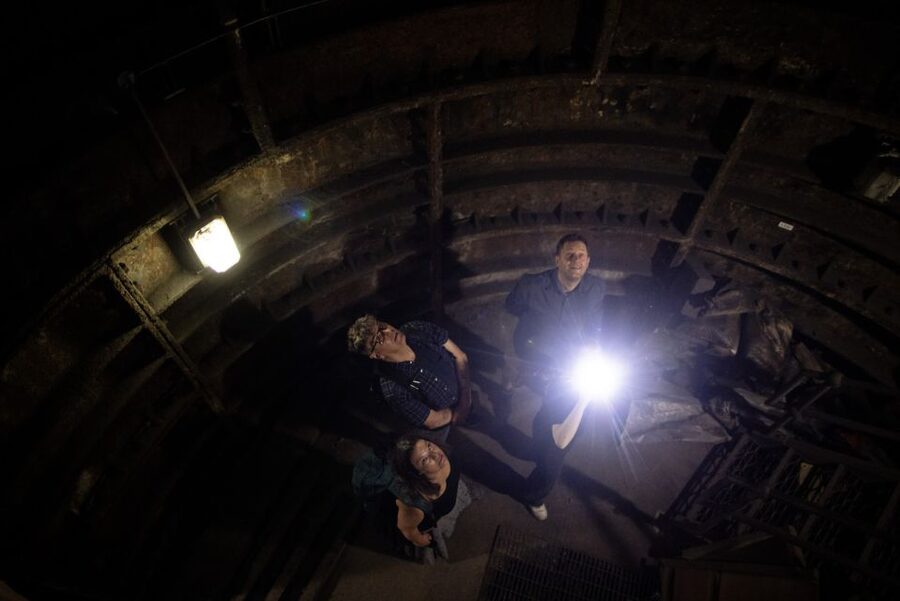
The staff rifle range is one of the tour’s most unusual details. It shows that Baker Street was once connected with activities well beyond passenger transport.
The range also helps explain the station as an operational headquarters for London Underground staff. The railway needed people trained for many different responsibilities, and their workplace included rooms and facilities that passengers rarely considered.
This is where the tour moves away from a simple story about old trains. You hear about how staff worked and played, and how the station functioned as a community as well as a transport hub.
That staff focus is a strong reason to choose this tour over a general Tube history walk. You get a better sense of daily life behind the public-facing railway. Stories from the London Transport Museum collection add detail without turning the visit into a lecture detached from the spaces around you.
Guides such as Anthony, Sophie, and Pat have led recent tours, and their approach has been described as friendly, enthusiastic, and well informed. Guide quality always matters on a history tour, and this experience depends on the person making sense of each corridor and room.
What the 85 minutes feel like
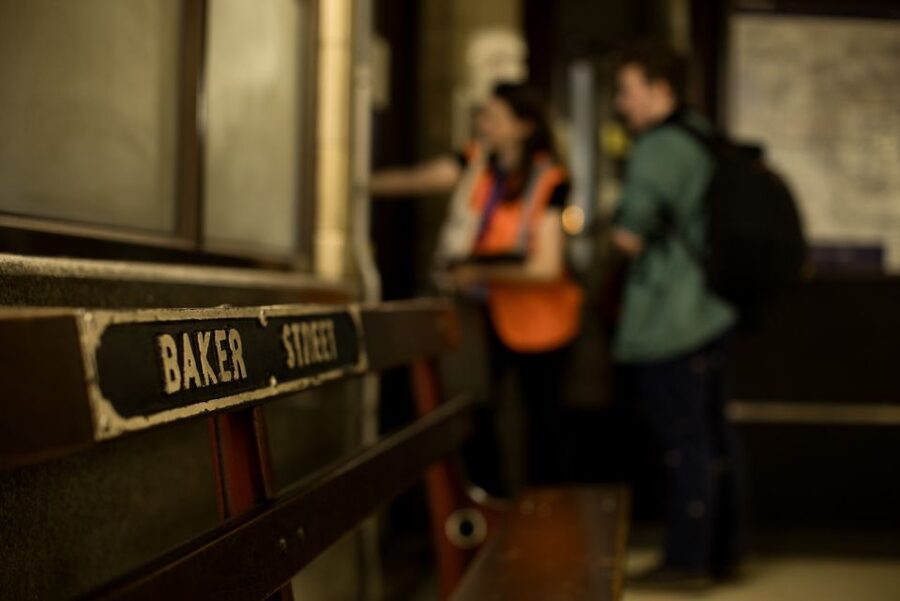
The tour has a compact running time, but it is not a passive 85 minutes. You walk through old station areas, climb stairs, and spend time in spaces with limited light.
The pace should suit you if you like focused visits with a clear subject. It is short enough to fit around a day of sightseeing, yet long enough to explain Baker Street’s origins, later expansion, staff life, and hidden sections.
You should not expect a leisurely stroll. The route is physical, and the lack of elevators means the experience is shaped by the station itself. Comfortable shoes are essential. Water is sensible before or after the tour, but food and drinks are not allowed during the visit.
Children must be at least 10 years old. There can be a maximum of four children aged 10 to 15 for each adult, so families need to plan their party carefully.
The tour is conducted in English. If you need a visit in another language, this is not the right choice.
How the $60 price measures up
At $60 per person, this is not a cheap way to spend an hour in London. You are paying for a specialist guided visit with access to parts of Baker Street Station that you cannot enter on an ordinary Tube journey.
The price makes the most sense if you care about transport history, engineering, London’s working past, or unusual access. The original platforms and old lift shafts provide something a standard museum visit cannot fully reproduce: you are standing inside the actual station environment.
It is less convincing value if you mainly want a quick look at Baker Street or a general introduction to the London Underground. The tour stays tightly focused on the station, and its physical demands may limit how much you enjoy it.
For me, the strongest value comes from the combination of access and interpretation. Closed corridors alone would be interesting for a few minutes. The guide explains why they mattered, who used them, and how the railway changed around them.
The London Transport Museum connection also adds weight. The tour draws on the museum’s archive and collection, so the stories are tied to the wider record of London transport rather than relying only on atmospheric speculation.
Who will enjoy Baker Street’s hidden side
This tour suits you if you like:
- The early history of railways and city transport
- Old infrastructure that remains in its original setting
- Stories about railway staff and daily operations
- Unusual London experiences away from the standard sightseeing route
- Short, guided visits with a clear historical focus
- Places that feel rougher and more authentic than a polished exhibition
It is a particularly good pick for anyone who has already seen London’s main attractions and wants a different side of the city. The tour also works well for visitors who enjoy connecting a famous modern system with its Victorian beginnings.
You should skip it if you need step-free access, dislike stairs, or feel uncomfortable in enclosed spaces. It is also not suitable for children under 10.
Do not expect a broad London Underground tour covering every famous station. Baker Street is the subject, and the experience is strongest when you appreciate close attention to one place.
Practical advice for a smoother visit
Wear closed-toe, comfortable shoes. Open-toed shoes are not allowed, and the uneven surfaces make sturdy footwear more than a formality.
Bring identification, since a passport or ID card is listed among the items to bring. Leave luggage and large bags behind, as they are not permitted.
Arrive at the Sherlock Holmes statue outside Baker Street Underground Station. The statue gives you a clear landmark and links the meeting point with one of Baker Street’s best-known public associations.
Keep your schedule flexible after the tour. The experience lasts 85 minutes, but you may want a little extra time before the start to locate the meeting point and settle in. Check the available start times when booking.
The cancellation policy is useful if your London plans are still moving around: you can cancel up to 24 hours in advance for a full refund. You can also reserve now and pay later, which helps if you are arranging several activities.
My verdict: book it for access, not comfort
I would book this tour if I wanted to see London’s transport story from inside the working fabric of Baker Street Station. The original platforms, old lift shafts, and staff rifle range offer details that are hard to find on a normal sightseeing route.
I would not book it for a relaxed family outing, a step-free attraction, or a broad overview of London. The route is physically demanding, English only, and focused on one station.
For the right visitor, $60 is fair because the access is unusual and the guiding gives the old spaces meaning. If you like railway history and can manage stairs, low light, and uneven ground, this is one of the more distinctive ways to understand how the Underground began.
FAQ
Where does the Baker Street Station tour meet?
Meet your guide outside Baker Street Underground Station, in front of the Sherlock Holmes statue.
How long does the tour last?
The tour lasts 85 minutes.
What language is the tour conducted in?
The tour is conducted in English with a live guide.
What can I see on the tour?
You can see original platforms, old lift shafts, hidden corridors, and the former staff rifle range. The tour also covers Baker Street’s role as an operational headquarters for the London Underground.
How old is Baker Street Station?
Baker Street opened on January 10, 1863, as part of the Metropolitan Railway.
Are children allowed?
Children aged 10 and older are allowed. There is a maximum of four children aged 10 to 15 for each adult.
Is the tour suitable for people with mobility impairments?
No. The tour includes extensive walking, uneven ground, stairs, low lighting, and no elevators.
Is the tour suitable for people with claustrophobia?
No. The tour is not suitable for people with claustrophobia.
What should I bring and what is not allowed?
Bring comfortable shoes, water, and a passport or ID card. Food, drinks, luggage, large bags, and open-toed shoes are not allowed.
Just added in London
- London Westminster Abbey French Tour with Fast-Track Tickets★ 4.8 · 57 reviews
- Tower of London Tour with Crown Jewels, plus River Cruise★ 4.5 · 54 reviews
- French Language: Original Harry Potter Walking Tour★ 4.6 · 503 reviews
- Changing of the Guard Experience in London★ 4.5 · 113 reviews
- Early Access:Tower of London Opening Ceremony & Royal London★ 4.8 · 49 reviews
- DreamWorks Shrek’s Adventure and London Eye: Combo Ticket★ 4.5 · 150 reviews
- Downton Abbey and Village Small Group Tour from London★ 4.8 · 280 reviews
- From London: Downton Abbey and Village Coach Tour★ 4.8 · 212 reviews
London Tours, compared.

Westminster to Greenwich River Thames Cruise
Read our review →

Browse the lists this tour appears in