Reviewed · TICKETS
Handel Hendrix House Ticket
The remarkable thing here is the address: 25 Brook Street holds two musicians from different centuries. George Frideric Handel lived and worked here for 35 years, while Jimi Hendrix lived next door at number 23 in the late 1960s. One ticket links baroque London with the electric guitar age.
I like the small scale, which lets you study rooms and objects without racing through a huge museum. I also like the chance to hear a harpsichord being played in Handel’s rooms. The main drawback is that the Hendrix section is a careful recreation, not a room filled with original furniture, and the house can take less time than you expect if you are not a music fan.
Key points to know before you go
- Handel wrote Messiah here: His rooms offer a direct connection to one of the best-known works in Western music.
- The old stairway is part of the setting: Expect a wonky, 250-year-old Grade I listed staircase as you move through the house.
- Hendrix’s flat is recreated: Kathy Etchingham helped reproduce the domestic details of the room where he lived in 1969.
- Harpsichord music may be live: Musicians sometimes practice during the day, adding sound to the visit.
- The venue is compact: Plan on one to two hours, though devoted music lovers may spend two to three.
- Events cost extra: The museum ticket does not include entry to concerts or other special programs.
Two musicians, one Mayfair address
Handel Hendrix House works because the contrast is so clear. Handel’s rooms belong to an 18th-century composer at the center of English court life. Hendrix’s rooms reflect a young American musician finding fame in 1960s London.
They lived more than 200 years apart, yet the museum places their stories side by side without pretending they were connected. The link is simply the building and the creative life that took place there. You move from powdered wigs and court music to records, amplifiers, and electric guitar pedals in a short climb through the house.
This makes the visit more thoughtful than a single-artist museum. You are not just looking at two famous names. You are comparing how two musicians worked, lived, performed, and responded to London.
At $19 per person, I consider the ticket fair if you have a real interest in either artist. It is especially good value if you spend close to two hours, catch some live harpsichord playing, and take time with the staff. If you only want a quick glimpse of Hendrix memorabilia, the price may feel higher because the Hendrix rooms are limited.
A few more half-days in London worth comparing
- London: The London Eye Entry Ticket
★ 4.6 · 35,875 reviews - From London: Harry Potter Warner Bros Studio Tour
★ 4.7 · 26,588 reviews - London: Westminster to Greenwich River Thames Cruise
★ 4.5 · 22,836 reviews
Handel’s Brook Street rooms and the sound of Messiah
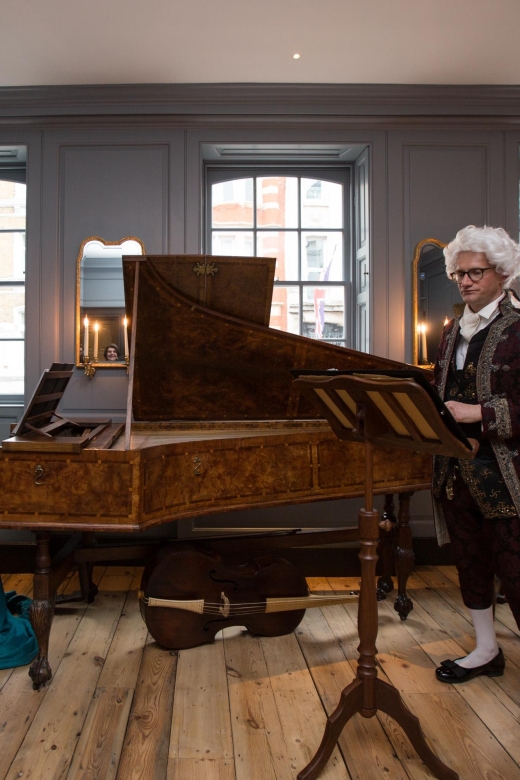
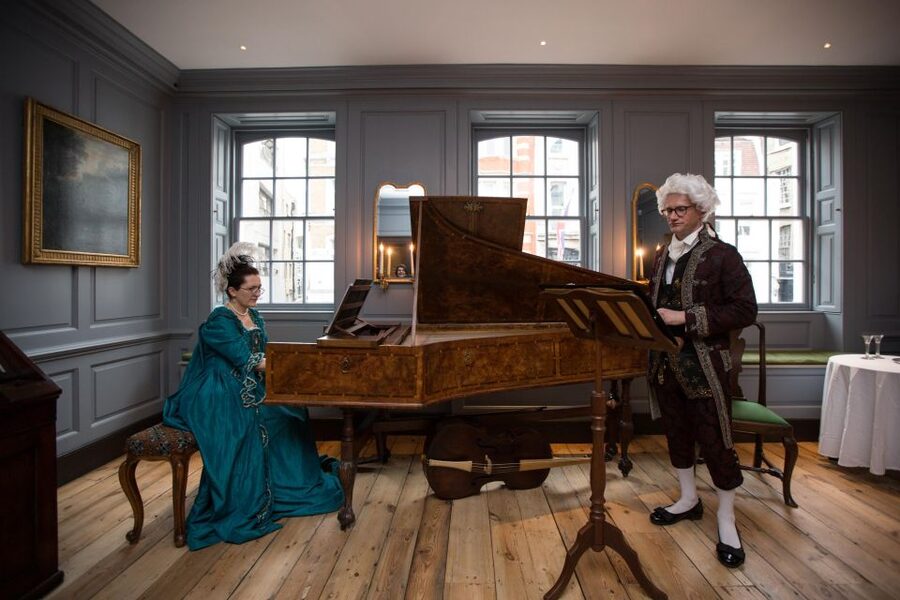
Begin with Handel’s side of the house. The rooms have been restored to show where he composed, rehearsed, performed, and met other important musicians of the baroque period.
The strongest connection is to Messiah, which Handel composed here. That fact gives the rooms weight, but the museum is not only about a famous title. You can picture this as a working home, with music being written, practiced, argued over, and prepared for performance.
One of the best details concerns the soprano Cuzzoni. Handel reportedly threatened to throw her out of a window when she refused to sing one of his arias. The story gives the house a lively human edge. This was not a silent shrine. It was a workplace with strong personalities and high musical stakes.
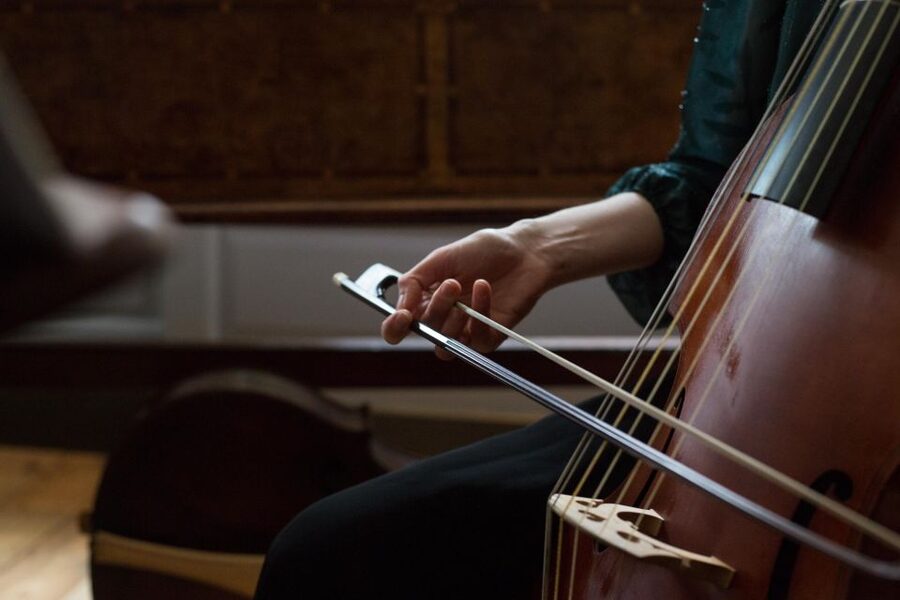
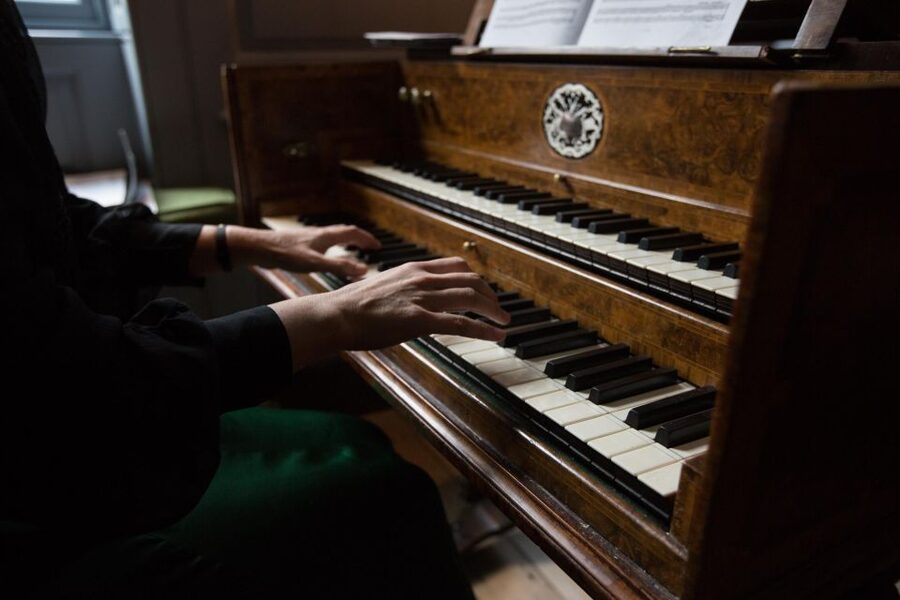
You may hear a harpsichord while you explore. Musicians sometimes practice on one of the antique instruments during the day, and that sound changes the visit. Instead of reading only about baroque music, you hear the bright, delicate tone that would have filled these rooms.
The playing is not promised at every visit, so do not plan your ticket around a performance. If you hear it, stop for a few minutes. The music is particularly useful if you know little about the period, since the instrument can explain the style better than a wall panel.
The information is spread through the rooms rather than presented as one long guided talk. Staff and volunteers may be present, and you can ask questions as you go. One useful tip is to speak with them instead of simply walking through. They can add small details that are easy to miss.
Upstairs to Handel’s dressing room and bedroom
The next part of the visit takes you up the old staircase. It is described as a 250-year-old Grade I listed stairway, and its uneven character is part of the house’s atmosphere.
The staircase also has practical importance. It is not a modern museum entrance designed for speed. If you have mobility concerns, note that the venue is listed as wheelchair accessible, but ask the museum directly about how access works through this historic building before you arrive.
On the second floor, you reach Handel’s dressing room and bedroom. The bedroom is where he died after 35 years in the house. These rooms help shift the story from public composer to private resident.
That change is valuable. Music museums can focus so heavily on performances and achievements that the person disappears. Here, the domestic rooms offer a quieter sense of his daily life and long connection to Mayfair.
You should allow enough time to look closely rather than treating this floor as a passage to Hendrix. The Handel rooms are more extensive than the Hendrix display, and that affects the balance of the visit. If you arrive mainly for Hendrix, you may be surprised by how much of the house belongs to Handel.
Jimi Hendrix’s first real home

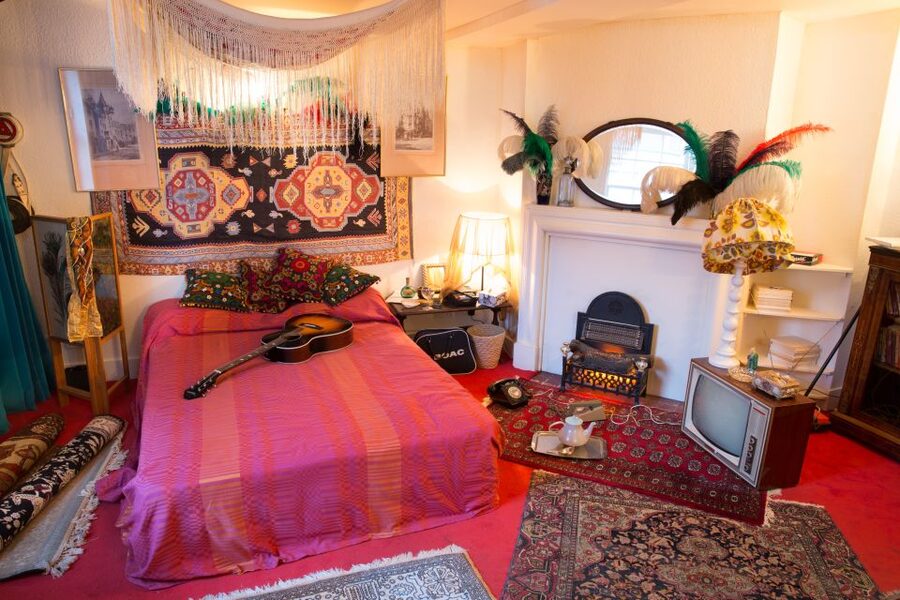
The Hendrix rooms are on the third floor, where the museum shifts into 1960s London. Hendrix lived at 23 Brook Street with his girlfriend Kathy Etchingham, and he described the flat as the first place he had truly called home.
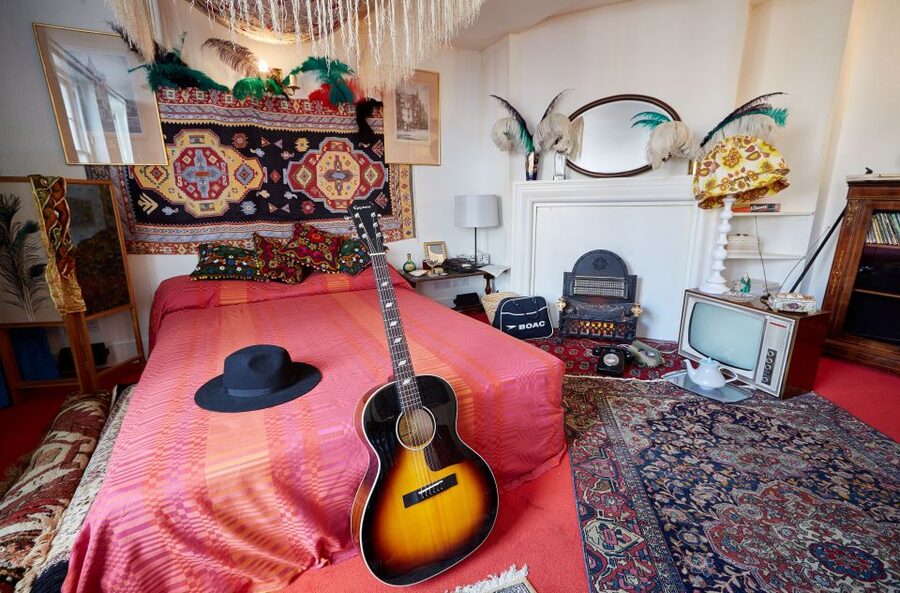
The room has been recreated through detailed research, with Etchingham’s help. That matters because the aim is not simply to display a guitar and a famous photograph. The room is meant to show how Hendrix lived in London during 1969, before his death the following year at age 27.
You will find domestic details, a record collection, information about his equipment, and an acoustic guitar. The records are especially revealing. They show what he listened to away from the stage and offer a more personal view of his musical world.
The display also covers the amplifiers and pedals he used to create his distinctive sound. These details will mean most to guitar players, but you do not need technical knowledge to appreciate them. They explain that his sound came from a combination of playing style, instruments, amplification, and effects.
The Hendrix room is colorful and evocative, but you should keep your expectations in check. It contains few original objects from the flat. A mirror is among the authentic items, while much of the room has been reconstructed. That does not make it worthless, but it does make the display different from entering a preserved home.
I find the recreation works best when you treat it as a visual aid to Hendrix’s story. The room helps you imagine the setting, while the records, equipment, photographs, and accounts from Etchingham provide the stronger evidence.
Same trip, a completely different kind of day:
- London: Madame Tussauds London
★ 4.6 · 20,915 reviews - London: Warner Bros. Studio Tour with Transfers
★ 4.7 · 17,586 reviews - London: Tower Bridge Entry Ticket
★ 4.7 · 15,560 reviews - London: Westminster Abbey Entrance Ticket
★ 4.6 · 11,254 reviews
Why the contrast works
The museum’s real strength is the quick movement between two kinds of musical life.
Handel’s rooms suggest composition within a formal world of courts, singers, rehearsals, and patrons. Hendrix’s room suggests a modern musician surrounded by records, technology, personal relationships, and the fast culture of 1960s London.
The contrast is not only visual. The instruments tell the story. Handel’s harpsichord has a precise, antique tone. Hendrix’s equipment points toward volume, distortion, and experimentation. Hearing or seeing those tools in the same building makes the gap between the musicians easier to understand.
It also prevents the visit from becoming too narrow. If you come for Hendrix, you get an unexpected lesson in Handel. If you come for Handel, you get a short account of the London music scene that made Hendrix famous.
The two displays are not equal in size. Handel’s house is more extensive, while Hendrix has a smaller set of rooms. Plan accordingly. If Hendrix is your priority, go slowly through his display and ask the staff about the records and equipment. If Handel is your main interest, give yourself time for the rooms, staircase, harpsichord, and bedroom before heading upstairs.
How long to stay and what to expect
The basic visit takes about one to two hours. That is enough for a steady look at both artists, but a music lover could spend two to three hours by pausing for staff explanations, listening to practice, and reading the displays carefully.
The compact size is useful in a crowded London day. You can fit the museum between other Mayfair stops without giving up half a day. At the same time, do not treat it as a ten-minute photo stop. The rooms are small, and their details reward patience more than speed.
The venue limits groups to nine people, which helps keep the experience personal. You are less likely to feel lost in a large crowd, and it should be easier to ask questions. The museum language is English, and the host or greeter is also English-speaking.
Large bags and luggage are not allowed. Leave suitcases elsewhere before arriving, since this is a small historic house rather than a modern museum with space for bulky belongings.
The meeting point is Handel Hendrix House, 25 Brook Street, Mayfair, London W1K 4HB. Bond Street Station, served by the Central and Jubilee lines, is the nearest Tube stop.
Live music and paid events
Do not confuse the regular museum visit with the venue’s concerts and special events. Your entry ticket covers the museum only. Events require separate admission.
Live harpsichord practice may take place during the day, and special concerts can add another layer to the visit. Saturday afternoon music is one possibility, but you need to check the current program and pay the event admission separately.
If you are choosing between a basic visit and a concert, think about what you want from the day. The museum ticket gives you the rooms and displays at your own pace. A concert gives you a scheduled performance, but it is a different product and is not included in the $19 admission.
Who will enjoy this most
I would recommend Handel Hendrix House to:
- Music lovers who want a compact museum with two very different artists
- Hendrix fans interested in his London home, records, and equipment
- Handel fans who want to see where he wrote Messiah
- Visitors who enjoy historic interiors and personal domestic details
- People looking for a short cultural stop in Mayfair
- Families with older children who can appreciate the contrast between harpsichord and electric guitar
It may be less satisfying if you want a large Hendrix collection filled with original objects. It is also not the best fit if you dislike small museums or have no interest in music, since the visit depends on your willingness to read, listen, and picture the past.
Is the $19 ticket good value?
At $19, the ticket sits in the reasonable range for a central London museum, but its value depends on your expectations.
You are paying for access to a historic house, not a major gallery with dozens of rooms. The Hendrix portion is modest, and much of it is reconstructed. The value comes from the unusual combination, the setting, the staff presence, and the chance of hearing live harpsichord playing.
I would call it good value for a focused one to two-hour visit, especially if you are already in Mayfair. It is less convincing as a stand-alone destination for someone who wants a full day of Hendrix memorabilia.
The flexible booking terms also help. You can cancel up to 24 hours before the visit for a full refund, and reserve now while paying later. That is useful when you are building a London schedule around weather, meals, and other timed entries.
Should you book Handel Hendrix House?
Book it if you like the idea of seeing where Handel wrote Messiah and then stepping into a carefully recreated room connected with Hendrix. The mix is unusual, the setting is central, and the visit offers more than a row of framed photographs.
Go with realistic expectations about the Hendrix section. It is smaller and relies on reconstruction rather than a large collection of original furnishings. If that is acceptable, the domestic detail, record collection, equipment, and staff conversations make it worthwhile.
For a short Mayfair stop, I would book. For serious Hendrix collectors seeking original artifacts, I would treat it as a useful supplement rather than the main London attraction.
FAQ
Where is Handel Hendrix House located?
It is at 25 Brook Street, Mayfair, London, W1K 4HB.
What is the nearest Tube station?
Bond Street Station is the nearest Tube stop. It is served by the Central and Jubilee lines.
How long does a visit take?
Most people should allow one to two hours. If you read everything, speak with staff, and listen to music practice, you may prefer two to three hours.
Does the ticket include concerts?
No. The museum entrance is included, but entry to concerts and other events is separate.
Will I hear a harpsichord during the visit?
You may. Musicians are sometimes found practicing on the harpsichords during the day, but live playing is not guaranteed.
Is the Hendrix flat original?
The Hendrix flat is a recreation based on research, with help from Kathy Etchingham. It contains few original items from the flat, although the room includes authentic material such as a mirror.
Is the museum wheelchair accessible?
The activity is listed as wheelchair accessible. Because the historic house includes a narrow, uneven 250-year-old staircase, contact the museum before visiting to confirm the access arrangements that apply to you.
Can I bring luggage or a large bag?
No. Luggage and large bags are not allowed.
Can I cancel my booking?
Yes. You can cancel up to 24 hours in advance for a full refund. You can also reserve now and pay later.
Just added in London
- Royal London Guided Sightseeing Tour and Thames River Cruise★ 4.0 · 31 reviews
- Roman Ruins to Blitz Bombings: A Walking Tour of London’s Fiery History★ 5.0 · 190 reviews
- Roman London Private Walking Tour★ 5.0 · 44 reviews
- Westminster Abbey, Big Ben, Buckingham Guided Tour of London★ 5.0 · 451 reviews
- River Thames Evening Cruise with Sparkling wine and Canapés★ 4.0 · 569 reviews
- Rock and Roll Walking Tour of Soho London★ 4.5 · 64 reviews
- London Private Chauffeur Half-Day or Full-Day Vehicle Rental★ 5.0 · 37 reviews
- Rich people behaving badly★ 5.0 · 47 reviews
Tickets, compared.




Buckingham Palace: The State Rooms Entrance Ticket
Read our review →