
Reviewed · CASTLES & PALACES
From Edinburgh: Glamis and Dunnottar Castles Tour in Italian
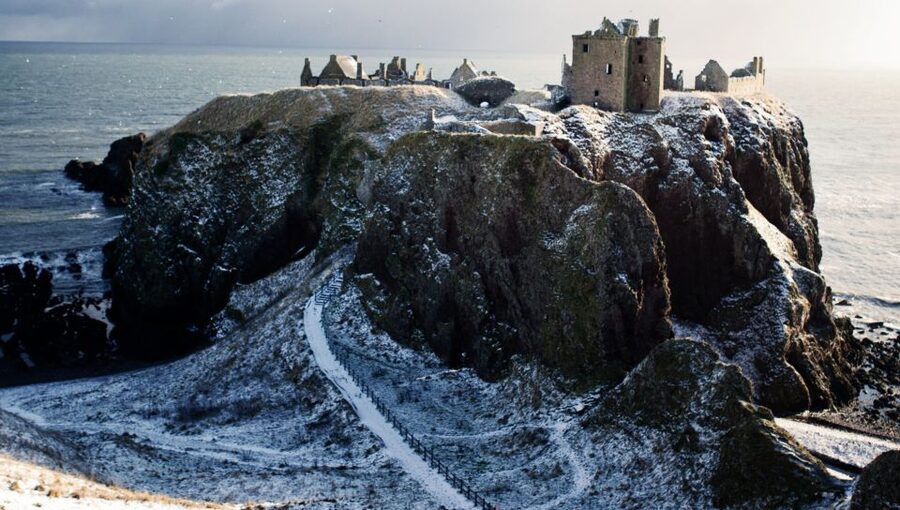
Dunnottar Castle is the star here: a ruined fortress on sea cliffs, reached after a long but scenic ride from Edinburgh. I like the pairing with Glamis Castle, whose polished rooms, gardens, royal links, and ghost stories give you a very different kind of Scottish castle. I also like the Italian commentary, which makes a long day easier to follow and adds useful local context.
The catch is the distance and the weather. This is a packed 10-hour outing, entrance fees are not included, and winter conditions have sometimes forced major changes to the plan. If you need a reliable visit inside both castles, check the seasonal route before booking.
Key points to know before you book
- Dunnottar Castle delivers the big moment: A medieval fortress above the North Sea, with some of Scotland’s most striking coastal views.
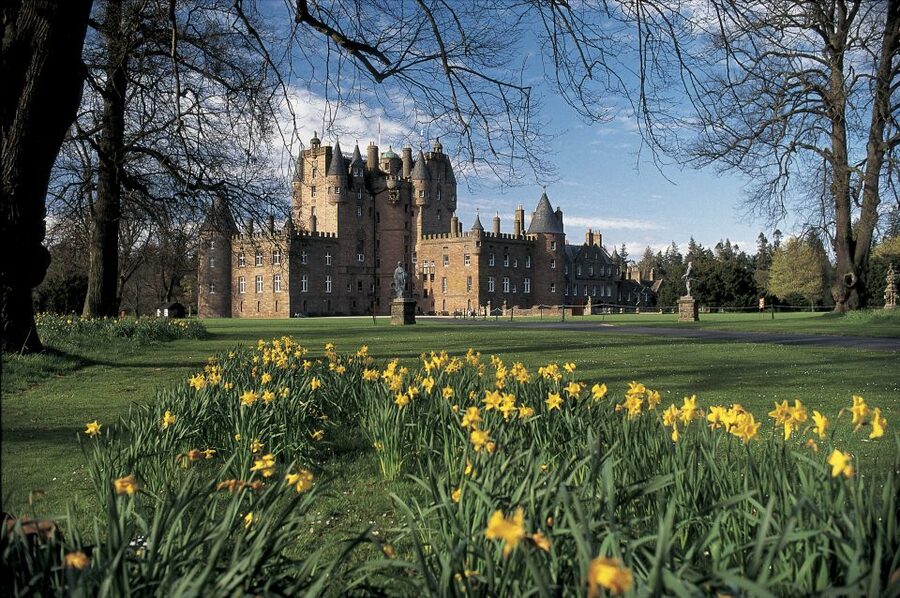
- Glamis offers a complete contrast: You tour an elegant family home linked with Macbeth and the Queen Mother, rather than another ruined stronghold.
- The tour is conducted in Italian: Guides such as Lorenzo and Francesco have provided commentary, stories, and Edinburgh suggestions on recent departures.
- Stonehaven gives you a useful break: You have about an hour for the harbor, a stroll, and lunch, though the stop can feel long in poor weather.
- Winter has a different route: From December 15, 2025 through March 22, 2026, Aberdour Castle and the Three Bridges viewpoint replace some warmer-season stops.
- Budget for admission and food: The $74 price covers transport and the guide, but not castle entry, lunch, or drinks.
Why Dunnottar is worth the long ride from Edinburgh
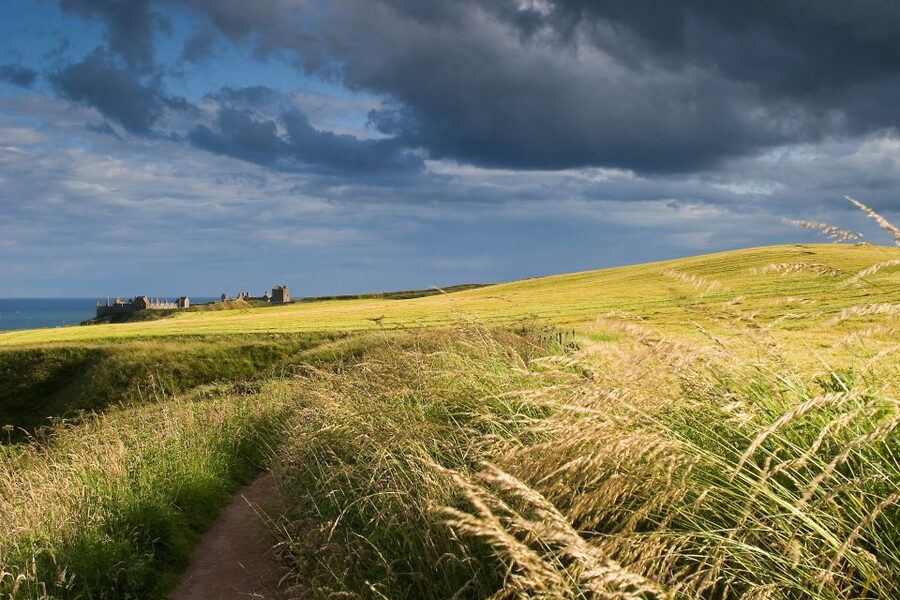
You leave from 190 High Street on Edinburgh’s Royal Mile and spend a good part of the morning heading east and north. The ride takes time, but it carries you out of the city and toward a stretch of coast that is difficult to reach without your own car.
Dunnottar appears dramatically, perched on a rocky headland with the North Sea behind it. The setting does much of the work. You are not simply walking into a historic building; you are approaching a fortress shaped by cliffs, sea, and the need to defend a narrow piece of land.
The castle played an important role during the Wars of Independence in the 13th and 14th centuries. Its ruins have also attracted artists and filmmakers, which makes sense once you see the steep cliffs and broken stone walls for yourself.
You get about 75 minutes at Dunnottar. That is enough to see the main ruins, take photographs, and study the coastal views, but it is not a leisurely archaeological visit. Wear shoes with a good grip and expect walking on uneven ground. The tour information says the experience is not suitable for people with mobility impairments, and this stop is the main reason why.
A practical warning matters here: bad weather can change the day. If wind, snow, or other conditions make the castle unsafe or inaccessible, the guide may take you to a panoramic viewpoint instead. That still gives you the famous view, but it is not the same as walking through the fortress.
More Castle Tours in Edinburgh
- Edinburgh Castle: Guided Walking Tour with Entry Ticket
★ 5.0 · 5,540 reviews - Edinburgh Castle Guided Walking Tour in English
★ 5.0 · 5,214 reviews - Royal Mile and Edinburgh Castle – Small Group Walking Tour
★ 5.0 · 1,523 reviews
The road east through Fife and across the Forth
The route varies by season, so your first views may not match the standard warmer-month plan. On the usual route, you cross the Forth River and pass North Queensferry and South Queensferry, two small settlements framed by some of Scotland’s best-known bridges.
The Three Bridges viewpoint is used on the winter itinerary. From there, you can see the Forth Bridge, the Forth Road Bridge, and the newer Queensferry Crossing. It is a quick but worthwhile stop for photographs, especially if you enjoy large engineering works set against open water.
From the bus, the Fife countryside gives you a gentler start than the cliffs at Dunnottar. You should expect scenery rather than a long walking stop. The point is to watch Scotland change from city streets to villages, fields, and the North Sea coast.
Transport is by air-conditioned coach or minivan. The exact vehicle matters on a 10-hour day, but the supplied details do not promise a particular group size. Bring water, a snack, and a coat you can put on quickly. Scottish weather can make an outdoor stop feel much shorter than the timetable suggests.
Stonehaven, the useful one-hour pause
Stonehaven comes after Dunnottar on the main itinerary. This seaside town has a harbor, colorful houses, local cafes, and enough time for a short walk and lunch.
I like this stop because it breaks up the castle visits. Dunnottar is exposed and atmospheric, while Stonehaven gives you a chance to warm up, sit down, and eat something. Food is not included, so use this hour sensibly. If the weather is poor, a cafe may be more appealing than a long harbor walk.
The tradeoff is that one hour is not much time for a full meal and an extended look around. If service is slow, you may need to keep lunch simple. Some winter departures have also involved longer waits in small towns when castle visits were changed, so Stonehaven is at its best when it remains a short, well-timed break rather than the main event.
Glamis Castle brings a very different mood
After Stonehaven, the coach heads inland toward Glamis Castle. The journey takes about an hour, and you have around two hours at the castle, including a guided visit and free time.
Glamis was the family home of the Earl of Strathmore. It is also linked with Macbeth and the Queen Mother, giving the visit several layers of Scottish story without relying only on battlefield history. The building is a Victorian Gothic masterpiece, with formal rooms, distinctive architecture, and gardens.
This is not the same experience as Dunnottar. Dunnottar is about ruins, cliffs, and exposure to the sea. Glamis is about an inhabited family residence, interior rooms, gardens, and the feel of a grand estate. If you want variety in one day, that contrast is a major strength.
Glamis is also known for ghost stories. The castle’s reputation as one of Scotland’s most haunted places adds a little drama to the rooms and corridors, though the tour works best if you treat the legends as part of the storytelling rather than as a promise of anything supernatural.
The two-hour visit is one of the better allocations in the schedule. You have time for the guided portion and a little freedom afterward. Since admission is not included in the tour price, check the current entry cost before you commit. The information supplied for this experience lists entrance fees among the exclusions, rather than naming separate prices for each castle.
Same trip, a completely different kind of day:
- The World Famous Underground Ghost Tour
★ 4.5 · 9,272 reviews - Underground Vaults Walking Tour in Edinburgh Old Town
★ 4.5 · 8,506 reviews - The Chocolatarium Chocolate Tour Experience in Edinburgh
★ 5.0 · 4,322 reviews - Original Harry Potter Locations Tour in Edinburgh : Guided Tour
★ 5.0 · 4,236 reviews
Dundee adds design, ships, and a final city stop
Dundee is the final sightseeing stop before Edinburgh. The standard itinerary allows about 30 minutes, so think of it as a short orientation rather than a full city visit.
The coach pauses by the River Tay, where you can see the Tay Bridge and RRS Discovery. The ship was used by Captain Robert Falcon Scott in his Antarctic expedition and gives the stop a strong maritime connection.
The winter route also points out V&A Dundee and the city’s wider role in design and technology. You may not have time to enter a museum, but the stop helps explain why Dundee is often called Scotland’s capital of design and technology.
I appreciate this final pause because it avoids making the whole day about castles. Still, half an hour goes quickly. Take photographs, listen to the guide, and do not expect to explore Dundee’s streets in any real depth.
On the return journey, the warmer-month route passes through Silicon Glen, Scotland’s technology corridor. Your guide can also suggest places and activities for the rest of your Edinburgh stay. Recent Italian departures have included guides named Lorenzo and Francesco, with Sandra assisting on one departure. Lorenzo was noted for adding local stories and practical suggestions, while Francesco was praised for being helpful and professional. Guide assignments can change, so treat those names as examples, not a guarantee.
The winter itinerary needs extra attention
From December 15, 2025 through March 22, 2026, the route changes. You visit the Three Bridges viewpoint, Aberdour Castle, Dunnottar Castle, Stonehaven, and Dundee.
Aberdour is one of Scotland’s oldest fortresses, with medieval and Renaissance sections. It offers a different look at Scottish noble life and the strategic role of castles. It is an interesting addition, but it also means you should read the winter plan carefully instead of assuming you will follow the warmer-season schedule.
Dunnottar remains the key stop. The winter information specifically says its entrance is not included and that bad weather may reduce the visit to a panoramic photo stop. Snow and ice can affect roads, walking paths, and castle access. Recent winter departures have included serious disruption, including closed castles and a coach problem during heavy snow. Those incidents do not define every departure, but they show why winter flexibility matters.
If you are booking in January or February, ask yourself how much of the day you are willing to spend outdoors in uncertain conditions. The scenery can be superb on a clear winter day, but you should not treat the full planned schedule as guaranteed in severe weather.
What the $74 price really covers
At $74 per person, the tour offers a reasonable way to reach two distant castles without renting a car, planning the route, or driving on unfamiliar roads. Transport from Edinburgh, an Italian-speaking guide, and live commentary are included.
The value is strongest if you are staying in Edinburgh and want to see Dunnottar without arranging trains, buses, taxis, and castle connections yourself. Reaching both Dunnottar and Glamis independently in one day would take careful planning and would leave less room for mistakes.
The price is less attractive if you expect a fully paid castle day. Food, drinks, lunch, hotel pickup, and entrance fees are extra. Add those costs before comparing this outing with other day trips.
The long duration also affects value. Ten hours is a lot of time, but much of it is spent on the road. You are paying partly for access to places that are awkward to combine on your own, not only for time inside the castles.
Free cancellation up to 24 hours before departure and the reserve-now, pay-later option make it easier to hold a place while your Scotland plans take shape. Those policies help, but they do not remove the risk of weather-related changes.
How the Italian guide affects the day
The Italian commentary is more than a translation of place names. On a long ride, a guide can connect the castles with Scottish politics, local stories, and the places passing outside the window.
Lorenzo has been singled out for clear stories and useful advice during the day. Francesco has also been praised for being courteous and ready to help. On some departures, Italian and Spanish guides have worked together, with Sandra assisting in Spanish. The exact guide depends on the date.
The quality of the day can turn on communication when plans change. That is especially true in winter, when the guide needs to explain closures, substitute viewpoints, or changes in timing. A friendly guide cannot fix a closed castle or a mechanical problem, but good updates can make an unexpected day easier to handle.
Who should book this castle day
I would choose this tour if you want:
- Dunnottar’s cliff setting without renting a car
- A full day outside Edinburgh
- An Italian-speaking guide
- Two very different castle experiences
- A straightforward coach trip with scenery and local commentary
I would be more cautious if you dislike long coach rides, need guaranteed access inside both castles, or have difficulty walking on uneven ground. The day has several outdoor stops, and the schedule leaves little room for delays.
Families and first-time visitors to Scotland may like the simple structure. You get major sights, a lunch break, and a guide who can help you understand what you are seeing. Independent visitors who want long walks, slow photography, or detailed castle study may find the timetable too tight.
Should you book it?
Book this tour if Dunnottar is high on your Scotland list and you want the convenience of an Italian-speaking guide. The combination of sea cliffs, Glamis interiors, Stonehaven, Dundee, and the Forth bridges gives you a broad taste of eastern Scotland in one day.
I would book it more confidently from spring through autumn, when the main route is easier to follow and access is less likely to be disrupted. For a winter booking, keep your expectations flexible, confirm the seasonal stops, and accept that Dunnottar may become a viewpoint rather than an interior visit.
The strongest reason to go is Dunnottar. Glamis makes the price and travel time more worthwhile by giving you a completely different castle experience. Just budget for admissions and lunch, wear sturdy shoes, and judge the tour as a scenic day trip with possible weather changes, not as a guaranteed museum-style visit.
FAQ
Where does the tour start in Edinburgh?
The meeting point is 190 High Street on the Royal Mile, Edinburgh EH1 1RW.
Where does the tour finish?
The tour finishes at 76 Hanover Street, Edinburgh EH2 1EL.
How long does the tour last?
The tour lasts 10 hours. Starting times vary by date, so check availability when booking.
Is the tour conducted in Italian?
Yes. The experience includes a live Italian-speaking guide and Italian commentary.
Are castle entrance fees included?
No. Entrance fees are not included in the tour price. The winter information also specifically states that Dunnottar Castle admission is extra.
Is lunch included?
No. Food, drinks, and lunch are not included. You have a break in Stonehaven, where you can use local cafes and other places to eat.
What happens if bad weather prevents access to Dunnottar Castle?
The tour may replace the castle visit with a panoramic viewpoint for photographs. On some winter dates, the route can also change because of closures or unsafe conditions.
Just added in Edinburgh
- Edinburgh: East Lothian Highlights★ 4.9 · 50 reviews
- From Edinburgh: Glamis and Dunnottar Castles Tour in Spanish★ 4.6 · 52 reviews
- Edinburgh: Ultimate Whisky Experience★ 4.8 · 305 reviews
- Edinburgh: Guided Harry Potter Tour in French★ 4.9 · 57 reviews
- 4-Day Outlander Trail From Edinburgh★ 5.0 · 36 reviews
- 4 Day Islay Whisky Tour from Edinburgh★ 5.0 · 148 reviews
- JK Rowling’s Harry Potter Walking Tour in Edinburgh★ 5.0 · 547 reviews
- 2-Day Jacobite Experience including the Hogwarts Express from Edinburgh★ 5.0 · 335 reviews
Castles & Palaces, compared.
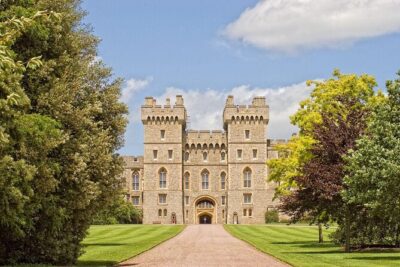
Stonehenge, Windsor Castle, and Bath from London
Read our review →
Stonehenge, Windsor Castle and Bath with Pub Lunch in Lacock
Read our review →
Buckingham Palace: The State Rooms Entrance Ticket
Read our review →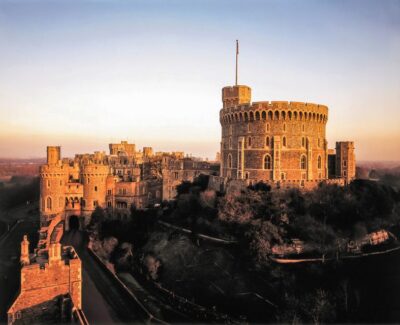

Edinburgh Castle: Guided Walking Tour with Entry Ticket
Read our review →
Stonehenge, Windsor Castle and Bath Full Day Guided Tour
Read our review →
Windsor Castle, Stonehenge, and Oxford Day Trip from London
Read our review →
Edinburgh Castle Guided Walking Tour in English
Read our review →Browse the lists this tour appears in