
Reviewed · HISTORICAL TOURS
Chatham: The Historic Dockyard Chatham Annual Ticket
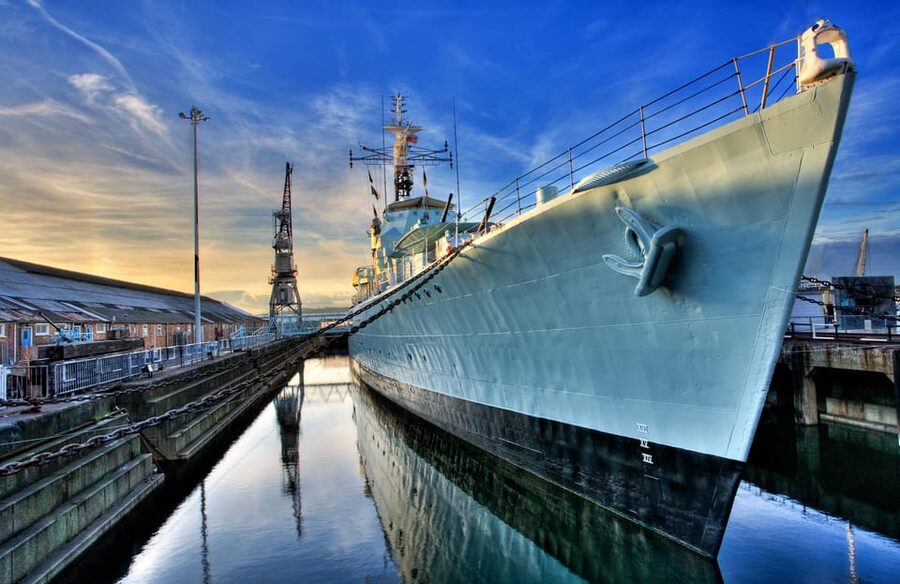
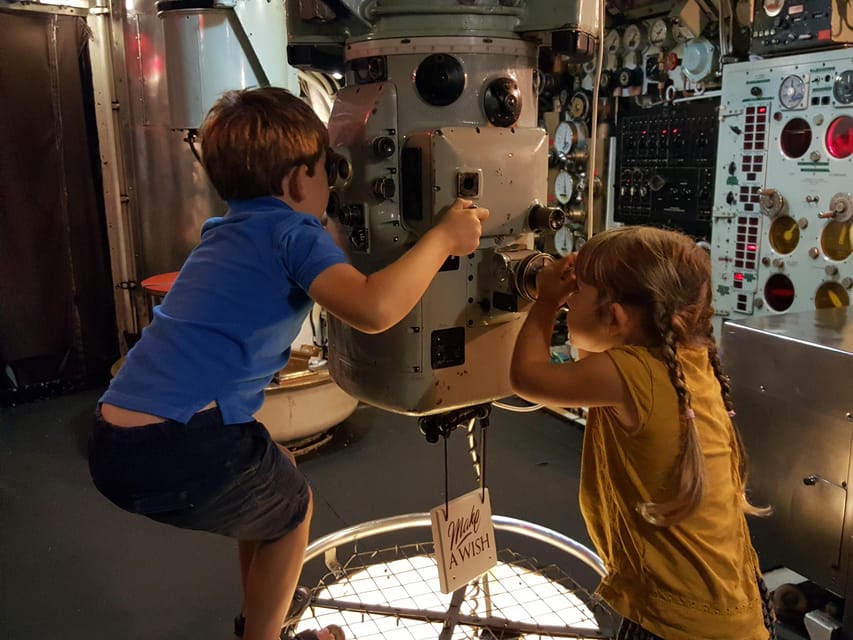
Chatham’s dockyard is not just a museum full of polished objects. It is a broad historic site where you can walk through old workshops, board warships, peer through a submarine periscope, and watch rope being made on a quarter-mile ropery that has worked since 1618. The best part is the sense of place: you are exploring the actual dockyard where ships were built.
I especially like the working ropewalk, which turns an old trade into a clear, hands-on demonstration. I also like the chance to move between a Cold War submarine, a Second World War destroyer, and a Victorian sloop in one visit. The main drawback is size. Four hours is not enough for everything, and some people may feel that the site needs new attractions after a decade of little change.
Key points
- A full year of admission: Your ticket is valid for 365 days from first activation, making repeat visits part of the value.
- Three very different ships: Explore a Cold War submarine, a Second World War destroyer, and a Victorian sloop.
- The ropewalk is a must-see: Follow the long rope-making tradition dating from 1618.
- Command of the Oceans goes below floor level: An interactive exhibit reveals hidden details of an ancient ship.
- Large lifeboat collection: See the United Kingdom’s biggest collection of RNLI historic lifeboats.
- Plan more than four hours: The site has enough exhibits and ships to fill a full day, and possibly several visits.
A dockyard where the buildings tell the story
The Historic Dockyard Chatham gives you a useful sense of how a naval dockyard worked, not just what the finished ships looked like. You move through old industrial spaces, exhibition buildings, ship interiors, and working demonstrations. The result is more physical than a standard museum visit.
I like that the experience covers several centuries without forcing everything into one display. The Age of Sail appears in the dockyard buildings and shipbuilding exhibits. Victorian industry comes alive in the ropewalk. Twentieth-century naval warfare is represented by the destroyer and submarine.
You should allow at least a full day if you want to see the site without rushing. One four-hour visit can cover the main ships and a few exhibitions, but it will probably leave the rope-making museum, lifeboats, or No. 1 Smithery for another time.
The annual ticket changes the way you plan. At $37 per person, it is not the cheapest short museum visit, but it is easier to justify if you can return. The ticket is valid for 365 days after first activation, so local residents, families, and anyone staying nearby can spread the visit across several days.
More history walks in England:
- Portsmouth: Historic Dockyard Ultimate Explorer Ticket
★ 4.8 · 1,052 reviews - Chatham Historic Dockyard: Call the Midwife Tour
★ 4.6 · 216 reviews - Durham History Tour
★ 5.0 · 70 reviews
Boarding three ships from three eras
The ships are the heart of the visit. Each one gives you a different idea of naval life, and the contrast is more useful than seeing three similar vessels.
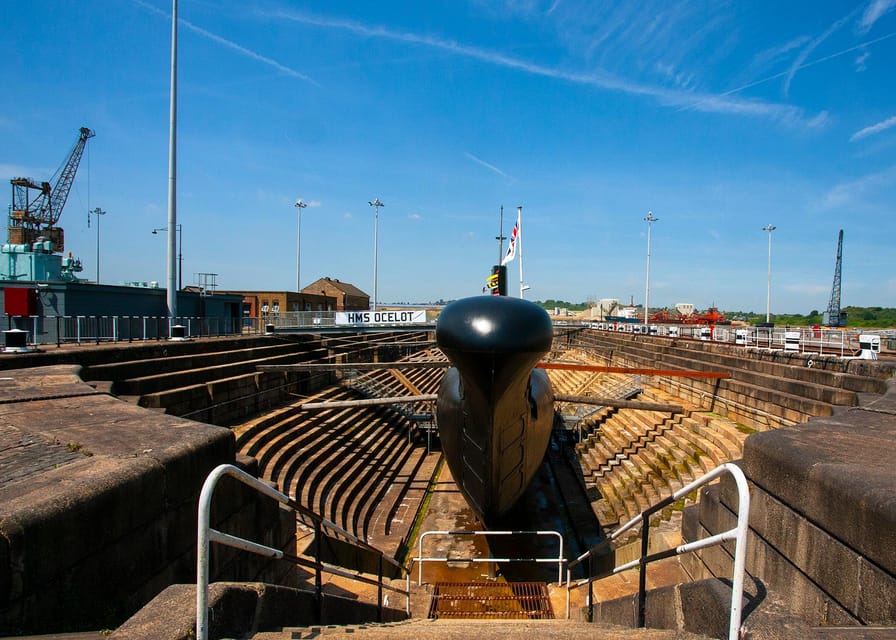
The Cold War submarine is the most confined and technical of the three. You can peer through the periscope and walk through spaces designed for life underwater. The submarine experience is likely to appeal most to anyone interested in military technology, but it can feel tight if you dislike narrow interiors.
One especially useful feature is the chance to explore Ocelot. A former submariner found the civilian guide’s knowledge impressive and was able to add personal stories about life aboard this class of submarine. That tells you something about the tone of the visit: guides are not simply stationed at signs. They can add context and engage with visitors who already know the subject.
Next comes the Second World War destroyer. The bridge gives you a chance to imagine the practical work of controlling a warship, rather than simply looking at it from the dock. I would take your time here and notice the difference between the command spaces and the cramped working areas below.
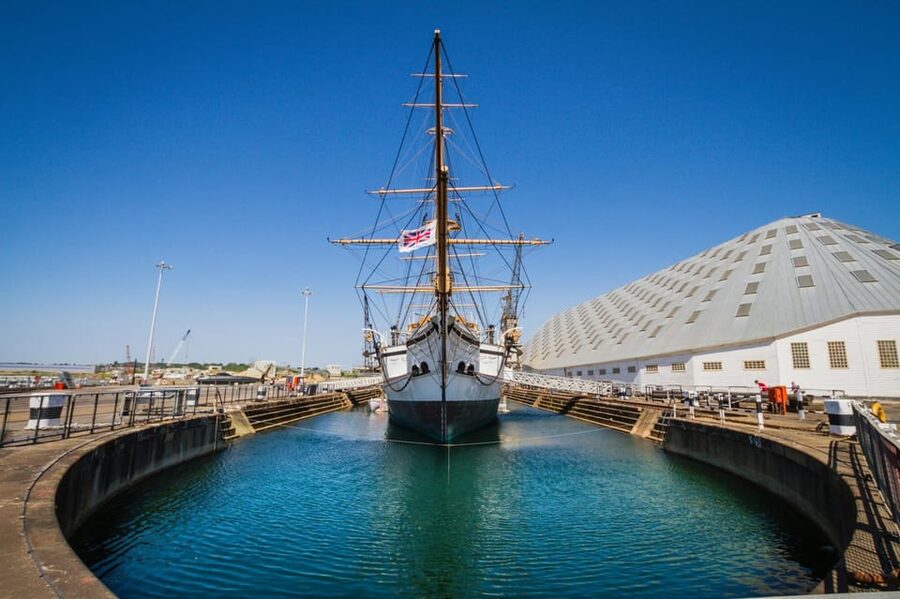
The Victorian sloop offers a different mood. Ringing the ship’s bell on deck is a small detail, but it makes the ship feel more approachable, especially for children. It also helps show how naval life changed from the age of sail to the powered vessels of the twentieth century.
The three ships work well together because they present progression. You see sailing tradition, wartime naval power, and the hidden machinery of submarine warfare in one ticket.
The ropewalk is the visit’s strongest stop
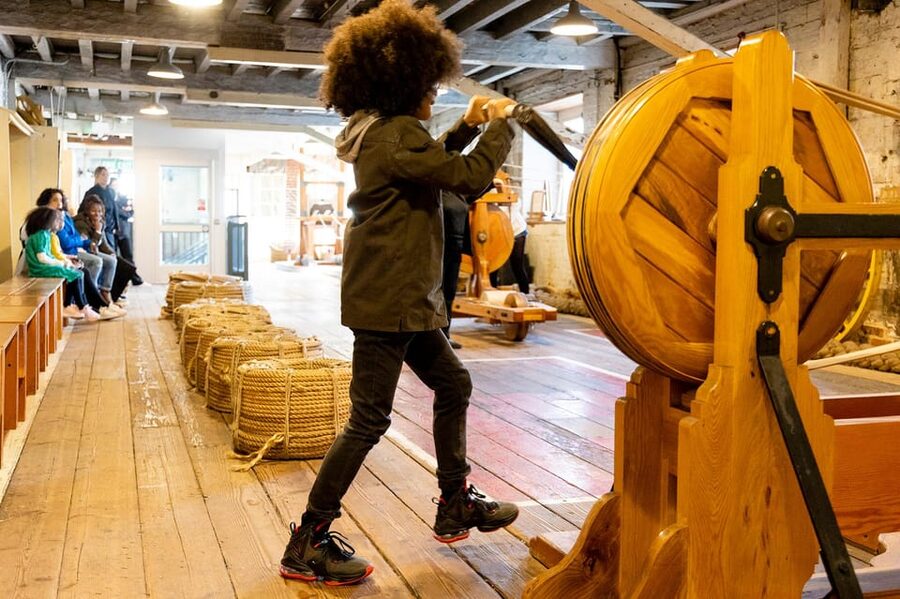
The rope-making operation deserves priority. The quarter-mile-long ropery has been used for making rope for British ships since 1618, and its length is part of the story. This is not a small display of rope samples. It is a place where you can understand why dockyards needed large, specialized buildings.
The demonstration shows how separate strands become a strong rope. You can see why the process required skill, space, and careful control. The rope-making museum adds background, while the working operation gives you something to watch and remember.
I would head here earlier rather than leave it until the final hour. The ropewalk was singled out as a highlight by people who had visited the dockyard, and one visitor made it the main reason to return. It is the kind of exhibit that works for adults who enjoy industrial history and for children who want to see something happen in front of them.
This is also where Chatham feels most authentic. You are not only reading about a vanished trade. You are following the route and machinery connected to the work itself.
Command of the Oceans and the ship beneath your feet
Command of the Oceans is an interactive exhibition that reveals hidden details of an ancient ship below the floor. That idea gives the exhibit a useful physical twist. Instead of viewing a ship only from the outside, you can consider how its lower structure, construction, and working spaces fit together.
The exhibit helps connect the dockyard to the age when Britain’s naval power depended on wooden ships, skilled labor, and large-scale supply systems. It also gives younger visitors a more active way to approach the subject than a row of labels.
I would pair this exhibition with the ropewalk and the Victorian ship. Together, they explain the materials and trades behind sailing vessels. The warships then show how those traditions developed into modern naval technology.
A few more half-days in England worth comparing
- Thorpe Park Admission Ticket
★ 4.0 · 5,915 reviews - Alton Towers Resort 1 Day Admission Ticket
★ 3.5 · 5,501 reviews - Warwick Castle Admission Ticket
★ 4.0 · 2,096 reviews - The Great British Rock and Roll Walking Tour
★ 5.0 · 1,371 reviews
Lifeboats and No. 1 Smithery
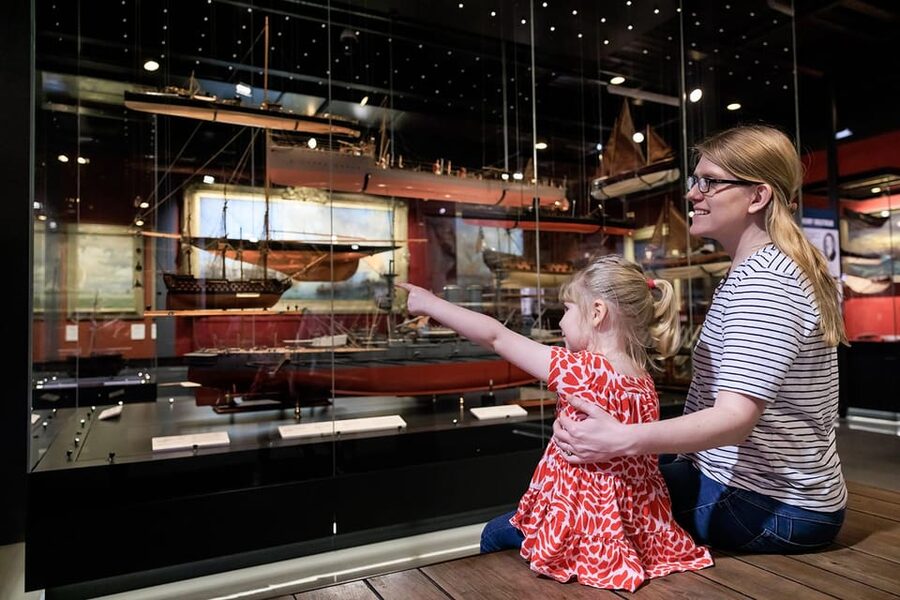
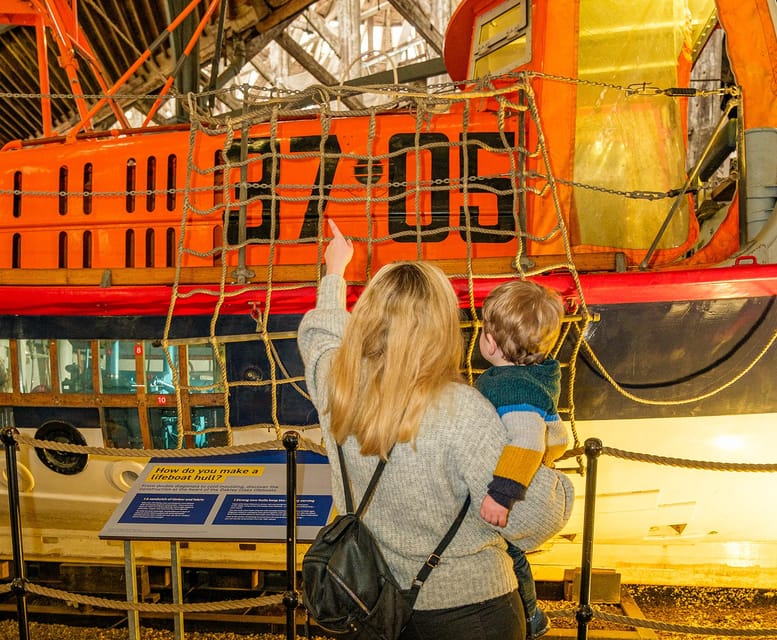
The RNLI historic lifeboat collection gives the visit a different human focus. These boats are smaller than the warships, but they represent rescue work rather than naval power. You can wander through the United Kingdom’s biggest collection of RNLI historic lifeboats and see how lifeboat design changed over time.
The collection is a good choice if you want a break from military history. It also helps balance the dockyard’s story. The site is not only about ships built to fight or transport power. It is also about vessels built to save people in dangerous conditions.
No. 1 Smithery adds another change of pace. The building presents collections from Royal Museums Greenwich and Imperial War Museums, creating a broader setting for objects connected with maritime and military life. It is a useful stop when you want more display-based museum time after walking through ship interiors.
The combination of lifeboats and Smithery makes the ticket work for mixed groups. One person can focus on naval history, another on rescue boats, and someone else on design, objects, or industrial work.
The restored dockyard and the value of guides
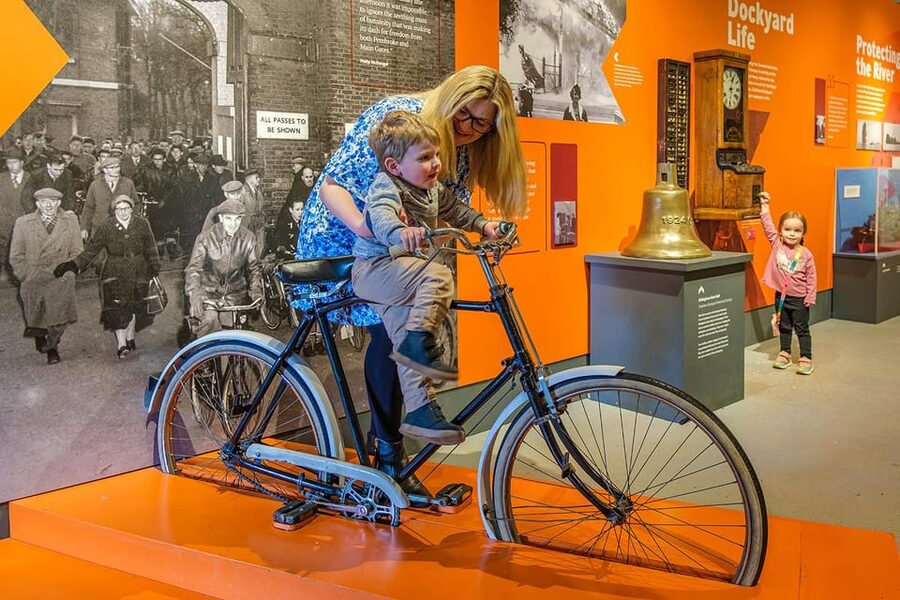
The buildings are a major part of the experience. You are walking through a secure dockyard that was closed to ordinary people for generations. The restoration helps you picture the site as a place of skilled labor, naval supply, and controlled access.
The staff add real value. Guides are described as cheerful, informative, and present in good numbers around the site. That matters because a large historic complex can otherwise feel confusing. A guide who can explain what you are seeing saves you from reading every sign before you understand the basic layout.
You should still expect to do some self-guided exploring. English is the stated language, and no other guide language is provided. If you need information in another language, plan around that limitation.
The friendly approach also seems to work for people with different levels of knowledge. You can ask basic questions without feeling out of place, while someone with experience aboard submarines can add personal observations and have a more detailed conversation.
How long you need and how to plan your day
Treat this as a full-day attraction, not a quick stop. Four hours can give you a rewarding introduction, but it is unlikely to cover the ships, ropewalk, submarine museum, lifeboats, Smithery, and temporary exhibitions at a comfortable pace.
A practical order would be:
- Start with the three ships, while you have plenty of energy for ladders, narrow passages, and uneven movement through historic interiors.
- Visit the ropewalk next, giving yourself time for the demonstration and museum.
- Continue to Command of the Oceans and No. 1 Smithery.
- Finish with the RNLI lifeboats and any temporary exhibition you have not yet seen.
The order can change around scheduled activities, but this sequence prevents the most distinctive parts from being squeezed into the last hour. School holiday activities are included, which can help families give younger children a change from ship interiors and exhibition text.
There is a play area for children, along with a place to stop for a hot drink. Food and music have also been part of some visitors’ experiences, though the supplied information does not establish a regular dining program or fixed entertainment schedule. I would treat those as possible extras, not the reason to book.
Parking is not included. Factor that into your budget before you arrive, since the $37 price covers entry rather than every cost connected with the visit.
Is the $37 annual ticket good value?
For one rushed visit, $37 may feel high. The site is large, and you may not reach every attraction in one day. If you are staying close by or can return during the year, the value improves sharply because the same ticket is valid for 365 days.
The annual access is especially useful for families. A first visit can focus on the ships and ropewalk, while a second can cover lifeboats, Smithery, and temporary displays at a slower pace. You also have a reason to return during school holidays for included activities.
The ticket includes permanent and temporary exhibitions, so you are not limited to the basic dockyard grounds. Still, attractions can change over time, and one criticism is that the site has added few new attractions in roughly a decade. If you have visited before, the annual ticket is most appealing when you value repeat access, special activities, or another chance to see exhibits you missed.
The price also makes more sense for people who enjoy history in physical form. If you only want a short museum visit, you may not use enough of what you paid for. If you like ships, engineering, military history, industrial work, or family activities, the day offers much more.
Who will enjoy Chatham most?
I would recommend Chatham to families with school-age children, adults interested in naval history, former service members, and anyone who enjoys working museums rather than quiet galleries. The submarine and destroyer have obvious appeal, while the ropewalk gives the visit a strong industrial side.
It is also a good choice for two couples or mixed-age groups. You can split your attention between ships, lifeboats, exhibitions, and the old dockyard buildings instead of asking everyone to follow one narrow theme.
People with limited walking stamina should plan carefully. The site is broad, and the ships involve movement through historic spaces. The attraction is wheelchair accessible, but access inside individual vessels and older buildings can vary. Ask staff on arrival if you need the most practical route.
The dockyard suits repeat visits better than a one-time checklist. If you want to see every major area, do not arrive late and assume a few hours will be enough.
Booking flexibility and practical details
You can cancel up to 24 hours in advance for a full refund, and the reserve-now, pay-later option lets you hold your plans without paying immediately. These terms are useful if your schedule is uncertain.
The host or greeter service is in English, and the activity is listed as wheelchair accessible. Parking is not included, so make separate arrangements for that cost.
One small practical issue has been reported with voucher exchange. Although the ticket showed a barcode, an attendant had to enter the details manually, causing a short delay. I would allow a little extra time at entry rather than planning your first exhibit down to the minute.
Should you book the Historic Dockyard Chatham ticket?
Book it if you want a substantial maritime attraction and can give it most of a day. The strongest reasons are the ropewalk, the three very different ships, the lifeboat collection, and the fact that you can return for a full year.
I would be less enthusiastic if you are looking for a small, fast museum or if you have visited recently and want many new attractions. The site’s size can feel demanding, and a single visit may leave you wishing you had planned a second day.
For most people interested in ships, dockyards, engineering, or British naval history, I think the annual ticket is a sound buy. Go early, put the ropewalk near the top of your list, and save enough time for the submarine rather than treating it as a quick add-on.
FAQ
How long is the Chatham Historic Dockyard ticket valid?
The ticket is valid for 365 days from first activation.
What is included with the ticket?
Entry to The Historic Dockyard Chatham, access to temporary and permanent exhibitions, and school holiday activities are included.
Are the historic ships included?
Yes. The experience includes access to three historic warships: a Cold War submarine, a Second World War destroyer, and a Victorian sloop.
Can I see a submarine?
Yes. You can explore the Cold War submarine Ocelot and peer through its periscope.
Is the rope-making museum included?
Yes. The rope-making museum and the rope-making operation are part of the dockyard visit.
Is parking included?
No. Parking is not included in the ticket price.
Is the dockyard wheelchair accessible?
The activity is listed as wheelchair accessible.
Can I cancel my booking?
You can cancel up to 24 hours in advance for a full refund. You can also reserve now and pay later.
Just added in England
- British Museum Highlights Private Guided Tour★ 5.0 · 29 reviews
- Heathrow Airport to Southampton Port or Hotel Private Airport Arrival Transfer★ 5.0 · 45 reviews
- Heathrow To Southampton Cruise Port Transfers★ 4.5 · 110 reviews
- Private Guided Tour of the British Museum★ 5.0 · 50 reviews
- British Royal 3 Hour Walking Tour!★ 4.5 · 53 reviews
- British Museum Guided Tour with Priority Timeslots(Small Group)★ 5.0 · 192 reviews
- British Museum In-Depth Private Guided Tour★ 5.0 · 40 reviews
- Explore Biblical Artifacts at the British Museum★ 5.0 · 120 reviews
Historical Tours, compared.

A History of Terror – Belfast City Centre Walking Tour
Read our review →
Old Town Walking Tour History and Tales in Edinburgh
Read our review →


Shadows of York: Ghost Walk and Horrible History.
Read our review →
Multi-Sensory Small-Group Historic Vaults Tour in Edinburgh
Read our review →
Browse the lists this tour appears in