
Reviewed · WALKING TOURS
Cambridge: University Walking Tour
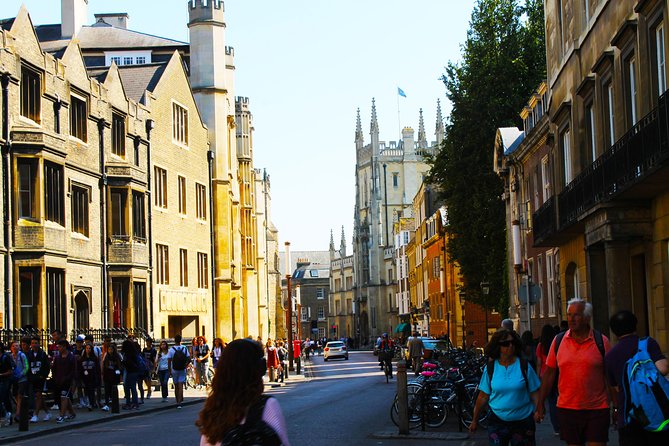
Cambridge reveals its best stories when you slow down and look up. This two-hour walking tour links college buildings, clocks, laboratories and churches with the ideas that shaped the university and the wider world, from Isaac Newton’s science to William Wilberforce’s campaign against the slave trade.
I like the small groups of up to 15 and the strong storytelling from guides such as Dave, Ian, Jon and John. I also like that the Round Church exhibition and 23-minute film are included. The main drawback is that college entry is never guaranteed, and the walk can move at a moderate to fast pace.
Key points
- Christian roots with a wider view: Learn how Cambridge grew from Christian foundations and how faith, reform and religious freedom influenced its development.
- Famous names with useful context: Hear about Isaac Newton, John Milton and William Wilberforce, not as isolated celebrities but as people tied to major changes in science, politics and society.
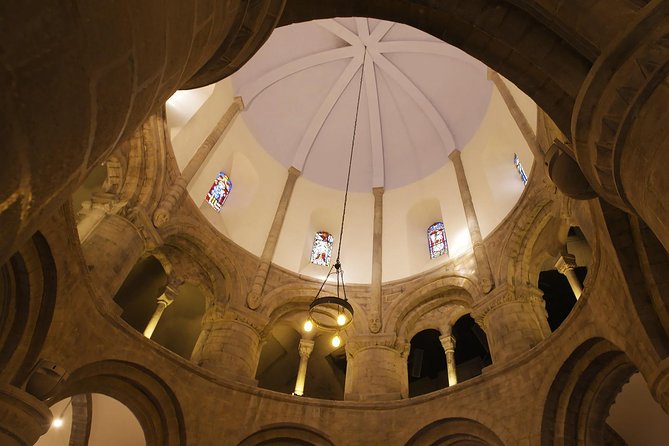
- Round Church entry included: Start inside this unusual historic church, with access to its exhibition and film when opening times allow.
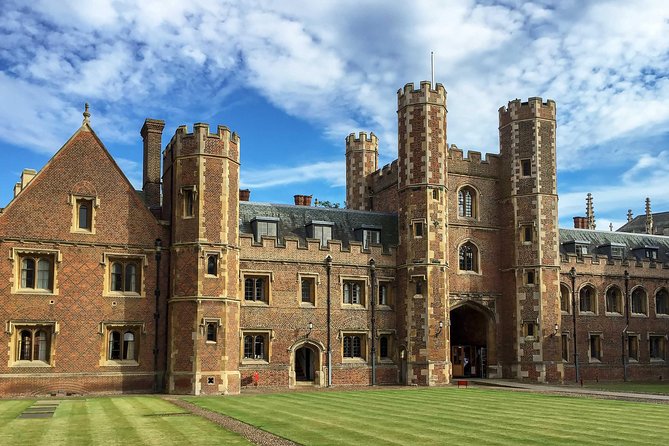
- Central Cambridge landmarks: See the Senate House, Corpus Clock, Cavendish Laboratory and other university sites on foot.
- Small-group format: A maximum of 15 people gives you a better chance to hear the guide and ask questions.
- Plan for college restrictions: Entry into one or two colleges may be possible, but exams, opening hours and college rules can change the route.
Cambridge explained through ideas, not just buildings
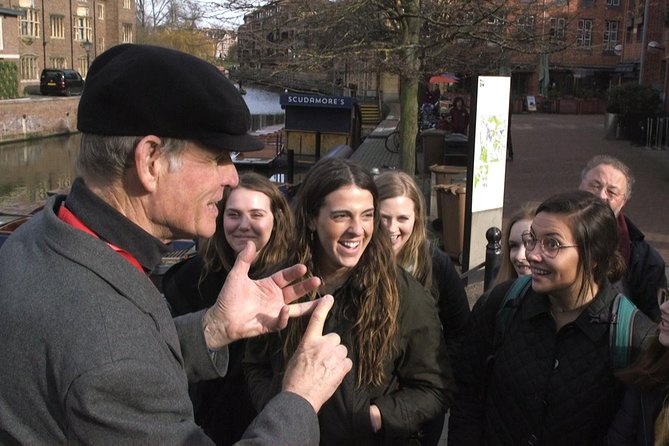
Many Cambridge walks point out grand college gates and leave you with a handful of names. This one takes a different route through the city’s past. The guide uses Cambridge to explain how a small number of big ideas shaped eight centuries of university life.
That means you are not only told what a building is. You are shown how the university grew from Christian monasteries, how the Protestant Reformation changed England, how modern science took shape, and how arguments about law and religious freedom spread far beyond Cambridge.
The Christian focus is clear. This is not a neutral architecture tour with a brief mention of religion. Yet you do not need to be religious to enjoy it. The subject is treated as part of the forces that shaped England, Europe and the wider world.
One of the strongest points is the way the tour connects people to change. Isaac Newton represents the growth of modern science. John Milton opens a window onto literature and political thought. William Wilberforce connects Cambridge to the campaign to abolish the British slave trade.
You get a more useful picture of the university when these figures are placed in their setting. The tour asks how Cambridge’s saints, sinners, sceptics and scholars affected life beyond the college walls. That gives the walk a purpose beyond collecting photographs.
More Walking Tours in Cambridge
- Cambridge University Walking Tour by Alumni™ Kings College Option
★ 5.0 · 2,336 reviews - Cambridge: Alumni-Led Walking Tour w/ King’s College Option
★ 4.8 · 1,177 reviews - Cambridge Walking & Punting Tour by Alumni™ King’s College Option
★ 4.5 · 698 reviews
Starting inside the Round Church
Meet inside the Round Church at 2:15pm on Wednesdays, Thursdays, Fridays and Saturdays. Go into the church itself and check in at the welcome desk before the walk begins. This detail matters because the meeting point is not simply a spot outside on the pavement.
The Round Church is also part of the tour rather than just a place to gather. Admission includes its exhibition and a 23-minute film, subject to opening times. Allow a little extra time before or after the walk if you want to see these properly.
The church gives the tour a fitting start. Its inclusion makes the Christian heritage theme concrete before you begin walking around the university. You are not hearing about Cambridge’s religious foundations in the abstract. You are beginning in a historic church with material to help explain them.
The exact visit order can vary. The stated duration is 90 to 120 minutes, so do not plan a train departure too close to the advertised finish. One participant had to leave near the end to catch a train, a useful warning if you are making Cambridge a day trip.
Senate House and the ceremonial heart of Cambridge
The Senate House is one of the key stops on the route. It is closely tied to the formal life of the University of Cambridge, making it a useful place to discuss how the university works as an institution rather than just as a collection of old buildings.
Your guide will use sites such as this to explain Cambridge’s growth and influence. Expect the emphasis to be on what happened here and why it mattered, not only on architectural details.
This is one reason a guided walk earns its $22 price. You can photograph the Senate House on your own, but you are unlikely to understand the connections between the university, the church, politics and science by simply wandering past it.
The tour is also useful for getting your bearings. Cambridge’s central streets can feel like a series of college walls, courtyards and gateways. A guide helps turn those separate sights into a connected story, so you can return later to the places that interest you most.
The Corpus Clock and Cambridge’s stranger side
The Corpus Clock gives the walk a change of tone. Cambridge is not only solemn chapels, academic traditions and famous scholars. It also has curious inventions and visual details that reward a closer look.
The clock is one of the most memorable modern additions to the old university setting. It gives the guide an opening to discuss Cambridge’s interest in science, time and invention, while also offering a welcome break from dates and religious history.
Expect the guide to add the sort of local detail that is easy to miss alone. The most praised guides, including Dave, Ian, Jon and John, are described as clear, friendly and happy to handle questions. That matters at a stop like this, where a short explanation can make a strange object much more interesting.
The route is not a rapid checklist. You will stop to listen, and there may be some standing while the guide explains a site. In cold weather, dress warmly. One useful tip from the practical side of the tour is to plan for chilly pauses, not only the walking between them.
Same trip, a completely different kind of day:
- Cambridge University With Alumni: Optional Kings College Entrance
★ 5.0 · 1,987 reviews - Punting Tour in Cambridge
★ 4.5 · 1,690 reviews - Cambridge: Guided River Cam Punting Tour
★ 4.7 · 1,469 reviews - Cambridge: University Alumni Tour with Kings College Option
★ 4.7 · 1,282 reviews
Cavendish Laboratory and the rise of modern science
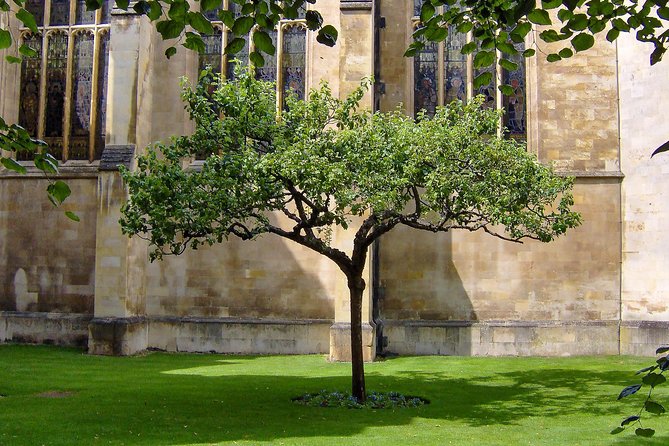
The Cavendish Laboratory brings the story into the world of science. It helps show how Cambridge moved from medieval and Christian foundations into a center of modern research and discovery.
This is where the tour’s broad approach works well. Isaac Newton is not presented simply as a famous Cambridge name. His story is part of a larger discussion about how science developed, how people tested old ideas and how knowledge gained at Cambridge affected the rest of the world.
You will not receive a full science lecture in a two-hour city walk. Instead, the stop gives you a clear sense of how the university’s intellectual life changed over time. It also prevents the tour from becoming only a study of churches, monarchs and college traditions.
If science and invention are your main interests, you may want more time than this tour can offer. The Cavendish Laboratory is one stop in a larger story, not a laboratory visit or a specialist science tour. Still, it adds needed range to the afternoon.
Cambridge’s people and the ideas they carried outward
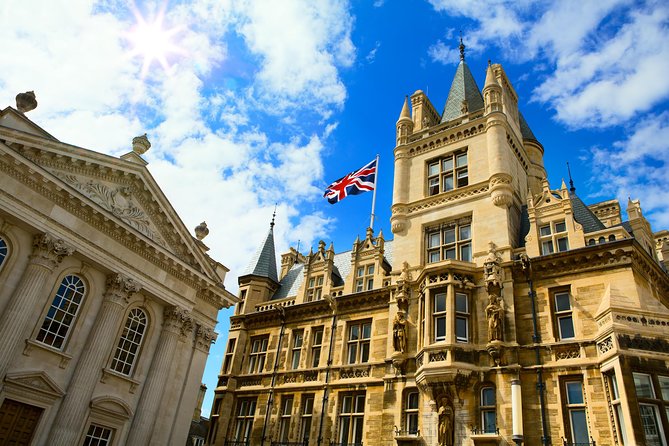
The named figures give the walk its human scale. John Milton links Cambridge with poetry, religion and political thought. Isaac Newton connects the university to mathematics and modern science. William Wilberforce brings the discussion to law, ethics and the long fight to end the British slave trade.
The tour also covers movements for the rule of law and religious freedom. These subjects make Cambridge feel less like a sealed academic world. The university becomes part of the arguments that shaped British public life.
I especially like this approach for first-time visitors. You do not need to remember every date or college name. The larger themes give you something to hold on to: how religious change affected institutions, how science challenged accepted ideas, and how educated people helped push political reform.
The Christian heritage emphasis may be more central than some people expect. If you want a tour focused mainly on architecture, college gossip or student traditions, this may not be your first choice. If you want to understand how belief and ideas influenced Cambridge, it is a strong fit.
The guides also add personality. Dave is repeatedly praised for his clear delivery, humor and ability to answer questions. Ian is described as engaging and easy to listen to, while Jon is noted for involving the group and creating a relaxed atmosphere. Individual guides will differ, but the format allows room for conversation rather than a fixed audio script.
College entry: a useful bonus, not a promise
The tour may enter approximately one or two colleges, subject to opening arrangements. This can be a major benefit because college courtyards and interiors are among Cambridge’s most sought-after sights.
You should treat this as a possibility rather than the main reason to book. College access is not guaranteed, and no colleges can be entered during the university exam term, from late April through the end of June. Opening rules can also affect the route at other times.
That uncertainty is not necessarily a flaw in the tour. Cambridge colleges are working institutions with their own schedules and restrictions. It does mean you should avoid booking this walk if your entire plan depends on seeing a specific college interior.
The route may change slightly from the standard example. A good guide can still make the walk worthwhile by explaining the surrounding streets, buildings and people. If you want guaranteed college access, check the current arrangements before paying and consider a separate college admission if available.
Dogs are allowed, but people bringing dogs must remain outside any colleges visited because of college rules. Assistance dogs are permitted. Pushchairs can use the route, but the tour is not wheelchair accessible.
What the two hours feel like on foot
The walk covers Cambridge at a moderate to fast pace. You should be comfortable walking for up to two hours and standing while the guide speaks. Wear comfortable shoes, bring water and carry weather-appropriate clothing.
This is not a slow café-to-café stroll. The route is designed to cover several important sites and ideas in a limited time. The pace will suit you if you want a strong introduction before exploring Cambridge on your own.
The duration can vary from 90 to 120 minutes. That flexibility allows the guide to answer questions and adapt to the group, but it also means you should keep your afternoon open. A two-hour booking is a sensible way to plan.
Children under 16 must be with a responsible adult. Unaccompanied minors are not accepted. Smoking, pets other than permitted assistance dogs, and audio recording are not allowed.
The route is pushchair accessible, but not wheelchair accessible. People with mobility impairments may find the walking pace and standing difficult. Check this carefully before booking rather than assuming a central city walk will be easy for everyone.
Is $22 good value?
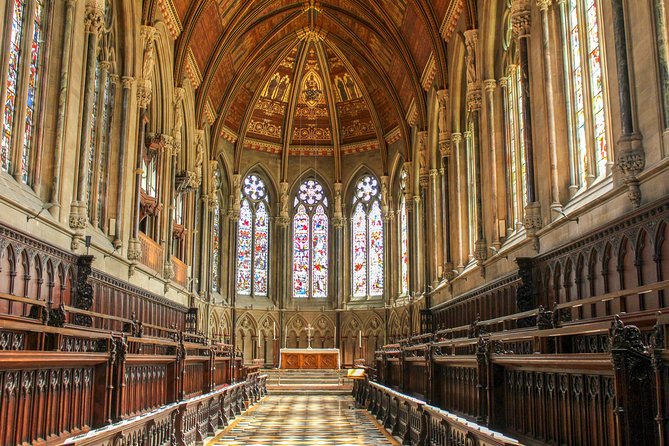
At $22 per person, the tour is reasonably priced for a small-group walk with a live guide, entry to the Round Church, its exhibition and film, and the possibility of visiting one or two colleges.
The value comes mainly from the guide. Cambridge is attractive enough to fill an afternoon with photographs, but the university’s meaning is harder to grasp without context. A good guide turns buildings into a connected story and saves you from spending your visit only taking pictures from outside gates.
The group limit of 15 is another advantage. You are more likely to hear clearly, ask a question and stay connected to the guide than you would in a large street tour. Group size can vary, but the stated maximum keeps the format personal.
It is less good value if you want guaranteed college interiors, a very slow pace or a tour devoted only to architecture. It is also less suitable if you have a tight train connection or do not enjoy a Christian heritage theme.
Free cancellation up to 24 hours before the start and the option to reserve now and pay later make planning easier. A walk may be cancelled if fewer than two people book, so check the status of your reservation if your plans depend on it.
Who will enjoy this Cambridge walk?
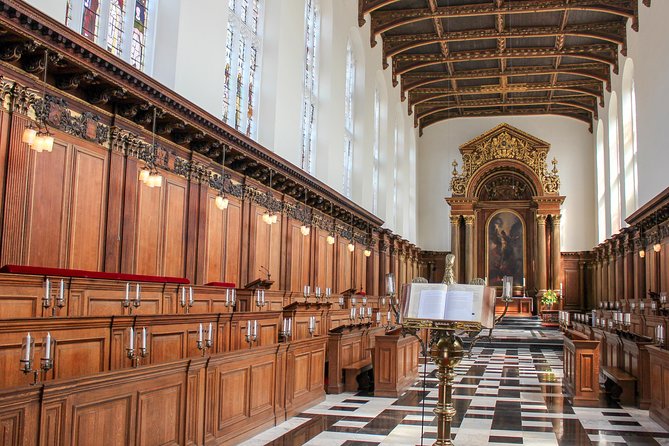
I would choose this tour for a first visit to Cambridge, especially if you want the city to make sense rather than simply look pretty. It works well for adults, older children with an interest in history, and anyone who enjoys stories about science, religion, politics and reform.
It also suits a day trip. The central route gives you an introduction in one afternoon, after which you can explore independently with a better sense of what you are seeing. One practical advantage is that the tour can prevent a short visit from becoming a series of disconnected photographs.
History and architecture fans should find plenty to hold their attention. So should people interested in the influence of Christianity on British society. You do not need to share the tour’s religious viewpoint to find the subject useful, but you should be comfortable with religion being a central part of the story.
I would hesitate if you need step-free, wheelchair-friendly access, dislike standing outdoors, or want a guaranteed college interior. I would also allow extra time if you plan to catch a train afterward.
Should you book the Round Church Guided Walk?
Book it if you want a clear, thoughtful introduction to Cambridge and like the idea of connecting university buildings with science, religion, reform and famous people. The small group, included Round Church entry and strong local guides make $22 a fair price.
Do not book it solely for college access, since that can change or disappear during exam term. Go with warm clothing, comfortable shoes and an open afternoon. For most first-time visitors, this is a useful way to see more than the postcard version of Cambridge and then continue exploring on your own.
FAQ
Where does the Cambridge University Walking Tour meet?
The tour meets inside the Round Church Visitor Centre. Go into the Round Church and check in at the welcome desk before the scheduled start.
What time does the tour begin?
Walking tours meet at 2:15pm on Wednesdays, Thursdays, Fridays and Saturdays.
How long does the tour last?
The walk lasts between 90 and 120 minutes, and it is generally described as a two-hour activity.
What language is the tour in?
The live guided tour is in English.
How much does the tour cost?
The listed price is $22 per person.
Is entry to the Round Church included?
Yes. The tour includes entry to the Round Church, its exhibition and a 23-minute film, subject to opening times.
Will the tour enter Cambridge colleges?
The tour aims to enter approximately one or two colleges when access is available, but college entry is not guaranteed. No college entry is possible during university exam term from late April through the end of June.
Is the walk suitable for wheelchair users?
No. The route is pushchair accessible but not wheelchair accessible, and the activity is not suitable for people with mobility impairments.
Can children join the tour?
Children under 16 must be accompanied by a responsible adult. Unaccompanied minors are not allowed.
What should I bring?
Bring comfortable shoes, water, a camera and clothing suited to the weather. Dress warmly in cold conditions because parts of the walk involve standing outside.
Can I bring a dog?
Dogs are allowed, but visitors with dogs must remain outside any colleges visited because of college restrictions. Assistance dogs are allowed.
Can I cancel the booking?
You can cancel up to 24 hours in advance for a full refund. You can also reserve now and pay later.
Just added in Cambridge
- From London: Cambridge Day Trip Including Tour Guide★ 4.4 · 33 reviews
- Cambridge: Ghost Tour Led by University Alumni Guide★ 4.5 · 108 reviews
- Cambridge: 2-Hour Private University Walking Tour★ 4.9 · 28 reviews
- Cambridge: Chauffeured Punting Tour★ 4.9 · 123 reviews
- Cambridge: Punting Tour on the River Cam★ 4.6 · 276 reviews
- Cambridge: Guided Shared River Punting Tour★ 4.8 · 298 reviews
- Creepy Cambridge – Cambridge’s Most Entertaining Ghost Walk★ 5.0 · 366 reviews
- Cambridge: City Sightseeing Hop-On Hop-Off Bus Tour★ 4.4 · 520 reviews
Walking Tours, compared.
Underground Vaults Walking Tour in Edinburgh Old Town
Read our review →
Oxford University Walking Tour With University Alumni Guide
Read our review →
Edinburgh Castle: Guided Walking Tour with Entry Ticket
Read our review →
Edinburgh Castle Guided Walking Tour in English
Read our review →
Tour for Muggles The Ultimate Harry Potter Walking Tour in London
Read our review →
University and City Walking Tour with Alumni Guide
Read our review →
Edinburgh Darkside Walking Tour: Mysteries, Murder and Legends
Read our review →
Browse the lists this tour appears in