
Reviewed · DISTILLERY TOURS
Bombay Sapphire Gin Distillery Tour
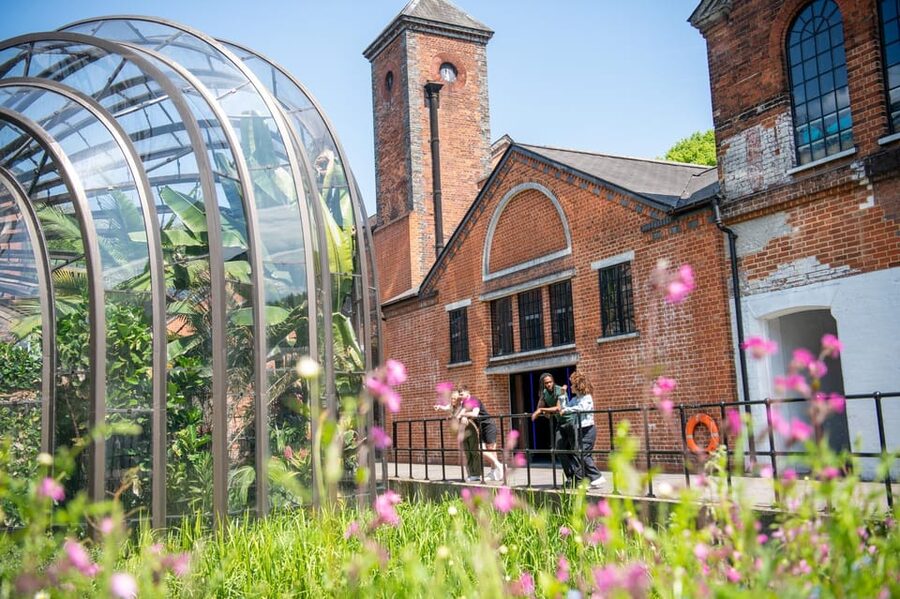
Bombay Sapphire’s appeal is not just the drink. It is the chance to see a working distillery inside a beautifully restored mill, where old red brick meets bold modern design. You begin with a self-made gin and tonic, then follow the botanical trail through glasshouses, scent stations, and the distillation rooms.
I like the tour’s tidy two-hour length and the way it connects the gin to Laverstoke Mill’s past, including its link to the Bank of England. I also like the small-group limit of six, which should make it easier to hear your guide and ask questions. The main drawback is that the tour is English only, and the complimentary drink is a single serving, not a full cocktail session.
Key points to know before you go
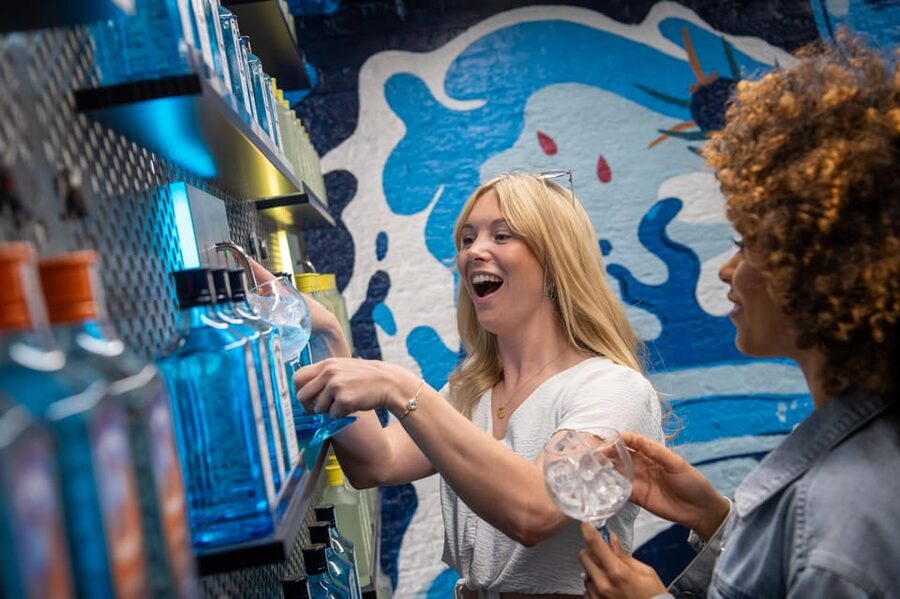
- Start at the Turbine Bar: Choose a Bombay gin and use the self-serve machine to make your included gin and tonic.
- Laverstoke Mill adds real character: You learn about the site’s industrial past as well as Bombay Sapphire.
- Ten botanicals shape the tour: The glasshouses and Botanical Dry Room turn flavor into something you can smell and compare.
- The distillation method is unusual: Your guide explains Bombay Sapphire’s vapor infusion process, a key part of its style.
- Small groups keep it personal: The experience is limited to six participants and lasts about two hours.
- Wear the right shoes: Closed-toe shoes are required, and high heels are not suitable for this working distillery.
Arriving at Bombay Sapphire’s Laverstoke Mill
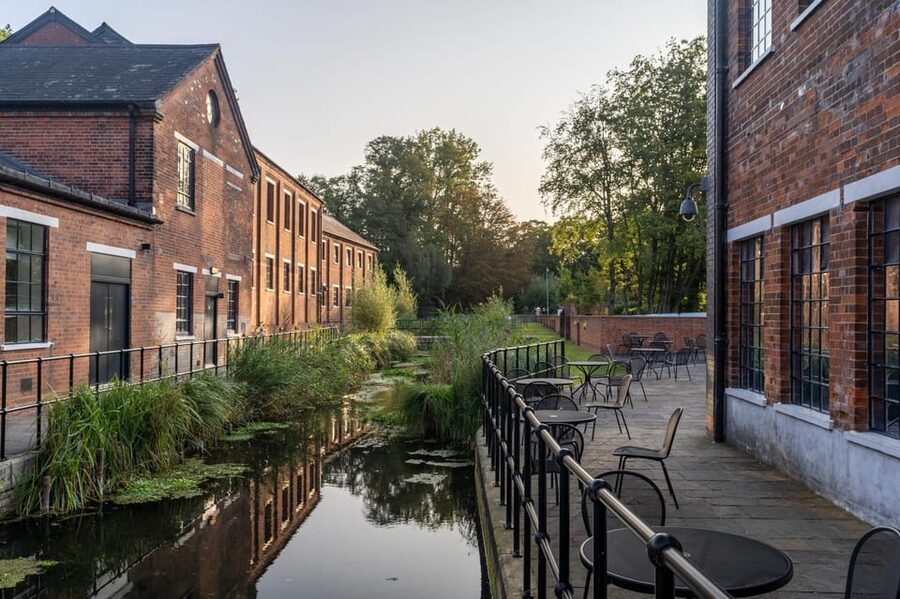
The setting does much of the work before the gin story even begins. Bombay Sapphire’s distillery occupies Laverstoke Mill in South East England, a historic red-brick site given a fresh purpose as a working gin distillery.
Your tour host explains how the mill developed and how its past connects with the Bank of England. That background matters because it keeps the visit from feeling like a simple branded tasting. You are learning about a place with its own industrial story, then seeing how Bombay Sapphire adapted it for modern production and public tours.
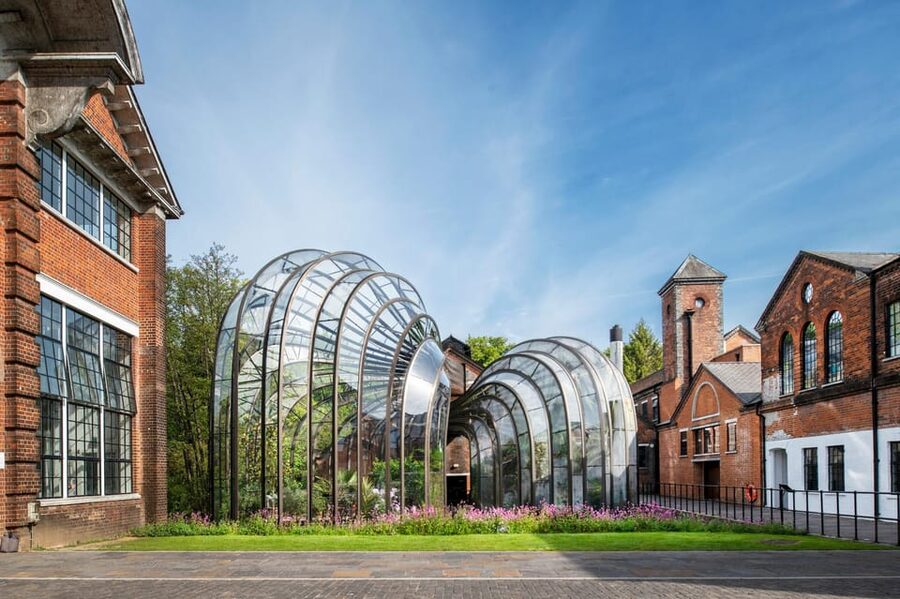
The architecture is one of the strongest parts of the visit. Heatherwick Studio’s design brings contemporary forms into the old mill buildings without wiping away their character. You get a clear contrast between aged brickwork and the modern spaces built for production, tasting, and interpretation.
Wear comfortable, closed-toe shoes from the start. Laverstoke Mill is a working distillery, so open-toed shoes and high heels are not allowed. Bring a passport or ID card as well.
More Distillery Tours in England
- Bombay Sapphire Gin Distillery Tour and Cocktail
★ 4.5 · 725 reviews - Bombay Sapphire Gin Cocktail Masterclass and Tour
★ 5.0 · 165 reviews - DropWorks Rum Tour – Largest Premium Rum Distillery in Europe!
★ 5.0 · 77 reviews
Your first drink at the Turbine Bar
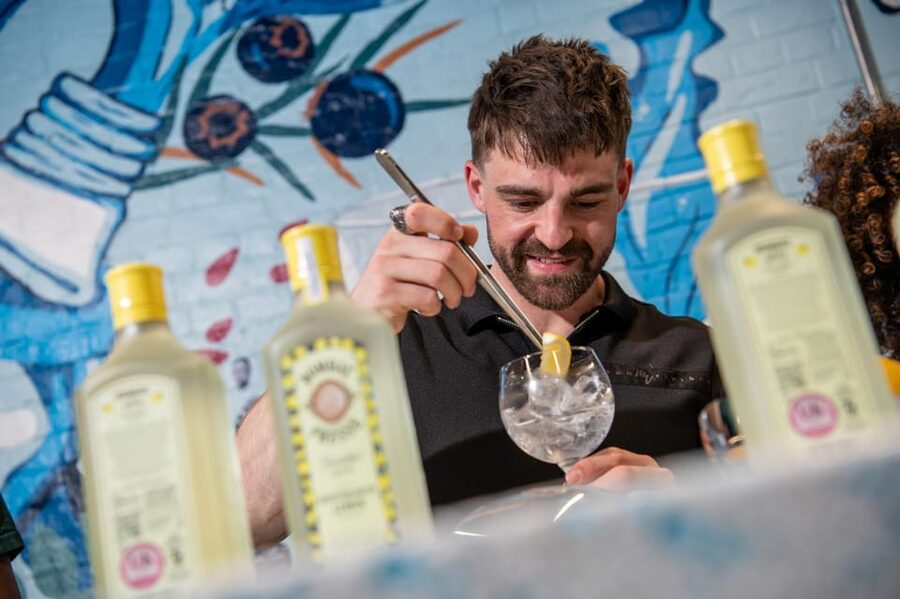
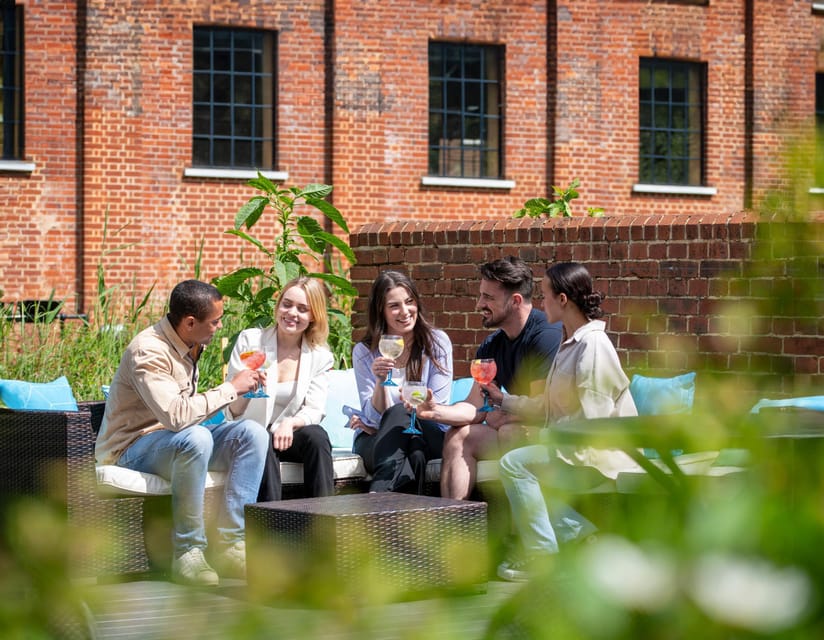
The visit begins at the Turbine Bar, where you choose a Bombay gin and prepare your own complimentary gin and tonic. The self-serve gin machines make this more than a drink handed across a counter. You get a small role in making it, which is a good way to settle in before the formal tour starts.
This opening drink also gives you a useful point of comparison. Pay attention to the aroma and taste before you learn how the botanicals are handled. Later, when you smell individual ingredients and hear about vapor infusion, you have already tasted the finished product.
One practical note: the included drink is not an unlimited tasting. One past visitor enjoyed the cocktail but wished it had been a double. If you are hoping for a long gin session, this tour may feel restrained. If you want one well-timed drink with a behind-the-scenes visit, it fits the bill.
The cinema room sets up the gin story
After the drink, you go to the cinema room for an introduction to Bombay Sapphire. This gives you the basic brand and production context before you walk through the distillery.
The room itself has been described as comfortable, which helps because the tour has several different stages. You are not standing in one production area for two hours. Instead, the experience shifts from bar to film, then to the glasshouses, sensory areas, and distillery spaces.
I appreciate this order. You first taste the gin, then get the broad explanation, and only after that look closely at the ingredients and method. It gives the rest of the visit a clear thread rather than presenting a jumble of facts.
The glasshouses and Bombay Sapphire’s ten botanicals
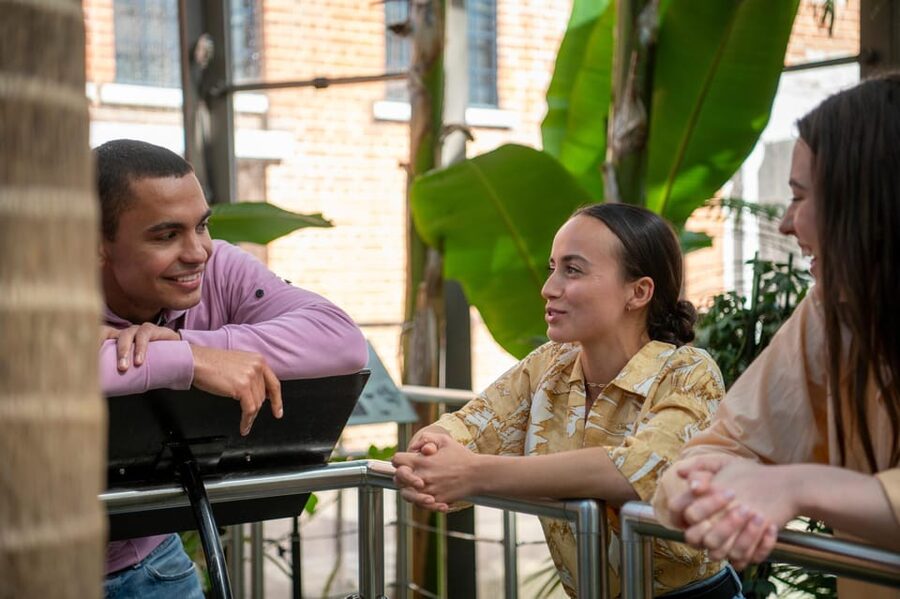
The glasshouses are where the gin becomes more tangible. Bombay Sapphire uses ten exotic botanicals, and your guide introduces you to them as part of the tour.
You should expect an explanation of how these ingredients contribute to the gin’s flavor and aroma. The point is not simply to memorize a list. It is to understand that gin is built from botanical choices, and that a change in those ingredients would alter the character of the final drink.
This is one of the most enjoyable sections if you like food, drink, or scent. You can connect what you smell in the botanicals with what you noticed in your first gin and tonic. The experience is more useful when you take your time here and compare the different aromas rather than rushing to the next room.
The glasshouses also strengthen the link between the product and the building. Instead of seeing only tanks and machinery, you see living botanical displays within a carefully designed historic setting. It gives the tour a welcome sense of place.
Same trip, a completely different kind of day:
- Thorpe Park Admission Ticket
★ 4.0 · 5,915 reviews - Alton Towers Resort 1 Day Admission Ticket
★ 3.5 · 5,501 reviews - Warwick Castle Admission Ticket
★ 4.0 · 2,096 reviews - The Great British Rock and Roll Walking Tour
★ 5.0 · 1,371 reviews
The Botanical Dry Room turns taste into a personal test
The Botanical Dry Room is a sensory stop where you explore your own flavor preferences. Your host helps you work through the aromas and identify the kinds of notes that appeal to you.
This is a smart part of the tour because taste is personal. A guide can explain the production method, but the Botanical Dry Room lets you decide what you like. You may prefer brighter, spicier, earthier, or more aromatic notes, and the exercise gives you a way to think about those differences.
It is also one of the more playful sections. The smell-based activity breaks up the history and technical information, and it gives you something active to do rather than simply listen. If you have a weak sense of smell or do not care much about flavor details, this may feel less important. For most people, it adds a welcome hands-on element.
Seeing the vapor infusion process
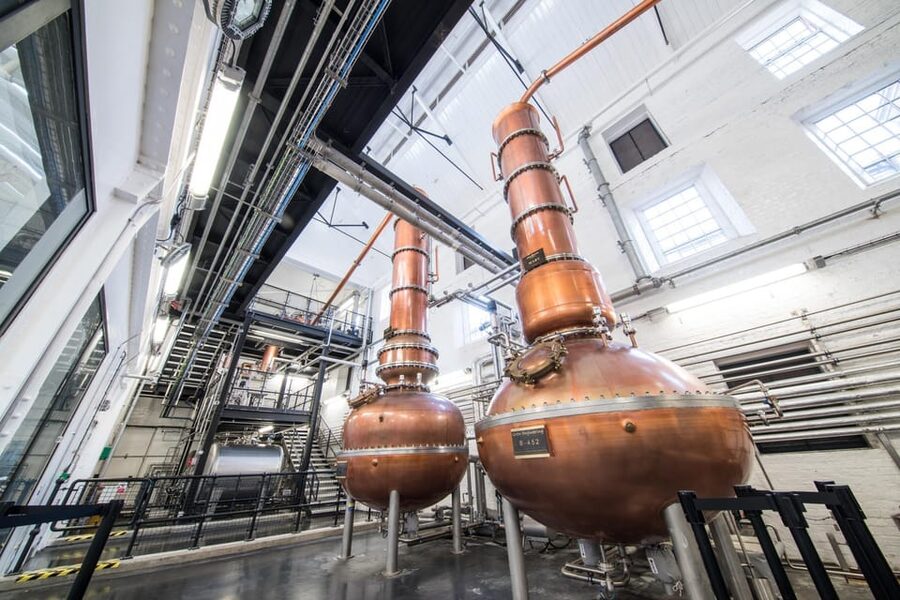
The technical heart of the tour is the explanation of Bombay Sapphire’s rare vapor infusion distillation process. Your host describes how this method helps produce the gin’s character.
This is where the visit moves beyond a general introduction to gin. You learn that the botanicals are not merely treated as a single mixed flavor. The production method is part of the result, and the guide connects the machinery and process with what you tasted at the beginning.
The tour does not ask you to be a spirits expert. A clear guide can make the method understandable, and the small group helps here. With no more than six participants, you should have a better chance to ask for clarification than on a large factory tour.
The distillery itself is also worth watching closely. You are seeing a working site, not a museum display built only to look industrial. That means some parts may feel more controlled or less open than a purely exhibition-style attraction, but it also gives the visit a stronger sense of authenticity.
Why the two-hour format works
Two hours is enough time to cover the drink, cinema room, mill history, botanicals, sensory section, and production method without turning the day into a lecture. The pacing has been described as neither rushed nor overlong, which is exactly what you want from a distillery visit.
The format suits a half-day plan in the area. You can give the tour your full attention, then spend more time around Laverstoke Mill afterward. The site has an old workers’ cottage tea room, where you might find a good place for lunch if it is operating during your visit.
Allow yourself enough time around the tour rather than treating the booking as a quick drink stop. The setting is part of the experience, and the building deserves a slower look than the formal schedule alone suggests.
Guides make a real difference
Your experience will depend partly on the host assigned to your group. The tour is available only in English, so you need to be comfortable following spoken explanations about history, architecture, botanicals, and distillation.
Guides named Louise and Phoebe have previously been praised for being friendly, clear, amusing, and well prepared. That gives you a sense of the tone the tour can have, but guide assignments can vary. The best hosts do more than recite facts. They explain why the mill matters, connect the botanicals to flavor, and adjust the pace when people have questions.
The small-group format is a real advantage. Six people is a much better setting for a sensory activity and technical questions than a packed room. It also makes the opening drink and movement between spaces feel less crowded.
Price, value, and who should book

At about $29 per person, the tour is good value if you want more than a tasting. Your fee covers roughly two hours, a guided visit, the complimentary gin and tonic, the cinema introduction, the glasshouses, the Botanical Dry Room, and the distillery explanation.
The value comes from the range of the visit. You get architecture, local history, design, production, and a drink in one package. If you only want to sample gin, the price may feel high for a single included cocktail. If you enjoy learning how a familiar product is made, the cost is easier to justify.
I would recommend it most strongly to gin drinkers, people interested in industrial buildings, and visitors looking for an organized activity in the English countryside. It also suits couples and small groups who prefer a quieter tour with time for questions.
Families or non-drinkers can still find the history and design worthwhile, but the experience is built around gin. Anyone looking for a broad spirits tasting should note that this is a Bombay Sapphire-focused visit, not a survey of several producers.
Practical details that can affect your visit
The tour lasts two hours and is led in English. It is wheelchair accessible, and the group is limited to six participants.
You can cancel up to 24 hours before the start time for a full refund, and the reserve-now, pay-later option keeps your plans flexible. Check the available start times before booking, since the length of the tour makes timing important if you have other plans nearby.
If you arrive late, contact the operator as soon as possible. Staff have accommodated late arrivals in the past, but you should not count on being moved to another time.
Closed-toe shoes are essential. Do not arrive in open sandals or high heels, even if the rest of your day calls for smart clothes.
Should you book the Bombay Sapphire Distillery Tour?
Book it if you want a polished but still informative look at how gin is made, especially if the history of Laverstoke Mill and the building itself interests you. The complimentary drink, botanical displays, scent work, and vapor infusion explanation give the two-hour visit a good mix of tasting and learning.
Skip it if you want a long cocktail experience, several brands, or a tour in a language other than English. For everyone else, the small group, attractive setting, and clear focus on both place and production make this a worthwhile stop at a fair price.
FAQ
Where is the Bombay Sapphire Distillery Tour held?
The tour takes place at Laverstoke Mill in South East England, United Kingdom.
How long does the tour last?
The guided experience lasts two hours.
What is included in the ticket?
The ticket includes the guided tour and a complimentary drink, specifically a gin and tonic you make at the Turbine Bar.
Is the tour available in languages other than English?
No. The guided tour is available in English only.
How many people are in each group?
The experience is limited to six participants.
Do I need to bring identification?
Yes. You should bring a passport or ID card.
What shoes should I wear?
You must wear closed-toe shoes. Open-toed shoes and high heels are not allowed at the working distillery.
Is the distillery wheelchair accessible?
Yes, the activity is listed as wheelchair accessible.
Can I cancel the booking?
You can cancel up to 24 hours in advance for a full refund.
Do I have to pay when I reserve?
No. A reserve-now, pay-later option is available, allowing you to book without paying immediately.
Just added in England
- Portsmouth: Spinnaker Tower Ticket★ 4.6 · 437 reviews
- Durham History Tour★ 5.0 · 70 reviews
- Chessington World of Adventures Resort: Entrance Ticket★ 4.3 · 91 reviews
- Isle of Wight: Carisbrooke Castle Entry Ticket★ 4.5 · 86 reviews
- Chatham Historic Dockyard: Call the Midwife Tour★ 4.6 · 216 reviews
- Bournemouth Pier: PierZip Entrance Ticket★ 4.7 · 41 reviews
- Bournemouth Oceanarium Ticket★ 4.3 · 172 reviews
- Alton Towers Resort: Entrance Ticket★ 4.2 · 96 reviews
Distillery Tours, compared.

The Scotch Whisky Experience Guided Whisky Tour – An Introduction to Whisky
Read our review →
Edinburgh Food Tour with Scotch, Haggis, a Secret Dish & More
Read our review →
Scotch Whisky Tasting & Stories — Bespoke Whisky Lounge
Read our review →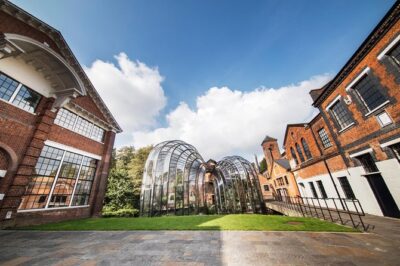
Bombay Sapphire Gin Distillery Tour and Cocktail
Read our review →
Highland Lochs, Glens & Whisky Day Tour Including Admission
Read our review →
Holyrood Distillery Whisky and Gin Tour & Tasting
Read our review →Browse the lists this tour appears in