Reviewed · GUIDED
London: The Lost Tunnels of Euston Station Guided Tour
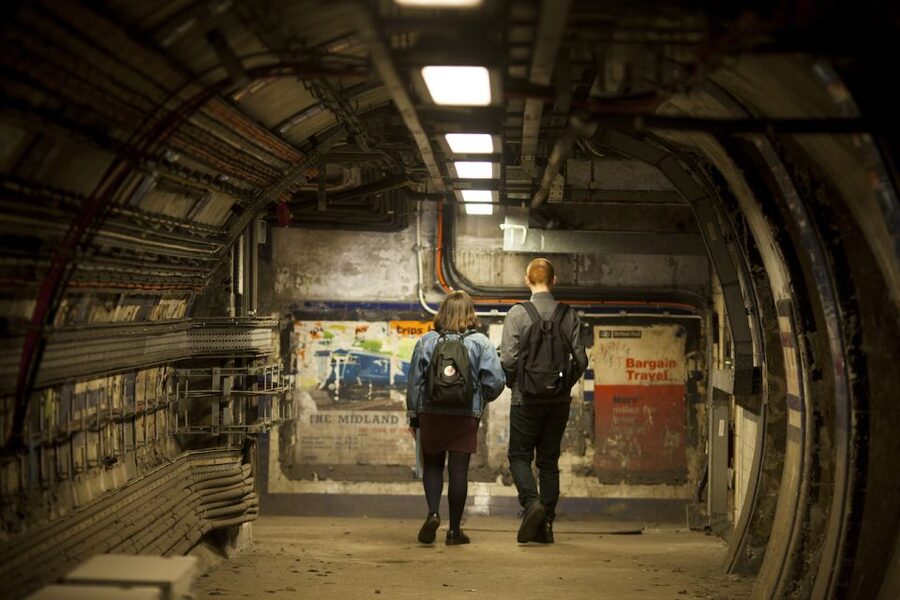
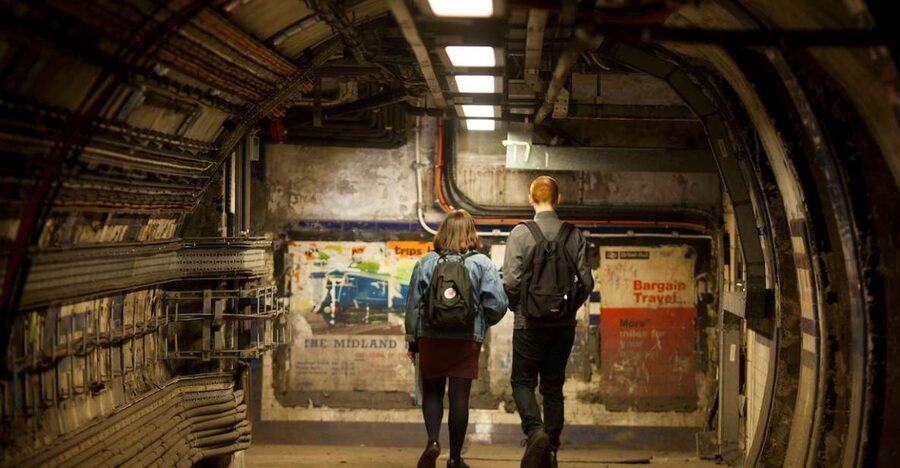
Euston’s busy Tube station has a quieter side below ground: disused tunnels and dusty passageways that once served the traveling public. On this 75-minute walk, you’ll see faded adverts, old station details, and a ventilation shaft looking down on Victoria Line trains.
I like the mix of London Transport history and future change, especially the link between the old station and the planned HS2 terminus. I also like the small-group feel reported by one booking party of four, with guides such as Scott and Anthony allowing time for photos. The drawback is clear: low lighting, uneven floors, stairs, and tight underground spaces make this a poor choice if you have mobility limits or dislike enclosed places.
Key points of the Euston tunnels tour
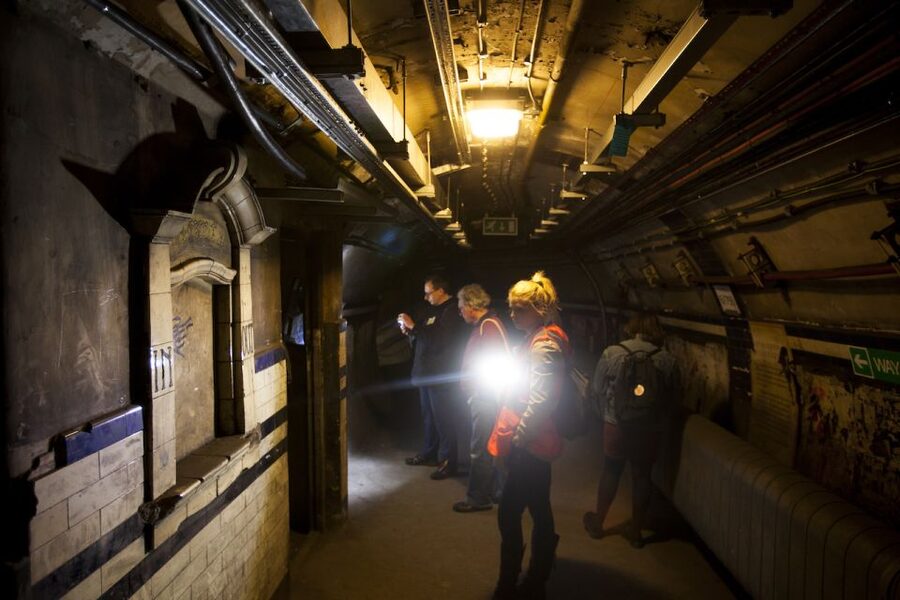
- Old advertising posters: See fragments hidden from public view for more than 50 years.
- Leslie Green station details: Learn about the early station and its distinctive period design.
- Victoria Line viewpoint: Look down through a secret ventilation shaft at passing trains.
- Euston’s changing future: Hear how HS2 is set to alter the station and its role in London.
- 75 minutes underground: Expect steady walking, stairs, uneven ground, and dim passageways.
- English-speaking guides: Guides including Scott and Anthony explain the station’s past and Tube improvements.
Why Euston’s lost tunnels are worth your time
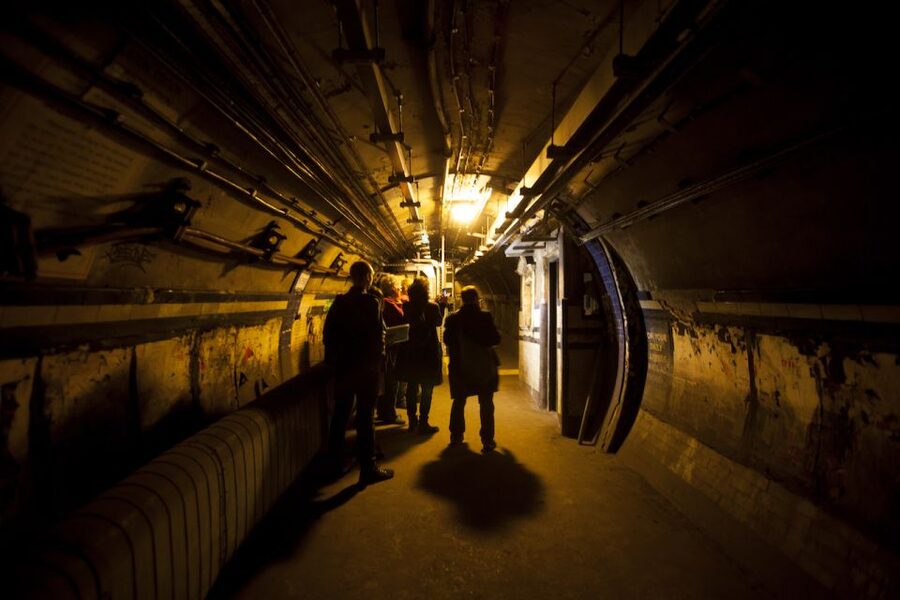
Most London Underground tours focus on grand stations, famous platforms, or dramatic engineering feats. This one takes a more unusual route. You are not simply looking at a finished transport system. You are walking through the parts that no longer serve the public but still show how the network grew, changed, and sometimes abandoned its plans.
That gives the tour a pleasantly rough edge. The tunnels are described as dark and dusty, not polished museum galleries. You might find faded surfaces, old signs, and remnants that have survived simply because the public stopped passing through. For me, that is the appeal. The spaces feel like working parts of a transport system left behind, rather than displays prepared for easy viewing.
The story begins near Euston Square station and reaches back to Euston’s early days on the corner of Melton and Drummond Streets. That modest beginning helps explain why the station feels layered today. London’s Underground was not built in one grand project. Lines, stations, platforms, access routes, and service arrangements were added and altered over time.
Your guide connects those changes to the station you see above ground. Euston now serves more than 42 million passengers each year, so the contrast between the crowded modern interchange and the empty passageways below is central to the experience.
A few more half-days in London worth comparing
- London: The London Eye Entry Ticket
★ 4.6 · 35,875 reviews - From London: Harry Potter Warner Bros Studio Tour
★ 4.7 · 26,588 reviews - London: Westminster to Greenwich River Thames Cruise
★ 4.5 · 22,836 reviews
Meeting at Euston Square, not Euston
The meeting point is the south exit of Euston Square station, NW1 2BF, on the corner of Gower Street and Gower Place. This detail matters because Euston Square and Euston are separate Underground stations, despite their similar names and close location.
Look for the entrance with the glass façade on the hospital side of Euston Road. The what3words location is baked.bend.worry. I would allow extra time to find the correct entrance, especially if you are arriving from a mainline train at Euston station.
The tour ends back at the same meeting point. That makes planning easier, but you should still arrive ready to walk rather than expecting time to return to a hotel or leave bags somewhere.
Large bags and luggage are not allowed. Food and drinks are also prohibited, and there are no toilets during the activity. Use a toilet before you meet the guide and keep your belongings light.
From early Euston to forgotten station routes
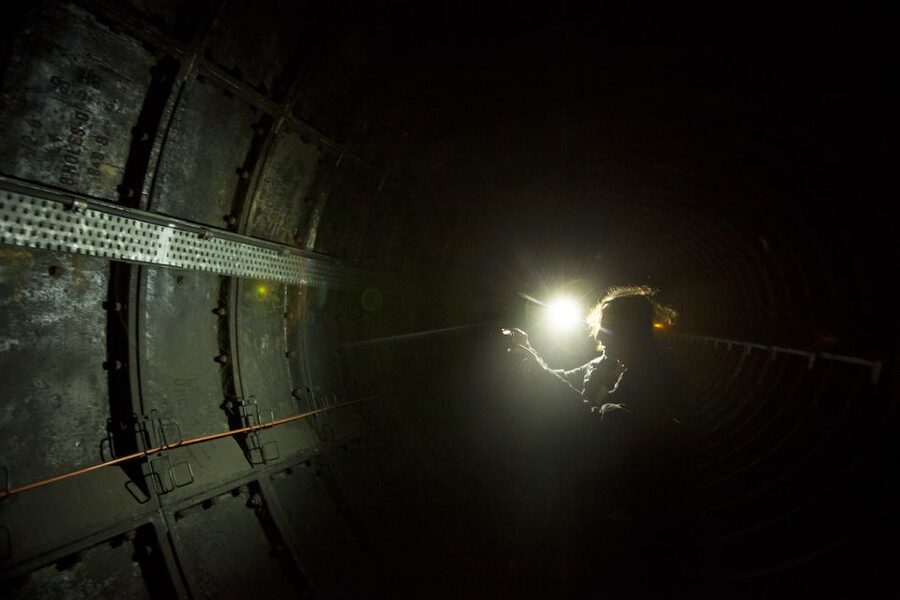
Once the walk begins, the guide sets the scene with Euston’s early development. The reference to Melton and Drummond Streets gives you a useful sense of place. You are not hearing only about famous railway names. You are learning how a major station took shape in an ordinary part of London.
The disused corridors then provide the main visual interest. These were once used by the traveling public, so their purpose was practical rather than decorative. The passageways formed part of the everyday route through the station, helping people reach trains and services that have since changed or disappeared.
I enjoy tours that let the building carry part of the story. Here, a low ceiling, a blocked route, or a worn wall can make the explanation easier to grasp than a paragraph in a guidebook. You can see that transport design has a short public life. A route that once mattered to thousands of passengers can become inaccessible and almost forgotten after a change in service or station layout.
The route is not presented as a free-roaming exploration. You follow an expert guide through the areas that are open for this experience. That is important for safety and for context. Without guidance, dark corridors and partial remains would tell only half the story.
Faded posters and Leslie Green’s London
The old advertising posters are one of the tour’s strongest details. Some have been concealed for more than 50 years, and their survival gives the tunnels a direct link to the people who once used them.
These are not just decorative scraps. Tube advertising shows how stations once communicated with passengers, sold products, and filled spare wall space. Faded paper can also reveal how quickly public spaces change. A poster that once demanded attention becomes a quiet archaeological trace when the corridor closes.
The tour also brings in the iconic Leslie Green station and its surroundings. Leslie Green stations are closely associated with the early Underground, and seeing the remaining details in context helps you understand the period design rather than treating it as a separate architectural lesson.
Expect the guide to point out what you might otherwise miss. In a dim passageway, a small remnant can be easy to walk past. The value lies in having someone explain why a wall, entrance, or surviving surface matters.
Photography is allowed, and time for pictures can make a difference. One party specifically praised Scott and Anthony for being friendly and giving the group plenty of time to take photos. Do not expect a staged photo stop at every turn, but the pace appears to leave room for you to record the more unusual details.
Same trip, a completely different kind of day:
- London: Madame Tussauds London
★ 4.6 · 20,915 reviews - London: Warner Bros. Studio Tour with Transfers
★ 4.7 · 17,586 reviews - London: Tower Bridge Entry Ticket
★ 4.7 · 15,560 reviews - London: Westminster Abbey Entrance Ticket
★ 4.6 · 11,254 reviews
The ventilation shaft above Victoria Line trains
The secret ventilation shaft is the tour’s most striking viewpoint. From it, you look down on Victoria Line trains, seeing the active Underground from an unusual position.
This stop neatly joins old and new. The abandoned routes around you belong to an earlier phase of Euston, while the trains below continue carrying passengers through the modern network. It is a reminder that the Tube is not one single system frozen in time. Active lines and forgotten spaces sit close together, separated by walls, floors, and changes in purpose.
The shaft also gives the tour a stronger sense of scale. Tunnels can feel narrow and self-contained, but looking toward a working line shows how much transport infrastructure is packed beneath London. The view is brief, yet it is one of the moments most likely to stay with you after the tour.
Your guide explains the shaft as part of the station’s wider workings rather than treating it as a mystery attraction. That practical approach suits the experience. You get a glimpse of how the Underground functions, not just a spooky walk through dark rooms.
Euston’s future and the arrival of HS2
The tour does not stop with the past. A major part of the story is Euston’s expected future as the London terminus for HS2 services to the Midlands.
That discussion gives the old tunnels a sharper meaning. Some historic station features and surrounding spaces are set to be swept away or changed as the station develops. You are seeing parts of Euston before a major transformation, while also learning why the site remains important to Britain’s rail network.
The exact future of a large transport project can change, so I would treat this part as context rather than a promise of a finished station. The useful point is that Euston has never been static. Its early Tube beginnings, later service improvements, current passenger load, and planned HS2 role all belong to the same long story of expansion and replacement.
I like that the tour places transport innovation beside preservation. It does not ask you to admire the old spaces without question. Instead, it shows the practical pressure behind change. A station serving tens of millions of passengers needs new capacity, but every major project can put old structures at risk.
How demanding is the 75-minute walk?
The advertised duration is 75 minutes, which is long enough to build a clear story without taking up half a day. You will spend the time walking through dark areas, using stairs, and crossing uneven ground.
Wear comfortable shoes with good support. Open-toed shoes are not permitted, and comfortable, weather-appropriate clothing is required. You may be underground for much of the tour, but the meeting and return points are outside, so London weather still matters.
The tour is not suitable for people with mobility impairments. It is also not suitable for children under 10 or for anyone with claustrophobia. Children aged 10 to 15 are allowed, with a maximum of four children in that age range per adult.
I would also think carefully about your tolerance for low lighting. This is not a brightly lit museum route with smooth floors and frequent places to sit. The atmosphere is part of the point, but the conditions may make it tiring or uncomfortable for some people.
Is $60.61 good value?
At $60.61 per person, this is not a cheap way to spend 75 minutes in London. You are paying for access to an area most people cannot enter, an English-speaking guide, and the research behind a specialist London Transport Museum experience.
The value depends on your interests. If you already enjoy railway architecture, Tube history, old advertising, or changing city infrastructure, the price is easier to justify. The tour offers a subject that is hard to experience independently, and the guide supplies the meaning that the bare tunnels cannot provide.
For a first-time visitor with only a short stay, I would compare it with a more general London attraction before booking. The tunnels are specific and physical. You will not get sweeping city views, famous paintings, or a broad introduction to London.
The price also makes group size important. A small group of four can make the corridors feel more personal and gives you a better chance to hear explanations and take photos. A larger group could feel less intimate in narrow spaces, though the maximum group size is not provided here.
Free cancellation up to 24 hours before the start gives you some protection if your plans change, and the reserve-now, pay-later option helps keep your schedule flexible. Those booking terms add practical value, but they do not change the tour’s fairly specialized appeal.
Who will enjoy the Euston tunnels most?
I would recommend this walk to anyone who has already seen London’s major landmarks and wants a more unusual look at the city. It suits people who like the mechanics of urban life: how stations are built, why routes close, and what happens when a busy transport site is redesigned.
It is also a good fit for Tube enthusiasts and railway fans. The combination of old corridors, Leslie Green details, hidden posters, a working Victoria Line view, and HS2 planning gives you several connected subjects in a short period.
Families with older children may enjoy it, provided everyone can manage the walking and enclosed spaces. The age rule begins at 10, and the four-child-per-adult limit means you should plan carefully if bringing a larger family group.
I would skip it if you want a relaxed indoor attraction, dislike stairs, need frequent toilet access, or feel uneasy in dark and narrow places. This is an active walking tour, not a seated talk.
Should you book the Lost Tunnels of Euston tour?
Book it if you want a focused, unusual London experience and are happy to trade polished displays for dusty corridors, faded posters, and practical transport stories. The best reasons to go are the hidden station fabric, the view toward Victoria Line trains, and the chance to see Euston in a period of major change.
The price is high for 75 minutes, but the access is unusual and the London Transport Museum connection gives the tour a clear historical purpose. I would book ahead, wear sturdy closed shoes, leave luggage behind, and arrive at the correct Euston Square entrance with time to spare.
Skip it if accessibility, comfort, or open space matters more to you than behind-the-scenes history. For the right visitor, this is a sharp, well-focused look at the Tube’s forgotten working parts.
FAQ
Where does the tour start?
The tour starts at the south exit of Euston Square station, NW1 2BF, on the corner of Gower Street and Gower Place.
Is the meeting point at Euston station?
No. The meeting point is at Euston Square station. Use the entrance with the glass façade on the hospital side of Euston Road.
How long does the tour last?
The tour lasts 75 minutes and finishes back at the meeting point.
What language is the tour in?
The live guided tour is in English.
What can I see on the tour?
You can see disused tunnels and passageways, remnants of vintage posters, Leslie Green station details, and a secret ventilation shaft overlooking Victoria Line trains.
Is the tour suitable for children?
Children under 10 are not allowed. Children aged 10 to 15 can attend, with a maximum of four children in that age group per adult.
Is the tour suitable for people with mobility impairments?
No. The tour includes considerable walking, uneven ground, low lighting, and stairs, and it is not suitable for people with mobility impairments.
Are food, drinks, or large bags allowed?
No. Food and drinks, luggage, and large bags are not allowed. Open-toed shoes are also prohibited.
Can I cancel the booking?
Yes. You can cancel up to 24 hours in advance for a full refund. You can also reserve now and pay later.
Just added in London
- Royal London Guided Sightseeing Tour and Thames River Cruise★ 4.0 · 31 reviews
- Roman Ruins to Blitz Bombings: A Walking Tour of London’s Fiery History★ 5.0 · 190 reviews
- Roman London Private Walking Tour★ 5.0 · 44 reviews
- Westminster Abbey, Big Ben, Buckingham Guided Tour of London★ 5.0 · 451 reviews
- River Thames Evening Cruise with Sparkling wine and Canapés★ 4.0 · 569 reviews
- Rock and Roll Walking Tour of Soho London★ 4.5 · 64 reviews
- London Private Chauffeur Half-Day or Full-Day Vehicle Rental★ 5.0 · 37 reviews
- Rich people behaving badly★ 5.0 · 47 reviews
Guided, compared.

Oxford University Walking Tour With University Alumni Guide
Read our review →
Edinburgh Castle: Guided Walking Tour with Entry Ticket
Read our review →
Stonehenge, Windsor Castle and Bath Full Day Guided Tour
Read our review →
City & Beatles Tour with Live Guide & Live Music
Read our review →
Edinburgh Castle Guided Walking Tour in English
Read our review →
London Jack the Ripper Guided Tour with Ripper-Vision
Read our review →
University and City Walking Tour with Alumni Guide
Read our review →