
Reviewed · CHESTER TOURS
Journey Through Winchester’s Past
Winchester’s story is packed into a compact walk: medieval kings, Tudor prisoners, an ancient cathedral, ruined bishops’ quarters, and the Arthurian legend all fit into one easy morning. Bryan, Brian, and Gail bring that story to life with dates, characters, local detail, humor, and even the occasional song.
I like the small maximum group of 15, which gives you a fair chance to hear the guide and ask questions. I also like the route’s balance: you see the famous buildings, but you also reach quieter spots near the river that are easy to miss on your own. The main thing to check before booking is what indoor admission means on your date, since the walk itself is priced as a guided tour and entry arrangements can cause confusion.
Key points at a glance
- A compact two-hour route: See Westgate Museum, the Great Hall, Winchester Cathedral, Buttercross, and Wolvesey Castle without spending a full day on your feet.
- Guides who make the past lively: Bryan, Brian, and Gail are praised for clear explanations, humor, local insight, and the ability to answer questions.
- A small-group feel: The tour accepts no more than 15 people, and it may run with only a handful of participants.
- A useful first look at Winchester: The walk helps you decide which places deserve a longer visit later, especially the cathedral and Great Hall.
- A practical pub finish: The tour ends at the Wykeham Arms, with 20% off drinks and dining.
- Easy access for many people: Service animals, pets, limited mobility, and limited eyesight are supported, though the route is still a walking tour.
Why this Winchester walk works well

Winchester is the sort of city where you can pass an old wall, a narrow lane, or a worn stone arch without realizing what happened there. A guide gives those details a place in the larger story. Instead of seeing separate buildings, you begin to understand how Winchester grew from an important medieval center into the Hampshire city you see today.
This is not a museum-heavy experience. It is a guided walk through the city, with stops at major landmarks and explanations along the way. That makes it a good choice for your first morning in Winchester, especially if you want orientation before exploring inside the buildings on your own.
The route lasts about two hours and begins at 10:00 a.m. The advertised price is $16.64 per person, which is strong value if you want a clear introduction rather than a private guide. At that price, you are paying mainly for the guide’s time and interpretation. The real value lies in noticing details you would otherwise walk past.
The group limit of 15 matters. Winchester’s central streets can be tight, and a very large group would make it harder to hear or gather around a historic feature. With a small party, the guide can adjust the pace and respond to questions. One booking even ran with just two people, although a very small group may finish a little before the full two hours.
A few more half-days in Chester worth comparing
- From Manchester: North Wales, Snowdonia, and Chester Tour
★ 4.8 · 1,577 reviews - Fascinating Walking Tours Of Roman Chester With An Authentic Roman Soldier
★ 5.0 · 1,232 reviews - Chester: Chester Zoo Entry Ticket
★ 4.5 · 967 reviews
Westgate Museum and Winchester’s medieval entrance
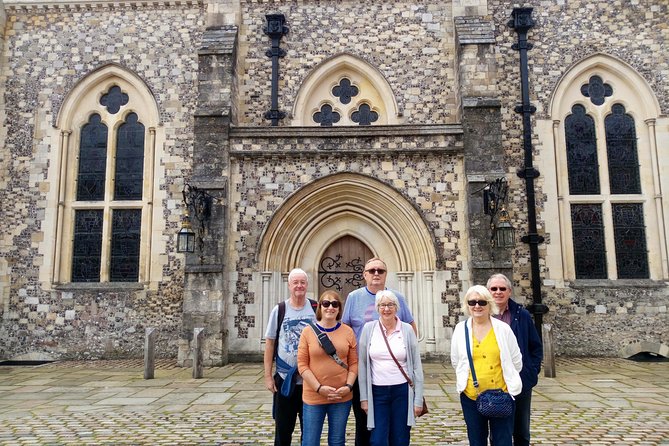
The walk begins at Westgate Museum, where medieval gates front an ancient Tudor and Stuart building. The building later served as a debtor’s prison, and exhibits inside help explain that less glamorous side of the city’s past.
Westgate is a good opening stop because it immediately shows how Winchester once controlled movement into the city. You are not starting with a polished monument detached from everyday life. You are looking at a working gateway tied to defense, trade, law, and punishment.
The stop also sets the tone for the tour. Winchester’s past is not only about kings and grand churches. It includes prisoners, merchants, church officials, local residents, and the practical business of running a city. A guide can connect the building’s medieval form with its later use, giving you more to notice than the stonework alone.
The information provided for the stop lists admission as free. Still, I would treat the guided walk and indoor museum access as separate questions when booking. The tour description has caused confusion for at least one customer who expected all interior tickets to be included, so ask directly if entering Westgate Museum is important to you.
The Great Hall and the remains of Winchester Castle
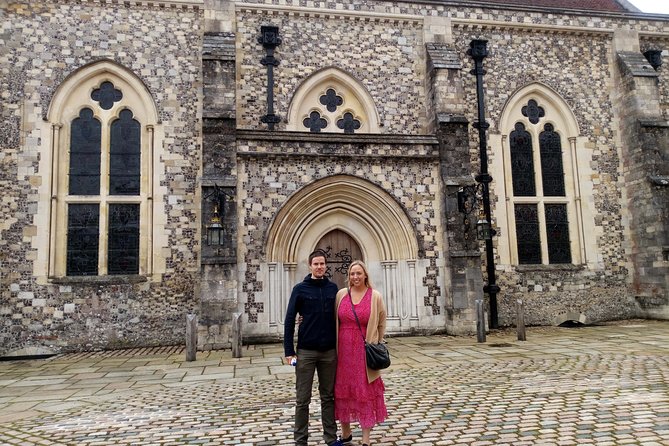
Next comes the Great Hall, described as one of the finest surviving halls of the 13th century. It is all that now remains of Winchester Castle, which makes the building especially useful for understanding how much has disappeared.
The Great Hall is not simply another old room. It is a surviving fragment of a much larger royal complex. Standing there, you get a sense of Winchester’s former political weight, even though the castle itself no longer survives as a complete fortress.
This is where a strong guide adds real value. Dates alone can make a medieval building feel remote. Stories about the people who used the hall, the decisions made there, and the way royal power worked in England give the stonework a human scale.
The stop is also a useful preview if you plan to return later. The walk lets you see the building within the city’s wider story, while a separate visit gives you more time for the interior. The supplied information lists admission as free, but it does not clearly promise a dedicated indoor visit as part of the tour. Confirm the arrangement if you want time inside rather than an explanation outside.
Winchester Cathedral, the grand centerpiece
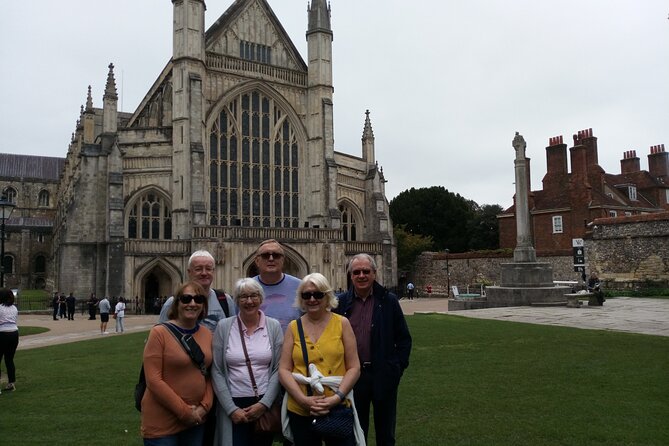
Winchester Cathedral is the biggest sight on the route. It is a Church of England cathedral and one of the largest cathedrals in Europe, with the greatest overall length of any Gothic cathedral.
Even if the tour does not include a long interior visit, seeing the cathedral in context is valuable. The guide can explain why the building mattered to Winchester and how it fits with the city’s royal and religious past. The cathedral is not just a large church to photograph. It is one of the key reasons Winchester became such an important place.
Several people used the walking tour as preparation for a later cathedral visit. That is a smart approach. A separate visit inside lets you move at your own speed, while the morning walk gives you the background needed to understand what you are seeing.
One practical warning is worth repeating: the tour information marks the cathedral stop as free, but a separate customer expected attraction tickets to be included and felt misled. The safest plan is to ask whether the walk includes entry inside the cathedral on your chosen date. If not, budget for a separate cathedral visit and allow extra time after the tour.
The cathedral also gives the walk a change of scale. Westgate and the Great Hall connect you with gateways and royal power. Here, the sheer size of the building shows the reach of the church and the resources once devoted to religious construction.
Same trip, a completely different kind of day:
- Admission Ticket to Sick To Death in Chester
★ 4.5 · 384 reviews - Chester: City Sightseeing Hop-On Hop-Off Bus Tour
★ 4.6 · 274 reviews - Tours of Colchester
★ 5.0 · 266 reviews - Chester: Half-Hour City Cruise
★ 4.6 · 231 reviews
Buttercross in the middle of the High Street
Winchester Buttercross is a 15th-century landmark on the High Street. It is an easy sight to overlook because it sits amid ordinary town life, shops, movement, and modern traffic.
That is exactly why it belongs on a walking tour. A guide points out the structure, explains its place in the city, and helps you see the High Street as more than a shopping area. The Buttercross links present-day Winchester with the medieval market town beneath it.
This stop is brief compared with Wolvesey Castle, but it adds useful texture. The tour is not only a procession from one major building to the next. It also includes the smaller civic features that shaped daily life.
The Buttercross is likely to suit families well because it does not require a long indoor visit or sustained concentration. A good guide can use it to explain ordinary commerce and town life in a way that works for children as well as adults.
Wolvesey Castle and the quieter river area
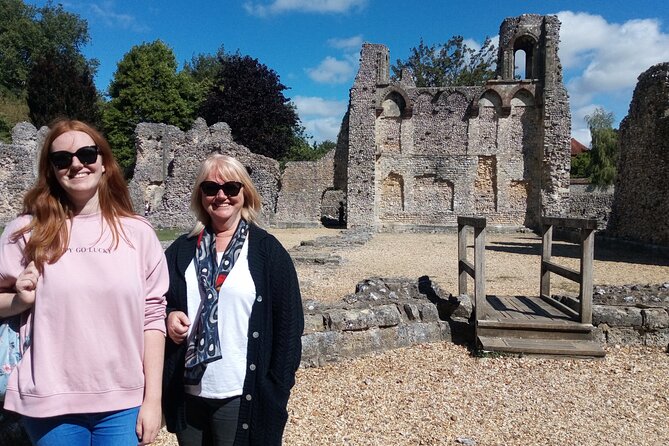
The route gives about 20 minutes to Wolvesey Castle, the ruins of the Archbishop of Winchester’s palace. These remains offer a different view of power from the Great Hall. Instead of a royal castle, you are looking at the former residence of one of England’s most important church officials.
Ruins ask you to use your imagination. You see fragments rather than a finished building, so the guide’s explanation matters. Bryan’s strength, according to the supplied feedback, is connecting places with the wider story of England and adding details that are easy to miss without help.
The Wolvesey stop also leads toward the River Itchen area, which several people particularly enjoyed. This is one of the best reasons to take the guided route rather than simply ticking off central landmarks. The river gives the walk a calmer, more open stretch and shows a softer side of Winchester.
The ruins are listed with free admission. Again, the tour’s value is mainly the interpretation and route, not a promise of extensive time at every site. The 20-minute allocation is enough to understand why Wolvesey matters, but not enough for a long, unhurried archaeological visit.
Guides, humor, and the human side of history
The strongest feature of this experience is the guiding style. Bryan is repeatedly described as personable, funny, and deeply informed about Winchester. Brian is also named in several comments, and Gail is praised for combining local insight with a warm manner.
There is a small inconsistency in the spelling of Bryan and Brian in the supplied material, so check the name of your assigned guide when you receive confirmation. The important point is that the experience depends heavily on the individual leading your walk.
The guide does more than recite dates. The best moments appear to come from links between Winchester and the wider country, along with stories about figures such as Oliver Cromwell, Jane Austen, King Arthur, and John Keats. The walk also touches on Winchester’s two castles, two palaces, and even a number-one song connected with the city.
That mix helps prevent the experience from becoming a lecture. Humor is used to keep the pace light, even in cold or rainy weather. One guide is also known for singing a rendition of Winchester Cathedral, which will either be a delightful extra or a memorable surprise, depending on your taste.
The rating is 4.9 out of 5 from 341 ratings, with 98% recommending the experience. Those numbers fit the pattern of the written feedback: the guide’s personality, clear explanations, humor, and ability to reveal overlooked places receive the strongest praise. One rating of 4 out of 5 still called the guide sociable, amusing, and informative.
Price, timing, and what you actually receive
At $16.64 per person, this is inexpensive for a two-hour guided walk in a historic English city. I would consider it good value if you want orientation, stories, and a sensible route through the center.
The price is less attractive if you expect full admission to every major attraction. The information supplied lists admission as free at each stop, but the customer comments show that this wording can be misunderstood. Treat the experience as a guided city walk first, and confirm any interior access before paying.
The 10:00 a.m. start is useful. You can see the major sights before the day becomes busier, then use the afternoon for a longer cathedral visit, the Great Hall, or an independent wander. The walk is also short enough to fit into a day trip from Southampton or another nearby base.
It ends at the Wykeham Arms on Kingsgate Street. You receive 20% off drinks and dining there, which gives you an easy place to continue the day. The pub discount is a practical extra rather than the main reason to book, but it is useful after a morning on foot.
The end point also makes the tour easy to combine with lunch. Just remember that the attraction portions and pub spending are separate from the tour price unless your confirmation says otherwise.
Walking comfort, group size, and weather
Most people can take part, and the experience allows service animals and pets. It is described as suitable for people with limited eyesight and limited mobility, but the route still involves walking through a historic city, where surfaces and access can vary.
If mobility is a concern, contact the operator before booking and explain what you need. Historic streets and ruins may not offer the same smooth access as a modern attraction, even when an experience is described as accessible.
Bring sensible shoes and a rain layer. The tour runs outdoors, and the walk continues in poor weather unless the operator cancels it. The feedback includes an enjoyable outing in rain, but Winchester’s old streets will be more comfortable with waterproof clothing and shoes that you can walk in for two hours.
Families should find the length manageable. The changing scenery, stories of kings and prisoners, ruined buildings, and occasional humor help keep the walk from feeling like a formal classroom lesson. Children who need frequent breaks may still prefer a private visit at their own speed.
Who should book this experience
I would choose this tour if you are visiting Winchester for the first time, enjoy English history, or want a guide to connect the cathedral, castle remains, market landmarks, and riverside sights.
It is especially useful for:
- First-time visitors who want a clear sense of the city before exploring alone.
- History and architecture fans who enjoy dates, buildings, royal stories, and church history.
- Families looking for a manageable morning activity.
- Small groups who prefer questions and conversation over a large guided crowd.
- Day visitors who need a compact route that finishes before lunch.
- Repeat visitors who want to find corners they missed on an earlier trip.
I would be more cautious if you want lengthy interior visits at the cathedral, Great Hall, or museum. This is a walking introduction, not a full museum tour, and the ticket wording should be clarified before booking.
Should you book the Winchester walk?
Book it if you want Winchester explained by a lively local guide rather than viewed as a string of old buildings. The price is modest, the group is capped at 15, and the route covers the city’s major historic anchors while also reaching the quieter river area.
The best reason to go is the guiding. Bryan, Brian, and Gail are praised for warmth, humor, clear facts, and stories that make the city easier to understand. The main caution is simple: confirm exactly which buildings you will enter and which you will see from outside.
For most first visits, I would take the walk early, use the guide’s suggestions to choose your afternoon stops, and then return to the cathedral or Great Hall with more context. That approach gives you both the broad city story and the slower indoor visit that the tour itself cannot provide.
FAQ
How long does the Journey Through Winchester’s Past tour last?
The tour lasts approximately two hours. One small group finished in about one hour and 45 minutes, so the exact duration can vary with group size and questions.
What time and where does the tour begin?
It begins at 10:00 a.m. in Winchester, at the stated meeting location in Winchester SO23 8UH, UK. The end point is the Wykeham Arms at 75 Kingsgate Street, Winchester SO23 9PE.
What sights are included on the route?
The route includes Westgate Museum, the Great Hall, Winchester Cathedral, Winchester Buttercross, and Wolvesey Castle. The walk also reaches the River Itchen area.
Are entrance tickets included?
The supplied information lists admission as free at the stops, but the description has caused confusion about indoor entry. Confirm with Walsh Tours whether you will enter any attraction as part of your booking, especially Winchester Cathedral, the Great Hall, or Westgate Museum.
How large is the tour group?
The maximum group size is 15 people. It may operate with a much smaller group, including only two participants on some dates.
Can I cancel for a refund?
You can cancel up to 24 hours before the start time for a full refund. Cancellations or changes made less than 24 hours before the start are not accepted for a refund. If the minimum number is not reached and the operator cancels, you will be offered another date or experience, or a full refund.
Just added in Chester
- From Chester: Full-Day Guided North Wales Sightseeing Tour★ 4.8 · 114 reviews
- From Chester: North Wales and Caernarfon Castle Tour★ 4.7 · 56 reviews
- Chester: The Heart of Chester Walking Tour★ 4.8 · 57 reviews
- The Heart of Chester Walking Tour – Guided Walk★ 5.0 · 83 reviews
- Medieval Walking Tour of Chester★ 5.0 · 155 reviews
- Chester Food Tour: Unique Food With Drinks & Sightseeing★ 5.0 · 152 reviews
- Fun, Flexible Treasure Hunt Around Chester with Cryptic Clues & Hidden Gems★ 5.0 · 162 reviews
- Admission Ticket to Sick To Death in Chester★ 4.5 · 384 reviews
Chester Tours, compared.


Fascinating Walking Tours Of Roman Chester With An Authentic Roman Soldier
Read our review →

Snowdonia & Chester Day Tour from Manchester Including Admission
Read our review →Browse the lists this tour appears in