
Reviewed · WORKSHOPS
Edinburgh Photography Masterclass – Private Photography Lesson
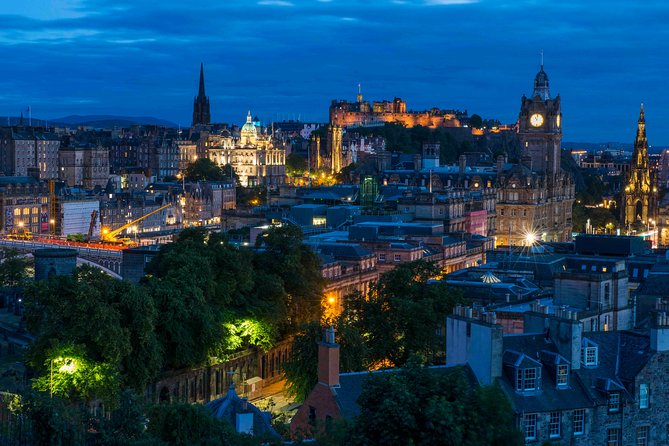
Edinburgh becomes a practical photography classroom after daylight fades. On this private three-hour lesson, you can work with a professional photographer on low-light settings, composition, and long exposures, then put those ideas to use on streets, landmarks, car lights, boats, and illuminated views.
I like the one-on-one format, which lets Martin Smith or another Aperture Tours guide adjust the lesson to your actual skill level. I also like the mix of technical coaching and creative advice, especially the chance to review your images as you work. The main drawback is simple: you need to bring your own camera, and a tripod is extra if you do not have one.
Key points to know before booking
- Private tuition: Only your group takes part, so the lesson can focus on your goals rather than a fixed class plan.
- Night photography focus: Expect help with shutter speed, aperture, ISO, focusing, light trails, flash, and long exposures.
- Edinburgh after dark: The route uses city streets, viewpoints, landmarks, passing cars, boats, and artificial light as photographic subjects.
- Martin Smith’s teaching style: He is described as patient, cheerful, flexible, and willing to offer practical help with camera gear and composition.
- Three hours at $191.95 per person: The price makes the most sense for photographers who want personal instruction rather than a standard sightseeing walk.
- Weather flexibility: Rain and fog may change the plan, but the lesson can shift toward useful weather and low-light techniques.
Why this private Edinburgh lesson is different
Many city tours ask you to look, listen, and keep moving. This one asks you to stop, set up, take a frame, and think about why it works. That change matters. You are not simply collecting views of Edinburgh. You are learning how to make stronger photographs from the light, lines, movement, and weather in front of you.
The private setup is the biggest advantage. If you are just starting, you can ask basic questions without holding up a group. If you already shoot in manual mode, the guide can spend more time on creative choices, night work, or refining your composition. The lesson is built around the people in your party, not around a fixed lecture.
Martin Smith is the guide most often associated with this experience. His approach is practical and calm. He begins by discussing what you want to improve, then adjusts the evening around those aims. That could mean brushing up on aperture and shutter speed, finding better angles, or making your night images feel less ordinary.
You should expect instruction while walking and photographing, rather than a classroom lesson followed by a separate sightseeing outing. Bring questions. This is the sort of experience where asking why a frame feels weak can be as useful as learning which button to press.
More Photo Shoots in Edinburgh:
- Guided 60-Minute Photography and sightseeing Tour in Edinburgh
★ 5.0 · 193 reviews - Private Photoshoot in Edinburgh with a Professional Photographer
★ 4.5 · 43 reviews - London: Private Photoshoot with Video Clip Option
★ 4.8 · 182 reviews
Starting at 43 Leith Street
The meeting point is 43 Leith Street, Edinburgh EH1 3BH. The activity begins and ends there, and the location is near public transportation. You receive confirmation when you book, so check the meeting details and allow enough time to arrive with your camera ready.
The first few minutes are important. Use them to tell the guide what you already know and what you want to practice. Perhaps you understand the basics but struggle with focus after dark. Perhaps your camera is capable of long exposures, but you rarely get the results you want. Or perhaps you want help seeing better subjects instead of simply photographing the most obvious landmark.
The guide can also learn what equipment you have. A camera is not supplied, so you need to bring your own. A tripod is available to rent, but the tour price does not include one. If you plan to work seriously with long exposures, ask about the tripod before the session rather than leaving it until the last minute.
Learning to see Edinburgh as a photographer
The lesson covers more than camera controls. You work on training your eye, which means learning to notice lines, repeated shapes, useful angles, changing light, and subjects that other people might walk past.
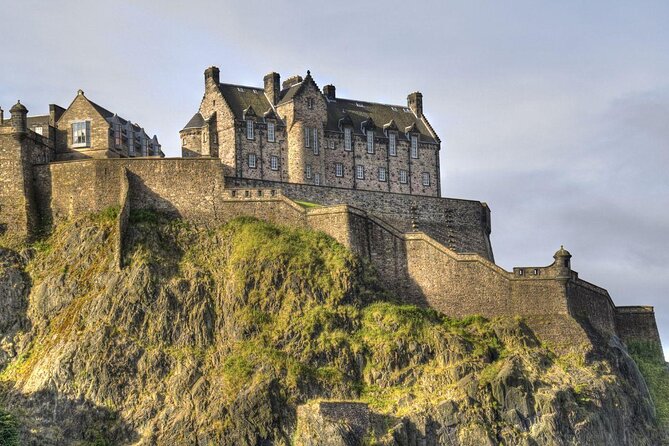
Edinburgh gives you plenty to work with. The tour can include grand city views, streets, lights, cars, and boats. The exact mix depends on the route and your aims, but the idea is to treat the city as a set of photographic problems. A strong subject still needs good framing. A famous building can look flat if the angle, light, or foreground does not help it.
The guide can show you how to use lines to pull the eye through a frame, how repetition can create order, and how a lower or higher camera position can change the feeling of a scene. These are useful lessons long after you leave Scotland. They apply to city streets, family photos, travel images, and almost anything else you photograph.
I especially like that the teaching includes your own creative style. You are not being pushed toward one correct look. The goal is to give you more control, then help you make choices that suit the image you want.
Camera settings that matter after dark
Night photography can make a familiar camera feel unfamiliar. The tour gives you practical help with f-stop, shutter speed, ISO, and focusing, with an emphasis on how those controls work together.
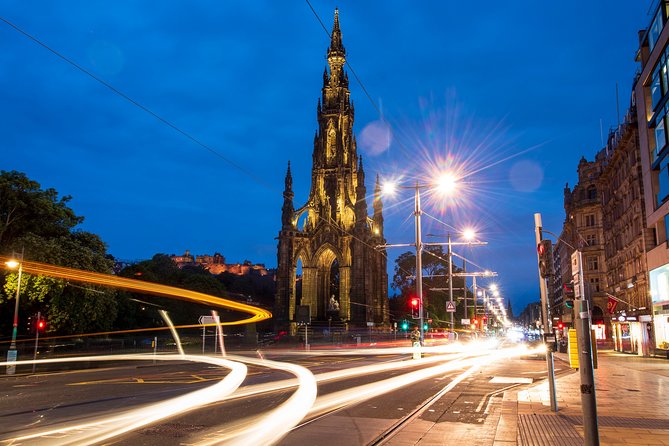
A slower shutter speed can record movement as a soft blur or a streak of light. A wider aperture can help in darker conditions, while ISO affects how sensitive the camera is and how much image noise may appear. The important point is not memorizing isolated settings. You learn to make a choice based on the subject, the available light, and the effect you want.
Focusing after dark is another useful part of the lesson. A camera may hunt for focus when the light is weak, and a guide can help you handle that problem. The experience also covers basic night photography, so you can build a repeatable method instead of relying on luck.
The instruction is aimed at different levels. Beginners can learn what each control does. More experienced photographers can use the session to revisit fundamentals and correct habits that have become automatic. One advanced amateur found the refresher useful while also picking up new techniques, which is a fair indication of the lesson’s range.
More hands-on workshops in Edinburgh:
- London: Traditional English Scone Making and Tea Workshop
★ 5.0 · 702 reviews - Surf Lesson
★ 5.0 · 349 reviews - London: East End Street Art Tour and Spray Painting Workshop
★ 4.8 · 297 reviews - London Traditional English Scone Making and Tea Workshop
★ 5.0 · 271 reviews
Golden hour, street lights, and moving subjects
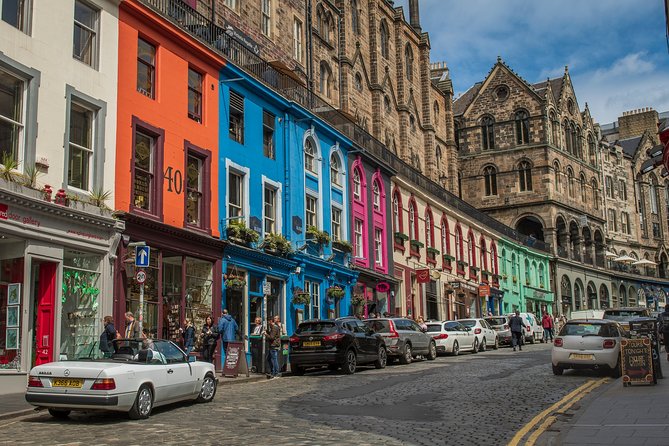
The timing allows you to work with more than one kind of light. The experience includes photographic opportunities around golden hour and later under city lights. That gives you a useful comparison between warm, fading daylight and the harder contrast of artificial light.
Golden hour is forgiving. It can help you practice direction, color, and the way side light shapes buildings and streets. Once the light drops, the problems change. You may need to steady the camera, watch highlights, control exposure, and decide how much darkness to keep in the frame.
Moving subjects add another layer. The lesson specifically covers light streaks from cars and blurred boats along canals. These are not just decorative effects. They teach you how shutter speed records time. You can see how a moving light becomes a line, how a passing boat changes the balance of a frame, and how a static city scene gains energy from motion.
This is also where a tripod can help. Since it is not included, factor in the rental cost if you do not own one and want to work with long exposures. You can still learn the technique without treating every image as a final masterpiece, but stable support makes the lesson more useful for this part of the subject.
Light painting and night portraiture
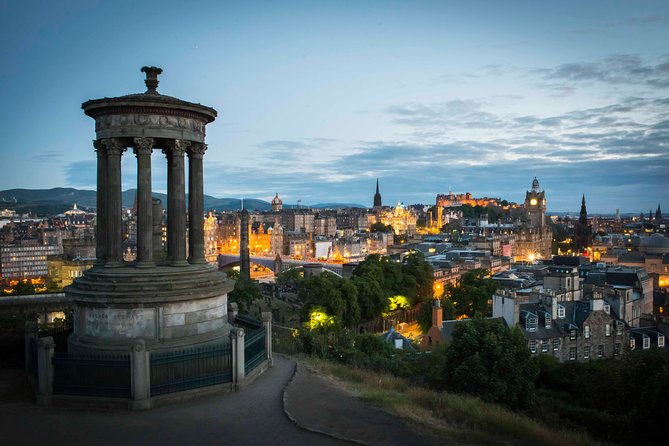
The program also includes light painting and night portraiture. These topics make the session more than a standard city photo walk.
Light painting lets you explore what happens when a moving light source becomes part of the image. It calls for timing, exposure control, and a willingness to try several frames. You may need patience, since the effect depends on movement and coordination rather than simply pointing the camera at a building.
Night portraiture brings a different challenge. The guide can show you how to get more from your flash and how to balance a person with the darker surroundings. That is useful if you want portraits that still feel connected to Edinburgh rather than brightly lit snapshots with the city lost behind the subject.
Not every photographer will want equal time on all these topics. That is another reason the private format has value. You can spend more of the session on long exposures if that is your priority, or shift toward portraits and flash if you want practical people photography.
Image feedback while you work
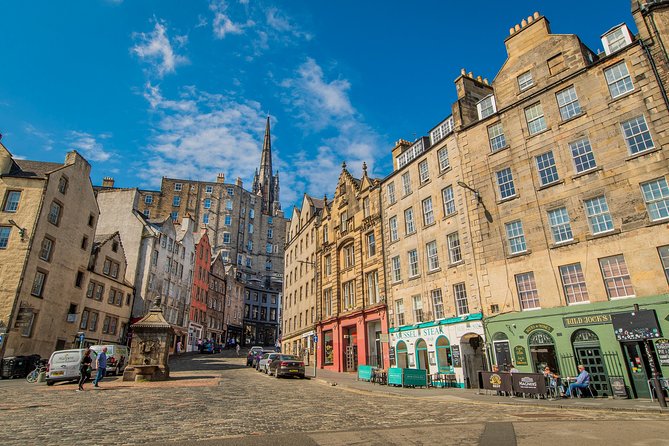
The lesson includes photography review, and this may be the part that gives the experience its lasting value. Pressing the shutter is easy. Understanding why one image works better than another takes more practice.
The guide can look at your images and offer specific suggestions on composition, impact, and technique. You might learn that a stronger angle would remove a distraction, that a different exposure would protect bright lights, or that a passing subject needs more space in front of it. Advice is most useful when it connects directly to photographs you just made.
That feedback also helps you avoid a common travel photography trap: coming home with hundreds of technically acceptable images that all look alike. A good guide can push you to vary your viewpoint, wait for better movement, or simplify the frame.
Martin Smith’s style is described as supportive rather than forceful. He listens to what you want to tackle and helps you build confidence while keeping the session relaxed. That matters when the weather turns unpleasant or a series of attempts does not work. Photography lessons are more useful when you feel comfortable experimenting.
Weather, walking, and the practical side
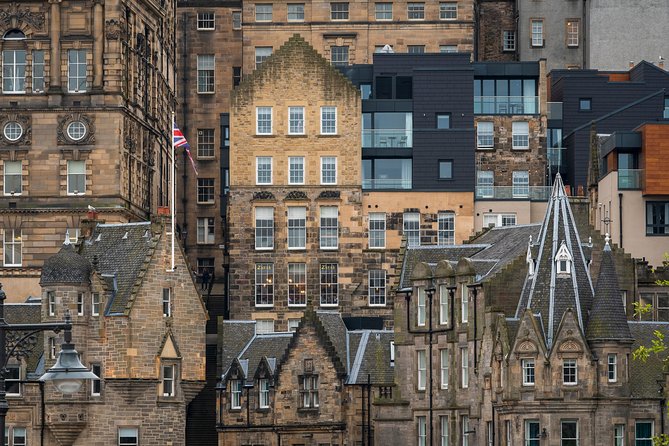
Edinburgh weather can change quickly, and this is an outdoor activity. Rain, cold, fog, and wet conditions may affect the route and the photographs. They can also become part of the lesson. Fog changes distance and contrast, rain adds reflections, and wet streets can pick up artificial light.
You should dress for an evening outdoors and protect your camera gear. The guide has adapted sessions when rain and fog arrived, shifting the focus rather than treating poor weather as a reason to give up. Still, you should book this expecting outdoor photography, not a sheltered indoor class.
The tour ends back at 43 Leith Street. It is suitable for most participants, and the experience is private for your group. The activity is offered in English, with a mobile ticket and access to nearby public transportation.
A small but telling detail from one session is that Martin helped carry a tripod and camera gear, and even shielded a lens from rain for an extended period. You should not book on the assumption that every guide will carry all your equipment, but this reflects the hands-on spirit of the instruction.
Is $191.95 per person good value?
At $191.95 per person, this is not a cheap sightseeing walk. The value depends on what you want to get from the evening.
For a casual photographer who only wants a few attractive Edinburgh pictures, the cost may be hard to justify. You could explore the city independently and take your chances with the light. The tour becomes stronger value if you want to improve your camera skills, have limited time in Edinburgh, or care about returning with images that are more personal than standard postcard views.
A private lesson also saves you from spending time searching for viewpoints on your own. The guide brings local familiarity and can take you to angles you might not find during a short visit. You are paying for tuition, route planning, feedback, and the chance to adapt the session to your level.
Group discounts may be available, though the exact savings are not provided. Since this is a private activity, ask about the cost for your full party if you are traveling with friends or family. The per-person price may make more sense when shared by a small group with similar photography goals.
Who should book this experience?
I would recommend it most strongly to:
- Beginners who want help using manual controls without a crowded class.
- Hobby photographers who want better night images and long-exposure results.
- Experienced amateurs who need a creative reset or feedback on composition.
- Couples or small groups who share an interest in photography.
- People with only a short stay who want efficient access to useful views.
- Anyone who wants to photograph Edinburgh after dark rather than only see it in daylight.
It may be less suitable if you do not own a camera, dislike walking outdoors in uncertain weather, or want a simple sightseeing tour with no technical instruction. You also need to be willing to practice. The guide can explain the settings, but you still need to take the pictures and make the decisions.
Should you book the Edinburgh Photography Masterclass?
Book it if you want a personal photography lesson tied to a real city, especially if night photography, light trails, flash, and composition are high on your list. Martin Smith’s patient teaching style and flexible approach make the experience appealing across a wide range of ability levels.
Think twice if you only want a quick photo stop or do not want to carry a camera and possibly arrange a tripod. At $191.95 per person, the price is justified by instruction and personal attention, not by sightseeing alone.
For the right photographer, this is a smart way to spend an evening in Edinburgh. You get useful camera practice, a chance to try subjects that are difficult to stage on your own, and feedback you can continue using after the city lights are gone.
FAQ
Where does the photography lesson start?
The lesson starts at 43 Leith Street, Edinburgh EH1 3BH, UK.
Where does the activity end?
The activity ends back at the meeting point on Leith Street.
How long does the experience last?
The photography lesson lasts approximately three hours.
Is this a private activity?
Yes. Only your group participates in the private tour.
Is a camera provided?
No. You need to bring your own camera.
Can I rent a tripod?
Yes. A tripod is available to rent, but it is not included in the price.
What photography skills are covered?
The lesson can cover composition, camera angles, lines, repetition, f-stop, shutter speed, ISO, focusing, night photography, light painting, night portraiture, flash, long-exposure light streaks, and image review.
What is the cancellation policy?
You can cancel at least 24 hours before the local start time for a full refund. Cancellations or changes made less than 24 hours before the start time are not accepted for a refund.
Just added in Edinburgh
- Edinburgh Rail Trip from London with Castle entry and Hop-on Hop-off bus★ 4.0 · 227 reviews
- Discover Malt Whisky Day Tour Including Admissions from Edinburgh★ 4.5 · 285 reviews
- Edinburgh: Holyrood Distillery ‘Journey to Whisky’ Tour & Tasting★ 5.0 · 126 reviews
- Evolution of Gin and Underground Gin Tasting in Edinburgh | 1hr★ 5.0 · 59 reviews
- Underground City of the Dead Tour★ 4.5 · 272 reviews
- Edinburgh’s Donut & Pastry Experience with Underground Donut Tour★ 5.0 · 113 reviews
- Edinburgh Airport Transfer to or Anywhere in Uk★ 5.0 · 37 reviews
- Edinburgh: The Ultimate Whisky Experience Tour★ 4.5 · 235 reviews
Workshops, compared.
Traditional English Scone Making and Tea Workshop
Read our review →

East End Street Art Tour and Spray Painting Workshop
Read our review →London Traditional English Scone Making and Tea Workshop
Read our review →
Browse the lists this tour appears in