
Reviewed · BELFAST TOURS
Belfast Troubles Tour: Walls and Bridges
Belfast’s Peace Wall is not just a photo stop. It is a physical reminder of how politics, religion, identity, and fear shaped daily life here. This walking tour connects that difficult past with Belfast’s older streets, public buildings, music scene, and hopeful future.
I like the personal scale of the tour and the way it crosses both nationalist and unionist areas instead of treating the Troubles as a simple story with two neat sides. I also like guides such as Arthur McGee and Steve, who explain events through lived experience, humor, and plain language. The drawback is clear: this is not a light sightseeing stroll. Some descriptions are graphic, and the steady walking can feel demanding.
Key points to know
- Three hours on foot: Expect a serious walk with frequent stops, not a quick bus tour.
- A local perspective: Arthur McGee and Steve are among the guides associated with this experience, bringing personal memories and local context.
- More than the Troubles: City Hall, the Albert Clock, Cathedral Quarter, Belfast Entries, and First Presbyterian Church broaden the story.
- The Peace Wall and murals: You get time to look, take photographs, and ask questions rather than simply passing by.
- Small private format: The tour is private, with a maximum of 16 people, and includes a professional local guide.
- Mature subject matter: The tour is for ages 14 and up and includes graphic content about the conflict.
Why this Belfast walking tour matters
Many Belfast tours focus almost entirely on murals and the Peace Wall. Those are important, but they can leave you with a narrow picture of the city. Walls and Bridges gives you the landmarks first, then uses them to explain how Belfast became divided and how it is trying to move forward.
The title has a double meaning. The walls are concrete, steel, and painted slogans, but they also represent the barriers people build between communities. The bridges refer to the effort to understand the other side, even when the past remains painful.
That makes this a useful first tour in Belfast if you want context before visiting places such as the Titanic Quarter, the Ulster Museum, or the political murals on your own. You are not simply looking at a wall. You are learning why it is there, what it meant to people living nearby, and why it has not yet disappeared.
The tone is serious, but it is not solemn every minute. Guides use humor to keep the group engaged, then return to the hard facts. That rhythm matters. Three hours of uninterrupted political tragedy would be exhausting. The mix of stories, buildings, jokes, and difficult material makes the time pass quickly.
A few more half-days in Belfast worth comparing
- Titanic Belfast Entrance Ticket: Titanic Visitor Experience Including SS Nomadic
★ 4.5 · 3,698 reviews - Cab Tours Belfast Famous Black Taxi Tours
★ 5.0 · 3,633 reviews - A History of Terror – Belfast City Centre Walking Tour
★ 5.0 · 2,883 reviews
Starting at City Hall and the heart of Belfast
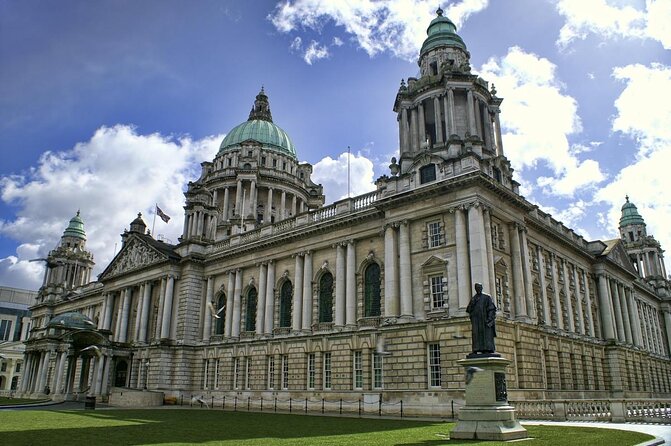
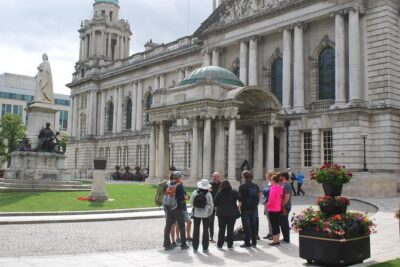
The meeting point is Belfast City Hall, a practical place to begin because it is central, easy to find, and close to public transport. The building itself sets the tone for the first part of the walk.
City Hall dates from the early twentieth century and was designed to make an impression. Its dome rises 174 feet, and the interior includes several kinds of Italian marble, Greek Cippolino marble, and stained glass windows. You receive about 10 minutes here, enough to appreciate the scale and hear why the building means more than its appearance.
This is a useful opening because Belfast’s public buildings reflect the city’s industrial wealth and civic ambitions. Before the Troubles, Belfast was already shaped by shipbuilding, engineering, trade, politics, and religious divisions. The tour places the conflict within that longer story rather than presenting it as an isolated event.
Nearby, you pass a modern sculpture by Dan George. It combines a traditional Celtic design with references to engineering, industry, and Belfast’s communities. The sculpture is a small stop, but it helps show how the city uses public art to connect older identity with modern Belfast.
You will also encounter the Big Fish in the city center. The itinerary gives greater attention to other stops, but the Big Fish is one of the recognizable city landmarks included in the wider walk. The route then continues toward the Albert Clock and older parts of central Belfast.
Divis Street murals and the International Wall
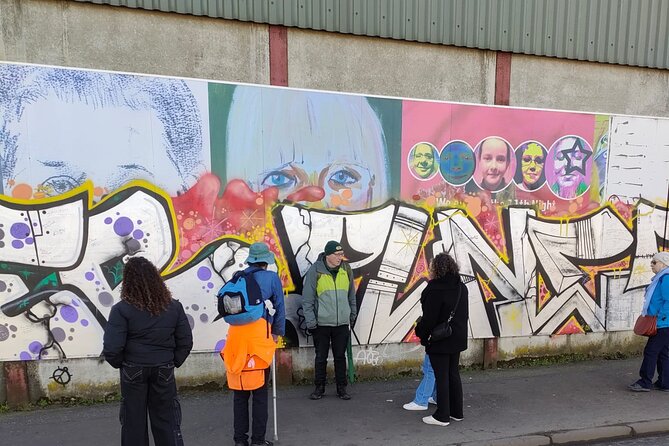
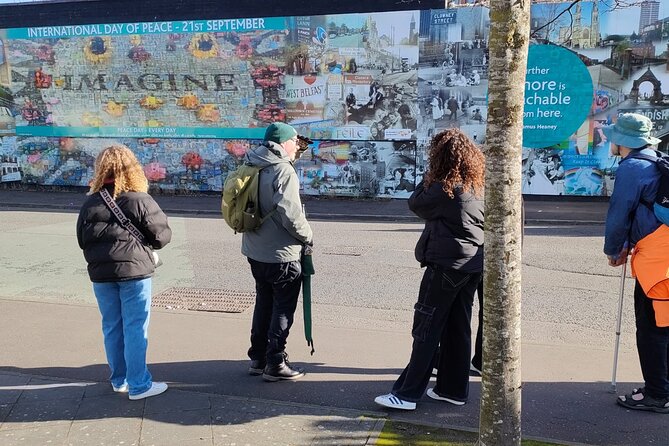
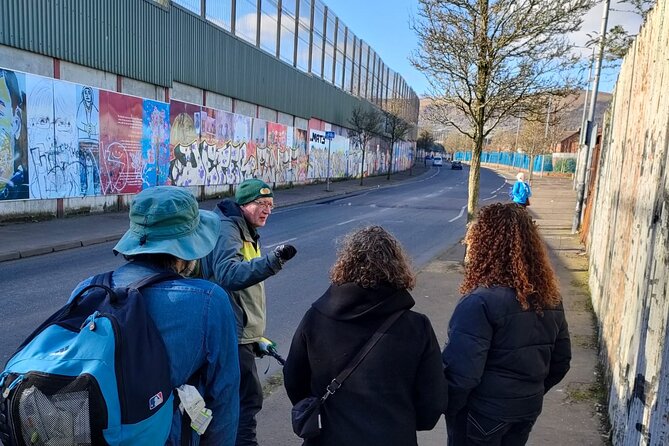
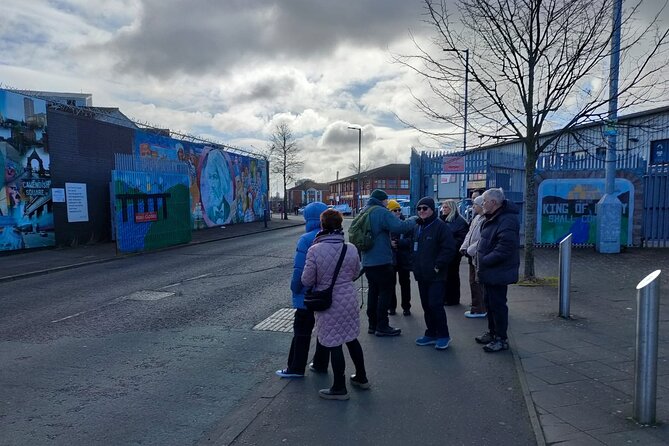
The stop at the International Mural Wall on Divis Street moves the tour from civic Belfast into the political geography of the Troubles. These murals are not decoration in the usual sense. They function as public messages, memorials, political statements, and records of how communities viewed themselves and their opponents.
You have about 10 minutes here. That is enough time to study the images and listen to the explanation without feeling rushed. You can also ask questions, which is important because a mural can be difficult to understand without local context.
The best way to approach these images is with patience. A quick photograph may show colors and symbols, but it will not explain the people, events, or political ideas behind them. Your guide helps connect the artwork to Belfast’s past and to the continuing debate over identity.
This is also where the tour benefits from a local guide. The subject is easy to reduce to slogans from outside. A guide who grew up in Belfast can explain how such images were seen by people who lived with them every day.
The Peace Wall and the physical divide
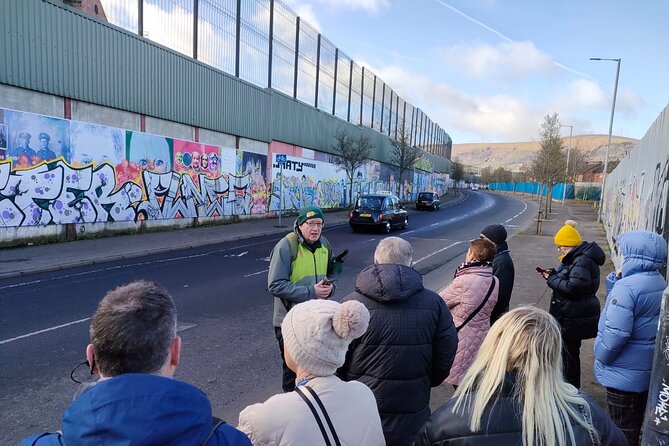
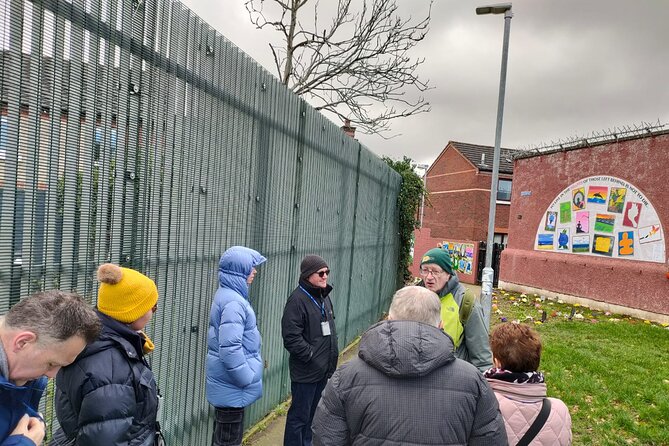
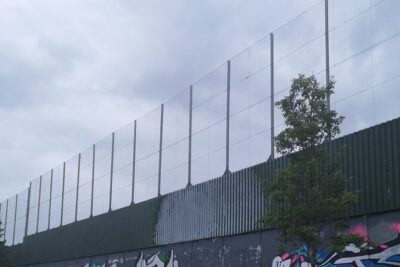
The Peace Wall is the emotional center of the walk. At about 16 metres high, these barriers separate communities and are topped with mesh designed to stop petrol bombs. The wall is a blunt object, both physically and politically.
You get around 15 minutes here, with time to take photographs and examine the structure closely. That time is valuable. On a bus, you might see the wall through a window and move on before understanding its scale. On foot, you can stand beside it and grasp how completely it interrupts the neighborhood.
Your guide explains the communities on either side, the reasons the walls were built, and the conflict that made them necessary. The discussion does not treat the wall as a simple symbol of one group’s wrongdoing. The tour aims for a balanced account of a complicated political and religious divide.
You should also expect personal stories. Guides such as Arthur McGee have lived through the period they describe, and that changes the texture of the explanation. The material becomes less like a textbook and more like an account of how political violence affected ordinary routines, families, streets, and assumptions.
This stop can be emotional. The tour includes graphic content, and the subject involves murder, injury, fear, discrimination, and loss. If you want a gentle introduction to Belfast, choose another sightseeing walk. If you want a direct explanation of the conflict, this is the place where the tour earns its price.
Same trip, a completely different kind of day:
- Private Black Taxi Belfast City Tour
★ 5.0 · 2,188 reviews - City Sightseeing Belfast Hop-On Hop-Off Bus Tour
★ 4.5 · 2,012 reviews - Belfast’s Political Mural Taxi Tour
★ 5.0 · 1,180 reviews - Belfast black taxi tours
★ 5.0 · 1,166 reviews
The Albert Clock and Belfast’s older foundations
The Albert Memorial Clock gives the tour a change of pace. Belfast’s own leaning tower rises 113 feet and leans about four feet from the perpendicular. It occupies the location associated with the crossing point where Belfast was established.
The clock tower includes a statue of Prince Albert and is linked to the city’s Victorian past. It also appeared in the film noir Odd Man Out, which starred James Mason. You have only about five minutes here, so this is more of a focused explanation and photograph stop than a full visit.
The tower adds an important reminder: Belfast is not defined only by the Troubles. Its story includes royal memorials, industrial growth, civic pride, film, architecture, and older urban traditions. These details keep the tour from becoming a single subject lesson.
Cathedral Quarter, Belfast Entries, and the city’s social life
The Cathedral Quarter shows another side of present-day Belfast. Its cobbled streets, colorful murals, pubs, restaurants, and narrow entries make it one of the city’s main evening districts. You spend about 10 minutes walking through the area.
The stop is brief, but it helps you see Belfast as a living city rather than a museum of conflict. The area also has connections to major rock events, adding music to the tour’s mix of politics, architecture, and local culture.
Next come the Belfast Entries, historic passageways that are easy to miss if you do not know where to look. The group meanders through these lanes, hearing about revolution, intrigue, and pubs. They provide a sense of old Belfast at street level, away from the larger public buildings.
I like this part because it rewards walking instead of riding. A bus can show you the main roads, but these narrow passages make you slow down and pay attention. You might not find them on your own, especially if you are visiting for only a day.
The route also gives you a break from the heaviest material. That does not make the political history less important. It makes the full experience easier to absorb.
First Presbyterian Church closes the loop
First Presbyterian Church is a particularly thoughtful final stop. Dating from 1783, it takes you into a building associated with a more complicated version of Belfast’s religious and political past.
Inside, the elliptical shape of the church is a striking feature. John Wesley preached from its pulpit and admired the design. Members of the congregation also took strong positions on civil and religious freedoms.
That history challenges the easy assumption that Belfast’s religious communities always acted as sealed, opposing blocks. The church helps show that individuals and congregations could support liberty and challenge accepted political arrangements, even in a city marked by division.
You have around 10 minutes to look around and take photographs. The church is also only about five minutes from City Hall, making it a convenient ending point. The official end is on Rosemary Street, at the church and within sight of the starting area.
Ending here is smart. After the walls, murals, and difficult stories, the church gives you a quieter place to think. It does not pretend the past was simple, but it leaves you with the idea that identity and belief have never fitted perfectly into two opposing boxes.
What the guides add to the experience
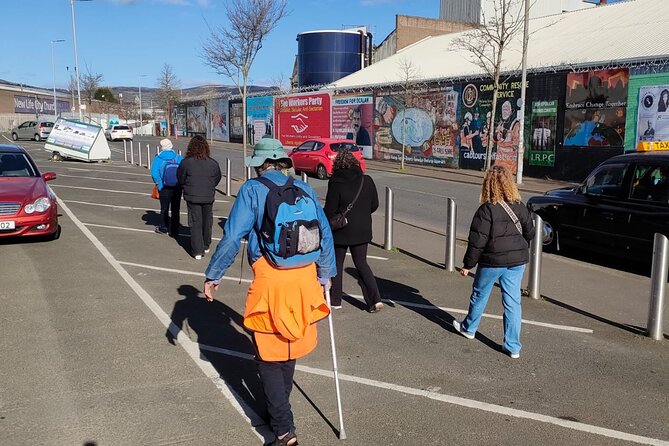
The guide can make or break a history walk, and this tour depends heavily on the person leading it. Arthur McGee receives repeated praise for his storytelling, humor, directness, and lived experience. Steve is also described as informative and engaging, with personal stories that give the history a human scale.
Do not expect a polished lecture delivered from a script. The best parts come through explanation, questions, and conversation. The guide may discuss politics, economics, music, religion, discrimination, and the social effects of violence in the same walk.
A strong feature is the effort to remain balanced. The goal is not to tell you which side to support. It is to explain how the divide developed, how prejudice shaped decisions, and how ordinary people lived within the consequences.
You should arrive with an open mind. The tour may challenge assumptions you bring from newspaper headlines, films, or simplified accounts of Irish history. The guide can answer questions, but no three-hour walk can cover every part of the conflict.
Headsets may be provided, which helps when the group is walking through busy streets or when you are standing at a wall with people spread out around you. The group size is limited to 16, and the experience is described as private, so it should feel more personal than a large coach excursion.
Price, pace, and practical value
At $33.29 per person, this is reasonably priced for a private, guide-led experience lasting roughly two hours and 40 minutes to three hours. The value is not in the number of landmarks alone. It comes from the time spent explaining what you are seeing and from having a local guide available for questions.
You cover a fair amount of ground, with stops at City Hall, the International Mural Wall, the Peace Wall, Albert Clock, Cathedral Quarter, Belfast Entries, and First Presbyterian Church. Wear comfortable shoes and expect ordinary city walking rather than a strenuous hike.
The pace is generally well judged, but the subject matter can make the walk feel longer for some people. Three hours passes quickly if you enjoy history and discussion. It may feel intense if you prefer quick stops and light commentary.
The minimum age is 14, and that limit is sensible because the tour includes graphic material. It is not aimed at children. Service animals are allowed, the route is near public transportation, and a moderate level of physical fitness is recommended.
The tour is offered in English. Free cancellation is available up to 24 hours before the start time. If the minimum number of participants is not reached and the experience is canceled, you are offered another date or experience, or a full refund.
Who should book this Belfast tour?
Book it if you want to understand Belfast beyond its postcard sights. It suits first-time visitors who want a clear introduction, history fans who prefer walking to riding, and anyone interested in how political conflict affects neighborhoods and daily life.
It is also a good choice if you want to see both sides of Belfast’s community divide without being pushed toward a political position. The personal stories and humor make difficult material more approachable, while the route adds older architecture, music, public art, and church history.
Think twice if you dislike graphic descriptions, political discussion, or several hours on foot. This is not a quick orientation tour, and the Peace Wall is not treated as a simple photo opportunity.
Should you book the Walls and Bridges tour?
Yes, if your main goal is to understand Belfast’s recent past and connect it with the city you see today. The combination of the Peace Wall, Divis Street murals, historic lanes, civic landmarks, and First Presbyterian Church gives you more than a narrow Troubles tour.
I would choose it early in a Belfast visit, then use what you learn to make sense of other neighborhoods and museums. Book it with comfortable shoes, enough time to listen, and a willingness to sit with difficult stories. The price is fair, the route is substantial, and the local perspective gives the walk its real value.
FAQ
How long does the Belfast Troubles Tour last?
The tour lasts approximately two hours and 40 minutes to three hours.
Where does the tour start?
It starts at Belfast City Hall, Belfast BT1 5GS, United Kingdom.
Where does the tour end?
It ends at First Presbyterian Church on Rosemary Street, Belfast BT1 1QB, within sight of Belfast City Hall.
What landmarks are included?
The route includes City Hall, the Big Fish, the Albert Memorial Clock Tower, the International Mural Wall on Divis Street, the Peace Wall, Cathedral Quarter, Belfast Entries, and First Presbyterian Church.
Is the tour suitable for children?
The minimum age is 14. The tour is not aimed at children and includes graphic content about the Troubles.
Can I cancel for a full refund?
Yes. You must cancel at least 24 hours before the experience starts to receive a full refund. Changes or cancellations made less than 24 hours before the start time are not accepted for a refund.
Just added in Belfast
- Walk the Secrets of the Titanic★ 5.0 · 391 reviews
- Best of Belfast Walking Tour★ 5.0 · 399 reviews
- Game of Thrones Studio Tour Admission and Transfer from Belfast★ 5.0 · 256 reviews
- Game of Thrones Studio Tour Admission Ticket★ 5.0 · 312 reviews
- Official World Famous Belfast Taxi Tour ™★ 5.0 · 623 reviews
- Famous 1.5 hour Belfast Murals Tour★ 5.0 · 477 reviews
- Belfast Political Tour-Conflicting Stories Walking Tour★ 4.5 · 459 reviews
- From Belfast: Game of Thrones Winterfell Locations Trek★ 5.0 · 501 reviews
Belfast Tours, compared.
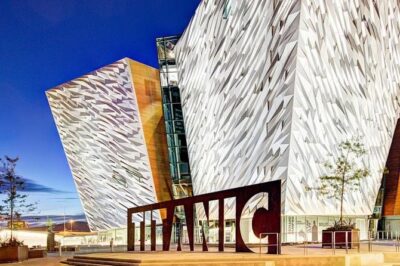
Titanic Belfast Entrance Ticket: Titanic Visitor Experience Including SS Nomadic
Read our review →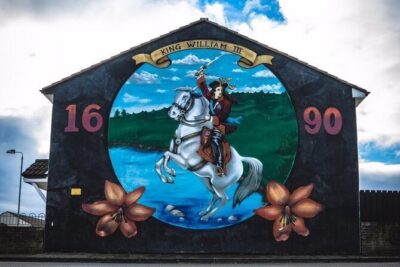
A History of Terror – Belfast City Centre Walking Tour
Read our review →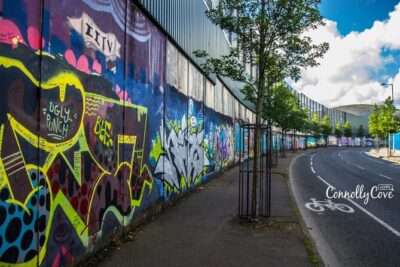
City Sightseeing Belfast Hop-On Hop-Off Bus Tour
Read our review →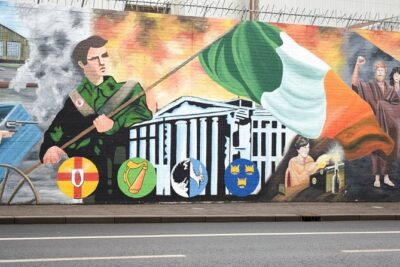

Official Game of Thrones Studio Tour Admission Ticket
Read our review →Browse the lists this tour appears in