
Reviewed · COTSWOLDS TOURS
Stonehenge, Avebury & the Cotswolds from Bath (Small group)
Stonehenge is only part of the story here. This full-day trip links Britain’s best-known prehistoric monument with Avebury’s open stone circle, two Wiltshire photo stops, the film-friendly village of Lacock, and Castle Combe in the Cotswolds. You get a broad look at the countryside around Bath without having to solve the day’s transport puzzle yourself.
I like the early Stonehenge arrival, which helps you see the monument before crowds build, and the small vehicle, limited to 15 people. I also like the balance between guided commentary and free time. Guides such as Andy, Sean, Bill, Kevin, Jerry, and Richard have been praised for their history, humor, and local knowledge. The main drawback is the amount of ground covered: you see a lot, but long stretches of driving are part of the bargain.
Key points
- Stonehenge before the crowds: Arrive early, with reserved tickets collected by the guide to reduce queuing.
- Avebury feels more open and personal: Walk freely among the stones and explore the nearby 17th-century village.
- Four distinct kinds of stops: Prehistoric monuments, chalk figures, a preserved village, and a classic Cotswolds setting all fit into one day.
- Small-group format: The vehicle carries no more than 15 people, making the day more personal than a large coach tour.
- Pack a picnic if you want maximum time: Lunch in Lacock is not included, and a picnic can prevent delays.
- Budget for Stonehenge admission: The tour price is $90.15 per person, but the £23 Stonehenge ticket is paid separately on the day.
Why this Bath day trip covers so much
This is a busy but carefully arranged nine-hour outing. You leave Bath at 8:15 a.m. from 1 North Parade and return to the same meeting point, usually with the day ending around late afternoon or early evening.
The route works because each stop gives you something different. Stonehenge supplies the famous sight. Avebury offers a more open encounter with prehistoric stones. Silbury Hill and the Cherhill White Horse add quick views from the road. Lacock brings village streets and an optional abbey, while Castle Combe provides the classic Cotswolds finish.
I would not choose this tour if you want a slow day with long meals and hours in one village. I would choose it if you have limited time around Bath and want to see several important places without renting a car or planning a complicated route.
The small-group setup matters. With a maximum of 15 people, the guide can give more direct commentary, and a small vehicle can reach villages that are less practical for a full-size coach. You should still expect a group experience, not a private tour, but the scale is much easier to manage.
A few more half-days in the Cotswolds worth comparing
- From London: Full-Day Cotswolds Small-Group Tour
★ 4.8 · 4,665 reviews - From London: Cotswolds and Oxford Guided Day-Trip
★ 4.7 · 3,720 reviews - Oxford, Stratford-upon-Avon, Cotswolds & Warwick Castle Day Trip
★ 4.5 · 2,943 reviews
Stonehenge before the main crowds arrive
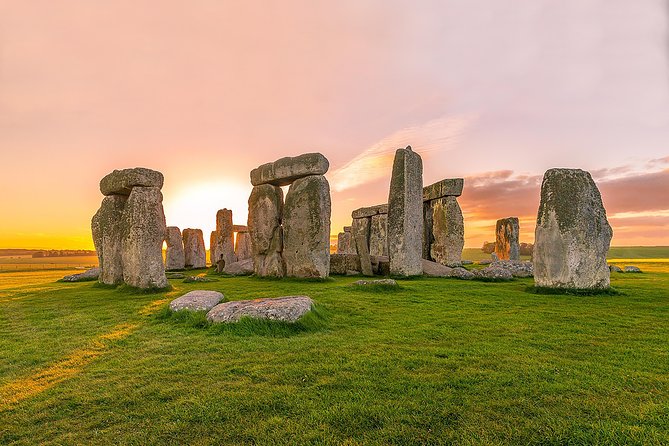
The first major stop is Stonehenge, with about 1 hour and 40 minutes available. The early timing is one of the smartest parts of the day. Stonehenge can become much busier as the morning goes on, so arriving near opening time gives you a better chance to take in the stones without a thick crowd around every viewpoint.
Your guide collects the reserved entrance tickets, helping reduce delays at the entry point. There is an important catch: the £23 admission fee is not included in the tour price. You need a debit or credit card to pay for it on the day, so do not treat the $90.15 booking price as the complete cost.
Stonehenge itself is approached through the visitor facilities and displays before or after the monument visit. Allow time for the information center, exhibits, café, and gift shop. An audio guide helps explain the site, while your local driver guide adds background during the journey and may lead commentary around the stop.
The monument is impressive, but it is also easy to over-romanticize. You do not walk among the central stones at this site. You follow the visitor route and view the circle from designated areas. That makes the early arrival especially useful, since open sightlines improve the experience.
If you like walking, you may have time to take a longer route around the site. One person described using the field and forest trail down from Stonehenge, but the exact amount of walking you can fit in depends on the group schedule and your pace. Wear comfortable shoes and keep an eye on the return time.
Avebury and the freedom to walk among the stones
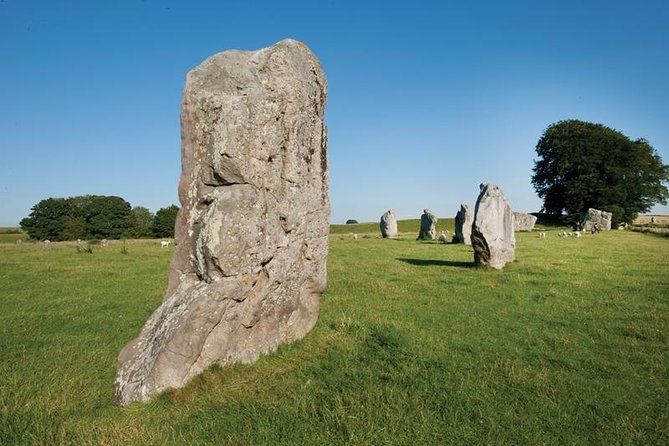
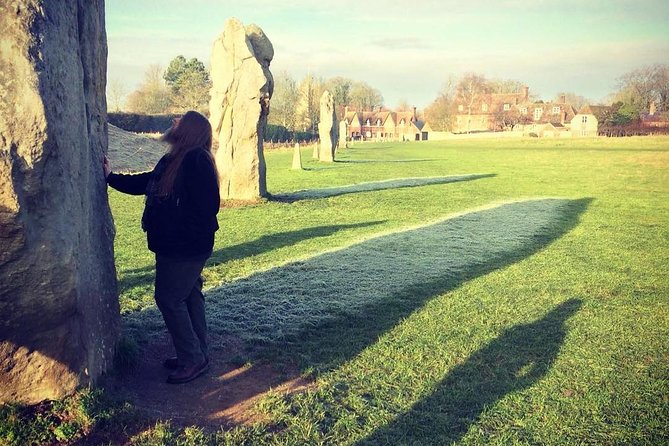
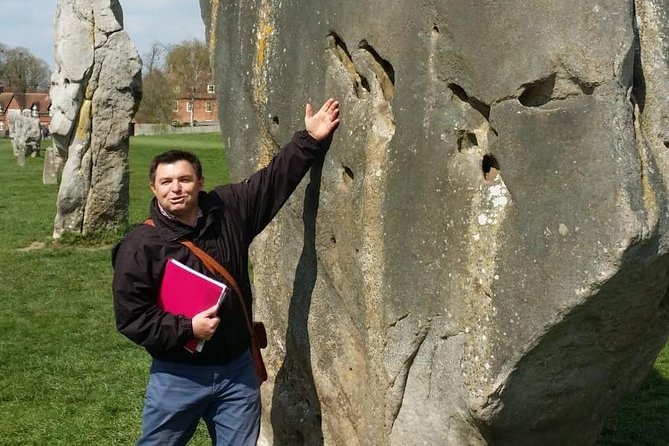
Avebury receives about an hour, and this may become your favorite stop. Unlike Stonehenge, Avebury lets you walk freely among the stones. The setting feels less controlled and more woven into everyday village life, with roads, paths, houses, and a 17th-century thatched pub nearby.
The scale is also striking. Avebury’s stone circle is often described as many times larger than Stonehenge, and its broad arrangement is easier to grasp when you walk through it. You can try dowsing, follow parts of the circle, or simply pause beside the stones and take in the setting.
The nearby village gives you a change of pace. Its old buildings and thatched pub make it a pleasant place to wander, even if you are not especially interested in prehistoric monuments. You should not expect a long village visit, though. One hour goes quickly once you account for walking from the vehicle and finding the parts of the circle you want to see.
This stop is a good example of the tour’s strength. Stonehenge is the famous name, but Avebury gives you a more direct physical connection with the site. You are not just looking across a barrier. You can move among the stones and decide how much history, scenery, or quiet time you want.
Silbury Hill and the Cherhill White Horse
The next stops are short photo pauses rather than full visits. Silbury Hill is described as the largest human-made object in prehistoric Europe. Built about 4,800 years ago, it took longer to construct than Stonehenge, and its original purpose remains uncertain.
You view Silbury Hill from a distance, so this is not a walk up the mound. That is fine for a quick stop, but you should keep your expectations clear. The value comes from seeing the scale and hearing how it fits into the wider prehistoric area, not from spending a long time on site.
The Cherhill White Horse is another roadside viewpoint. Nearly 300 years old, it is one of Wiltshire’s chalk horses, cut into the hillside and best seen from a distance. Its white shape contrasts with the green slopes, making it an easy subject for photographs.
These pauses break up the drive and give the day a little visual variety. They are not major attractions in the same way as Stonehenge or Avebury, but they help you understand that Wiltshire’s prehistoric and rural sights extend far beyond one famous circle.
Same trip, a completely different kind of day:
- Small-Group Cotswolds Tour (From London)
★ 5.0 · 2,597 reviews - Cotswolds Small Group Tour from London
★ 4.5 · 1,752 reviews - From London: Oxford and Cotswolds Villages Day Trip
★ 4.6 · 1,659 reviews - From London: Full-day Cotswolds Tour with Optional Lunch
★ 4.6 · 1,622 reviews
Lunch in the time-preserved village of Lacock
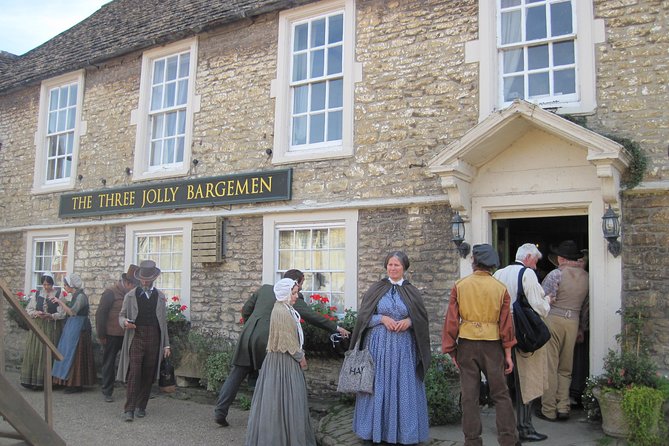
Lacock is the main midday stop, with about 1 hour and 30 minutes. It is a National Trust village with little major construction in the past two centuries, so its streets have an unusually preserved appearance. Timbered buildings, old walls, and thatched roofs make it easy to see why the village has been used for period films and television productions.
You may recognize Lacock from productions such as Harry Potter, Pride and Prejudice, Larkrise to Candleford, and Downton Abbey. The film connection is fun, but the village is worth seeing even if you do not follow those productions. Its appeal comes from the intact streetscape and the chance to walk through a place that feels removed from modern development.
Lunch is not included. There are places to eat in Lacock, but the practical advice is to bring or buy a picnic if you want to protect your sightseeing time. A sit-down meal can be enjoyable, but service delays may cut into your chance to explore the village.
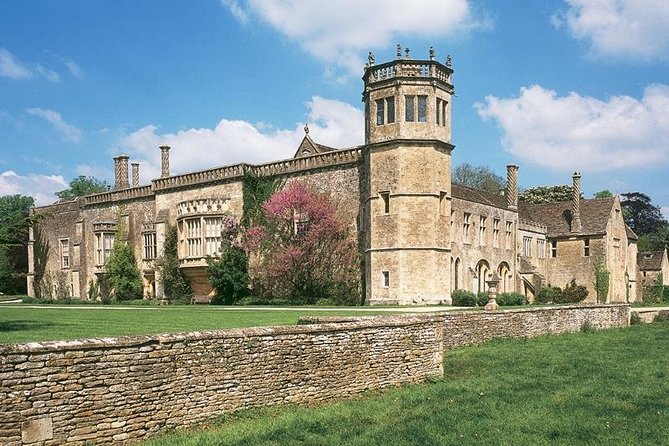
Lacock Abbey is an optional extra. It is one of the remaining Tudor monasteries and later became the home of William Fox Talbot, an important figure in the early development of photography. Admission is not included, and the abbey is open from spring to autumn. If you want to go inside, check its opening details before booking and make sure the timing works with the group’s schedule.
There is a tradeoff here. Lacock gives you enough time for a proper walk and lunch, but not enough time to see every corner, eat slowly, and make a full abbey visit without watching the clock. I would prioritize the village unless the abbey is a personal highlight.
Castle Combe and the classic Cotswolds finish
The final stop is Castle Combe, with about 35 minutes. That is enough for a compact walk, photographs, and a look at the medieval market cross, but it is not a long village exploration.
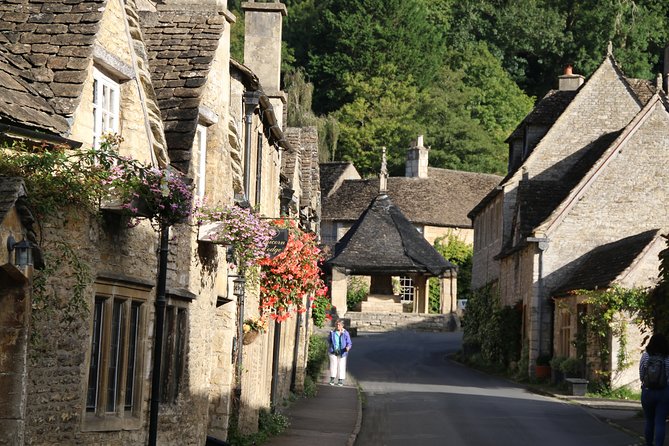
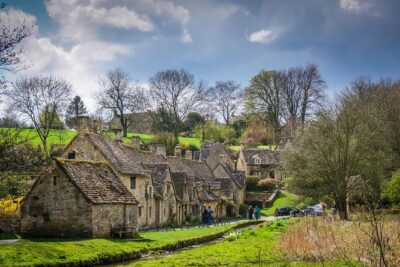
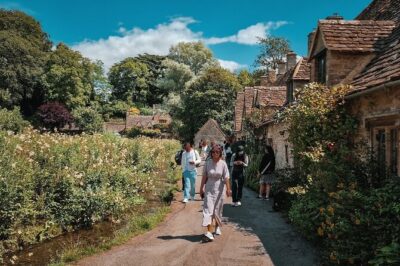
Castle Combe sits in a wooded valley and is known for its cobbled streets, stone cottages, and streamside views. You can look for the medieval clock in St Andrew’s Church and the 13th-century tomb of Sir Walter de Dunstanville. The old weavers’ cottages beside the stream are the picture-postcard scene most people come to see.
The village has also appeared in productions including Stardust, War Horse, Poirot, and the original Dr Dolittle. Again, the film links are a pleasant extra rather than the central reason to visit. The real pleasure is the compact medieval setting and the chance to walk around without a major attraction demanding your attention.
Thirty-five minutes can feel short here, especially if you want to visit the church, take photographs, and sit by the stream. Still, Castle Combe works well as the final stop because it is easy to enjoy in a brief visit. You get the Cotswolds atmosphere without adding another long museum or abbey tour at the end of an already full day.
Guides, transport, and the small-group advantage
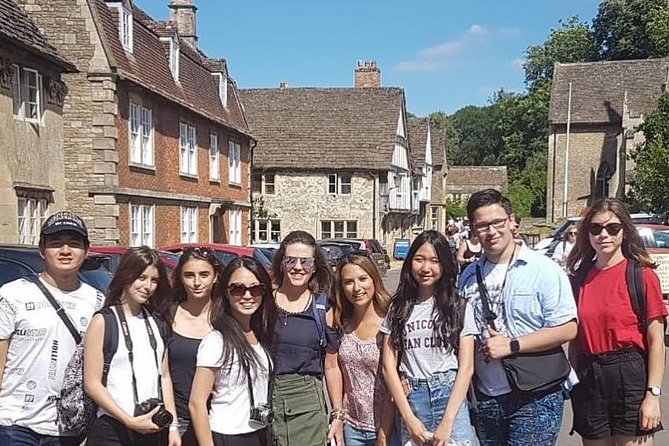
The guide makes a real difference on a route with so much driving. The tour uses local driver guides, and named guides including Andy, Sean, Bill, Kevin, Jerry, Richard, and Rick have been associated with warm personalities, clear explanations, and a good sense of humor.
You should expect commentary not only at the major stops but also while passing through the countryside. That helps turn travel time into part of the experience. One practical point is worth stressing: because the sites are spread out, you will spend a fair amount of the day in the vehicle. The journey is necessary, not wasted, but this is not a walking tour of one compact area.
The vehicle is described as comfortable, and the small group allows a more relaxed feel than a full coach. The guide can explain how the day works, point out places along the way, and keep the schedule moving. Past guests have particularly valued the balance between guided walks and time to explore alone.
The tour is offered in English. It is suitable for most people and permits service animals, but children must be at least five years old. Anyone who finds long road journeys tiring should consider the route carefully, since the attractions are not close together.
Is the $90.15 price good value?
At $90.15 per person, the price is reasonable for a nine-hour small-group outing with round-trip transport from Bath and a local guide. You are paying for convenience, route planning, driving, and access to several places that are difficult to combine by public transport in one day.
The extra £23 Stonehenge admission changes the calculation. Add that cost before comparing this tour with a rental car or a self-planned day. You will also need to budget for lunch unless you bring a picnic.
A rental car might give you more freedom at Lacock and Castle Combe, but it brings parking, navigation, and driving responsibilities. Public transport could reduce the cost in theory, yet fitting Stonehenge, Avebury, Silbury Hill, Lacock, and Castle Combe into one day would be difficult.
For me, the strongest value is not simply the number of sights. It is the early Stonehenge timing and the chance to visit Avebury, Lacock, and Castle Combe in one organized day. If you want to linger at every stop, the schedule will feel tight. If you want a broad and well-managed introduction to the area, the price makes sense.
Useful planning advice before you go
Start with the right expectations. This is a full day, not a leisurely village tour, and the route covers a wide area.
- Bring a debit or credit card for the £23 Stonehenge admission.
- Pack a picnic if you want to avoid losing time at lunch.
- Wear comfortable shoes for Stonehenge and Avebury.
- Keep a little flexibility for British weather, since the tour requires suitable conditions.
- Remember that the group returns to the original meeting point in Bath.
- Book ahead if your schedule is fixed. The experience is often reserved well in advance, with an average booking time of about 57 days.
Free cancellation is available up to 24 hours before the start time for a full refund. Changes or cancellations inside that window are not accepted, and poor weather or failure to reach the minimum group size can lead to a different date or a refund.
Who should book this tour?
Book it if you are staying in Bath, have one free day, and want to see Stonehenge without giving up Avebury and several attractive villages. It is especially useful for first-time visitors who want history, countryside, village streets, and simple round-trip transport in one package.
I would also choose it for the small-group format and the early Stonehenge arrival. The combination gives you more breathing room than a large coach outing, even though the day remains busy.
Skip it if your priority is a long visit inside Lacock Abbey, a slow pub lunch, or extended walks at every prehistoric site. For most people with limited time, though, this is a strong day out from Bath. Pack lunch, budget for the Stonehenge ticket, accept some road time, and you can see an impressive slice of southwestern England in one well-paced trip.
FAQ
Where does the tour start and end?
The tour starts at 1 N Parade, Bath BA1 1NX, at 8:15 a.m. It ends back at the same meeting point in Bath.
How long does the experience last?
The tour lasts approximately nine hours.
Is Stonehenge admission included?
No. Stonehenge admission is paid separately on the day and costs £23 per person. Bring a debit or credit card.
Is lunch included?
No. Food is not included. You can buy lunch in Lacock, but bringing a picnic is recommended to avoid delays and leave more time for exploring.
How large is the group?
The tour has a maximum of 15 participants.
Can I cancel for a full refund?
You can cancel up to 24 hours before the experience begins for a full refund. Cancellations or changes made less than 24 hours before the start time are not accepted.
Just added in the Cotswolds
- From Bristol: Oxford and the Cotswolds Full-Day Tour★ 4.7 · 244 reviews
- From Bath: Stonehenge & the Cotswolds Day Tour with Entry★ 4.8 · 543 reviews
- From Bath: Cotswolds and Oxford Full-Day Tour★ 4.7 · 172 reviews
- From Birmingham: Cotswolds Full-Day Tour★ 4.7 · 215 reviews
- London: Cream Tea at Blenheim Palace & the Cotswolds Tour★ 4.2 · 113 reviews
- From London: Oxford, Stratford, Cotswolds & Warwick Castle★ 4.3 · 110 reviews
- From London: Bath and the Cotswolds Full-day Tour★ 4.1 · 48 reviews
- Cotswolds Villages and Oxford Full Day Tour from London★ 4.5 · 671 reviews
Cotswolds Tours, compared.


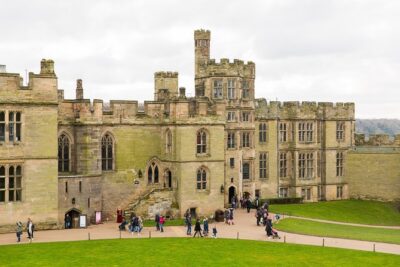
Oxford, Stratford-upon-Avon, Cotswolds & Warwick Castle Day Trip
Read our review →

Cotswolds Day Trip from London with Optional Village Lunch
Read our review →Browse the lists this tour appears in