
Reviewed · BRIGHTON TOURS
Brighton: Royal Pavilion Admission Ticket
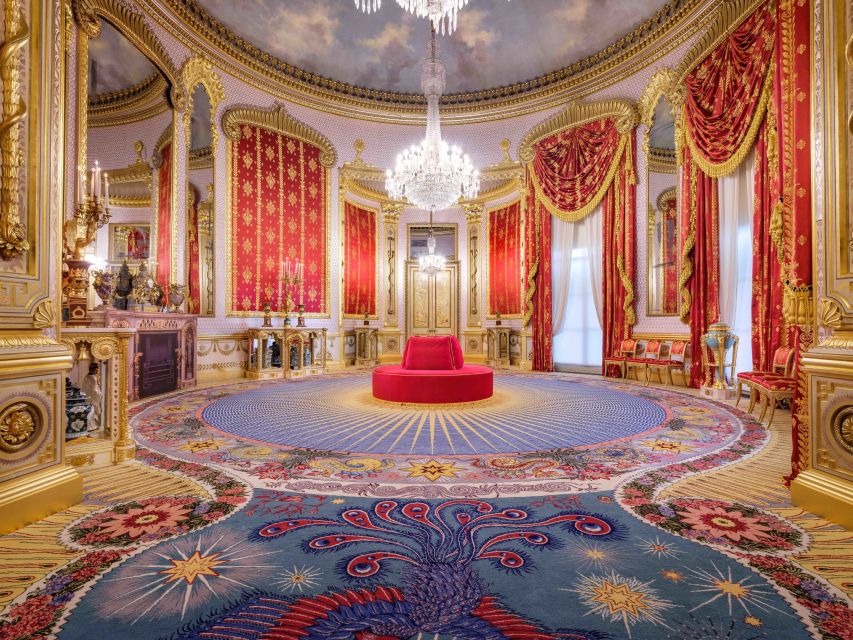
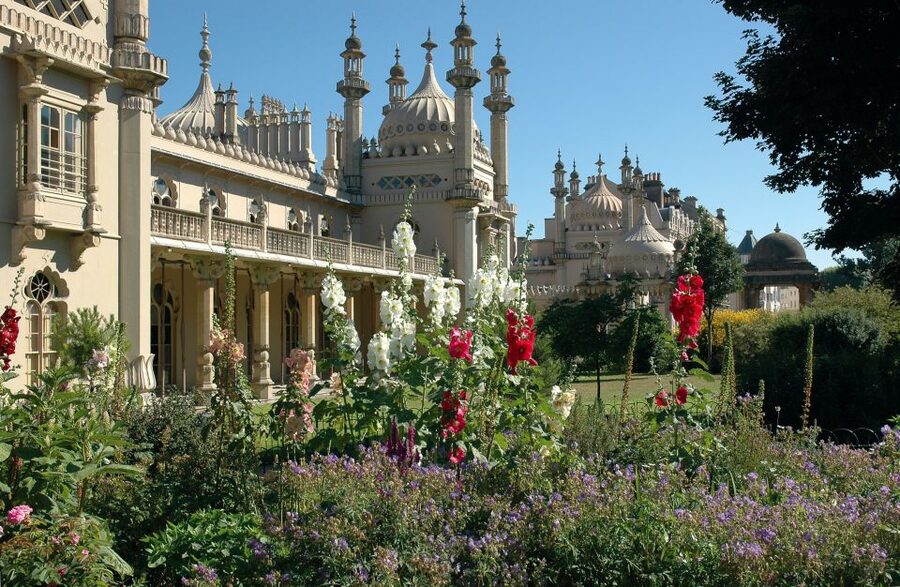
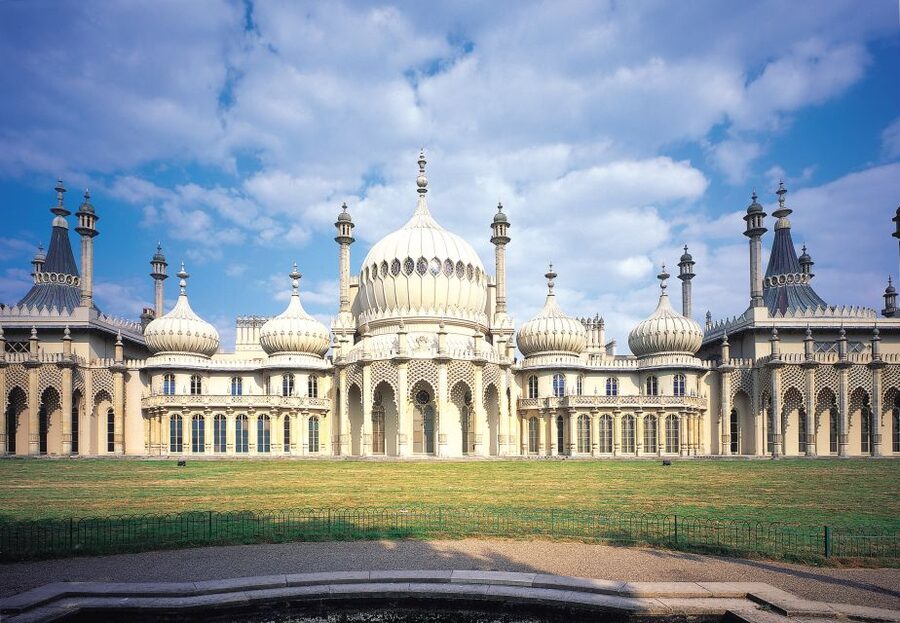
Brighton’s Royal Pavilion is not a polite country house with neat rows of portraits. It is a former royal retreat filled with Chinese-inspired decoration, dragons, chandeliers, and bold colour, built for George IV and completed by architect John Nash. The inside is every bit as surprising as the domes and minarets outside.
I like the freedom of a one-day pass, which lets you set your own pace, and I like the mix of room stewards and audio information. You can pause over a tiny furnishing detail, then ask a question about the palace or its later use as a military hospital. The main drawback is practical: there is no passenger lift, so the upper rooms require stairs.
Key points to know before you go
- A royal palace unlike any other: See interiors designed in an extravagant Chinese-inspired style rather than the restrained look of many British royal residences.
- The Banqueting Room and Saloon are the big visual moments: Expect elaborate ceilings, chandeliers, furnishings, and a recently restored showpiece room.
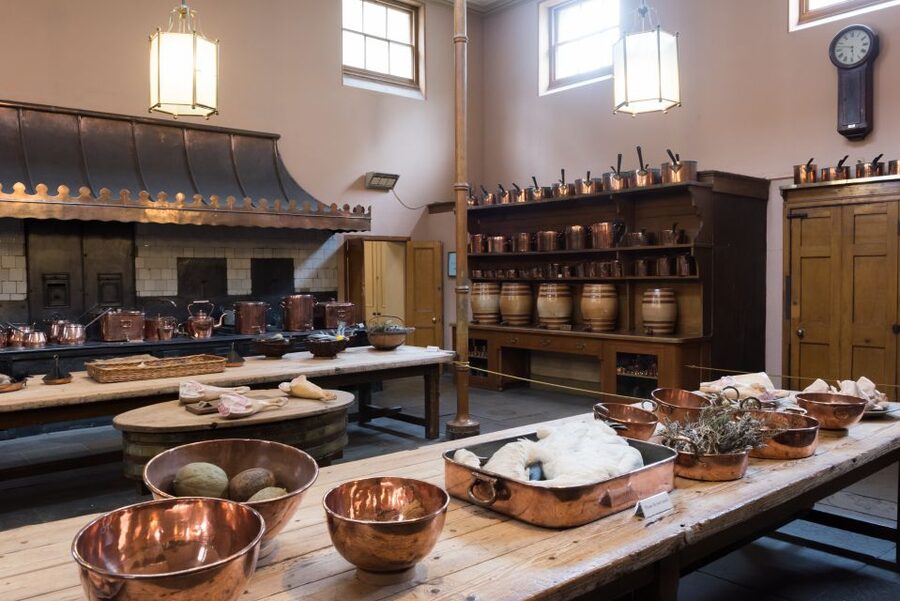
- The Great Kitchen adds a human side: It explains the difficult, hot working conditions faced by the palace staff.
- The building has a surprising wartime chapter: Displays explain how it became a hospital for Indian soldiers during the First World War.
- Your ticket lasts all day: You can take your time inside and return to details that caught your eye.
- Plan around access rules: Cameras, food, drinks, large bags, luggage, pets, mobility scooters, and non-folding wheelchairs are not allowed inside.
Why the Royal Pavilion feels so different
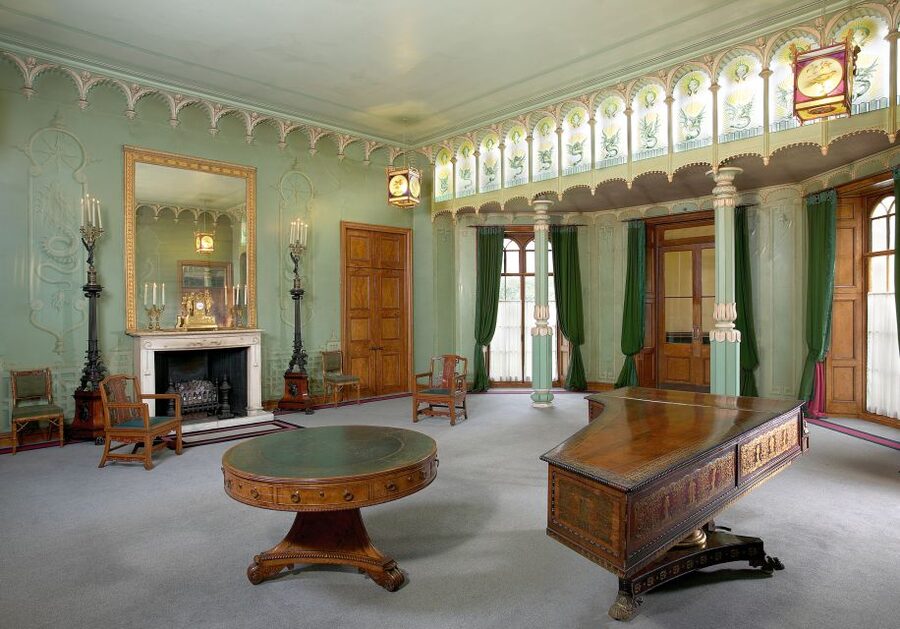
The Royal Pavilion is best understood as a piece of royal fantasy. George IV developed the building as a seaside retreat, and John Nash shaped it into the exotic structure you see today. Its appearance and interiors reflect European ideas about Asia rather than a precise copy of one Chinese palace, which makes the result theatrical, unusual, and often wonderfully strange.
That difference is the chief reason to visit. You are not simply walking through another royal residence and ticking off a throne room. The Pavilion asks you to look up, look behind furniture, and notice how decoration controls the mood of each room.
The exterior is only the first act. Once inside, the richly decorated rooms make a sharp contrast with ordinary Brighton outside. The colours can feel intense, especially in the larger rooms, so give yourself time to let your eyes adjust. If you like architecture, interior design, furniture, or restoration work, this is likely to hold your attention longer than a quick circuit.
The admission price is listed at $26 per person. That is fair value if you give the building proper time, especially since the ticket is valid for one day rather than a fixed tour slot. It is less compelling if you plan only a rushed look at the main rooms, but the palace has enough detail and historical turns to reward a slower visit.
A few more half-days in Brighton worth comparing
- From Brighton: Seven Sisters and South Downs Tour
★ 4.9 · 746 reviews - SEA LIFE Brighton Admission Ticket
★ 4.0 · 468 reviews - Brighton Bar Crawl
★ 5.0 · 377 reviews
Entering through the Pavilion Garden
Admission is through the Royal Pavilion Garden, reached from Pavilion Buildings, New Road, or Church Street. This is useful to know because the building’s dramatic exterior can make the entrance feel less obvious than expected.
The garden provides a good first view before you go inside. Take a moment to look back at the domes and the unusual profile of the building. The surrounding garden is also worth treating as part of the visit rather than as a waiting area.
Once inside, the route is well marked. You can use the audio guide to add context, and stewards are positioned in rooms to explain objects or answer questions. The strongest visits will use both: the audio guide gives a steady story, while the room staff can point out details you might otherwise miss.
One especially useful approach is to avoid racing straight to the grandest room. Start by understanding the building’s purpose and design, then let the decoration become more meaningful as you move through the palace.
The Banqueting Room and Music Room
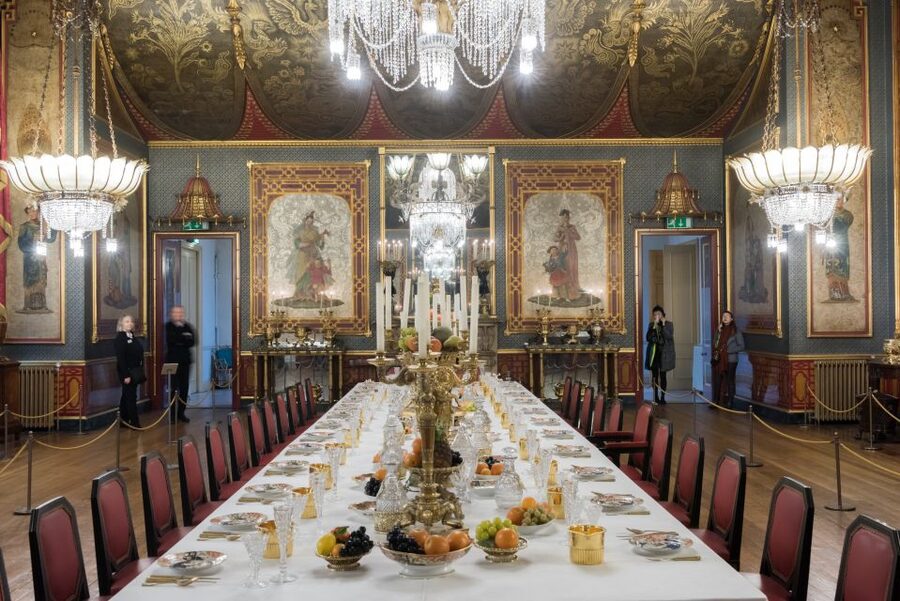
The ground-floor state rooms provide the main spectacle. The Banqueting Room is the room most likely to stop you in your tracks, with its elaborate decoration, huge chandelier, and lavish furnishings. It was designed for display and ceremony, and the scale makes clear that royal entertaining here was meant to impress.
Look upward as much as forward. The ceilings and lighting are not background decoration. They are central to the room’s effect, and many of the most striking details sit above eye level.
The Music Room offers a different kind of grandeur. It is another highly finished interior, but its purpose helps you think about how the Pavilion functioned as a place for royal leisure and entertainment. The audio guide is useful here because furnishings can otherwise blur into one large burst of colour and pattern.
You may find the decoration too much if your taste runs to plain Georgian interiors. That is part of the point, but it can also make a long visit tiring. Take short pauses in less crowded areas when possible, and do not feel you must read every label before moving on.
The restored Saloon and the Great Kitchen
The recently restored Saloon is one of the essential stops. Restoration work has brought back much of the room’s intended effect, and it shows why preservation at the Pavilion is such a demanding job. You are looking at a carefully reconstructed royal interior, not simply a room left untouched since the 1820s.
The restoration also gives you something beyond visual pleasure. It raises practical questions about colour, materials, furnishings, and the evidence needed to recreate a historic room. If you have visited in the past, the building may look different in places as further work continues.
Then comes the Great Kitchen, which gives the visit a welcome change of scale and tone. The grand rooms show how the royal household wanted to be seen. The kitchen helps you picture the work behind that display.
Pay attention to the explanations about the heat and difficult working conditions faced by staff. This is one of the places where a room steward can make a real difference, since practical details are often easier to understand through conversation than from a label. The kitchen makes the palace feel less like a set and more like a working establishment with many people required to keep it running.
Same trip, a completely different kind of day:
- Brighton: City Sightseeing Hop-On Hop-Off Bus Tour
★ 4.5 · 352 reviews - Brighton: Zip Wire Experience Ticket
★ 4.5 · 260 reviews - From London: Brighton & Seven Sisters Small-Group Tour
★ 4.8 · 252 reviews - The Brighton story – walking tour
★ 5.0 · 251 reviews
Upstairs rooms and Queen Victoria’s bedroom
The upper rooms continue the story, including Queen Victoria’s bedroom. These spaces are important because they bring the palace closer to daily royal life. The grand state rooms show ceremony, while bedrooms and private areas suggest routine, comfort, and status.
The stairs are the key consideration. There is no passenger lift, so visitors unable to climb stairs can watch a video of the first floor in the AV room instead. This makes the visit more accessible, but it is not the same as seeing the actual rooms, so plan your expectations before arrival.
Non-folding wheelchairs are not permitted, and mobility scooters cannot be taken inside. Some manual wheelchairs are available on arrival, but they cannot be reserved in advance. The building is wheelchair accessible in its available arrangements, but access is not identical throughout the palace.
If you are visiting with children, anyone under 14 must be accompanied by someone over 16. The building can work well for families because the design is so visually unusual, although younger children may take more from the dragons, colours, and grand furniture than from every historical explanation.
From royal retreat to First World War hospital
The Pavilion’s later use as a hospital adds an important layer to the visit. During the First World War, the building served as a military hospital for Indian soldiers. This part of the story prevents the palace from being viewed only as an extravagant royal playground.
I value this chapter because it shows how historic buildings change meaning. The same rooms that once supported royal display later became part of wartime medical care. It also connects Brighton with the wider imperial and military history of Britain, India, and the First World War.
Allow time for this section even if the lavish interiors are your main reason for coming. The hospital story gives the building a more complete identity. It also helps explain why preservation is about more than putting furniture back in place. The Pavilion carries several different histories at once.
How the visit works in practice
This is a self-guided admission rather than a fixed group tour. Your one-day ticket gives you room to move at your own speed, spend longer in the Banqueting Room, or return to an earlier section if you missed something.
The audio guide is a useful choice if you want a clear explanation of the rooms and George IV’s life. Room stewards add a more personal layer, and staff have been praised for being friendly, animated, and willing to discuss details. Ask questions when a steward is present, especially in the kitchen or rooms where an object’s purpose is not obvious.
The visit is generally well organised, but timing still matters. The Pavilion can become harder to navigate when school groups arrive in large numbers. If you want more breathing room, a quieter period is worth seeking. The ticket is valid for the day, so you are not forced to complete every room in one hurried circuit.
Cameras are listed as not allowed, and food and drinks must stay outside. This is important for anyone expecting to photograph the interiors. The building’s detail is best approached with your eyes and the audio material rather than a phone camera.
Large bags and luggage are also not allowed, so avoid arriving with more than you need. Assistance dogs are permitted, but other pets are not. These rules protect the interiors, though they can be inconvenient if you are visiting Brighton with bags in tow.
Who will get the most from the Pavilion
I would recommend this admission to anyone interested in architecture, historic interiors, royal life, restoration, or unusual buildings. It is especially good for people who find standard palace tours repetitive, since the Pavilion has a strong personality from room to room.
It also suits repeat visitors. The building’s decoration is so dense that a second visit can reveal details missed the first time. If you visited years ago, the ongoing restoration may give you another reason to return.
Families can enjoy it too, particularly children drawn to dragons, chandeliers, and strange shapes. The visit is less suitable for anyone who dislikes ornate interiors, has difficulty with stairs without arranging an alternative, or wants a photography-focused attraction.
The café and garden can extend the outing. Food at the café has been well received, and the garden gives you a calmer place to process the visual overload. Facilities are functional, though some older comments suggest the toilets could use updating. They are reported as clean and working, but they are not part of the palace’s historic character.
Is the $26 admission good value?
At $26, the price makes sense if you use the full day pass and take time with the rooms. You are paying for access to a rare building, its preserved furnishings, restoration work, garden, and historical displays, rather than for a short guided walk.
The value improves if you use the audio guide and speak with the room stewards. The experience is not limited to looking at expensive objects. You get explanations of how the rooms functioned, how staff worked in the kitchen, and how the building was used during the First World War.
The main limit is that no transport, meal, or separate guided tour is included. You are buying admission only. That is perfectly reasonable here because the building’s route is straightforward and you can choose how much information you want.
Should you book the Royal Pavilion?
Yes, if you want Brighton’s most distinctive historic sight rather than another standard palace. Book it if you care about bold interiors, restoration, royal stories, or the building’s later hospital role, and plan enough time to see the state rooms, kitchen, upper rooms, and garden without rushing.
Think twice if stairs are a serious issue and the AV video would not be enough for you, or if taking interior photographs is essential. For everyone else, the $26 day pass offers a memorable look at a building that is theatrical, historically layered, and unlike almost anything else in Britain.
FAQ
Where do I enter the Royal Pavilion?
Entrance is through the Royal Pavilion Garden. You can access it from Pavilion Buildings, New Road, or Church Street.
How long is the Royal Pavilion ticket valid?
The admission ticket is valid for one day. It is a day pass rather than a fixed-length guided tour.
What rooms can I see inside?
The visit includes the ground-floor state rooms, including the Banqueting Room, Music Room, recently restored Saloon, and Great Kitchen. Upstairs, you can see further rooms including Queen Victoria’s bedroom.
Is there an audio guide?
An audio guide is available and explains the rooms, furnishings, and history of the Pavilion. Room stewards are also available to provide information and answer questions.
Can I take photographs inside?
Cameras are not allowed inside according to the stated visitor rules. Check the current policy before visiting if photography is especially important to you.
Is the Royal Pavilion wheelchair accessible?
The attraction is described as wheelchair accessible, but there is no passenger lift. Visitors unable to climb stairs can watch a video of the first floor in the AV room.
Are mobility scooters allowed inside?
Mobility scooters are not allowed inside the building. Some manual wheelchairs can be requested on arrival, but they cannot be booked ahead of time.
Can I bring food, drinks, or luggage?
Food, drinks, luggage, and large bags are not allowed inside the Pavilion. Pets are also prohibited, although assistance dogs are permitted.
Can children visit alone?
Children under 14 must be accompanied by someone aged over 16.
Just added in Brighton
- From Brighton: Isle of Wight Full-Day Trip via Portsmouth★ 4.7 · 77 reviews
- Brighton: Upside Down House Entry Ticket★ 4.3 · 138 reviews
- Brighton: Cabaret Carousel Show Ticket★ 3.0 · 27 reviews
- Brighton: Jetski Ride★ 4.9 · 37 reviews
- Brighton: The Prince’s Panic Murder Mystery Experience★ 4.8 · 35 reviews
- From London: Brighton & Seven Sisters Small-Group Tour★ 4.8 · 252 reviews
- Sea Life Brighton Admission Ticket★ 4.4 · 228 reviews
- From Brighton: Seven Sisters Boat Tour★ 4.9 · 169 reviews
Brighton Tours, compared.






Browse the lists this tour appears in