
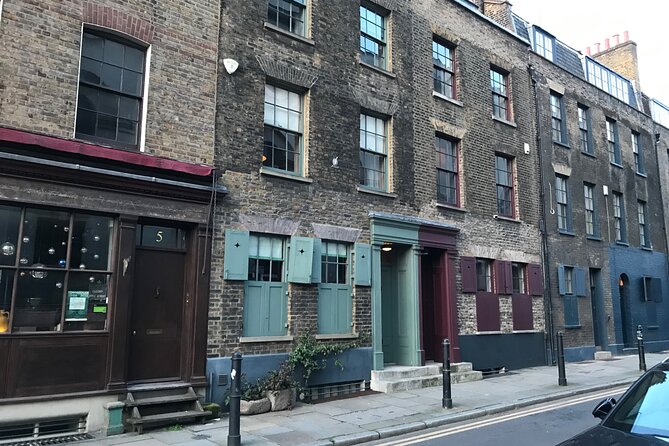
Reviewed · JACK THE RIPPER TOURS
London: Jack the Ripper Small Group Tour
Jack the Ripper’s crimes are still unsolved, but the streets where they happened remain part of London’s East End. This two-hour walking tour links the murder sites with the poverty, crowded housing, pubs, markets, and police investigations of Victorian Whitechapel. The case is dark, but the best guides keep the focus on the victims rather than turning the evening into cheap horror.
I like the small groups, which make it easier to ask questions and discuss theories. I also like the use of old photographs and case evidence, especially when guides such as Becky, Cova, Sarah, and Ollie connect them to the streets around you. The main drawback is simple: this is an outdoor walking tour, so cold, rain, rubbish collection, and city noise can all become part of the experience.
Key points to know
- A walk through real East End locations: Whitechapel, Spitalfields, Brick Lane, Aldgate East, and the Ten Bells Pub all feature in the route.
- A respectful approach to the victims: The murders are discussed frankly, but the strongest guides add social context and sympathy.
- Small groups make a difference: Groups are often around 13 to 15 people, and some departures may be much smaller.
- Visual evidence helps: Guides use photographs and other material to make the case easier to follow.
- Night adds atmosphere: Darkness can make the streets feel closer to their Victorian past, though winter weather calls for proper clothing.
- Good value at $26: For two hours with a live guide, the price is fair, especially if you want more than a quick photo stop at a famous pub.
Starting at Aldgate East
Your meeting point is beside Aldgate East station, near the place marked Fashion Warehouse. This sounds easy, but Aldgate East has four exits, so give yourself extra time and check the exact exit before setting out. The tour cannot wait for late arrivals.
That small warning matters. The walk depends on the guide keeping the group together, and missing the opening section means losing the basic map of Whitechapel and the setting for the murders. Arrive early rather than trying to find the guide at the last moment.
The starting area places you close to the old East End, though modern London is all around you. You will not be entering a preserved Victorian village. Instead, the tour works by showing how older buildings, street lines, pubs, and districts fit into a present-day city.
More Jack the Ripper walks in London:
- London: The Original Jack the Ripper Walking Tour
★ 4.7 · 7,833 reviews - London Jack the Ripper Guided Tour with Ripper-Vision
★ 4.5 · 4,840 reviews - London Jack The Ripper Guided Walking Tour
★ 5.0 · 3,131 reviews
Whitechapel and the world of 1888
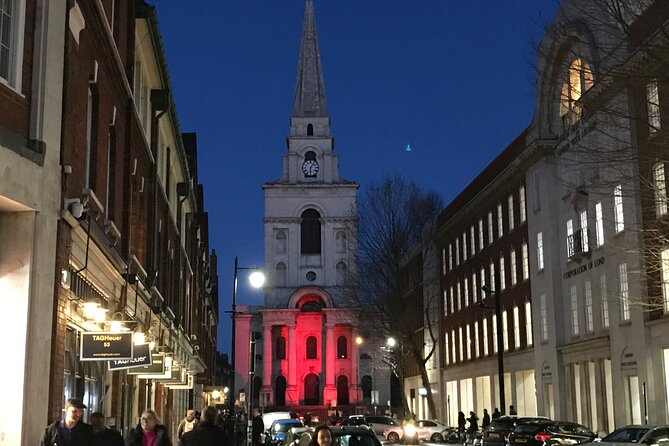
The first major section takes you through Whitechapel, the centre of the Ripper story. This is where the tour gains its value. You are not simply hearing a list of victims and suspects in a museum room. You are walking through the district while the guide explains what the area was like in 1888.
The strongest part of this storytelling is the social background. Whitechapel was marked by poverty, overcrowded living conditions, insecure work, and poor protection for women living on the margins. That context changes the tone of the case. The murders were not isolated acts floating in a mystery story. They happened in a district where many people already faced danger every night.
Guides use photographs and evidence to help you picture the streets as they were. Sarah, Becky, Cova, Ollie, and other guides are praised for making the details clear while adding their own theories about the killer’s identity. You should expect interpretation, not a final answer. The mystery remains unresolved, and a careful guide will separate known facts from later myths.
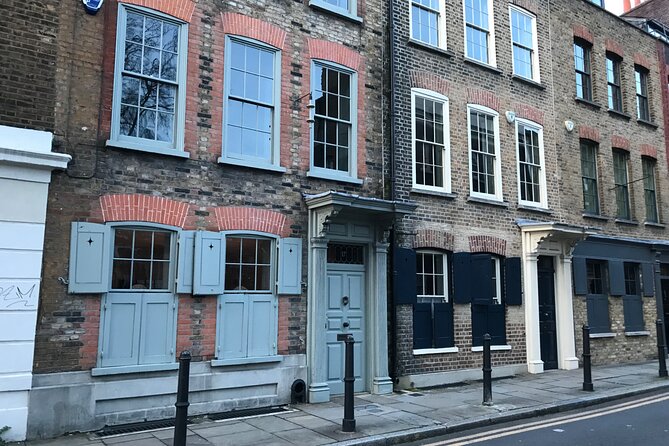
The murder sites themselves may not look exactly as they did in the nineteenth century. London has changed, and some locations are surrounded by modern buildings, traffic, shops, and street activity. Still, the route gives you a physical sense of distance. You can see how close certain places were to pubs, markets, homes, and police routes.
Spitalfields, markets, and changing streets
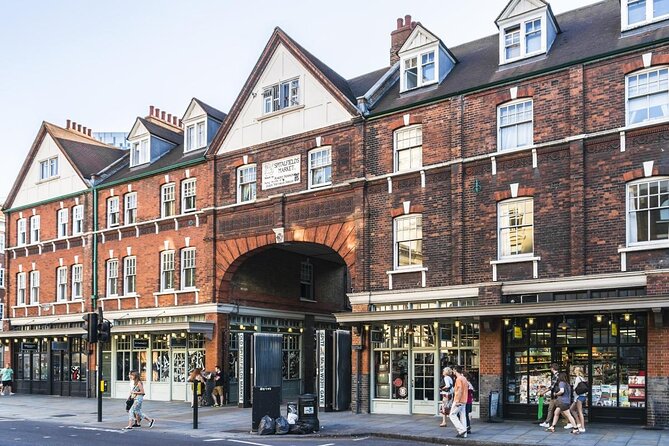
The tour continues toward Spitalfields, an area with strong links to the East End story. Today, Spitalfields Market gives the district a very different mood from the one described in the case. That contrast is useful. You can see how one part of London has been renewed while still retaining traces of its older street plan and architecture.
Your guide uses the walk to explain more than the murders. The area’s changing character, its old buildings, and the movement of people through the East End all help you understand why the Ripper case became such a major public story. Newspapers, police work, rumours, and fear all played a part.
This is also where the tour may appeal to people who are interested in London beyond the royal and museum circuit. The East End has its own character and history, and you get a glimpse of it while following the case. You may notice street art, food shops, market stalls, and modern businesses alongside older facades.
The downside is that the tour cannot control the surroundings. Spitalfields and Brick Lane are working city streets, not a theatrical set. Expect pedestrians, traffic, and normal evening activity. That may lessen the spooky mood, but it also keeps the walk grounded in real London.
The Ten Bells Pub and the limits of legend
The Ten Bells Pub is one of the best-known stops. Several of the women connected with the Ripper case were said to have visited or frequented the pub, giving it a strong place in the popular story.
The stop is atmospheric, but it needs a careful explanation. The pub has become a symbol of the case, and legends have gathered around it over time. A good guide will help you understand which details are documented and which have been repeated because they make a better story.
You may pass the pub or pause nearby, but do not assume that the tour includes time to sit down for a drink. Food and drink are not included. One useful improvement for some visitors would be a short photo stop, since the pace may leave little time to linger.
I like this part because it shows how a real place can become part of public memory. The Ten Bells is not only a murder-case location. It is also a working pub in a modern neighbourhood, and the contrast between those two identities makes the stop more interesting.
A few more half-days in London worth comparing
- London: The London Eye Entry Ticket
★ 4.6 · 35,875 reviews - From London: Harry Potter Warner Bros Studio Tour
★ 4.7 · 26,588 reviews - London: Westminster to Greenwich River Thames Cruise
★ 4.5 · 22,836 reviews - London: Madame Tussauds London
★ 4.6 · 20,915 reviews
Brick Lane and the modern East End
Brick Lane adds another layer to the walk. The street is now known for food, street art, and a wide mix of local businesses. Your guide explains how the area has changed while retaining links to its rougher past.
This section helps prevent the tour from becoming a narrow list of gruesome details. You get a sense of a living neighbourhood, not just a trail of crime scenes. The street can be lively, and the modern setting may break the eerie mood, but it also gives you a better feel for East London today.
If you are visiting London for several days, this part of the route may help you decide where to return for a meal or a separate afternoon walk. Food is not included in the tour, so plan to eat before or after rather than expecting a dinner stop along the way.
The guide may also use Brick Lane to discuss how public fascination with the Ripper has shaped the area’s image. That is worth considering. Dark tourism can bring attention to neglected history, but it can also reduce real people to characters in a crime story. The best approach keeps the victims visible and treats the setting with care.
Aldgate East, police work, and competing theories
The walk returns to the wider Aldgate East area, where the guide discusses investigations and the questions that remain open. This is where different theories about the killer often come into play.
You may hear about suspects, police failures, press coverage, and the evidence used to support or challenge different ideas. Guides such as Cova and Conza are praised for bringing their own theories into the discussion, while still giving you room to decide what you think.
That interactive element is one of the tour’s main strengths. You can ask questions along the way instead of waiting for a formal question period at the end. In a group of around 13 to 15 people, conversation is usually manageable. On quieter departures, you may have an even more personal experience, with one group of five reporting that they were the only people booked.
Do not expect a courtroom-style solution. The tour is about weighing evidence and understanding the case, not proving who Jack the Ripper was. If you already know the main theories, you may value the local setting and social background more than the basic mystery.
Why the guide makes or breaks the evening
This tour relies heavily on the individual guide. The repeated praise for Becky, Cova, Sarah, Ollie, Jay, Angie, and others points to the same practical lesson: presentation matters as much as information.
A good guide must be easy to hear on city streets, keep the group moving, explain difficult details clearly, and know when humour is appropriate. Several guides are praised for being funny without making the victims into a joke. That balance is important.
Becky is noted for preparation, enthusiasm, photographs, and a clear delivery. Cova is praised for passion and a witty style. Sarah is described as welcoming and respectful, with a strong grasp of the murders and the surrounding area. Ollie is often singled out for clear explanations, strong storytelling, and the ability to answer questions.
You may not receive the same guide shown in a particular booking description, so expect the style to vary. The common aim appears to be a lively, evidence-based walk, but one guide may focus more on police work, another on the victims, and another on personal theories.
Weather, timing, and practical comfort
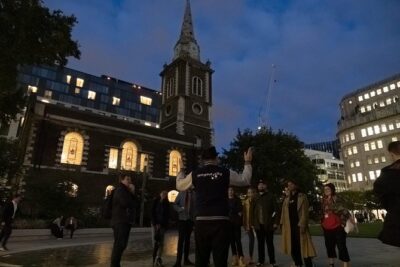
The tour lasts two hours and takes place outdoors. Wear comfortable shoes and check the forecast before leaving your hotel. A cold, wet evening can add to the mood, but it can also make it harder to concentrate.
Several people found the atmosphere stronger after sunset. Darkness, narrow streets, and the guide’s stories can make the subject feel closer. On the other hand, a winter night may bring cold, rain, and poor visibility, so choose atmosphere only if you are prepared for the conditions.
City noise is another factor. You may hear traffic, rubbish collection, or other street activity. Guides who speak clearly and use photographs can keep the group focused, but this is not a silent historical site.
The tour is not suitable for wheelchair users, according to the activity information. If mobility is a concern, contact the provider before booking rather than assuming the route will work for you.
Language information needs a quick check. The tour is described in different places as available in English and Spanish, and elsewhere as English and French. Confirm your preferred language at checkout before paying.
Is $26 a fair price?
At $26 per person, the tour offers a reasonable two-hour introduction to the Ripper case and the East End. You are paying for a live guide, local orientation, photographs or other visual material, and a route that would be difficult to recreate without research.
The value is best if you want interpretation rather than a self-guided walk. You could visit Brick Lane and the Ten Bells Pub on your own, but you would miss the links between the locations, the evidence, the social conditions, and the competing theories.
The price does not include food or drink, and you should not expect entry to a major attraction. That is not a serious weakness, since the point is the street walk. Still, compare it with your plans for the evening. If you want a comfortable indoor presentation, this will feel basic. If you want a focused walk through the actual neighbourhood, it is a fair deal.
Free cancellation up to 24 hours before the start gives you some flexibility, and the reserve-now, pay-later option can help if your London schedule is still changing.
Who should book this Jack the Ripper tour?
I would recommend it to adults and older teenagers who enjoy unsolved crimes, London social history, and guided walks. It suits first-time visitors who want to see a less familiar part of the city, as well as London residents who know the modern East End but want its Victorian background explained.
You should book if you value:
- A small group and time for questions
- Real locations rather than a museum-only presentation
- Old photographs and case evidence
- A sympathetic account of the victims
- Different theories instead of a forced answer
- A night walk with a darker mood
Think twice if you dislike murder stories, outdoor walking, uncertain weather, or the gap between a famous historic case and a modern city. The tour is atmospheric, but it is not a ghost show, and the streets do not look frozen in 1888.
Should you book it?
Yes, if you want a well-priced, focused walk that connects Jack the Ripper’s story to real streets and real social conditions. The small groups and strong guides, especially Becky, Cova, Sarah, and Ollie, add much more than a basic list of murder sites.
Book an evening departure if you want the strongest mood, arrive early because Aldgate East has four exits, and confirm the tour language before checkout. Bring warm clothing, comfortable shoes, and a willingness to listen to a difficult story with some care. At $26, it is a solid choice for a dark-history evening in London.
FAQ
Where does the Jack the Ripper tour meet?
The meeting point is beside Aldgate East station. Look for Fashion Warehouse, where the guide will be waiting.
How long does the tour last?
The guided walking tour lasts two hours.
What locations are included?
The route includes Whitechapel, Spitalfields, the Ten Bells Pub, Brick Lane, and Aldgate East, with discussion of murder sites, investigations, and local history.
Is food or drink included?
No. Food and drink are not included in the tour price.
What languages are available?
The activity information lists English, French, and Spanish in different places. Confirm the language you want when booking.
Is the tour suitable for wheelchair users?
No. The activity is listed as not suitable for wheelchair users.
Just added in London
- London Westminster Abbey French Tour with Fast-Track Tickets★ 4.8 · 57 reviews
- Tower of London Tour with Crown Jewels, plus River Cruise★ 4.5 · 54 reviews
- French Language: Original Harry Potter Walking Tour★ 4.6 · 503 reviews
- Changing of the Guard Experience in London★ 4.5 · 113 reviews
- Early Access:Tower of London Opening Ceremony & Royal London★ 4.8 · 49 reviews
- DreamWorks Shrek’s Adventure and London Eye: Combo Ticket★ 4.5 · 150 reviews
- Doctor Who London Walking Tour★ 4.9 · 137 reviews
- Downton Abbey and Village Small Group Tour from London★ 4.8 · 280 reviews
Jack the Ripper Tours, compared.
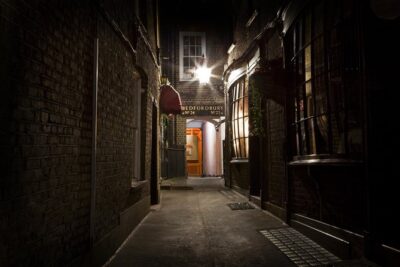
London Jack the Ripper Guided Tour with Ripper-Vision
Read our review →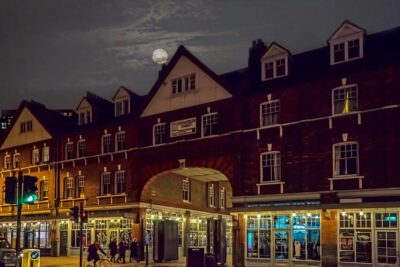
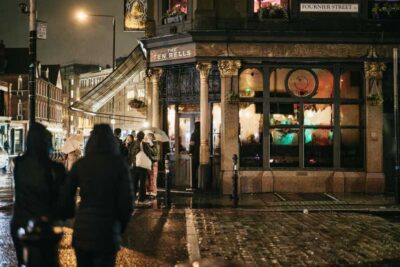
German Language : Original Jack the Ripper Tour
Read our review →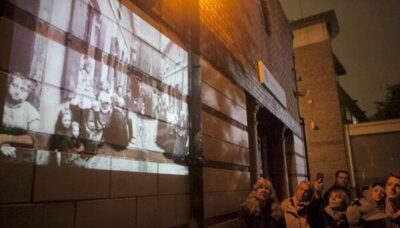
Jack the Ripper Walking Tour – Ripper Vision Tours
Read our review →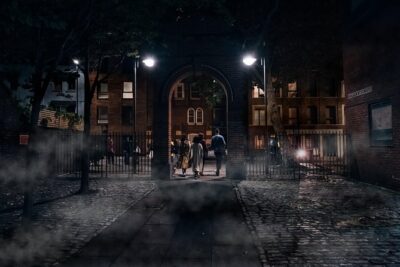
Ultimate Jack the Ripper : Guided Tour of London
Read our review →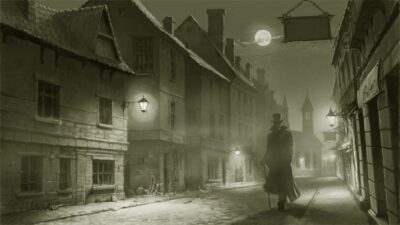
London Jack The Ripper Small-Group Walking Tour
Read our review →Browse the lists this tour appears in