
Reviewed · FOOTBALL & STADIUM TOURS
London: Craven Cottage Guided Tour at Fulham Football Club
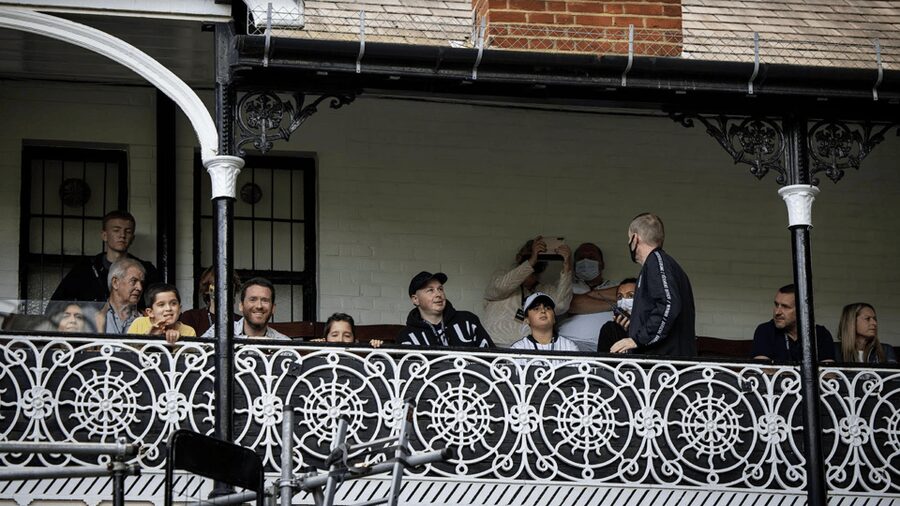
Craven Cottage is not a polished football museum built beside a modern arena. It is a working ground with old brickwork, a famous wooden grandstand, and a cottage sitting inside the stadium itself. I like the chance to visit the 1905 Craven Cottage and the Johnny Haynes Stand, and I like that the tour reaches places fans normally see only from a distance, including the players tunnel, home dressing room, and balcony.
The main drawback is practical rather than dramatic: the route includes 22 steps, bags larger than A4 size are refused, and the tour is not suitable for wheelchair users or people with mobility impairments. The route can also change if stadium operations require it.
Key points at a glance
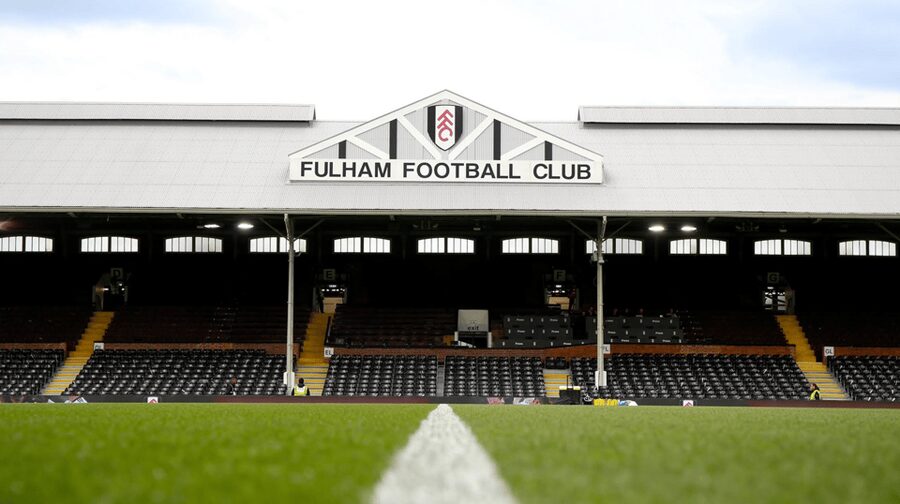
- The Johnny Haynes Stand: Visit one of England’s oldest grandstands and see a surviving piece of traditional football architecture.
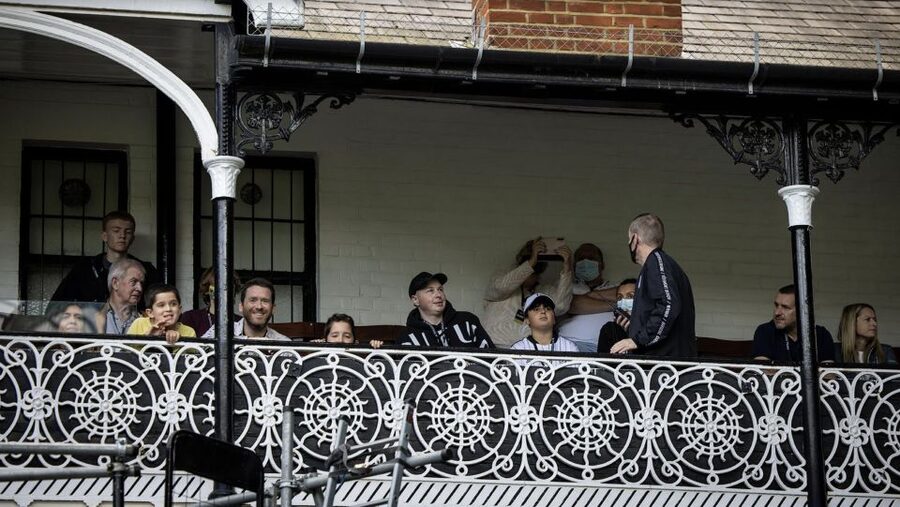
- The cottage balcony: Step into the famous cottage inside the ground and look out from its balcony.
- The players’ route: Walk through the tunnel and along the pitch-side areas used by the teams.
- The home dressing room: Sit in the seat of a favourite player and get a closer sense of match-day routines.
- A guide-led club story: Hear about Fulham FC, the 1948 Summer Olympics, England matches, and the 2011 Women’s Champions League final.
- A 75-minute visit: Finish at the trophy cabinet and official club shop, with time for photographs along the route.
Why Craven Cottage feels different from a modern stadium
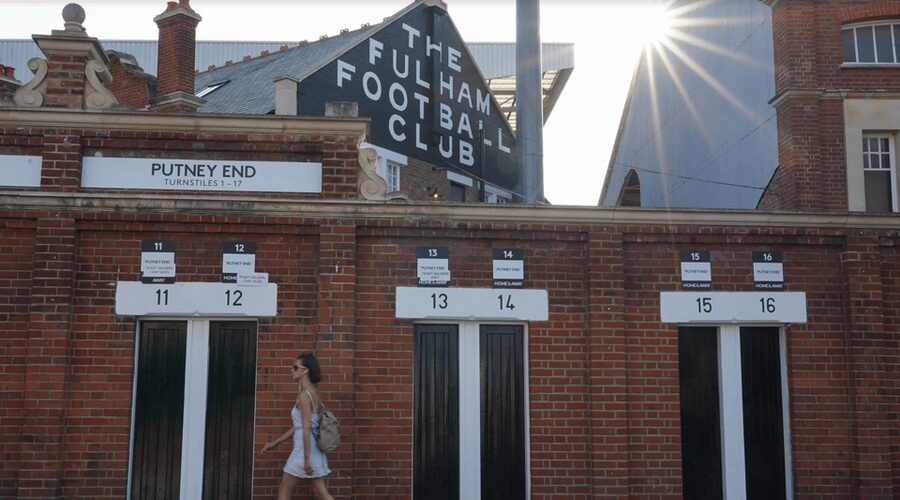
The special appeal here is the ground itself. Fulham first played at Craven Cottage long before the current era of giant, enclosed football arenas, and much of the stadium still carries that older character.
The ground was redeveloped by Archibald Leitch in 1905. His work shaped many famous British football grounds, and at Craven Cottage you can still see the influence in the traditional grandstand and the compact feel of the site. This is the kind of place where the building is part of the attraction, not just a backdrop for the club shop.
I especially like that the tour includes both the grandstand and the cottage. You are not simply shown a row of seats, given a few club facts, and sent away. You get a look at the architectural details, the team route, the working areas, and the old cottage that gives the stadium its name.
The tour also places Fulham in a wider sporting story. Your guide may cover the 1948 Summer Olympics, England matches played at the ground, and the 2011 Women’s Champions League final. That gives the visit more scope than a standard club tour focused only on league fixtures and famous players.
More Stadium Tours in London
- London: Emirates Stadium Entry Ticket and Audio Guide
★ 4.7 · 5,513 reviews - London: Chelsea Football Club Stadium and Museum Tour
★ 4.8 · 4,576 reviews - London: Wembley Stadium Guided Tour
★ 4.7 · 3,629 reviews
Starting at the Johnny Haynes Stand
You begin at the tour reception between gates 28 and 29 of the Johnny Haynes Stand on Stevenage Road. It is near the retail store, and you should arrive 15 minutes before the scheduled start.
The location matters because the Johnny Haynes Stand is one of the oldest grandstands in the country. Even before the walking tour properly begins, you are already looking at one of Craven Cottage’s main historic features.
Do not arrive with a suitcase or a large daypack. Bags of A4 size or larger are not permitted, and every bag is searched by stadium security. There is no storage at Craven Cottage or Fulham Pier, so you need to leave oversized luggage elsewhere before arriving.
The visit runs in most weather conditions unless the stadium team decides conditions are unsafe. Wear a coat or other weather-appropriate clothing, since parts of the route include outdoor areas and pitch-side stops.
The 1905 cottage and its famous balcony
The cottage is the tour’s signature stop. It is a small, distinctive building within the stadium, and it helps explain why the ground feels unlike a newly built football venue.
You get to enter the cottage and visit the famous balcony. From there, you can look across the stadium and understand the relationship between the old building, the pitch, and the surrounding stands. It is also one of the best places to take photographs, provided the guide and stadium rules allow you to pause.
The balcony is more than a photo stop. It gives you a sense of how unusual the ground is. At many stadiums, the most memorable architecture is an external facade or a row of statues. Here, a cottage forms part of the football ground itself.
There are 22 steps between the cottage forecourt and the cottage. That detail is important if you have trouble with stairs. The tour provider asks visitors with accessibility concerns to make contact in advance to arrange an accessible route, but the activity is listed as unsuitable for wheelchair users and people with mobility impairments.
Following the players through the tunnel
The players tunnel is one of the most satisfying parts of any stadium tour, and it is included here. You walk the same basic route used by the teams as they move toward the pitch.
This section works well because it connects the quiet tour environment with the pressure of match day. The tunnel is not just another room on a checklist. It is the point where players leave the changing area and enter the public arena.
The route also includes pitch-side access. Depending on availability, you may see the pitch from close range and get the sort of view normally reserved for players, staff, and officials. The exact route can change at short notice, so you should treat particular stops as subject to stadium operations rather than guaranteed in every form.
Photography is encouraged along the way. That is useful for families, first-time visitors, and supporters marking a special occasion. Guides also take photographs for visitors when appropriate. One guide, Philip, was specifically praised for taking plenty of pictures during a visit.
Same trip, a completely different kind of day:
- London: The London Eye Entry Ticket
★ 4.6 · 35,875 reviews - From London: Harry Potter Warner Bros Studio Tour
★ 4.7 · 26,588 reviews - London: Westminster to Greenwich River Thames Cruise
★ 4.5 · 22,836 reviews - London: Madame Tussauds London
★ 4.6 · 20,915 reviews
Sitting in the home dressing room
The home changing room gives the tour a more personal feel. You can sit in your favourite player’s seat and picture the pre-match routine from the inside.
This is likely to be the most important stop for a committed Fulham supporter. It lets you bring a favourite player into the experience, even if only through the seat you choose. For a parent visiting with a child, it can also make the tour memorable in a way that a wall of club facts cannot.
The dressing room is also a good reminder that football is built around routines. Players prepare, wait, talk, and walk out through the same spaces before the crowd sees them. The tour does not offer a match-day atmosphere, but it does show you the places that support it.
If you are not a football fan, this section may be less powerful on its own. Still, the guides aim to make the wider visit engaging for mixed groups. A family visit described a guide team as funny, welcoming, and able to keep a non-football supporter interested.
The press box, flags, and pitch-side views
The route includes the press box and a flag memorabilia area, adding two different angles on the club.
The press box shows how matches are recorded and reported rather than played. It is a useful stop for visitors interested in the wider business of football, including the journalists and staff who follow each game.
The flag memorabilia area shifts attention back toward supporters and club identity. It provides a visual way to connect the stadium with the people who have filled it over the years. The precise displays may vary, so do not expect every item to be presented in exactly the same way on every tour.
Pitch-side access comes up more than once in the route information, suggesting that you may receive views from different points around the field. This is one of the better opportunities for photographs, though the guide will control where the group can walk.
You may also see the new Riverside Stand. That gives you a useful contrast between newer stadium work and the older parts of Craven Cottage. The appeal of the tour lies partly in that contrast: you are not seeing a frozen museum, but a historic football ground that continues to change.
What the guides add to the visit
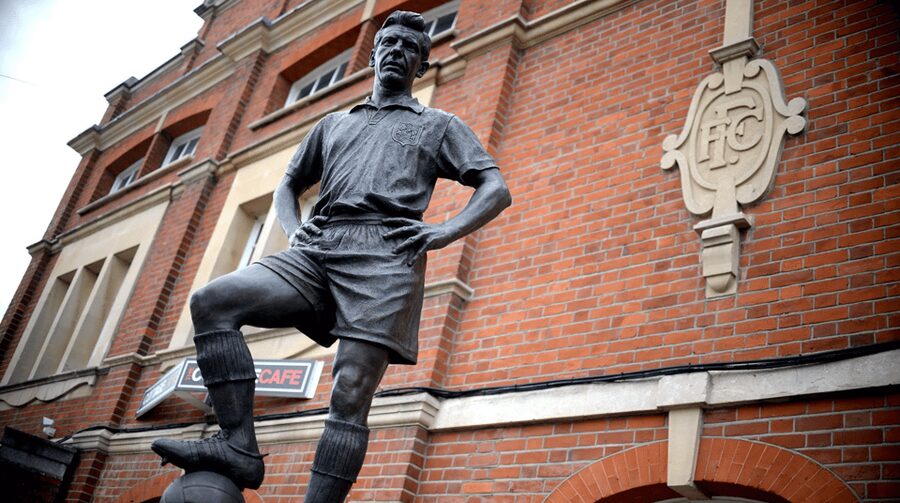
This is a fully guided tour, not a self-guided walk with signs and headphones. That makes the guide especially important.
The guides are expected to explain Fulham FC and English football, answer questions, and keep the group moving. Guides named by visitors over different dates include Philip, George, Ian, Doug, Courtney, Will, and Trevor. You may meet a different guide, but the pattern is clear: the best part of the storytelling comes from people who know the club closely and can explain its traditions in ordinary language.
The strongest guides do more than recite dates. They explain why the stadium looks the way it does, how the club has used the ground, and what makes Fulham different from clubs with newer venues. They also respond to questions, so come prepared to ask about the cottage, the grandstand, former players, stadium changes, or major matches.
The language options are English and Portuguese. If you want the richest exchange with the guide, check the available time before booking and select the language that suits you.
Is the 75-minute tour good value at $37?

At $37 per person, this is not the cheapest way to spend an hour in London. It is fair value if you want access to the inside of a historic football ground and would otherwise pay for a dedicated stadium experience.
The value comes from the number of areas covered in 75 minutes. You see the Johnny Haynes Stand, press box, players tunnel, pitch-side areas, home changing room, flag displays, Riverside Stand, cottage, balcony, trophy cabinet, and club shop. The tour does not promise every area on every date, but the standard route is broad.
I would compare it with the cost of a general London attraction rather than with a football match ticket. You are paying for access, a guide, club context, and the chance to enter spaces not open during an ordinary sightseeing walk.
The tour is also a better choice for a Fulham supporter than for someone who simply wants a view of the outside of the stadium. If your interest is architecture, British football grounds, or sports history, the Johnny Haynes Stand and cottage make the price easier to justify. If you want live football, this does not replace a match-day ticket.
The free cancellation window of up to 24 hours and reserve-now-pay-later option add flexibility. Those policies are useful if your London schedule is still changing, but they do not alter the main value question: book it for access to the ground, not for food, drinks, or a long museum exhibition. Food and drinks are not included.
Who will enjoy this stadium tour most?
I would recommend it first to Fulham supporters, especially those making a special visit from outside London. The combination of the home dressing room, tunnel, cottage, and balcony gives a supporter more than a quick look at the seating bowl.
It also suits football fans who want to compare old English grounds with modern stadiums. Craven Cottage has the kind of architectural character that can disappear when every venue is built to the same large-scale template.
Families can enjoy it as well, particularly if a child is seeing a professional stadium for the first time. The route allows photographs, and the club shop at the end gives you the option of buying a shirt or souvenir. One family visit ended with a child choosing a first shirt, which is exactly the sort of small extra that can turn a tour into a lasting memory.
Non-football companions should not automatically skip it. The guides cover architecture, local sporting events, and English football culture, and the route includes enough unusual spaces to keep the visit moving. Still, a non-fan may prefer it if they have some interest in buildings, British traditions, or the story of how sports grounds work.
Practical limits to consider before booking
The tour is not designed for visitors with significant mobility limitations. The 22 steps to the cottage are the clearest issue, while other parts of the route may involve standing and walking around the ground.
Contact the provider before booking if you need an accessible route. The published activity information does not list the tour as suitable for wheelchair users, so do not assume that an alternative route will be available without checking.
Leave suitcases and large rucksacks at your accommodation or another secure location. Bags at least A4 size are not allowed, and security searches take place before entry.
The tour goes ahead in any weather unless the stadium considers conditions unsafe. Bring a waterproof layer or warm clothing as needed. This is especially important because the route includes outdoor and pitch-side areas.
The path can be changed at short notice, and all areas depend on availability. A match, event, maintenance work, or stadium operation could affect the route. That is normal for a working football ground, but it means you should not treat every listed stop as an absolute guarantee.
The final stop: trophies and the club shop
The tour ends with a visit to the trophy cabinet and official retail store. The cabinet provides a natural closing point, bringing the club’s achievements together after you have seen the spaces where players and staff work.
The shop is convenient if you want a Fulham shirt or a small souvenir. It also makes the ending practical for families, since children may have been waiting for the chance to choose something of their own.
I like this finish because it keeps the focus on the club rather than ending abruptly at the final stadium room. You leave with the historic architecture, the team route, and the club’s silverware all connected in one visit.
Should you book the Craven Cottage tour?
Book it if you want to see an old London football ground from the inside, especially if the cottage and Johnny Haynes Stand appeal to you. The 75-minute route covers the most distinctive areas, the guides bring useful club knowledge, and the price is reasonable for a focused stadium visit.
I would skip it if you need a fully step-free experience, plan to carry luggage, or want live football rather than football history. For everyone else, this is a strong choice for a London sports itinerary, with enough unusual architecture and behind-the-scenes access to make it more than a standard club tour.
FAQ
How long is the Craven Cottage guided tour?
The tour lasts 75 minutes. One available description of a visit records a duration of about 90 minutes, so allow a little extra time in case the tour runs over.
How much does the tour cost?
The listed price is $37 per person.
Where do I meet the tour guide?
Meet at the tour reception between gates 28 and 29 of the Johnny Haynes Stand on Stevenage Road, near the retail store.
How early should I arrive?
Arrive 15 minutes before the tour begins.
Which languages are available?
The live tour is available in English and Portuguese.
Can I bring a suitcase or large backpack?
No. Suitcases, large rucksacks, and bags of A4 size or larger are not permitted. All bags are searched before entry, and the stadium does not provide storage.
Does the tour operate in bad weather?
The tour operates in any weather unless stadium management decides conditions are unsafe. Bring weather-appropriate clothing.
Is the tour suitable for wheelchair users?
The activity is listed as unsuitable for wheelchair users and people with mobility impairments. Visitors with accessibility needs should contact the provider in advance to ask about an accessible route.
Can the tour route change?
Yes. The route may be altered at short notice, and areas such as the cottage, balcony, pitch-side sections, or other stadium spaces are subject to availability on the day.
Just added in London
- Royal London Guided Sightseeing Tour and Thames River Cruise★ 4.0 · 31 reviews
- Roman Ruins to Blitz Bombings: A Walking Tour of London’s Fiery History★ 5.0 · 190 reviews
- Roman London Private Walking Tour★ 5.0 · 44 reviews
- Westminster Abbey, Big Ben, Buckingham Guided Tour of London★ 5.0 · 451 reviews
- River Thames Evening Cruise with Sparkling wine and Canapés★ 4.0 · 569 reviews
- Rock and Roll Walking Tour of Soho London★ 4.5 · 64 reviews
- London Private Chauffeur Half-Day or Full-Day Vehicle Rental★ 5.0 · 37 reviews
- Rich people behaving badly★ 5.0 · 47 reviews
Football & Stadium Tours, compared.

Liverpool Football Club Museum and Stadium Tour
Read our review →
Emirates Stadium Entry Ticket and Audio Guide
Read our review →
Chelsea Football Club Stadium and Museum Tour
Read our review →

Etihad Stadium: The Manchester City Stadium Tour
Read our review →

Browse the lists this tour appears in